
Do I Need Homeowners Insurance for a Rental Property? What Every Landlord Must Know in 2026

Introduction: Insurance Confusion for Property Owners

Why Homeowners Insurance Falls Short
Most new landlords mistakenly believe their existing homeowners insurance policy will cover their rental property. This is a dangerous assumption. The truth? The moment you start renting out your property—whether to long-term tenants or short-term guests—your homeowners insurance likely provides limited coverage or none at all. Do I need homeowners insurance for a rental property if I have an existing homeowners policy? The reality is, a standard homeowners insurance policy simply doesn’t offer comprehensive protection for rental property owners. Understanding the difference between standard homeowners insurance and landlord insurance is essential for every property owner in 2026, as insurers will deny claims or significantly limit insurance coverage for rentals.
The Costly Myth: Homeowner Coverage for Rentals
Insurance companies structure homeowners insurance to protect owner-occupied homes—not homes where tenants bring risk. If you rent your home, even occasionally, relying on a homeowners policy could leave you fully exposed to property damage, costly repairs, lawsuits, or loss of rental income. Your existing homeowners policy usually excludes liabilities and rental income loss from tenant-occupied events. As regulatory scrutiny and risk factors evolve, failing to transition to landlord insurance exposes property owners to unnecessary financial threats and legal consequences.
Quick Tips: Standard homeowners insurance rarely covers rental property risks. Landlords should always secure a tailored landlord insurance policy for true liability coverage and rental income protection. Don’t underestimate how little standard insurance covers when renting out your home.
Homeowners Insurance vs. Landlord Insurance: What’s the Difference?
Homeowners (HO-3) Coverage: Occupancy Matters
The most common homeowners insurance policy—the HO-3—is designed for homes where you’re the primary occupant. It offers dwelling coverage, personal property coverage, and personal liability for your own belongings. However, if you’re renting out your property, even just a room or short-term, your protection can disappear. This highlights the critical differences of insurance vs rental exposure, showing why you must review your insurance coverage before you lease your home. Homeowners insurance covers owner-occupied situations—but not rental risk.
Landlord (DP-3) Policy: Tailored Protection for Rentals
Landlord insurance (often called a DP-3 or rental dwelling policy) is specifically designed to protect rental property. It includes enhanced property damage protection, liability insurance for tenant injuries, fair rental value coverage (which shields you from rental income loss), and important add-ons such as legal defense and coverage for vandalism. Unlike a standard homeowners insurance policy, landlord insurance is engineered to address the real-world exposures that arise when rental property owners let tenants occupy their homes.
Key Coverage Gaps for Rental Properties
- Homes left vacant for extended periods between tenants typically lose nearly all coverage under standard homeowners insurance, but landlord insurance can provide limited coverage for vacancies.
- Damage, theft, or destruction caused by tenants is almost never covered by homeowners insurance, but a landlord policy may include these perils.
- Legal or medical responsibilities due to tenant or visitor injuries—only landlord insurance cover provides specialized liability protection.
- Loss of rental income: Homeowners insurance rarely covers lost rental revenue; landlord insurance can protect your rental income after a covered event.
KT Rents’ Quick Chart: Policy Comparison
| Feature | Homeowners Insurance | Landlord Insurance |
|---|---|---|
| Personal Property Coverage | Yes (for owner) | Limited – Covers landlord’s property only; does not cover tenants personal belongings |
| Liability Insurance | Yes | Yes – tailored for landlord/tenant injuries and liability insurance exposures to others |
| Loss of Rental Income | No | Yes – fair rental value coverage for lost rental income |
| Rental Income Protection | No | Yes – protects against rental income loss |
| Tenant Belongings | No | No – tenants need their own renters insurance |
Quick Tips: Recognize the difference in insurance vs rental risk. A tailored landlord insurance policy can be the single most important financial defense for rental property owners in 2026.
Risks of Using a Homeowners Policy for Rental Property
Potential for Denied Claims
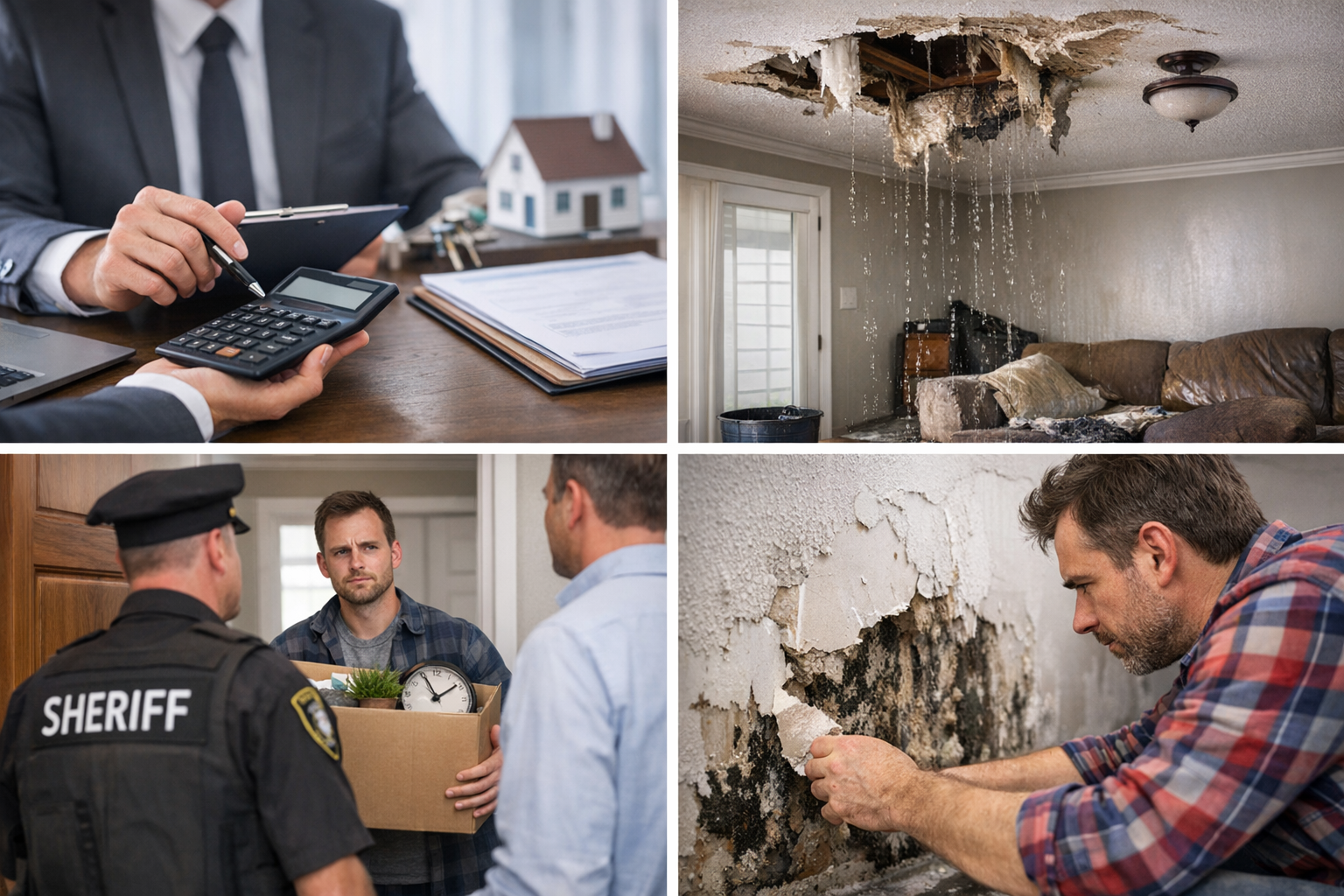
If a loss occurs while your rental property is occupied by tenants and you only have homeowners insurance, insurance companies will almost always deny your claim. That leaves you to pay out of pocket for repairs, legal judgments, or rental income loss. You also risk cancellation of your homeowners policy due to failure to disclose the change in use and occupancy, leaving you completely uninsured.
Increased Liability Risks
Tenants and short-term guests bring new and substantial liability coverage challenges. From slip-and-fall injuries to accidental property damage, the frequency and scale of lawsuits has risen sharply. Without an adequate landlord insurance cover designed for rentals, rental property owners can be left fully exposed, with no liability insurance to cover costly judgements or settlements. Protecting your own liability and ensuring insurance coverage for lawsuits is crucial.
Real-World Examples: Uncovered Losses
- Fire from tenant negligence: Claim denied, leaving landlord to fund full repairs because only a homeowners policy was in place.
- Slip and fall by tenant’s guest: Owner faces $100,000+ in legal fees because no active landlord insurance or liability protection existed.
- Short-term guest vandalism: Loss excluded under homeowners insurance, denying any payout.
Quick Tips: Don’t risk your investment. Ask your insurance agent or provider, “Do I need homeowners insurance for a rental property, or do I need landlord insurance?” The answer: If you are renting out your home, you need a landlord insurance policy for comprehensive coverage.
When Is Landlord Insurance Required by Law or Lender?
Mortgage Lender Requirements
Almost all home loan agreements require you to maintain valid insurance coverage that matches the property usage. Renting out your property without updating to a landlord policy can mean breaking loan conditions, risking foreclosure, or forced-placed expensive insurance coverage by the lender. To protect both the home and your rental income, be certain your landlord insurance is compliant with lender stipulations.
Short-Term Rental Ordinances and Regulations (2026 Update)
With the explosion of short-term platforms, more municipalities now require landlord insurance or proof of liability coverage for rental properties. Popular websites like Airbnb require hosts to demonstrate insurance coverage as well. New ordinances may mandate fair rental value coverage and detailed insurance policy terms before you can obtain a permit to operate legally.
Local Mandates: What to Check in Your Municipality
Always confirm your city or county’s requirements for rental property insurance, especially for vacation or short-term rentals. Your local government may also limit which insurance companies qualify and set minimum liability limits. To analyze homeowners insurance cost or estimate profit amid these new insurance requirements, try our comprehensive rental property guide.
What Landlord Insurance Covers: An Owner’s Checklist

Property Damage: More Than Just the Structure
Landlord insurance covers more than just the foundation and roof. It shields your investment from fire, storms, vandalism, some water or plumbing leaks, and more. Many policies offer additional coverage for garages, sheds, appliances, and even your personal property (like landscaping tools) left on site for tenants. Ask your insurance provider to clarify whether your policy includes these features and whether special endorsements are needed for unique rental exposures.
Liability Protection: Tenant Injuries and Accidents
If a tenant or guest is hurt at your rental, your landlord insurance policy provides critical liability coverage—covering legal costs, settlements, and other liability insurance needs. This protection is not provided by a standard homeowners insurance policy when renting out your home. Rental property owners should also assess whether an umbrella liability policy may supplement their primary landlord coverage for added security.
Loss of Rental Income: Coverage Explained
If a covered disaster makes your property unrentable, fair rental value coverage or loss of rental income insurance can ensure you keep receiving rent checks during repairs. Not every landlord policy is equal—ask about wordings, maximum monthly payouts, and how your premiums reflect rental income protection. For property owners relying on steady rent, lost rental income can devastate finances if insufficiently insured.
Quick Tips: A comprehensive landlord insurance policy should protect you from property damage, liability lawsuits, and lost rental income. Review your policy for specific rental activities—your needs may differ if you rent by the night, the month, or the year!
Short-Term, Mid-Term, and Long-Term Rentals: Insurance Considerations
Short-Term Rental Risks (Airbnb/VRBO/Platforms)
Homeowners insurance is almost never sufficient if you participate in short-term rentals. Many insurance companies have created special endorsements or policies for short-term vacation rental property owners, providing coverage for property damage caused by guests and liability protection for non-tenant incidents. Confirm with your insurance agent that your rental dwelling policy includes these features—or you risk large gaps in insurance coverage.
Add-Ons and Endorsements (2026 Policy Trends)
Modern rental property insurance can be customized for unique exposures: loss of use after a disaster, ordinance & law coverage, theft from furnished units, and more. These additional coverage options are crucial for landlords with valuable personal property coverage or those who frequently change rental types. Insurance providers in 2026 offer creative add-ons; discuss your specific needs when updating your insurance policy.
Navigating Insurance When Renting for 30+ Days
All rental types—including month-to-month leases—demand a landlord insurance policy. Do not assume standard homeowners insurance or a traditional homeowners policy will suffice. Always clarify rental durations with your insurance carrier and update policies to reflect current occupancy, ensuring ongoing insurance covers for your specific use case.
Recent Industry Changes: 2026 Trends Landlords Should Know

Coverage Shifts After Natural Disasters & Litigation
Following a rise in wildfires, severe storms, and tenant lawsuits, insurers have tightened eligibility and increased homeowners insurance cost, especially for rental property in high-risk zones. Expect new caps on fair rental value coverage, higher deductibles, and greater scrutiny of property condition. Landlords should budget more for rental property insurance and remain vigilant about new exclusions that can impact their coverage.
New Claims Technologies & Speed
Insurance companies now streamline claims with digital tools and AI, but they require clear documentation for both property damage and claims involving personal property or personal belongings. Rental property owners must adopt digital photo inventories and store communication records for every property insured—improving the odds of a successful settlement in the event of a covered loss.
Policy Exclusions for Certain Rental Activities
Short-term rental activity may trigger immediate exclusions in some insurance policies—especially for issues like pet damage, extensive guest activity, or mold. Coverage that once provided limited coverage for part-time rentals may now offer no protection at all. Always review your insurance policy at renewal and any time you change your rental strategy to ensure it covers your current activities.
Quick Tips: Annual policy reviews are essential, especially if you upgrade, update, or change your plans for renting out your property. Property managers can help interpret changing insurance language and compliance rules regarding liability, dwelling, or personal property coverage.
Legislative and Regulatory Updates Impacting Rental Property Insurance
Municipal Requirements for Short-Term Operators
Many U.S. cities require landlord insurance, certified documentation of insurance coverage, and even registration of rental dwelling policy information with the city permitting office. Failure to comply could make your property ineligible for legal rental operation and expose you to fines. Coverage requirements sometimes include minimum liability limits, extra riders, or additional insured parties—details your insurance agent can clarify.
State-Level Updates for Disaster-Prone Zones
States prone to hurricanes, fires, or floods frequently mandate higher liability coverage or additional property riders. Rental property owners must stay updated on state requirements and the effect these rules have on their insurance cost. For hands-on tools to calculate profitability with required premiums and loss protection, try our rent calculator for landlords.
How to Choose the Right Insurance for Your Rental Property

Assessing Your Unique Property Risks
Every rental property has unique risks, from location to tenant profile. Consider whether your property needs umbrella liability insurance for lawsuits, or if you maintain enough dwelling coverage and personal liability protection to cover worst-case scenarios. Does your insurance policy address the need for rental income protection or specially valued personal property?
Working with Insurance Specialists
An expert insurance agent can tailor your policy to match your property’s profile, rental activity, and local regulations. Don’t rely on an outdated homeowners policy; instead, seek out insurance companies experienced in rental property insurance to maximize coverage and minimize denied claims. Always vet insurance providers for clear, responsive claims service.
Integrating Coverage with Property Management
Combining diligent rental property management with updated insurance protocols—like those provided by KT Rents—ensures seamless compliance, easy claims, and continual evaluation of both legal and insurance risks. Integration supports the ongoing documentation of personal property and personal belongings and keeps all policy records organized.
KT Rents’ Tips: Protecting Your Asset and Income
- Review your insurance policy at every renewal or after changing tenants/rental types.
- Maintain detailed photos and lists of all structures and personal property for claims readiness.
- Select insurance providers and insurance companies who support landlords specifically.
- Keep policies, invoices, repair records, and tenant communications readily accessible in a landlord portal or designated file.
Quick Tips: The best rental property insurance adapts as your investments and tenant needs evolve. Assess your risk, collaborate with insurance pros, and reevaluate regularly for full liability and property protection.
Avoiding Common Insurance Mistakes: Lessons from KT Rents
Updating Your Policy as Rental Terms Change
Switching from owner-occupied to rental property? Or changing to short-term rentals? Always alert your insurance provider right away to update your insurance policy. A lapse or delay can result in denied claims and complete loss of insurance coverage. Use our rental property resources for guidance on navigating these transitions.
Documentation and Claims Best Practices
Maintain a digital record of all personal property coverage, lease agreements, and repair receipts. This ensures proof of value and condition when a claim is filed for property damage or loss of rental income. Proactive organization is the landlord’s best tool for maximizing insurance covers outcomes after a covered event.
Internal Resources: How KT Rents Supports Landlords
KT Rents gives property owners access to insurance audit checklists, updated compliance guides, and introductions to leading insurance agents and providers. Our management and support can bridge the gap between landlord operations and evolving insurance rules—guaranteeing robust and compliant insurance coverage for all aspects of renting out your home.
Conclusion: Insurance as a Foundation for Rental Success

Peace of Mind with the Right Coverage
Only a customized landlord insurance policy truly shields your rental property, provides rental income protection, and guards against unpredictable exposure to lawsuits or disasters. As trends shift in 2026, active risk management and regular insurance reviews are critical. With the right insurance policy, landlords enjoy reliable revenue, coverage for property and personal liability, and compliance with fast-changing laws.
Your Next Steps: Consult KT Rents for Expert Support
Take decisive action for your investment: replace assumptions with expert advice about which insurance policy is right for you. The KT Rents team can match you to reputable insurance agents, advise on local ordinances, or connect you to next-level property management—so your rental property is always protected.