

Does Renters Insurance Cover Damage to Property? A Definitive Guide for Tenants and Landlords


Understanding Renters Insurance: What It Is and Who It Protects

Definition and Purpose of Renters Insurance
Renters insurance is an essential financial safeguard for tenants in a rental property. A standard renters insurance policy provides extensive coverage for damage to property and loss of your personal belongings due to covered peril, such as fire, theft, vandalism, and certain kinds of water damage. Beyond the protection of your possessions, renters insurance also offers robust liability coverage – shielding you if someone is injured within your rental unit and you are legally responsible, or if you accidentally cause property damage to someone else’s property.
Who Needs Renters Insurance – Tenant vs. Landlord
Tenants are the primary party who need renters insurance. The landlord’s insurance policy (landlord insurance) only covers the landlord’s property interests, such as the building itself and certain liabilities—not the tenant’s personal property or liability. For tenants, relying only on the landlord’s policy means their valuables aren’t protected. Renters insurance is necessary for safeguarding your own personal property, covering liability, and ensuring you have additional living expenses coverage if your home becomes uninhabitable due to a covered peril.
- Tenants: Should obtain renters insurance for personal property coverage, liability protection, and coverage for additional living expenses if displaced.
- Landlords: Need landlord insurance; many require tenants to carry their own renters policy to reduce risks on both sides.
How KT Rents Educates Tenants on Coverage Basics
At KT Rents, we prioritize transparent education so tenants fully understand what their renters insurance policy covers. From lease signing through renewals, we highlight the importance of reviewing policy limits, covered perils, and the necessity of personal liability and property damage protection.
Types of Coverage Within Renters Insurance Policies
Personal Property Coverage: What’s Included
Most renters insurance policies provide coverage for the cost to repair or replace personal belongings—such as furniture, clothing, electronics, and appliances—after a covered loss. There are typically two types of personal property coverage: replacement cost and actual cash value. After a claim, your insurance provider pays out according to policy limits and deductibles, so be sure to assess how much coverage you really need. Personal property damage outside the home, like theft from your car (not to be confused with auto insurance), may also be included but often with lower sub-limits.
Liability Coverage: Protecting Against Accidents
Liability coverage (or liability protection) pays legal fees, medical bills, and any court judgments if you’re found responsible for accidental damage to else’s property or if someone is injured in your rental unit. This part of your renters policy may also provide coverage if you cause unintentional property damage at someone else’s home. However, it never covers intentional acts or damages resulting from illegal activity.
Loss of Use (Additional Living Expenses)
If a covered peril makes your rental unit uninhabitable, most renters insurance policies pay for additional living expenses such as hotel bills or short-term rentals, restaurant meals, and and other increased costs—helping you maintain your normal standard of living until repairs are made. These provisions ensure that temporary housing and other accommodations are within reach, subject to policy limits.
Browse a variety of rental properties to discover diverse insurance coverage needs depending on property type.
Common Misconceptions About What’s Covered
One frequent misunderstanding is believing renters insurance will cover damage to property belonging to the landlord or structural loss. In reality, insurance cover for damage to the building’s walls, roof, or foundation (the landlord’s property) is the responsibility of the landlord’s insurance policy. Similarly, wear and tear, intentional damage, or uncovered natural disasters (e.g., floods) remain outside the scope of a standard renters insurance policy.
Does Renters Insurance Cover Damage to Property? The Core Question

Damage to Tenant’s Personal Property vs. Damage to Rental Unit
The main function of renters insurance is to cover damage to property you own—your personal belongings—against a list of named perils like fire, smoke, theft, or accidental water damage from an appliance. It does not provide coverage for accidental or intentional structural damage to the physical building, which is covered under the landlord’s insurance policy. However, your renters insurance cover does extend liability protection if you cause accidental property damage—such as starting a kitchen fire that spreads to another apartment or damaging communal areas. In these cases, your liability coverage could help cover property damage and associated legal fees or medical bills if others are hurt.
Coverage for Accidental Damage: What Qualifies?
Renters insurance cover damage when it occurs unintentionally. For example, if you cause water damage to your neighbor’s rental unit, your liability portion may pay for both the property damage and legal expenses. However, intentional damage and acts of gross negligence are universally excluded from coverage.
Named Perils vs. All-Risk Policies—Key Differences
A standard renters insurance policy works on a named perils basis, covering only the specific hazards listed, such as fire, theft, and vandalism. Some insurance providers offer broader all-risk or open-perils policies for higher premiums—these provide coverage for any peril not specifically excluded. Always clarify with your insurance agent which form your insurance policy takes.
KT Rents’ Approach to Explaining Policy Nuances
At KT Rents, we ensure tenants distinguish between covered and uncovered scenarios in their renters insurance policy, especially regarding liability protection and personal property coverage. This clarity empowers tenants to seek appropriate policy limits and avoid denied claims.
Exclusions and Limitations: What Renters Insurance Does Not Cover
Structural Damage: Landlord’s Responsibility
Damage to the landlord’s property—like walls, ceilings, or plumbing—is never covered by your renters insurance. The landlord’s insurance policy and landlord insurance are responsible for such repairs. As a tenant, your policy does not cover property damage that affects the building’s infrastructure, unless you caused the loss negligently, in which case your liability protection may apply.
Common Exclusions (Wear and Tear, Intentional Acts, etc.)
Exclusions are standard in every renters insurance policy. Most renters insurance policies do not provide coverage for:
- Wear and tear, maintenance-related property damage
- Intentional acts or criminal activities
- Uninsured natural disasters (like floods or earthquakes without supplemental coverage)
- Loss that exceeds policy limits or falls outside covered peril
Understanding Deductibles and Coverage Caps
A deductible is the amount you pay out-of-pocket before the insurance provider pays the rest for a covered loss. Policy limits determine the maximum payout for personal property damage, liability, or additional living expenses. Always evaluate your renters policy to understand your total available coverage, and talk with your insurance agent before signing any lease or renewal.
How to Avoid Coverage Gaps
To avoid coverage gaps, update your personal property inventory annually, increase your coverage limits if you acquire high-value items, and consider policy add-ons or riders—particularly if your rental property is susceptible to natural disasters like floods or wildfires. Explore property investments and insurance strategies as part of your risk management plan.
Emerging Risks: Climate Events and Smart Tech in Rental Homes
Climate-Related Events (Floods, Wildfires, Hurricanes)
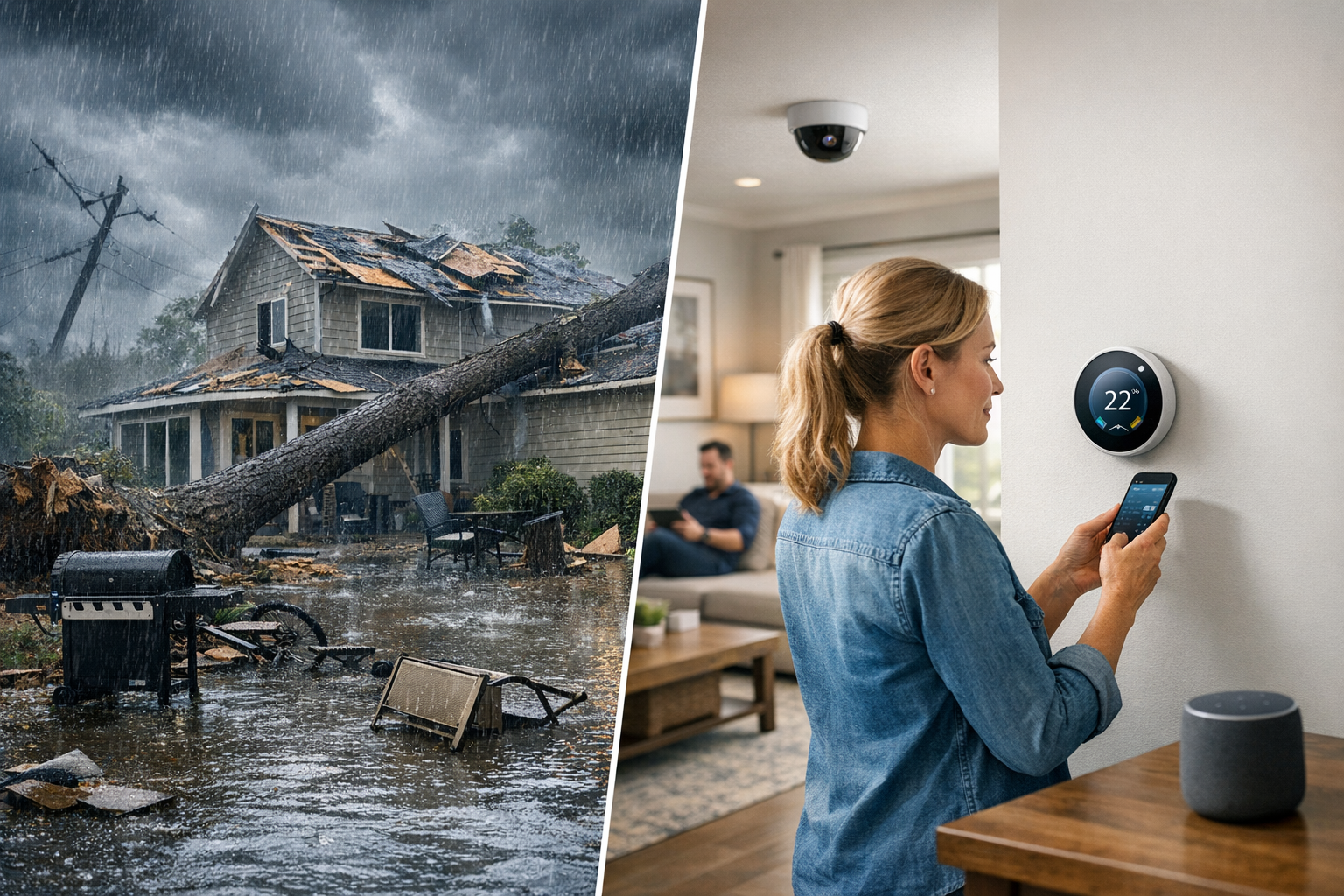
As severe weather grows more frequent, tenants must recognize that most renters insurance policies exclude coverage for natural disasters like floods, hurricanes, and wildfires. If your rental unit is in a high-risk area, ask your insurance provider about dedicated disaster insurance to provide the coverage you need.
Smart Home Devices and Digital/Tech-Related Damages
Smart devices and digital property are increasingly common in rental property, but a standard renters insurance policy usually places low coverage limits on electronics and may not protect against cyber loss. Tenants with valuable electronics should evaluate add-ons or riders for personal property coverage and ask if accidental damage to tech is a covered peril or requires separate policy endorsement.
How Insurance Is Evolving to Meet New Threats
Insurance companies are responding to these emerging risks by introducing flexible options, allowing you to bundle auto insurance, digital property coverage, and protections for damages from natural disasters and cyber threats. Discuss emerging risks and new coverage types with your insurance agent annually to keep your insurance cover relevant.
Supplemental Coverage Options for 2026 and Beyond
Looking forward, expect insurance providers to offer more customizable coverage and bundled policies to meet evolving needs—especially for climate and tech-related property damage, legal fees, and liability protection. Request policy recommendations and enhancements to make sure you’re protected as risk profiles shift.
Case Studies: Real-Life Scenarios of Renters Insurance Coverage
Accidental Water Damage from Appliance Malfunction
If your washing machine leaks, resulting in water damage to personal property, your renters insurance will likely cover the claim up to your policy limits. If the leak affects your neighbor’s rental unit, your liability coverage will provide coverage for property damage and related medical bills if injury occurs. These scenarios highlight the importance of both personal property coverage and liability coverage in your renters policy.
Theft and Vandalism: What’s Covered
Theft of personal belongings, whether inside your rental unit or possibly even outside (like a stolen laptop from your car), is often covered by your renters insurance policy. However, limitations apply if the value exceeds your policy limits or if the loss is a result of an uncovered peril. Always check with your insurance company and review your insurance cover for expensive items.
Short-Term Rental Scenarios (e.g., Airbnb Guests)
If you sublet or host guests, understand that most renters insurance policies exclude damage done by guests who pay, such as through Airbnb. Tenants in these situations typically need a separate tenant insurance or short-term rental endorsement, and should always get the landlord’s authorization to avoid voiding their policy.
Lessons Learned and Best Practices
Maintain detailed records of your personal belongings, store purchase receipts and photos offsite, and clarify your policy’s stance on subleasing and guest liabilities directly with your insurance agent and landlord. Being proactive reduces the risk of denied claims and prevents conflicts over property damage liability.
Landlord vs. Tenant Responsibilities: Clearing Up the Confusion
Who Pays for What After a Loss?
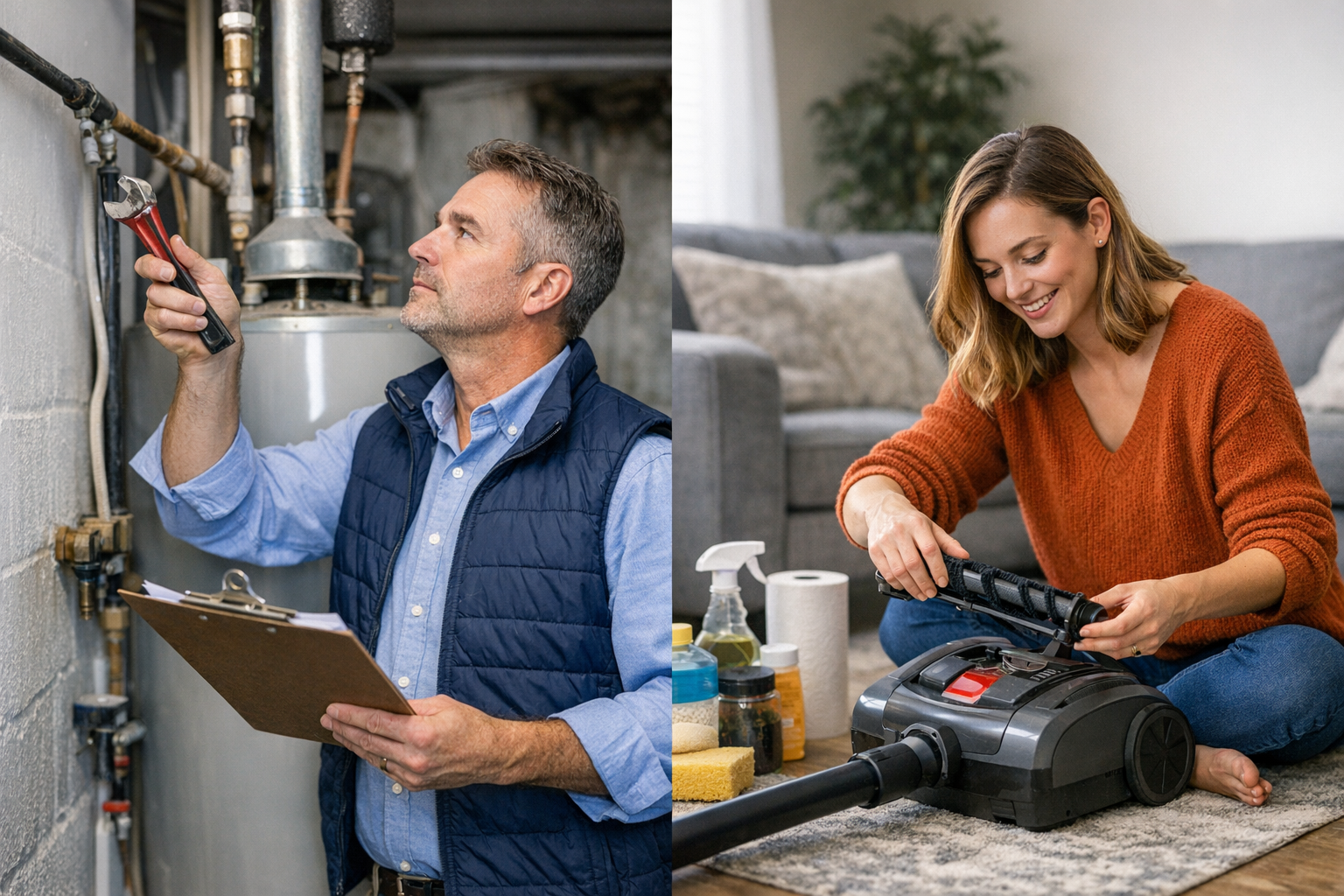
Following a covered loss, tenants file claims for personal property damage, liability, or additional living expenses with their own renters insurance company. The landlord uses their landlord’s insurance policy to repair structural damage. If the incident involves overlapping issues, the division of responsibility is dictated by each insurance policy’s terms, relevant law, and the results of investigations into who caused the loss (and whether it was accidental damage, intentional damage, or a maintenance issue).
Communication and Policy Alignment Between Landlords and Tenants
Open dialogue between tenants and landlords is crucial. Tenants should understand what their own policy—and the landlord’s policy—covers. Landlords often require a current proof of insurance from tenants for every rental property to avoid risk and disputes. Such measures ensure there are no surprises following a covered loss.
How KT Rents Facilitates Clear Expectations
We help both parties set expectations at lease signing, from required renters insurance cover damage provisions to which losses each insurance cover. KT Rents supports alignment by offering resources, lease agreement templates, and ongoing insurance education to tenants and landlords. See how our property management team protects your rental property and livelihoods.
How to Read and Compare Renters Insurance Policies
Key Terms to Know
- Personal property damage: Coverage for your belongings from covered perils.
- Liability protection: Payment for injuries or property damage to others caused by your actions.
- Covered peril: Events or dangers (like fire, theft) that your policy will cover.
- Policy limits and deductibles: The maximum your insurer will pay and the amount you pay out-of-pocket for each covered loss.
Questions to Ask Your Insurance Provider
- Does my renters insurance policy cover accidental versus intentional damage?
- What exclusions or coverage gaps should I know about in my standard renters insurance policy?
- Does renters insurance cover property damage or loss from natural disasters in my area?
- Are my electronics, digital property, and other valuables covered up to their full value?
Evaluating “Named Perils” and Optional Add-Ons
If you own high-value items, rent in a disaster-prone area, or have unique needs, review optional add-ons for your renters insurance policy. Endorsements can provide coverage beyond your policy’s base limits for specific types of property damage or loss.
Checklist for Reviewing Policy Documents
- Verify the list of covered perils and excluded disasters.
- Review policy limits and whether they match the value of your personal property.
- Evaluate liability protection, temporary housing, and living expenses.
- Understand the claims process and how to reach your insurance company for assistance.
Filing a Claim: The Modern Experience for Renters

Digital Claims Processes and Faster Settlements
Today’s insurance companies offer streamlined digital claims, with mobile uploads for receipts, damaged personal property photos, and real-time tracking of your claim status. Many providers aim to resolve claims in days, not weeks, giving renters faster access to funds for covered loss. Prompt, thorough documentation is critical in maximizing your renters insurance cover damage benefits.
Tips for Smooth Claims—Documentation and Communication
Maintain a comprehensive inventory of your personal belongings, keep receipts and photos in the cloud, and notify your insurance provider immediately after a covered loss. Clear, timely communication expedites the assessment and payout process for property damage and liability claims related to your rental unit.
Role of Property Managers (How KT Rents Supports Tenants)
KT Rents acts as a liaison between tenants, landlords, and insurance providers. We help verify losses, submit necessary documentation, and support both sides in claims processing, reducing claim denials and ensuring a swift, fair outcome—particularly for cases involving accidental damage or disputes over liability coverage.
Best Practices for Landlords: Requiring and Verifying Renters Insurance
Setting Coverage Minimums in Lease Agreements
Best practice for landlords is setting minimum coverage requirements for liability and personal property within lease agreements for every rental property. Clearly specify the levels of personal liability and property damage coverage required in writing, minimizing ambiguity and risk.
Verifying Coverage at Move-In & Renewal
At each move-in and lease renewal, landlords should request and record up-to-date proof of insurance from tenants. Tools such as automated reminders and digital storage ensure compliance and simplify future claims processes with the insurance company.
Helping Tenants Understand Their Policies
Proactively educate tenants about their renters insurance cover, typical coverage limits, exclusions, claims procedures, and the consequences of lapsing coverage. Refer tenants to educational materials, such as KT Rents’ blog, to stay current on policy best practices and emerging risks in the world of rental property insurance.
Internal Links: Link to KT Rents’ Lease Agreement Guide
For comprehensive resources on drafting effective lease agreements and navigating insurance requirements, visit our KT Rents Resource Center.
Conclusion: The Importance of Understanding Your Policy

Summary of Key Takeaways
Renters insurance is critical for tenants who want to protect personal property, safeguard themselves with liability coverage, and secure additional living expenses if their home is uninhabitable after a covered loss. However, it does not cover property damage to the rental property’s structure—this remains the landlord’s responsibility via landlord’s insurance policy. Diligently review your renters insurance policy, consult your insurance provider about add-ons, and document all personal belongings to provide the strongest protection against unexpected loss or liability.
Next Steps for Tenants and Landlords
Tenants: Review your renters policy now and update your covered perils, inventory, and personal property records. Landlords: Make renter insurance mandatory, collect proof, and offer educational resources to reduce conflict, protect investments, and foster smooth claims processes. For expert advice, rely on resources like the KT Rents Resource Center.
Internal Links: Link to KT Rents’ Resource Center
Find detailed real estate and insurance tips at our About KT Rents page, or contact us with questions on maximizing your rental property protection and insurance strategy.