Grand Canyon Vacation: Your Complete Guide to the Canyon Experience
 David Kovalevich


Planning a Grand Canyon vacation is an exciting undertaking. From the moment you begin to explore your options, you’ll encounter a world of possibilities, majestic vistas, unforgettable Grand Canyon tours, scenic rail journeys, hiking trails, and serene nights beneath the stars. In this updated 2025 guide, we’ll walk you through everything you need to know about Grand Canyon National Park, focusing on the South Rim, what’s open and what’s closed, how to plan your days, and where to stay and explore.
Whether you’re traveling from Las Vegas, Phoenix, or farther, this guide will help you get the most from your time at this natural wonder.
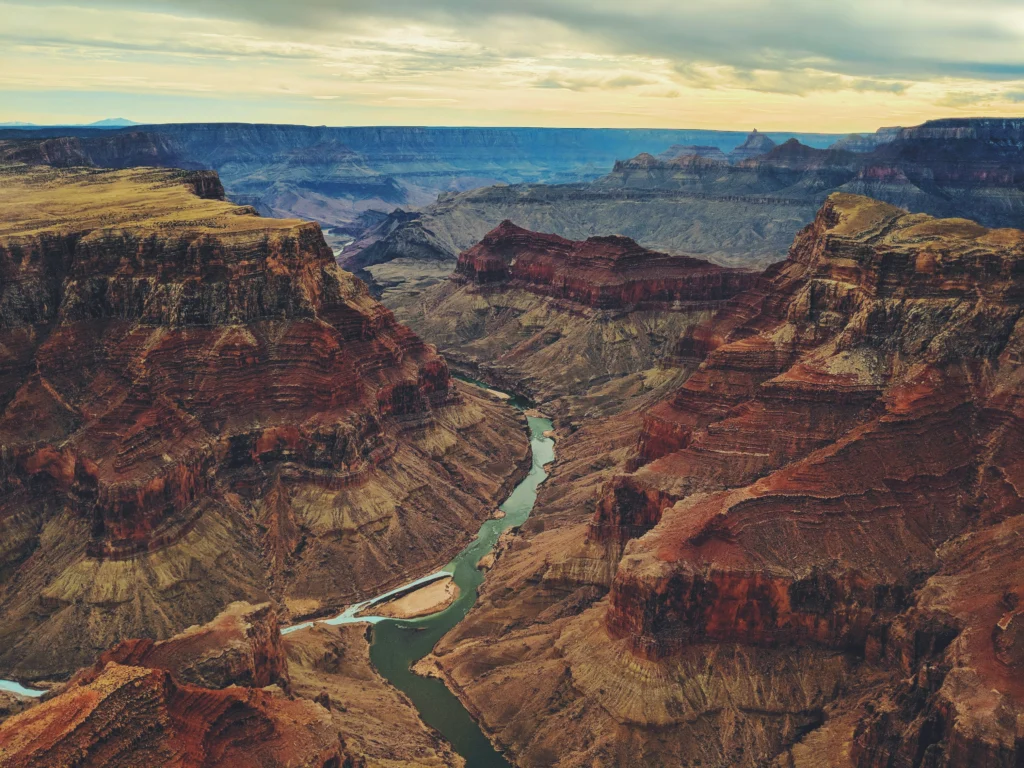
The Grand Canyon is more than just a deep chasm carved by the Colorado River. It is a showcase of natural beauty, a living record of Earth’s geologic past, and one of the seven wonders of the world. It’s also an icon in American travel, drawing visitors from across the globe to marvel at its scale, colors, and rugged landscapes.
When you plan a Grand Canyon vacation, you set yourself up not simply for a sightseeing trip but for a journey through time. Each viewpoint reveals new layers, each trail invites deeper exploration, and every sunrise or sunset frames the canyon in a different palette of golds, purples, and crimson.
In 2025, the canyon continues to surprise and delight. But it’s important to factor in updates: closures, wildfire recovery, and seasonal changes in access. In particular, the North Rim has reduced availability this year due to infrastructure damage from the Dragon Bravo Fire. The South Rim remains the primary gateway for most travelers, with active facilities, shuttle systems, and lodging.
Plus, the Grand Canyon offers a variety of experiences and packages designed to fit every traveler’s interests and schedule, making it easier than ever to customize your adventure.

Because of the limitations at the North Rim in 2025, the South Rim is the main base for most Grand Canyon travelers. That means many of the best amenities, shuttle routes, and scenic drives are centered around that side.
Keep in mind that all times and schedules here follow Mountain Time, so plan accordingly to make the most of your days.
Most guests arrive via Phoenix (Phoenix Sky Harbor International) or Las Vegas (McCarran International). You might also fly into Flagstaff or Grand Canyon Gateway towns and drive the rest of the way.
Once in the area, renting a car is your most flexible option. Inside Grand Canyon National Park, free shuttle buses help move people between key attractions and viewpoints so you can avoid the parking crush.
If you’re coming from Williams, don’t miss the iconic Grand Canyon Railway. Climb aboard the historic train for a nostalgic, scenic ride into the park that replaces the drive. It’s a rail adventure that brings back the romance of old‑west travel.
There is an entrance fee to Grand Canyon National Park, typically paid per vehicle or per person. Some Grand Canyon tours include the fee in their pricing. If you’re planning to camp overnight in backcountry zones or hike below the rim, you’ll need permits issued in advance.
Check the park’s official website before departure. Conditions, closures, or trail restrictions can change rapidly (especially now, with post-fire access issues).

Much of the appeal of staying right at the South Rim is convenience. You’re steps from shuttle stops and sunrise viewpoint access. Yavapai Lodge is one of the most popular on‑site lodges, offering rim views and close access to trails and visitor centers.
Beyond the rim, towns like Tusayan or Williams offer more lodging variety, from hotels to cabin rentals. Staying in Sedona or Flagstaff gives you day‑trip access to the canyon with bonus time for exploring red rocks or wine country.
If you want a more independent experience, vacation lodging is ideal, full kitchens, more space, and privacy. KT Rents offers several rentals throughout Arizona that function as comfortable gateways to Canyon Country.
The South Rim is home to Desert View Drive, a road dotted with overlooks like Moran Point, Lipan Point, and Mather Point. Each reveals a different contour, depth, and play of light across canyon walls. Hermit Road is another classic stretch, best explored via shuttle.
For more adventurous travelers, descending into the canyon is a life‑changing experience. The Bright Angel Trail and South Kaibab Trail are the most popular paths, but both demand preparation, heat, steep terrain, and limited water mean planning is critical.
Short loops and rim trails are suitable for casual exploration. They let you walk along ridgelines, gaze down into the canyon, and stay safe.
Grand Canyon tours are a fantastic way to get a broader view. Helicopter or small-plane flights offer aerial vistas you can’t get from the rim. Multi‑day Colorado River rafting trips let you drift through canyon narrows and explore hidden side canyons.
If you’re heading toward Grand Canyon West, check out the Skywalk (glass bridge over the canyon) operated by the Hualapai Tribe, an entirely different but remarkable grand canyon experience.
Canyon nights are tranquil and dark, making the Grand Canyon a preferred spot for stargazing. Join ranger programs or bring your own telescope. Campsites and overnight stays open the chance to hear canyon legends, watch meteor showers, or share stories by the fire.

With more time, you can linger, take side trips, relax, and make memories at your own pace.
Bring layers, nights and mornings can be chilly while midday sun can be intense. Pack hats, sunscreen, reusable water bottles, and a first aid kit. For hikes, bring trail snacks, a headlamp, and a map (digital backups help).
Don’t bring drones (they’re prohibited). Avoid glass bottles, overpacking heavy gear, or going off-trail. Carrying too much weight can slow you down on steep descents.
Scenic landscapes are only part of the vacation story, you also eat, shop, and connect. Around the South Rim and in gateway towns, you’ll find restaurants serving comfort food, regional specialties, and delicious meals with panoramic views.
Check out Flagstaff and Williams for farm-to-table dining and local breweries. Support Native‑owned businesses and local artisans, purchasing crafts or joining tours ensures your trip benefits the community.
At KT Rents, we curate local resources and recommendations so your stay is not only scenic but meaningful.
You’ll want at least 3 days to see the major points. For hiking or relaxation, 4–5 days gives you room to breathe.
Yes. The South Rim has accessible trails and ranger programs for kids. Many vacation rentals are family friendly.
You don’t need one just to enter the park, but lodging, tours, and camp overnight permits often require advanced booking.
It is if you stick to maintained trails, go early, and have backups. But solo hikers should be cautious, especially in heat or remote zones.
Because the North Rim has limited access due to fire damage, most travelers focus on the South Rim this year.
Yes. Air tours help you see parts of the canyon you can’t from the rim.
KT Rents offers vacation lodging in Arizona with concierge-style service that keeps you informed and comfortable. We monitor trail closures, shuttle changes, and fire zones daily so your trip can adapt to live conditions.
Whether you want a hotel-style experience at Yavapai Lodge, a remote cabin rental, or a home base that puts you close to canyon access, we help you book the best stay. Pair that with Grand Canyon tours, rail adventures, hiking plans, and restaurant guides, and you get a seamless vacation.
Let us help you plan your canyon escape, so your only job is to explore, photograph, and make memories. Your Grand Canyon vacation is waiting.