

Colorado
Rental and for-sale inventory across cities we serve in this state.
Moving to Colorado? The Ultimate 2026 Guide
Explore
Cities in this state
Moving to Colorado offers a dynamic experience with a strong job market and diverse regions. The cost of living varies, often exceeding the national average, particularly in urban areas. By 2026, the state’s population is expected to grow significantly, impacting housing and employment opportunities.
Moving to Colorado: A Comprehensive Guide to Your New Adventure
2026 Colorado Outlook: What New Residents Should Expect
Economic Predictions for 2026
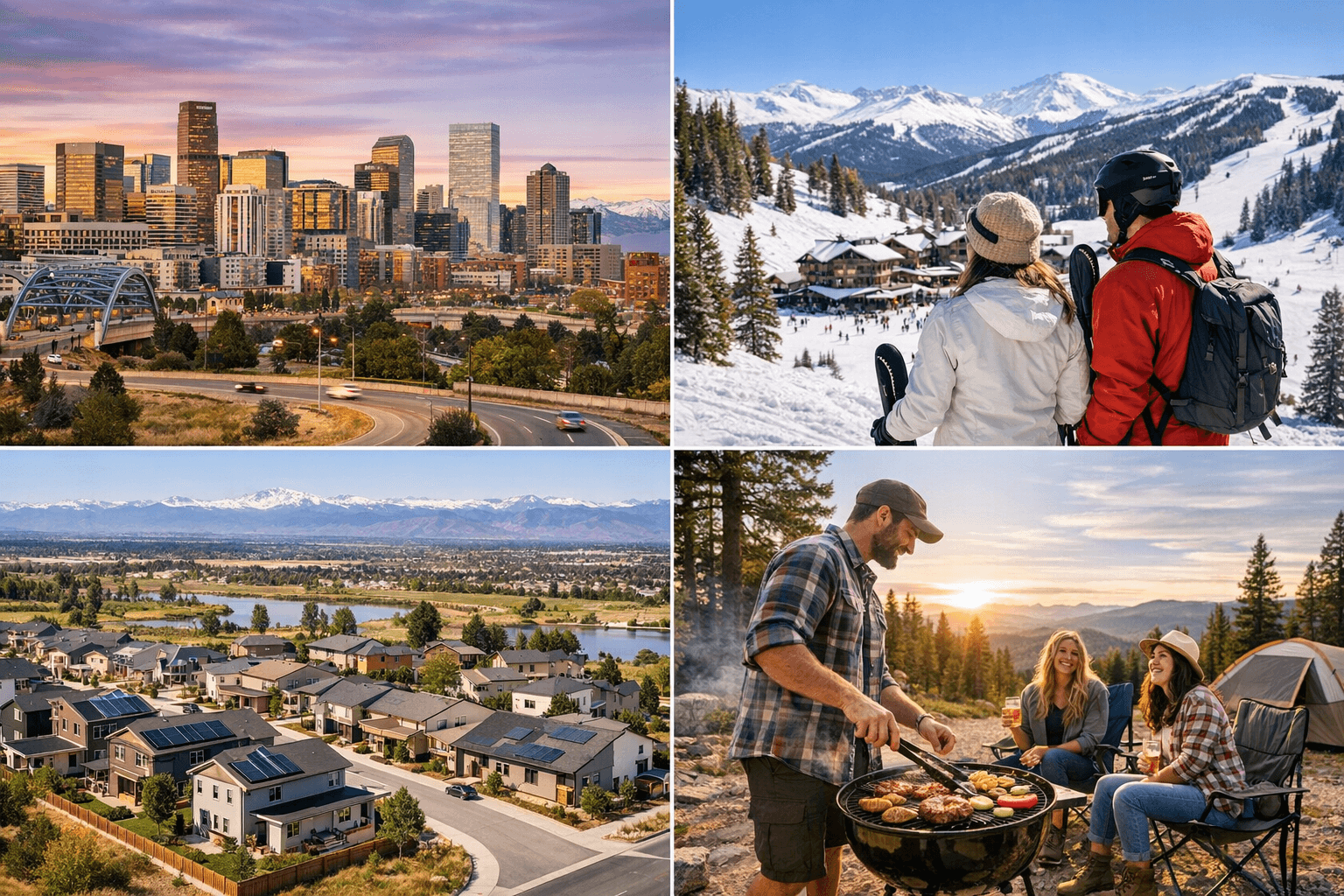
By 2026, Colorado’s economy is projected to grow by approximately 3.5%, driven by its strong job market and expanding industries. The state’s GDP is expected to reach $400 billion, solidifying its position as a thriving economic hub. Key sectors such as technology, aerospace, and tourism are anticipated to lead this growth. The technology sector is particularly noteworthy, with the Denver Metro Area emerging as a burgeoning tech hub, attracting startups and established companies alike. This growth will likely contribute to a robust job market, offering diverse opportunities for those moving to Colorado.
Population Growth and Housing Trends
Colorado’s population is forecasted to increase by 2.5% annually, reaching over 6.5 million residents by 2026. This growth will intensify demand for housing, with an estimated 30,000 new homes needed each year. Consequently, housing prices may rise by 4% annually, challenging affordability. As more people flock to the Centennial State, areas like Fort Collins and Colorado Springs are becoming increasingly popular due to their balance of urban amenities and access to outdoor recreation. Prospective buyers should prepare for competitive markets, especially in regions close to the Rocky Mountains.
Key Industries and Employment Opportunities
In 2026, Colorado’s job market will continue to expand, with employment expected to grow by 2% per year. Key industries include technology, healthcare, and renewable energy, offering a diverse range of job opportunities. The tech sector alone is projected to add 10,000 new jobs annually, making it a significant employment driver. Renewable energy is also gaining traction, with initiatives focused on solar and wind energy. These sectors not only stimulate job creation but also attract environmentally conscious individuals looking to settle in Colorado, fostering a community that values sustainability and innovation.
Understanding the Financial Landscape: Cost of Living in Colorado
Comparing Living Costs Across Major Cities
Living costs in Colorado vary significantly across its major cities. Denver’s cost of living is approximately 12% higher than the national average, with a median home price of $550,000. In contrast, Colorado Springs offers a more affordable option, with living costs only 5% above the national average and median home prices around $400,000. Fort Collins, known for its vibrant college town atmosphere and proximity to the Rocky Mountains, also presents a compelling option with competitive housing prices and a strong job market, making it a desirable location for new residents.
Tax Considerations for New Residents
Colorado imposes a flat income tax rate of 4.55%, making it relatively straightforward for residents. Property taxes are relatively low, averaging 0.49% of home value, while the state sales tax is 2.9%. However, additional local taxes can increase the effective sales tax rate to over 8% in some regions. For example, Boulder and Aspen have higher local taxes due to their premium amenities and services. Understanding these regional differences is crucial for effective financial planning when moving to the Centennial State.
Real Estate Market Insights
The Colorado real estate market remains competitive, with inventory levels low and demand high. By 2026, the median home price is expected to rise by 3% annually. Areas like Fort Collins and Boulder are particularly desirable, with home values increasing by 5% each year due to their strong job markets and quality of life. Prospective buyers should consider timing their purchases during early fall when competition may ease slightly, offering better negotiation opportunities. Engaging with local real estate experts can also provide valuable insights and strategies for navigating this dynamic market.
Exploring Colorado’s Diverse Regions: Finding Your Perfect Fit
Urban vs. Rural: Lifestyle and Amenities
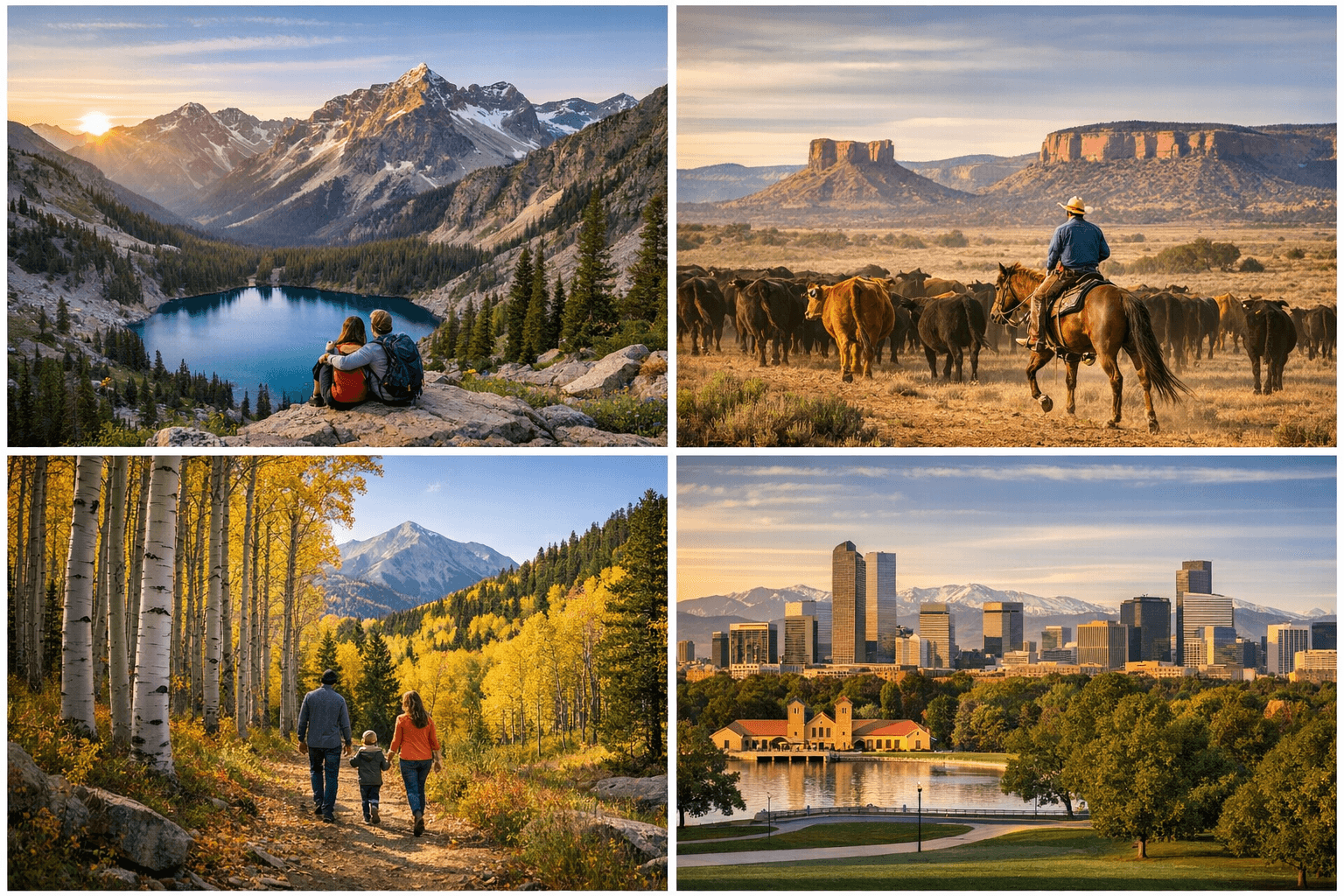
Colorado offers diverse living environments, from bustling urban centers to serene rural landscapes. Urban areas like the Denver metro area provide ample amenities and job opportunities, while rural regions offer a more relaxed lifestyle with close-knit communities. Approximately 80% of the population resides in urban areas, reflecting a preference for city life. However, those seeking tranquility will find peace in mountain communities, where the pace is slower, and the mountain scenery offers unparalleled beauty and opportunities for outdoor recreation.
Climate Variations Across Regions
Colorado’s climate varies greatly depending on the region. The eastern plains experience hot summers with temperatures reaching 90°F, while the mountainous areas enjoy cooler summers and snowy winters. The Rockies receive over 300 inches of snow annually, making them ideal for ski resorts and winter sports enthusiasts. The ski season typically extends from late November to early April, attracting visitors and new residents who relish ski trips and other winter activities. Understanding these climatic variations can help prospective residents select a location that aligns with their lifestyle and recreational preferences.
Cultural and Recreational Offerings
Colorado is renowned for its cultural and recreational offerings, with over 40 state parks and four national parks, including Rocky Mountain National Park and Mesa Verde National Park. Outdoor recreation is a major draw, with world-class hiking, mountain biking, and skiing opportunities attracting millions of visitors annually. Denver alone hosts over 30 cultural festivals each year, showcasing the state’s vibrant arts scene. Additionally, art galleries and music venues are prevalent, offering a rich tapestry of cultural experiences for residents and visitors alike. Embracing an active lifestyle is easy in Colorado, where the natural landscape and community events foster a spirit of exploration and engagement.
Navigating the Moving Process: Steps to a Seamless Transition
Preparing for the Move: Checklist and Timeline
Effective planning is crucial for a successful move to Colorado. Begin preparations at least three months in advance, including securing housing, scheduling a moving company, and budgeting for expenses. Allocate approximately $5,000 for the move, including travel, housing deposits, and initial living costs. It is also advisable to update your driver’s license and vehicle registration within 30 days of establishing residency. Understanding property taxes and sales tax implications in your chosen area can further aid in financial planning and ensure a smooth transition.
Settling In: Building a New Community
Building a community in Colorado involves engaging with local groups and activities. The state offers numerous opportunities to connect, with over 100 meetup groups in the Denver area alone. Volunteering and participating in local events can help new residents establish connections and integrate into their community. For those interested in outdoor activities, Colorado’s abundant hiking trails and state parks provide endless opportunities to meet like-minded individuals. Involvement in local clubs and organizations also fosters a sense of belonging and enhances the overall relocation experience.
Emotional Aspects of Relocation
Relocating to a new state like Colorado can be emotionally challenging. It is important to maintain connections with family and friends, explore new surroundings, and engage in local activities. Approximately 60% of new residents report initial feelings of homesickness, which often diminish as they adapt to their new environment. Joining local support groups or online communities can provide additional emotional support. Embracing the cultural and recreational offerings in your new locale can also facilitate a smoother emotional transition by establishing a sense of place and purpose in your new home.