

How to Prepare Your House for Sale: A 2026 Home Seller’s Guide


Introduction: Why Preparation Matters in Today’s Market

Understanding Modern Home Buyer Expectations
The home sale landscape has evolved rapidly in the past few years. Today, potential buyers begin their journey online, scrutinizing professionally staged listing photos, investigating interactive floorplans, and reading detailed property descriptions before ever setting foot inside. For most sellers, learning how to prepare your house for sale means understanding what attracts buyers in today’s local market: curb appeal, natural light, spotless interiors, and inviting, empty space. If you want to maximize your home’s sale price, the process goes far beyond surface cleaning—it requires strategic decisions and a well maintained home that helps buyers envision their lives there from the first impression, whether online or in-person.
How Preparation Impacts Selling Speed and Price
Your home’s curb appeal, abundance of natural light, and overall impression set the stage for your property’s online and in-person presentation. Data-backed platforms and experienced real estate agents agree: thorough preparation correlates directly with more money, faster sales, and higher listing prices—especially as buyers become increasingly discerning in the digital home shopping process. Even the average home that’s meticulously staged, photographed, and marketed can stand out and attract buyers in a crowded field. Remember, for most sellers, the ultimate goal is to secure top dollar and a seamless, quick closing.
Quick Tips: Impressions matter! A spotless home with fresh paint, vibrant flower beds, neat landscaping, and decluttered interiors sets your house apart from the first photo prospective buyers see. Minor changes in your home’s exterior and updating the front door or garage door can yield a significant difference in your sales price.
Step 1: Deep Clean and Declutter for First Impressions
Room-by-Room Cleaning Checklist
Most buyers are looking for a spotless, move-in-ready home. Deep cleaning is the foundation of how to prepare your house for sale—it conveys a well maintained home and ensures both in-person and home online shoppers view your property favorably. Here’s a strategic checklist for each space:
- Kitchen: Clean all appliances, scrub countertops, degrease backsplashes, wipe down cabinets, and remove small appliances or countertop clutter. Eliminate pet odors near food or feeding areas.
- Bathrooms: Polish fixtures, scrub grout, remove personal toiletries, and deep clean mirrors, tubs, and showers. Fresh towels and new caulk make a significant difference for prospective buyers.
- Primary bedroom and other bedrooms: Dust furniture, vacuum floors, organize closets and drawers to display empty space. Remove family photos or personal memorabilia so buyers can envision their belongings.
- Dining room: Wash windows for maximum natural light, dust tables/chairs/baseboards, and remove excess décor. For the majority of dining rooms, minimal staging and light window treatments will enhance perceived value.
- Laundry rooms: Clean machines and surfaces, put away detergents, and keep hampers out of sight. Laundry rooms left messy can negatively impact a home’s sale price.
Decluttering Techniques to Maximize Space
Creating empty space visually increases a home’s appeal. Remove extra chairs, knick-knacks, crowded shelves, and store away family or personal photos. Many home sellers underestimate the effect of clutter—most buyers need to imagine their own lives, not see evidence of yours. Clear kitchen counters, bathroom vanities, and coffee tables. If you question whether to remove something, err on the side of simplicity.
Common Areas That Often Get Overlooked
- Inside and outside the garage door—remove excess storage, sweep floors, update lighting, and touch up paint.
- Entryway rugs, shoe racks, and light switches—clean, repair, or replace as needed to enhance first impressions.
- Under sinks, behind furniture, and along window treatments—deep clean these forgotten corners to avoid turn-offs during showings or pre listing inspection.
Quick Tips: Pet odors, dead plants, and old or dirty window treatments are common thing buyers notice instantly. Eliminate them, address light switches, and ensure your home’s curb appeal extends to the garage door and all exterior spaces.
Step 2: Minor Repairs and Maintenance — Don’t Skip the Details
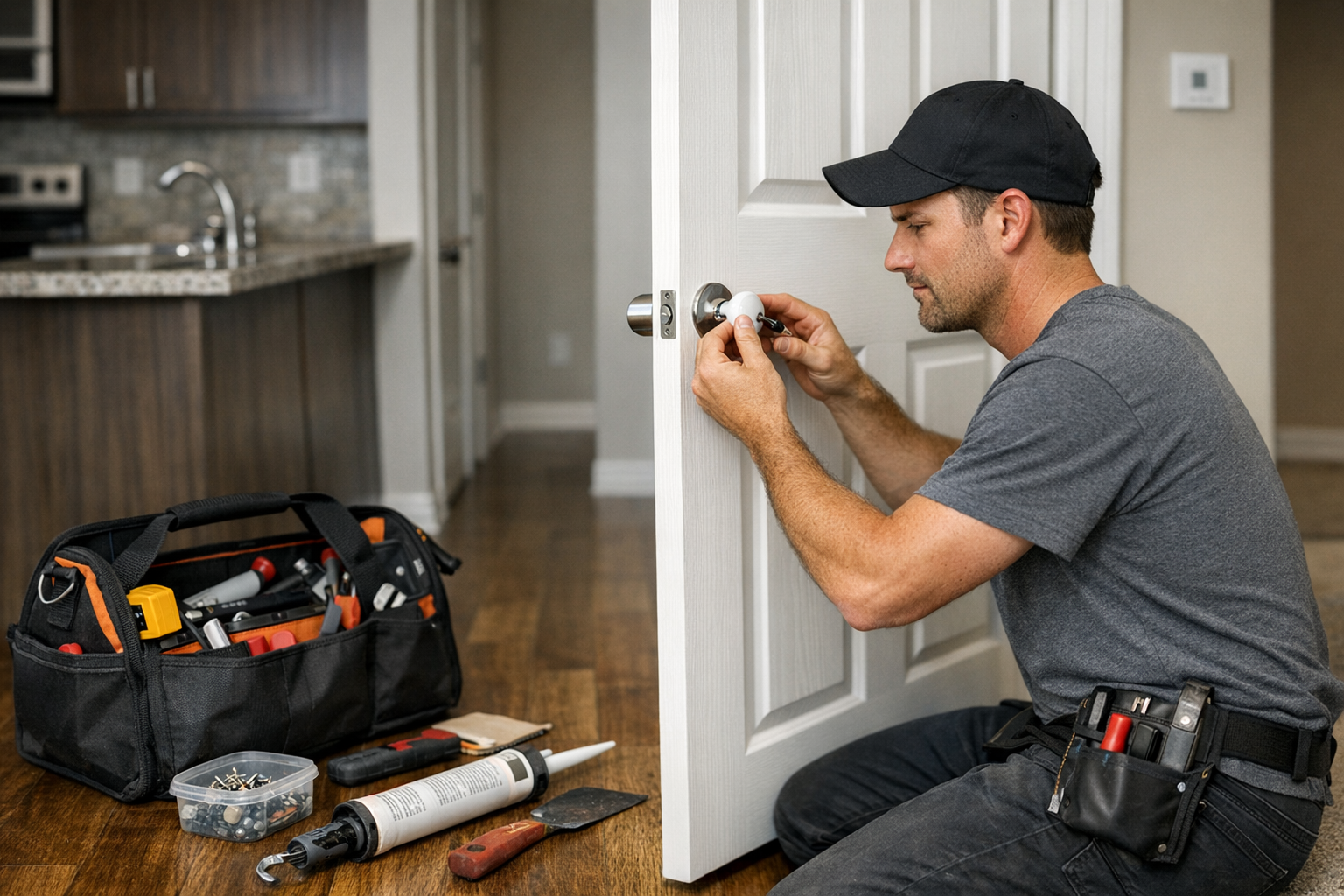
Essential Repairs That Make a Difference
Small issues quickly erode trust and may lower your home’s sale price. To attract buyers (and appease the home inspection), make the following minor repairs:
- Oil squeaky doors, repair chipped paint, fix leaky faucets, and tighten loose cabinet hardware.
- Replace burnt bulbs—maximize natural light in every room, especially in the dining room and primary bedroom.
- Update worn window treatments, touch up trim, and repair or replace damaged light switches.
Addressing Major vs. Minor Fixes
Focus on cosmetic and cost-effective updates that offer the highest ROI—front door refresh, new hardware, landscaping for curb appeal, and updated flower beds. Save major renovations for situations where the local market demands them; for most sellers, minor repairs have a more significant difference in buyer perception and home’s appeal than extensive remodels.
Seasonal and Climate-Specific Maintenance Tips
Adjust your prep to your local market: service HVAC filters, check insulation, trim foliage, refresh flower beds, and maintain the home’s exterior (wash siding, clean gutters, paint trim, remove dead plants). A well maintained home always signals pride of ownership and reassures potential buyers about future upkeep.
Quick Tips: Order a pre listing inspection before you go live. Most buyers trust a home that shows well and has minimal inspection issues—reduce risk to your sales price by being proactive.
Step 3: Neutralize Décor and Personal Touches
Why Neutral Sells: Appealing to a Broader Audience
For the fastest and highest home sale, every real estate agent will tell you: buyers need to see the house, not your personality. Remove bold paint, niche decorations, and family photos—neutral wall colors, simple linens, and open empty space encourage buyers envisioning their lives there, not yours.
Simple Updates for Maximum Appeal
Updating light fixtures, swapping out window treatments, and a fresh coat of paint in the latest neutrals will rejuvenate your home’s appeal. Remove personal photos and pet items. These minor repairs create a clean slate that shows beautifully in listing photos and during tours—especially in the most critical rooms: primary bedroom, living spaces, and dining room.
Color Palette Ideas for 2026 Listings
- Soft greys, warm beiges, and elegant off-whites are universally appealing.
- Bright white trim highlights natural light and the clean lines most buyers want.
- Add healthy plants to liven up flower beds and interiors—avoid dead plants.
Quick Tips: Store away all personal and family photos—many buyers feel less comfortable when reminded it’s still your home. A neutral, depersonalized home is proven to sell faster and for more money.
Step 4: Staging — In-Person and Virtual

DIY Staging vs. Professional Staging: Pros and Cons
Staging is the art of arranging furniture, décor, and lighting to maximize space, highlight architectural features, and minimize flaws. Most sellers start DIY: clean, edit furnishings, and create inviting entryways and livable empty space. However, a professional stager or real estate agent can make a significant difference, especially for vacant or uniquely styled homes—professionally staged homes routinely fetch higher sales prices and better responses from prospective buyers.
Leveraging Virtual Staging in a Digital-First Marketplace
As home shopping begins online, virtual staging can transform an empty home or outdated space into a visually stunning listing. AI-powered software helps home sellers inexpensively outfit any room, boosting your home’s appeal and helping attract buyers before a single showing is scheduled. This tactic is especially beneficial for average home listings needing to compete with flashier properties.
Tips for Budget-Friendly Staging
- Rent or borrow modern staging furniture and accessories to update dining rooms, living areas, or laundry rooms.
- Strategically place greenery or new lamps to enhance natural light and warmth—replace dead plants immediately.
- Keep walkways clear, open up sightlines, and highlight open empty space in every listing photo.
Quick Tips: Hire a skilled real estate photographer—most buyers are swayed by high-quality images. Listings with well-staged, professionally shot photos consistently sell faster and for more money.
Step 5: Smart Home Upgrades and Energy Efficiency
The 2026 Buyer: ROI on Sustainability Features
Over the past few years, more buyers have prioritized energy efficiency and sustainable living. Even an average home boasting upgraded insulation, LED lighting, smart thermostats, or solar power stands out in the local market. These features not only differentiate your property but can directly justify a higher sales price and more money at closing.
Top Energy-Efficient Improvements for Quick Returns
- Upgrade to efficient, programmable thermostats and modern controls for HVAC systems, even in laundry rooms.
- Install energy-efficient kitchen appliances and front-loading washers and dryers—these offer tangible savings and wow eco-conscious buyers.
- Seal windows and doors, insulate attics, and address any drafts for a well maintained home that’s comfortable and efficient year-round.
How to Highlight Upgrades in Your Listing
Collaborate with your real estate agent or team to ensure every energy-efficient feature is showcased in your home online and in-person marketing. In listing photos and descriptions, include details such as “new roof,” “upgraded HVAC,” or “solar-ready system”—these buzzwords help attract buyers who are willing to pay top dollar for modern efficiency.
Quick Tips: Most buyers will respond to any investment that can lower their long-term costs; document all upgrades and ask your real estate agent to feature them prominently online.
Step 6: Professional Photography and AI-Enhanced Listings
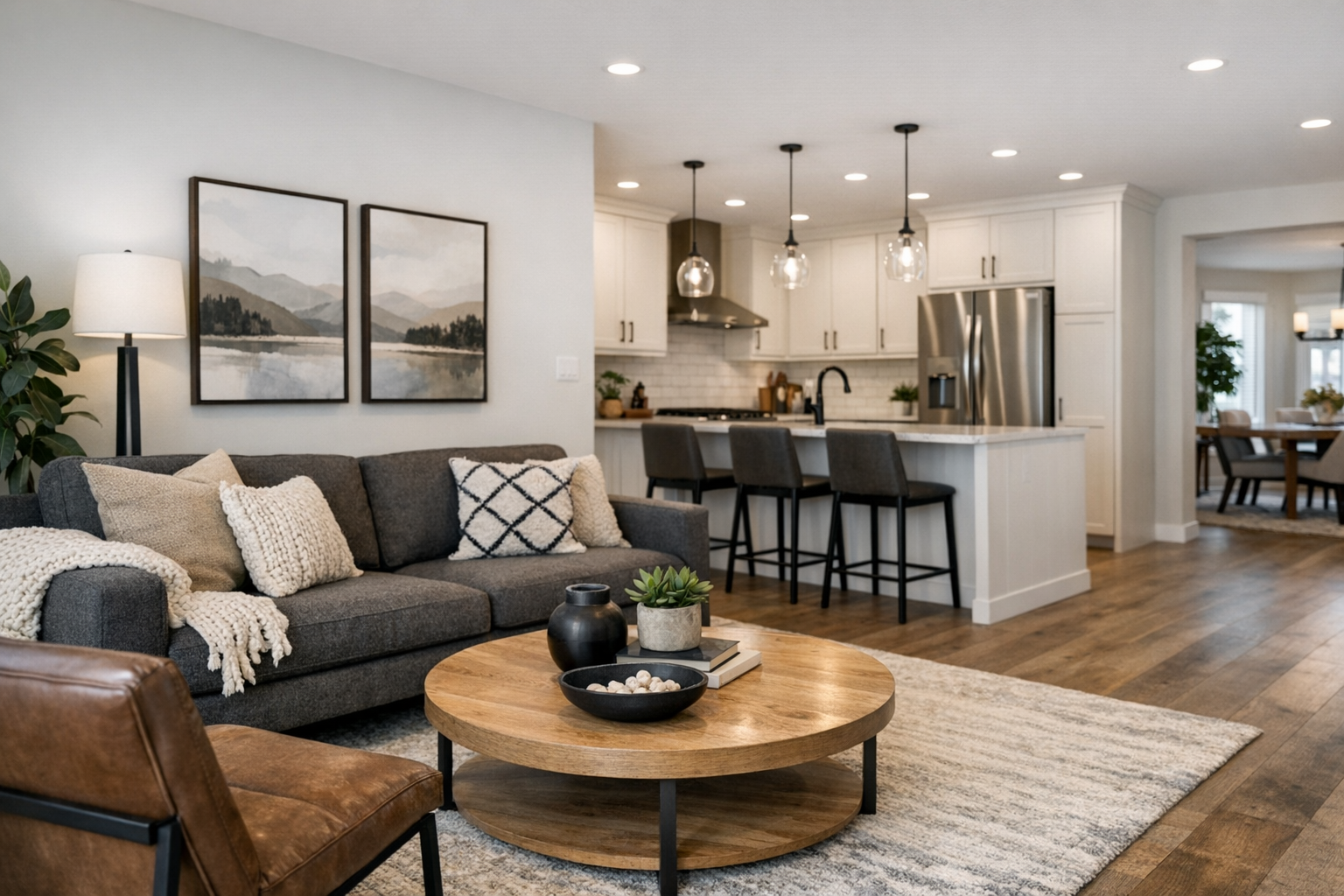
Why High-Quality Images Matter More Than Ever
Your home online is where most buyers will fall in love—or keep scrolling. Subpar images can cost you thousands in final sales price. A skilled real estate photographer will use optimal angles, drone footage, and post-processing to highlight your property’s best features: curb appeal, natural light, window treatments, and meticulously staged interior spaces.
Tools and Technologies: AI-Powered Marketing for Sellers
Choose a real estate agent who utilizes AI-driven software to optimize listing images, track buyer interest, and position your home against current local market competition. AI can enhance listing photos, add realistic virtual staging, suggest the best time for showings, and increase your home’s visibility far beyond traditional methods—helpful for both luxury and average home sellers.
Best Practices for Virtual Tours and Interactive Floorplans
- Provide immersive 3D tours or 360-degree walk-throughs—these let prospective buyers explore every square foot without setting foot on site.
- Share detailed floor plans so buyers can envision layout and personalize the space, especially key for buyers moving from out of town.
- Host virtual open houses to maximize exposure, offering flexible viewing hours and real-time Q&A with your real estate agent.
Quick Tips: Invest in a real estate photographer and AI-enhanced marketing—your home will attract buyers online, generate more interest, and support a higher sale price.
Step 7: Documents, Disclosures, and Legal Readiness
Essential Documents Every Seller Needs
Gather utility bills, receipts and warranties for repairs (especially after pre listing inspection or home inspection), permits for work done, and standard disclosures. Transparent, organized documentation reassures buyers and speeds up the close.
Navigating Local Requirements and Regional Standards
Local regulations can shift quickly. Work with a knowledgeable real estate agent or consult with property managers who know your local market’s requirements—many markets have specific forms and disclosure protocols. Failing to comply can lower your final sales price or even cause deals to fall through.
How to Avoid Common Legal Pitfalls
- Schedule a pre listing inspection to uncover repair needs and transparency issues before buyers do. Nothing derails closings faster than surprise problems uncovered during a buyer’s home inspection.
- Disclose all known material facts and repairs. Complete honesty matters—most buyers and agents will discover hidden issues, and compensation demands can exceed the cost of proactive disclosure.
- Get advice from your real estate agent or attorney for any disclosures, repair credits, or negotiation terms you’re unsure about.
Quick Tips: Disclosures aren’t optional. Most buyers will choose the transparent, well documented home—even if it’s priced a little higher than competition.
Step 8: Timing, Pricing, and Marketing Your Home
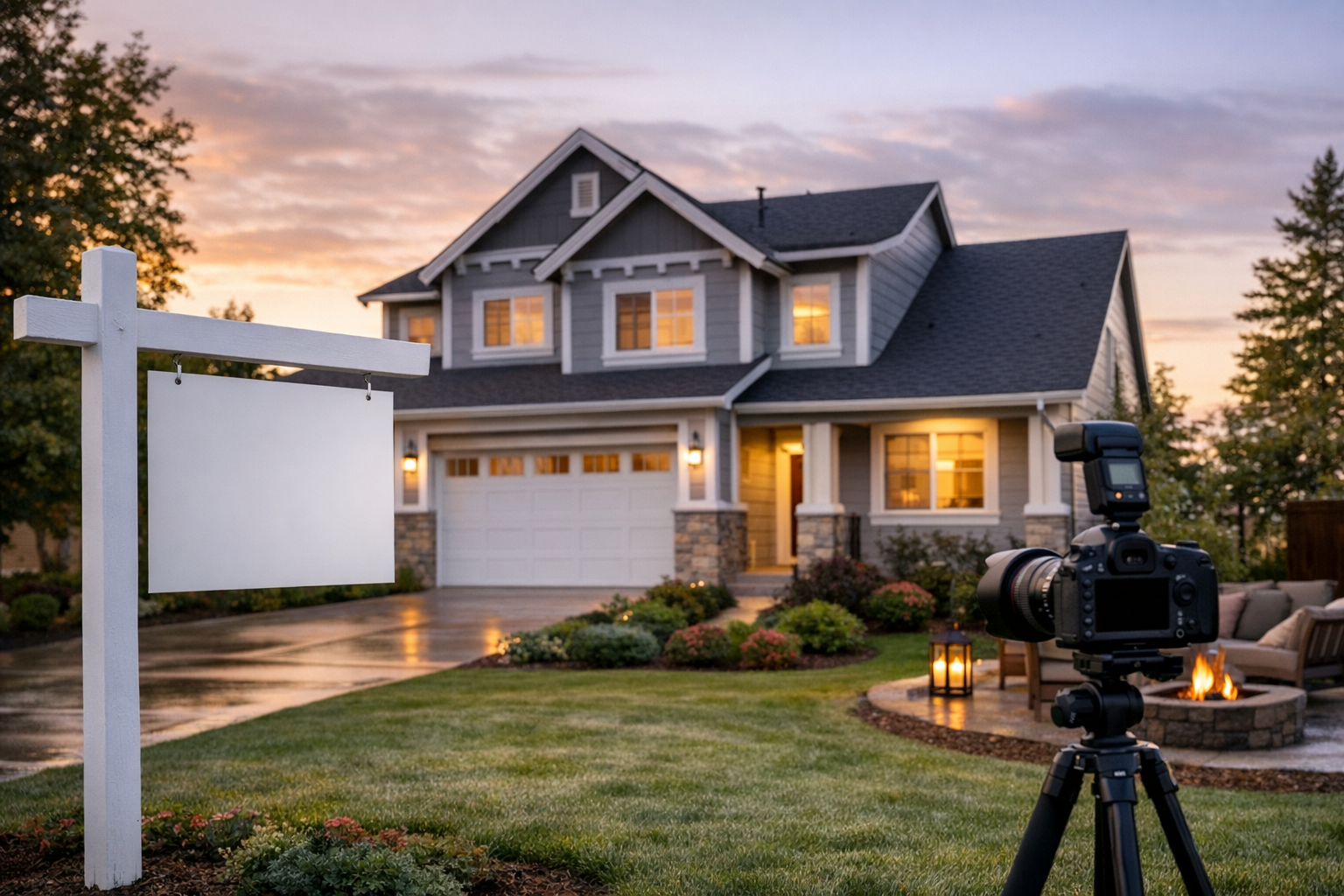
How to Set the Right Price (with Data Backing)
Work closely with a real estate agent who knows your local market intricately. Use smart pricing platforms to analyze the past few years of sales data, compare recent sale price averages in your area, and monitor buyer interest. An accurately priced, well prepared property attracts buyers quickly, lowers the odds of price reductions, and increases chances for multiple offers or bidding wars.
Coordinating Launch Strategies for Maximum Impact
Plan a launch date around local market peaks. Work with your real estate agent to time deep cleaning, professional staging, and the photographer visit—only activate your listing when your house is ready for home online traffic. This increases urgency and maximizes perceived value in buyers’ minds from the very first day on market.
What to Know About Seasonal Selling Patterns
While spring and early summer still see the highest volume, online home shopping has lessened the effect. The best timing for you depends on your local market’s cycle, school calendars, and neighborhood dynamics. Ask your agent for the latest trends to ensure a well-timed launch—to maximize your home’s sale price and minimize days on market.
Quick Tips: Data-backed pricing and thoughtful marketing mean more money, less hassle, and a smoother sale for home sellers in every market condition.
KT Rents Pro Tip: Preparing for Inspections and Showings
Making a Lasting Impression at Showings
Before every showing, achieve a spotless home: open blinds to fill rooms with natural light, clean and declutter every space, and clear the entryway and path to the front door and garage door. Air out the property to eliminate pet odors or musty smells; consider baking cookies or simmering citrus for a pleasant, neutral aroma. Minor issues, dust, or leftover clutter can make even great homes linger on the market.
How to Handle Inspection Surprises Without Derailing the Sale
If a home inspection uncovers unexpected issues, respond transparently and proactively. Offer to repair, replace, or provide credits where reasonable. Straightforward, timely communication via your real estate agent builds trust with buyers and keeps deals alive, turning a potential sale obstacle into an opportunity for reassurance.
Communication and Flexibility: Working with Buyers
Be available for showings, respond promptly to offers or questions, and demonstrate flexibility on closing timelines when possible. A cooperative attitude, especially during inspection negotiations, makes a significant difference to most buyers and increases your odds of closing at a strong sale price.
Quick Tips: Keep the home spotless and well aired, present ample empty space, and stage every room (especially primary bedroom and dining room). These are among the first thing buyers—and agents—notice at showings.
Regional Considerations: Adapting to Local Buyer Preferences

Climate-Related Home Prep
Depending on your region, prepping your home might involve drought-tolerant landscaping, hurricane-rated doors, insulated windows, or heated driveways. Regional features, when well maintained, can be leveraged to increase your home’s appeal and final sales price—consult local real estate agents who know what buyers are paying for now.
Understanding Local Trends and Disclosure Obligations
Every local market has unique features and evolving buyer demands. Study similar property sales, attend open houses, and consult top real estate agents for insights into what’s moving inventory in your area. Being up to date can help set your home apart and prevent regulatory snags that negatively affect your home’s sale price or timeline.
How to Research What Works in Your Area
- Review listings on your local MLS or property search tools—note which features and price ranges are generating sold or under contract statuses.
- Attend local open houses to observe how buyers react to staging, upgrades, and disclosures. Most buyers’ comments offer actionable insight for your own listing.
- Talk to experienced property managers and real estate agents—their current clients’ results reflect the fastest selling trends in your local market.
Quick Tips: Adjust your prep and marketing to match local expectations—it can deliver a significant difference in buyer interest, speed of sale, and sales price.
Conclusion: Selling Smarter with KT Rents
Harnessing Technology and Expertise for Maximum Sale Price
Today’s buyers expect a turnkey, digitally accessible home—your steps to prepare should reflect that. Deep clean, declutter, make minor repairs, neutralize and stage, highlight energy-efficient upgrades, utilize professional and AI-backed marketing, and comply with all local disclosure laws. With the right strategy, even the average home transforms into a must-see listing, attracting more buyers and commanding top dollar.
How KT Rents Supports You at Every Step
Whether you’re a first-time seller or a seasoned investor, KT Rents real estate agents and support staff provide industry knowledge, tech-driven listing solutions, and region-specific best practices. Our services help you present your home online at its best, advise on pre listing inspection, improve your home’s curb appeal, and fine-tune pricing for the current local market.
Next Steps: Book a Free Home Prep Consultation
Ready to maximize your home’s sale price? Contact our team for a no-obligation assessment. Let us recommend the right preparation strategy so you get more money and a faster, smoother close on your next home sale.