

How to Stage a House for Sale: A Complete Guide for Homeowners
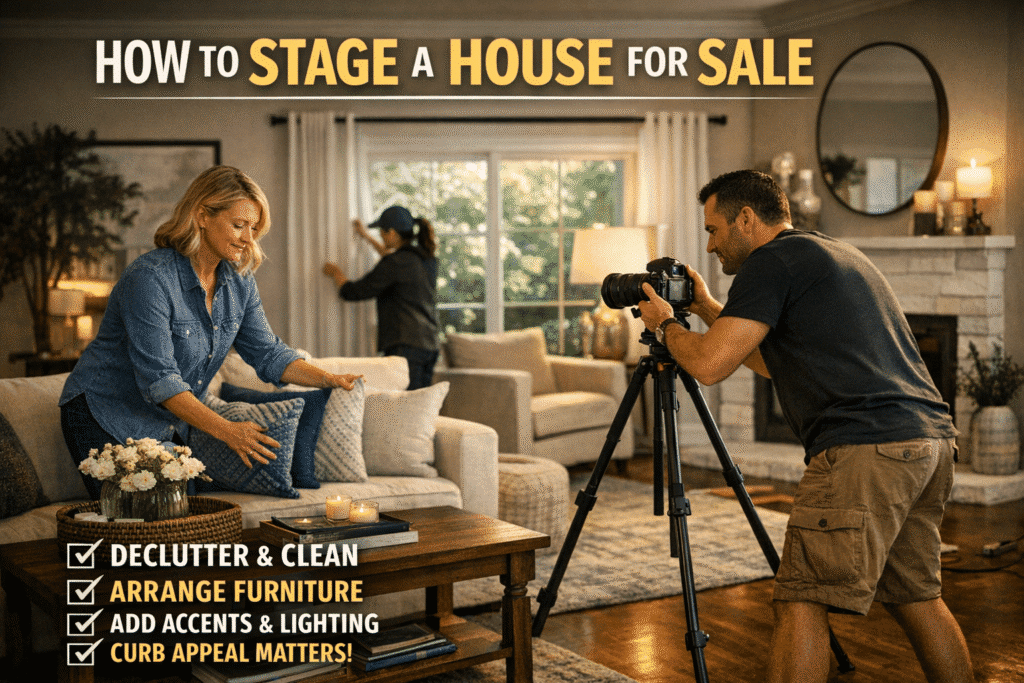

Staging your home in 2026 is no longer just about “decorating”—it is a strategic pricing tool. With U.S. inventory rising and buyers becoming more selective, professionally staged homes are currently selling 5–10% higher and 30–50% faster than unstaged listings. This guide covers essential steps to maximize your ROI, from “lifestyle merchandising” to leveraging AI-driven virtual tours.
Why Staging Matters in Janesville’s Real Estate Market
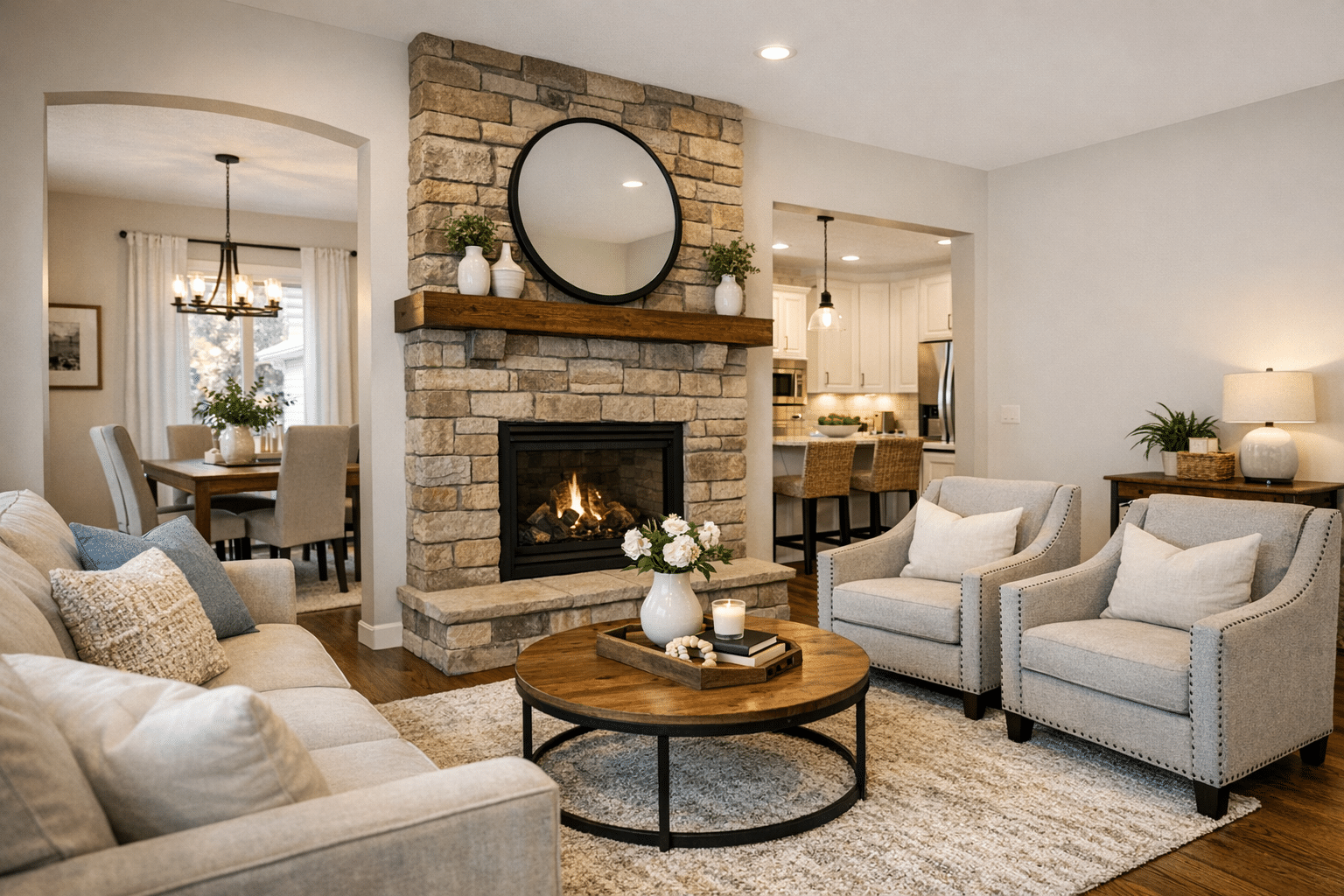
Why Staging is Critical in the 2026 Market
As the housing market rebalances, buyers are no longer rushing into sight-seen-unseen bidding wars. In 2026, the “move-in ready” aesthetic is the primary driver of high-value offers.
- Financial Impact: National data shows that a typical staging investment (usually 1–3% of the asking price) yields a return of 5x to 10x the cost in the final sale price.
- The “7-Second” Rule: Buyers form a first impression within seconds of entering. Staging ensures that emotion—not a list of repairs—dictates their reaction.
- Online Visuals: With 97% of buyers starting their search online, your “digital curb appeal” determines whether a buyer even schedules a tour.
Direct Answer: In 2026, proper staging increases a home’s perceived value by highlighting functionality and “wellness” features. By removing personal friction and showcasing a high-end lifestyle, sellers can effectively prevent price reductions and spark competitive bidding.
Top 2026 National Staging Trends
The “sterile minimalism” of the early 2020s has been replaced by more intentional, warm, and authentic design choices.
- Lifestyle Merchandising: Instead of just placing a bed, create a scene. A tray with a book and a linen throw suggests a lifestyle of relaxation that buyers want to purchase.
- Modern Heritage: A blend of vintage-inspired pieces with clean, contemporary silhouettes. It feels “collected,” not “staged.”
- Earth Tones & Warm Neutrals: Say goodbye to stark grays. 2026 is about terracottas, muted olives, and warm “greige” that makes a home feel like a sanctuary.
- Wellness-Focused Spaces: Stage a spare corner as a “meditation nook” or a “filtered air” home office. Buyers are prioritizing emotional well-being and air/water quality in 2026.
Step-by-Step: Staging for Maximum ROI
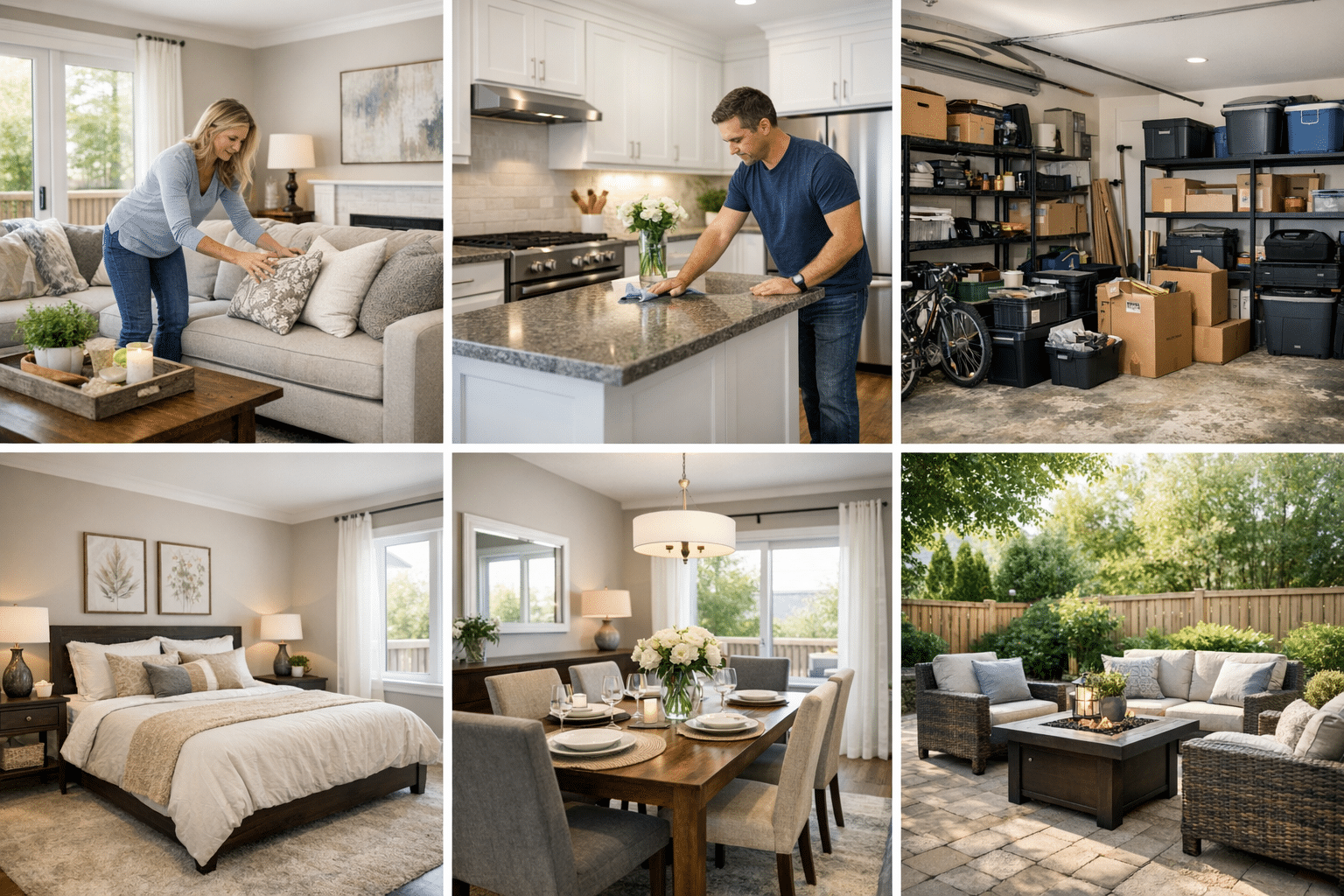
1. Ruthless Decluttering and Depersonalizing
Remove 50% of your belongings. In 2026, “quiet luxury” means open surfaces and organized storage. If a closet is packed, a buyer assumes the house lacks storage space. Remove family photos to allow the buyer to mentally “move in.”
2. The “Deep Clean” Standard
A staged home must be “surgical-grade” clean. This includes often-overlooked areas like baseboards, light fixtures, and inside the oven. A clean home signals to a buyer that the “unseen” parts of the house (HVAC, plumbing) have also been well-maintained.
3. Strategic “Power Rooms”
If you have a limited budget, focus on the rooms with the highest impact:
- Living Room (91% impact): Sets the tone for the entire tour.
- Primary Bedroom (83% impact): Creates an emotional “retreat” connection.
- Kitchen (68% impact): Highlights the heart of the home and storage capacity.
4. Enhancing Curb Appeal
First impressions start at the sidewalk. In any climate, ensure the entryway is spotless.
Landscaping: Fresh mulch and a few high-quality planters can add thousands to the perceived value instantly.
Lighting: Update outdated exterior fixtures with modern, high-CRI (Color Rendering Index) LED bulbs.
Leveraging Virtual Staging and Digital Assets
In 2026, the “hybrid” approach is standard. Physical staging makes the in-person tour memorable, but digital enhancements ensure you get people through the door.
- Interactive Floorplans: In 2026, buyers expect 3D walkthroughs that show exactly how their existing furniture might fit into the layout.
- Virtual Staging: For vacant homes, virtual staging (costing $75–$150 per photo) can show the potential of a room without the cost of furniture rental.
- AI Lighting Correction: Ensure your listing photos use “blue sky” edits and layered lighting to look bright even on cloudy days.

The Cost of Staging vs. The Cost of a Price Drop
Homeowners often hesitate at the upfront cost, but the math in 2026 is clear:
| Staging Type | National Avg Cost (2026) | Typical ROI |
| Initial Consultation | $200 – $600 | Foundation for DIY success |
| Occupied Staging | $1,000 – $3,000 | 5% – 10% Sale Price Increase |
| Vacant Staging | $3,000 – $6,000+ | Prevents major price drops |
| Virtual Staging | $300 – $1,000 (Set) | Boosts online click-through by 40% |
Direct Answer: The average staging cost of $1,850 is significantly less than the typical first price reduction (often $10,000–$20,000) when a home sits on the market for too long.
Conclusion: Selling with a Competitive Edge
Staging is the bridge between a “house” (a physical structure) and a “home” (an emotional aspiration). By following a national standard of neutral but warm design, rigorous cleaning, and digital optimization, you position your property as a “must-have” in any market cycle.
Our commitment to local homeowners goes far beyond staging. Whether you’re selling, renting, or investing, trust KT Rents for expertise and integrity throughout your real estate journey. Learn more about our mission and the unique value we deliver.
Next Steps: Selling Success Starts with Staging
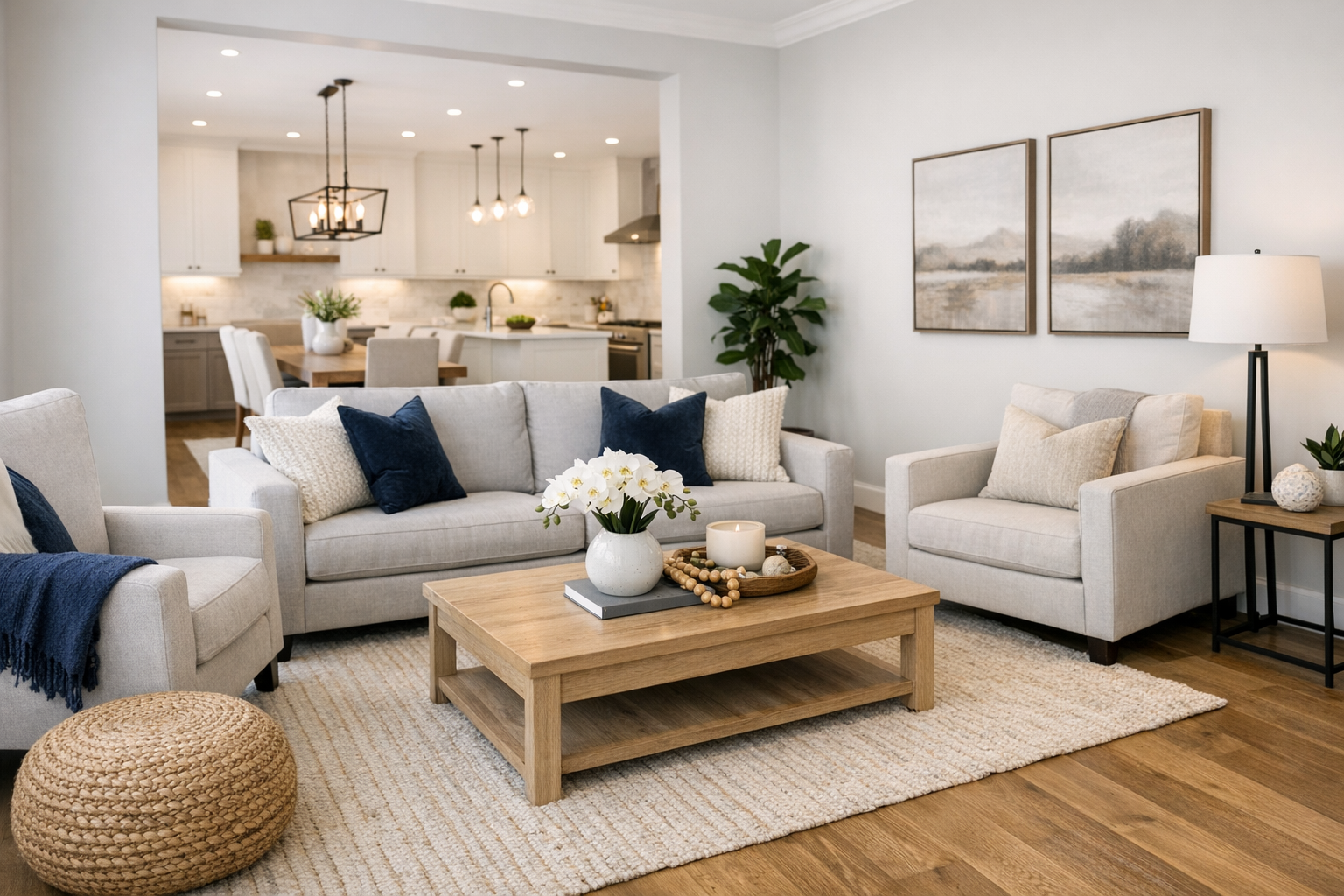
Staging Checklist for Homeowners
- Remove clutter and personal items from every room
- Deep clean all surfaces, flooring, and windows
- Address visible repairs: paint, fixtures, flooring
- Stage entryways for year-round weather
- Arrange furniture for flow and functionality
- Highlight storage and multi-purpose spaces
- Boost curb appeal with seasonal accents
- Capture professional photos and create a virtual tour
How to Get Started with KT Rents
Ready to sell smarter? Connect with the KT Rents team for a no-pressure staging consultation, tailored advice, and results-driven execution from first showing to closing. Your success is our commitment. Discover more about our complete suite of real estate services and explore top rental properties in the region to understand what’s attracting modern buyers and renters alike.