

Iowa
Rental and for-sale inventory across cities we serve in this state.
Moving to Iowa? The Ultimate 2026 Guide
Explore
Cities in this state
In 2026, Iowa’s job market is projected to grow by 3%, making it an attractive location for relocation. The median home price in Iowa is expected to remain 15% below the national average, offering affordable housing options. Iowa’s diverse regions, from urban centers like Des Moines to small towns, provide various lifestyle choices.
Moving to Iowa: Your Ultimate 2026 Guide for a Seamless Transition
2026 Economic Outlook: Why Iowa is a Smart Move
Projected Job Market Trends
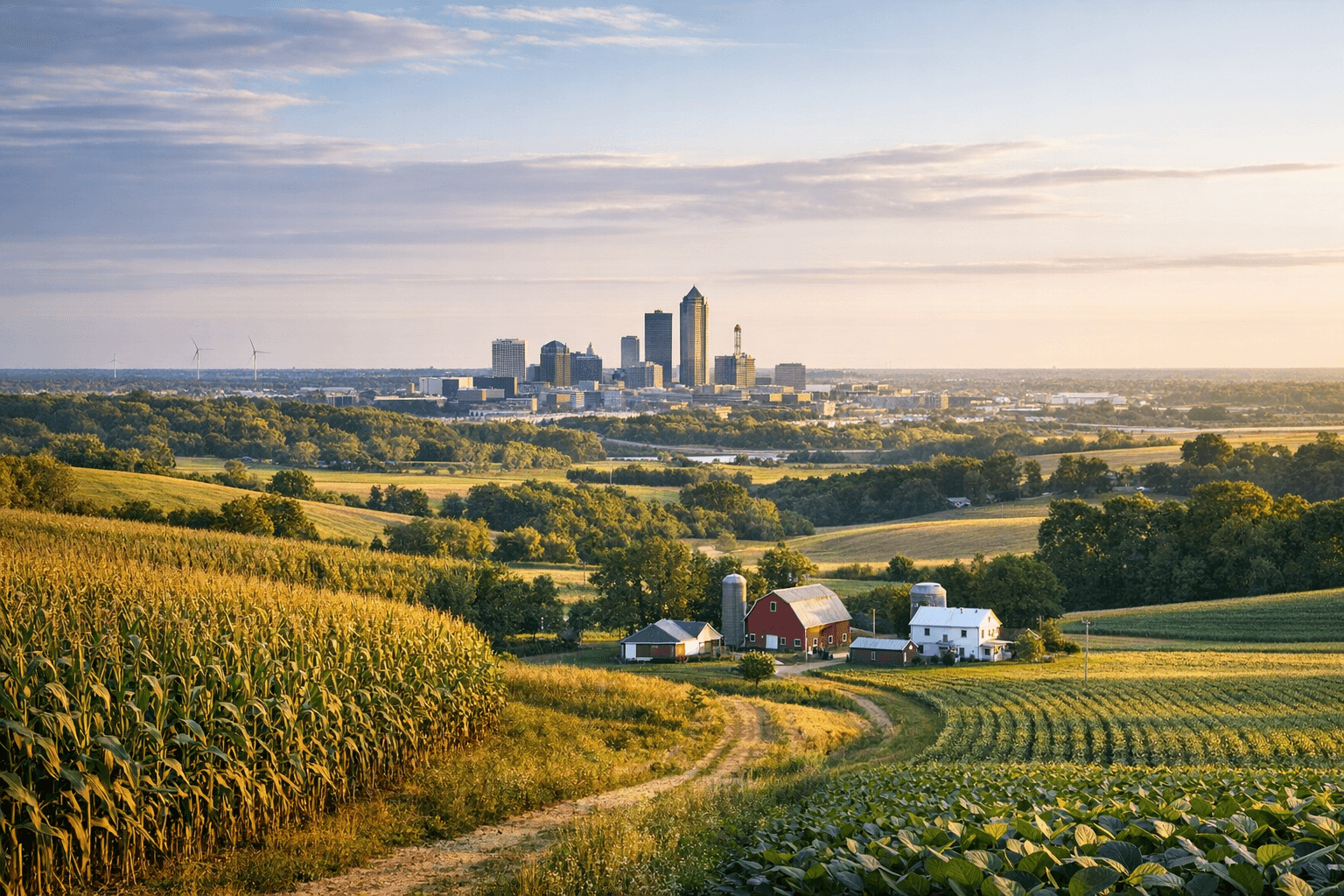
Iowa’s job market in 2026 is projected to grow by 3%, reflecting a robust increase in employment opportunities. This growth is concentrated in sectors such as healthcare and technology. With an unemployment rate expected to remain below 4%, Iowa stands out as a favorable job market compared to the national average. The healthcare sector, in particular, is buoyed by an aging population and increased demand for healthcare services. Meanwhile, the technology sector, supported by the University of Iowa’s research initiatives, continues to attract tech startups seeking a lower-cost environment than Silicon Valley. These developments make moving to Iowa a strategic choice for job seekers aiming to capitalize on emerging trends.
Cost of Living Predictions
In 2026, Iowa’s cost of living is projected to remain 10% lower than the national average. The median home price is estimated at $200,000, which is significantly more affordable than in major cities like Chicago and Minneapolis. Utility costs are also expected to be 5% lower than the national average. This affordability extends to everyday expenses, with grocery costs and transportation expenses being notably lower than in other states. The low cost of living in Iowa allows residents to enjoy a higher quality of life without the financial strain experienced in more expensive regions, making it an ideal relocation choice.
Emerging Industries in Iowa
Emerging industries in Iowa include renewable energy, biotechnology, and advanced manufacturing. By 2026, these sectors are expected to grow by 7%, providing new job opportunities. As a result, Iowa is becoming an attractive destination for professionals seeking careers in innovative fields. The state’s investment in wind energy has placed it amongst the top renewable energy producers in the nation. Additionally, biotechnology firms are actively collaborating with local universities to drive research and development, fostering a vibrant ecosystem for scientific advancement. This dynamic industrial landscape underscores Iowa’s commitment to sustainable growth and innovation.
Financial Planning for Your Iowa Relocation
Budgeting for Housing and Utilities
When planning your move to Iowa, consider that the average rent for a two-bedroom apartment is around $1,000 per month in 2026. Homeowners should budget for property taxes, which average 1.5% of the home’s value. Utility costs are estimated at $150 per month, making Iowa an affordable place to live. Understanding these costs is crucial for creating a realistic financial plan. Prospective residents can utilize online tools to compare utility rates and investigate energy-efficient home upgrades, which can offer significant savings over time and contribute to a more sustainable lifestyle.
Understanding Iowa’s Tax Structure
Iowa offers a competitive tax environment, with state income tax rates ranging from 0.33% to 8.53%. The state sales tax is 6%, with local options adding up to an additional 1%. In 2026, property taxes are expected to remain stable, offering predictability for homeowners. It is advisable to consult with a local tax advisor familiar with Iowa’s tax laws to explore potential deductions and credits. This proactive approach can optimize your tax strategy and enhance your financial standing as you settle into life in the Hawkeye State.
Financial Assistance and Incentives
Iowa offers various financial incentives for new residents, including relocation grants and tax credits for certain professions. In 2026, these incentives can provide up to $5,000 in assistance for qualifying individuals, making it easier to transition to life in the Hawkeye State. Programs like these are designed to attract skilled workers and stimulate economic growth. Potential movers should thoroughly research eligibility criteria and application processes to maximize these benefits. Engaging with local economic development agencies can also provide insights into additional support opportunities tailored to your career and relocation needs.
Exploring Iowa’s Diverse Regions: Finding Your New Home
Urban vs. Rural: Deciding the Best Fit
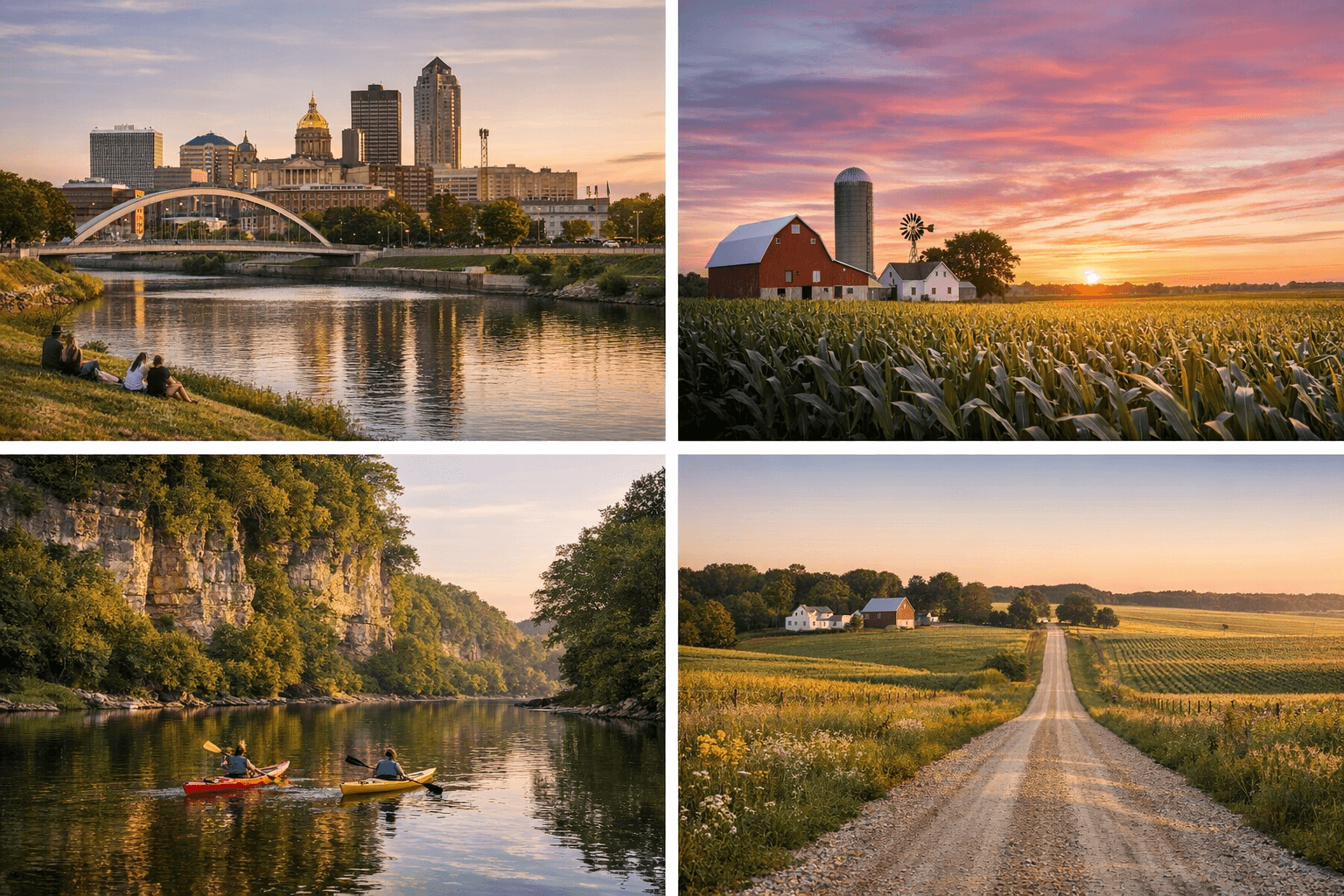
Urban areas like Des Moines and Cedar Rapids offer vibrant city life with numerous amenities. In contrast, rural regions provide a slower pace of life, with rolling hills and tight-knit communities. In 2026, 35% of Iowa’s population resides in rural areas, offering diverse living options. Prospective residents should consider their lifestyle preferences and career goals when choosing between urban and rural settings. Those who appreciate big city life may find Des Moines’ cultural scene and job market appealing, while others may value the tranquility and community spirit found in Iowa’s small towns and agricultural landscapes.
Key Features of Iowa’s Major Cities
Iowa’s major cities, such as Des Moines and Sioux City, are known for their cultural attractions and economic opportunities. Des Moines, with a population of over 215,000, is a hub for finance and insurance industries. Cedar Rapids offers a strong manufacturing base, contributing to its 2026 projected economic growth of 4%. Each city presents unique advantages, from Des Moines’ bustling downtown to Sioux City’s proximity to natural wonders like the Loess Hills. Evaluating factors such as commute times, housing options, and educational facilities can aid in selecting the city that aligns best with your aspirations and lifestyle.
Hidden Gems: Iowa’s Best Small Towns
Iowa’s small towns, such as Pella and Decorah, offer unique charm and community spirit. With populations under 10,000, these towns provide a peaceful lifestyle and access to nature’s beauty. In 2026, small towns are increasingly attracting new residents seeking affordable living and community engagement. The sense of camaraderie in these towns is palpable, with local festivals and farmers’ markets fostering strong social bonds. Exploring these hidden gems can reveal unexpected opportunities for personal growth and fulfillment, making them a viable option for those seeking a harmonious balance between work and leisure.
Navigating the Moving Process to Iowa
Choosing the Right Moving Services
Selecting a reliable moving service is crucial for a smooth transition to Iowa. In 2026, the average cost of a long-distance move to Iowa is estimated at $4,000. Researching and comparing quotes from multiple companies can help you find the best deal. It is essential to verify the credentials and reviews of potential movers to avoid common pitfalls. Additionally, understanding the logistics involved, such as the timeline for delivery and insurance coverage, can ensure a hassle-free moving experience. Engaging with moving consultants can also provide valuable guidance tailored to your specific needs.
Settling In: Essential First Steps
Upon arrival in Iowa, setting up utilities and registering your vehicle are critical first steps. The average timeline for establishing these services is two weeks. Additionally, updating your address with local authorities ensures a seamless transition into your new community. New residents should also familiarize themselves with local ordinances and community guidelines, which can vary between municipalities. Establishing connections with neighbors and participating in local events can expedite the acclimation process, helping you feel at home in your new environment.
Building Connections and Community
Engaging with local organizations and attending community events can help newcomers integrate into Iowa society. In 2026, over 60% of Iowa residents participate in community activities, highlighting the state’s strong emphasis on community involvement and social connections. Volunteering for local causes or joining interest-based groups can significantly enhance your social network. These interactions not only enrich your personal life but also contribute to a stronger, more cohesive community, fostering a sense of belonging and purpose in your new hometown.