

What Does a House for Sale Under Contract Mean? Insights & Action Steps
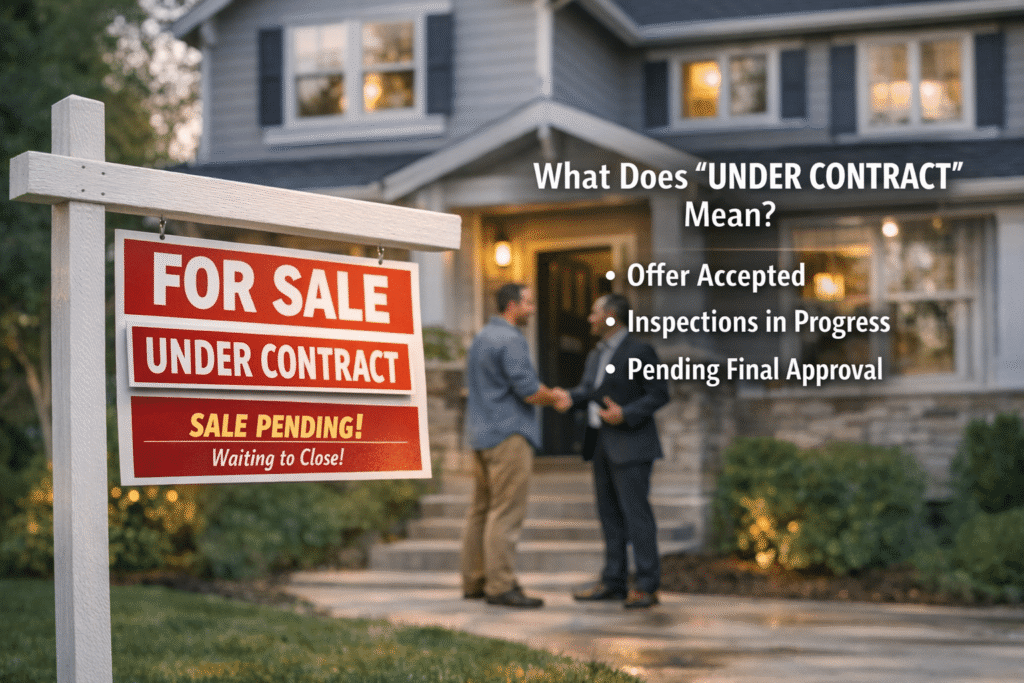

When a house is “under contract,” the seller has accepted a binding offer, but the transaction is not yet final. This period—usually lasting 30–45 days—is a critical window for fulfilling contingencies like inspections, appraisals, and financing. This guide by KT Rents breaks down the national standards for navigating this phase to ensure a successful closing.
Introduction: The Pivotal Transition
In the 2026 real estate market, “Under Contract” is the bridge between a successful negotiation and a legal transfer of deed. It is a time-sensitive phase where deadlines are absolute and “deal-killers” often hide in the fine print. Whether you are a first-time buyer or an investor, understanding this status is essential for safeguarding your equity.
Who This Guide is For
This resource is for anyone asking, “Is the house sold once it’s under contract?” (Hint: Not yet). We arm you with the practical expertise needed to manage the legal and financial hurdles that arise before you get the keys.
Key Challenges in the “Under Contract” Phase
- Contingency Management: Navigating the “Big Three”—Inspection, Appraisal, and Finance.
- Escrow Protocols: Understanding how earnest money is protected.
- Timeline Discipline: Meeting rigid contractual deadlines to avoid default.
- Backup Offers: Understanding the seller’s right to keep a “Plan B” in place.
Direct Answer: “Under contract” means a purchase agreement is signed by both parties, but the sale is conditional. The deal only closes once all “contingencies” (contractual “if-then” scenarios) are satisfied or waived.
Step 1: Navigating National MLS Statuses
While terminology can vary slightly by region, the 2026 national standards generally follow this hierarchy:
- Under Contract: A signed agreement exists, but contingencies (like a home inspection) are still active. The deal is still “vulnerable.”
- Contingent: Often used when the buyer must sell their own home first before this new purchase can proceed.
- Pending: All major contingencies have been cleared. The file has moved to “clear to close” status, and only final title work and signatures remain.
Step 2: The Critical Timeline (30–45 Day Standard)
| Phase | Action Items |
| Days 1–3 | Earnest Money: Buyer deposits “good faith” funds (typically 1–3%) into a third-party escrow account. |
| Days 5–10 | The Inspection Period: The buyer’s opportunity to uncover material defects. This is the primary window for repair negotiations. |
| Days 10–21 | Appraisal & Underwriting: The lender verifies the home’s value. If the appraisal comes in low, a “value gap” negotiation occurs. |
| Days 21–35 | Title & Disclosure: Attorneys or title companies ensure the deed is “clean” (no liens or ownership disputes). |
| Days 35–45 | Closing: Final walkthrough, signing of the HUD-1/Closing Disclosure, and transfer of funds. |
Step 3: Protecting the Deal (What NOT to Do)

Nationwide, more deals fail due to “buyer error” during the under-contract phase than any other reason.
For Buyers:
- DO NOT make large purchases (new cars, furniture on credit).
- DO NOT change jobs or switch from W2 to 1099 status mid-contract.
- DO NOT skip the final walkthrough.
For Sellers:
- DO NOT stop maintaining the property (keep the lawn mowed and utilities on).
- DO NOT make unapproved “upgrades” that weren’t in the contract.
Phase 4: What Happens if the Deal Falls Through?
If a contract collapses due to a failed contingency (e.g., the buyer’s financing was denied), the Earnest Money is typically returned to the buyer. However, if a party backs out without a legal excuse, they may forfeit those funds.
The KT Rents “Fast-Track” Recovery:
If a deal fails, our team immediately analyzes the “Why.” Was it a bad inspection? A low appraisal? We address the root cause, update disclosures, and relist with a data-driven narrative to regain market momentum instantly.