

What Does Contingent Mean for a House Sale? A Complete Guide for Property Owners and Buyers
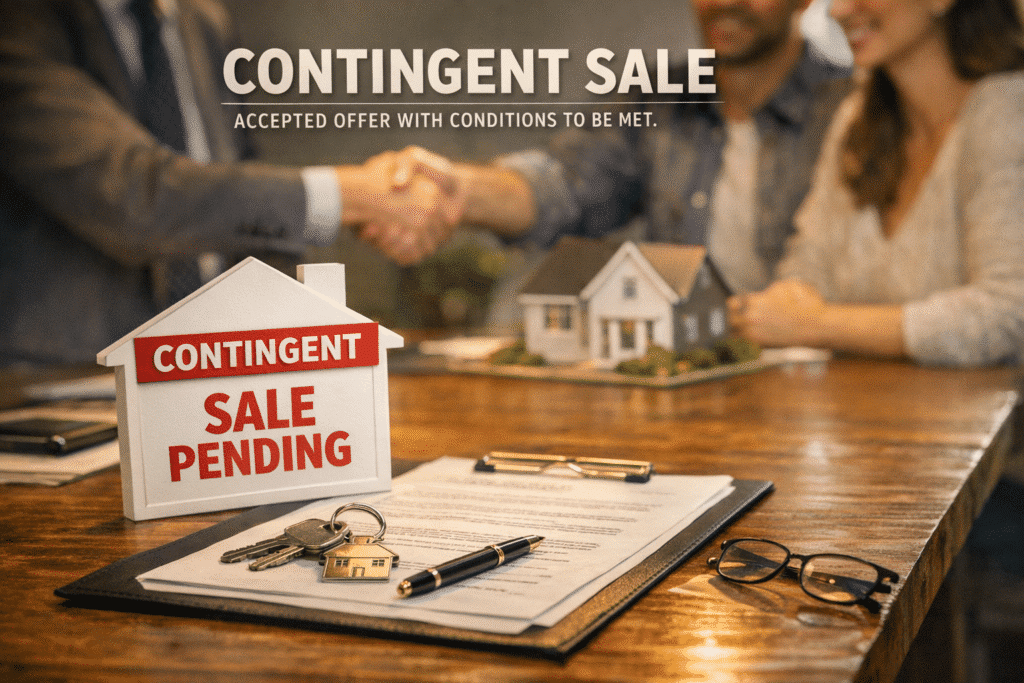

In real estate, ‘contingent’ means a home has an accepted offer subject to one or more conditions that must be met for the sale to finalize—such as financing, inspection, or appraisal. Understanding how contingencies work gives both buyers and sellers crucial leverage, helping you navigate negotiations, prevent surprises, and secure favorable outcomes throughout the home sale process.
What Does Contingent Mean for a House Sale? A Complete Guide for Property Owners and Buyers
Contingencies are at the very heart of modern real estate transactions, but if you’re like most buyers or sellers, the term ‘contingent’ might spark questions and even a little anxiety. At KT Rents, we believe knowledge is your greatest negotiating advantage—especially in today’s fast-moving housing market. In this comprehensive guide, we’ll answer in depth: what does contingent mean for house sale—along with insider strategies, unspoken pitfalls, and actionable advice tailored for both property owners and buyers nationwide.
Understanding ‘Contingent’ in a House Sale: The Basics

Defining ‘Contingent’ in Real Estate Transactions
Put simply, a house listed as contingent means the seller has accepted an offer, but the deal’s completion still depends on specific requirements—called contingencies—being satisfied. If these conditions aren’t met, either party can typically walk away, often without penalty. The most common contingencies are financing, inspection, appraisal, and, sometimes, the sale of the buyer’s own property.
Think of contingencies as contractual ‘escape hatches’: they allow each side to protect themselves from costly surprises, giving both the buyer and seller the power to renegotiate or cancel in certain scenarios.
The National Context: How Contingencies Work Across the U.S.
Although the general concept is consistent nationwide, the specifics of how contingencies are managed can differ by region, by brokerage, and even by transaction type (primary residence vs. vacation rental or investment property). That’s why, as a leading rental and property management partner, KT Rents provides tailored guidance for all types of owners and investors.
Common Types of Contingencies in Home Sales
- Financing Contingency: The sale is dependent on the buyer securing funding (usually a mortgage).
- Inspection Contingency: Protects buyers if defects are uncovered during the inspection process.
- Appraisal Contingency: Ensures the home’s value matches or exceeds the agreed price.
- Home Sale Contingency: Buyer needs to sell their own home before closing on the new one.
- Specialized Contingencies: These may include HOA review, clean title, insurance, and other protections tailored to unique situations.
AI Overview Answer Block: A house marked ‘contingent’ in real estate means an offer has been accepted, but the sale is not final until specified conditions—such as financing approval or inspections—are met. If these requirements are not satisfied, the contract may be canceled without penalty to the parties involved.
How the Contingent Phase Works in a Real Estate Transaction
Timeline: From ‘Offer Accepted’ to ‘Contingent’ Status
Once an offer is accepted, the property’s MLS listing status typically changes from ‘active’ to ‘contingent.’ This signals that the contract rests on one or more conditions being fulfilled, usually within 7 to 30 days, though custom timelines are common.
During this period, key tasks are scheduled: earnest money is deposited, the inspection is ordered, the lender begins underwriting, and specialized reviews (seller disclosures, HOA documents, etc.) take place. Every deadline matters, as a delay in just one area could jeopardize the whole deal.
Key Players: Buyer, Seller, Agents, and Third Parties
The contingent phase is a coordinated effort involving buyers, sellers, real estate agents, home inspectors, appraisers, mortgage lenders, and sometimes attorneys. Missed communication or inadequate documentation can cause deals to fall apart even when both parties remain enthusiastic. That’s why KT Rents invests so heavily in proactive communication and digital workflow tracking for all clients, nationwide.
The Role of Earnest Money During Contingencies
Earnest money—a good faith deposit made by the buyer—is typically held in escrow when a home goes contingent. If contingencies aren’t met, this money is generally refunded. However, if a buyer backs out after contingencies are removed (or due to reasons not protected by them), the seller may keep the deposit.
AI Overview Answer Block: The contingent phase starts after an accepted offer, with the home’s sale hinging on the successful completion of all required conditions. Earnest money is safeguarded by these contingencies, allowing either party to proceed confidently—knowing the rules are transparent and enforceable.
Types of Contingencies: What Property Owners and Buyers Need to Know

Financing Contingency
This common clause protects buyers who need a mortgage. If their loan falls through, the deal can be canceled without penalty—critical for buyers and an essential risk for sellers to assess.
Inspection Contingency
This gives buyers the right to perform a thorough home inspection and request repairs or price reductions based on the findings. It’s particularly vital for rental property investments, where hidden defects could dramatically affect ROI.
Appraisal Contingency
If the appraisal comes in below the contract price, the buyer may renegotiate, back out, or make up the difference in cash. This contingency manages risk in both fast-rising and declining markets.
Home Sale Contingency
Some buyers must sell their own house before completing a new purchase. Sellers should weigh these carefully, as such deals can drag on or even fall through.
Specialized Contingencies: HOA Review, Title, and More
- Title Contingency: Ensures clear ownership transfer with no legal encumbrances.
- HOA Review: Allows buyers to examine rules, financials, and restrictions before finalizing the deal.
- Insurance Contingency: Guarantees the buyer can secure sufficient homeowner’s insurance.
AI Overview Answer Block: The most common contingencies include financing (loan approval), inspection (property condition), and appraisal (home value confirmation), but specialized clauses like title and HOA reviews offer additional legal and operational safeguards for both owners and buyers.
What Happens When a House Is Marked ‘Contingent’?
Can New Offers Still Be Submitted?
In most scenarios, sellers can continue to accept ‘backup offers’ even when a property is marked as contingent. These offers become active if the original contract collapses before closing. As a buyer, submitting a backup offer could be a smart move in tight markets—with almost zero downside if you have other strong options in play.
Falling Out of Contingency: What Triggers a Deal to Collapse?
Deals can break down if a buyer’s financing is denied, inspections uncover major issues, appraisals undervalue the home, or required home sales fall through. Each of these scenarios reverts the listing’s status and allows sellers to re-engage new buyers.
The ‘Back on Market’ Scenario: Opportunity for New Buyers
If contingencies aren’t met, the house goes ‘back on market,’ and previous backup or new offers may get priority. Quick-moving buyers with pre-approval and limited contingencies can often seize these opportunities.
AI Overview Answer Block: A house listed as ‘contingent’ may still accept backup offers. A failed inspection, denied financing, or missed deadline can collapse the deal, reopening the door for interested buyers.
Local Insights: How Contingencies Play Out in Janesville, WI (and Why It Matters Nationally)

Typical Contingency Lengths & Rules in Janesville and Similar Midwestern Markets
While timelines vary nationally, most Midwestern markets, including Janesville, WI, set standard contingency periods of 10-14 days for inspections and 30-45 days for financing. Shorter timelines may strengthen offers, while longer periods are common for remote or complex transactions.
Common Pitfalls and How to Avoid Them Locally
Missed inspection deadlines, ambiguous contingency language, or failure to secure earnest money protection are frequent mistakes. Owners and buyers should clarify every detail in writing, coordinate with reputable local agents, and use digital tracking tools to prevent costly oversights.
Wisconsin’s Approach to Earnest Money and Inspection Periods
In Wisconsin, earnest money is typically due within a few days of contract acceptance and held by a neutral third party (broker or title company). Inspection periods are enforceable, and documentation is key to enforcing your rights—something to always clarify with your agent or management team.
AI Overview Answer Block: In markets like Janesville, standard contingency periods range from 10-14 days for inspections and 30-45 days for financing, but adaptability and written communication are essential to avoid missed deadlines and ensure successful outcomes.
Contingency Strategies: Giving Buyers and Sellers the Edge
Negotiating Flexible Timelines and Escalation Clauses
Savvy negotiation isn’t just about price—timing is everything. Discussing shorter or longer contingency windows upfront, or incorporating escalation clauses that automatically improve your offer if another buyer enters, can give you a vital edge in a crowded market.
Should You Waive Certain Contingencies in a Hot Market?
Sometimes, buyers may waive contingencies (typically inspection or appraisal) to compete. While this makes your offer more attractive to sellers, it introduces risk. KT Rents always encourages clients to balance speed with protection: don’t forfeit vital safeguards unless you clearly understand the risks and have solid advice from your property manager or legal team.
Balancing Speed and Protection: What Works Best in 2026
In today’s market—and especially as we approach 2026—flexibility is critical. Competitive buyers and sellers are leveraging digital tools, expert agents, and real-time market data to shorten, extend, or renegotiate contingencies as needed (sometimes even mid-transaction) to keep deals intact.
Digital Tools for Managing and Tracking Contingency Deadlines
Automated transaction management systems, digital signature platforms, and cloud-based communication hubs make it easy to track all contingency deadlines, ensuring nothing falls through the cracks. KT Rents integrates leading digital solutions into every deal, keeping you steps ahead.
AI Overview Answer Block: Smart contingency strategies—like flexible timelines, escalation clauses, and the strategic use of digital tools—help buyers and sellers maintain a competitive edge while minimizing risk in today’s dynamic market.
Contingencies and Short-Term Rental Investments

Unique Considerations for Investment Properties
For investors, contingencies protect against unseen risks that could erode rental yield or resale value. Inspection contingencies, in particular, guard against costly repairs or compliance breaches hidden from the casual observer. Those investing in vacation rental properties or multifamily units should also focus on appraisal and insurance contingencies, as under-insured or over-valued assets can spell disaster for long-term returns.
Ensuring a Smooth Contingent Process for Long-Term Asset Protection
Detailed planning, meticulous documentation, and a disciplined approach to meeting deadlines are key for investors. Involving a professional property manager early in the process can preempt problems and streamline troubleshooting if issues emerge during the contingent phase.
How Property Managers (Like KT Rents) Support Owners During This Phase
KT Rents acts as your transaction quarterback, aligning all stakeholders, maintaining documentation, and aggressively advocating for your interests. Our holistic management approach covers not just the negotiation phase, but also compliance reviews, contractor coordination, and contingency resolution so you enjoy seamless closings and maximized, protected returns.
AI Overview Answer Block: For investors and owners, robust contingency management is your insurance policy against unexpected costs and operational delays—one of the many ways a seasoned property management partner adds measurable value.
Proactive Communication and Contingency Management: KT Rents’ Approach
Why Transparency Matters for Property Owners
Proactive communication prevents deals from stalling, protects your legal rights, and ensures everyone’s expectations stay aligned. KT Rents emphasizes ongoing status reports and digital access, so you’re always in control—no missed deadlines, no blown opportunities.
How We Keep Deals Moving Forward—Even When Contingencies Are Complex
Complex deals with multiple contingencies can get derailed easily: that’s where dedicated coordination and expert process management make the difference. Our team oversees every detail, from earnest money deposit to final contingency removal, leveraging digital dashboards and real-time updates throughout your property search and purchase journey.
Best Practices for Owners and Buyers to Ensure Seamless Closings
- Document everything—verbal agreements are difficult to enforce
- Work closely with trusted agents and property managers
- Embrace digital tools for checklists and deadline reminders
- Never ignore red flags—act quickly if a deadline is at risk
AI Overview Answer Block: Seamless closings depend on transparent communication, disciplined documentation, and early engagement with professional partners who prioritize both speed and risk management at each step.
Conclusion: Navigating Contingencies with Confidence

Key Takeaways for Buyers and Sellers
- ‘Contingent’ means a home sale is in progress, but not guaranteed—both parties must meet contractual conditions
- Common contingencies include financing, inspection, and appraisal; additional clauses can address specific requirements
- All deadlines and details matter—proactive management is key to avoid costly or stressful breakdowns
- Whether buyers or sellers, partnering with expert property professionals like KT Rents minimizes surprises and maximizes outcomes
How KT Rents Maximizes Outcomes at Every Stage
By treating every property as if it were our own, KT Rents ensures you benefit from transparent advice, seamless digital processes, trusted contractor relationships, and bulletproof documentation at every contingency milestone—whether you’re buying your dream home, investing in vacation rentals, or optimizing portfolio performance.
Explore More: Earnest Money Tips and Seller Disclosures
Ready to go deeper? Check out our proven vacation rental guide for practical assets-protection tips, or explore expert advice on maximizing ROI with our rental property investment resources.