

When Is the Best Time to Vacation in Bora Bora? Your Complete 2024 Guide

Why Choosing the Right Time to Visit Bora Bora Matters
How Timing Shapes Your Experience
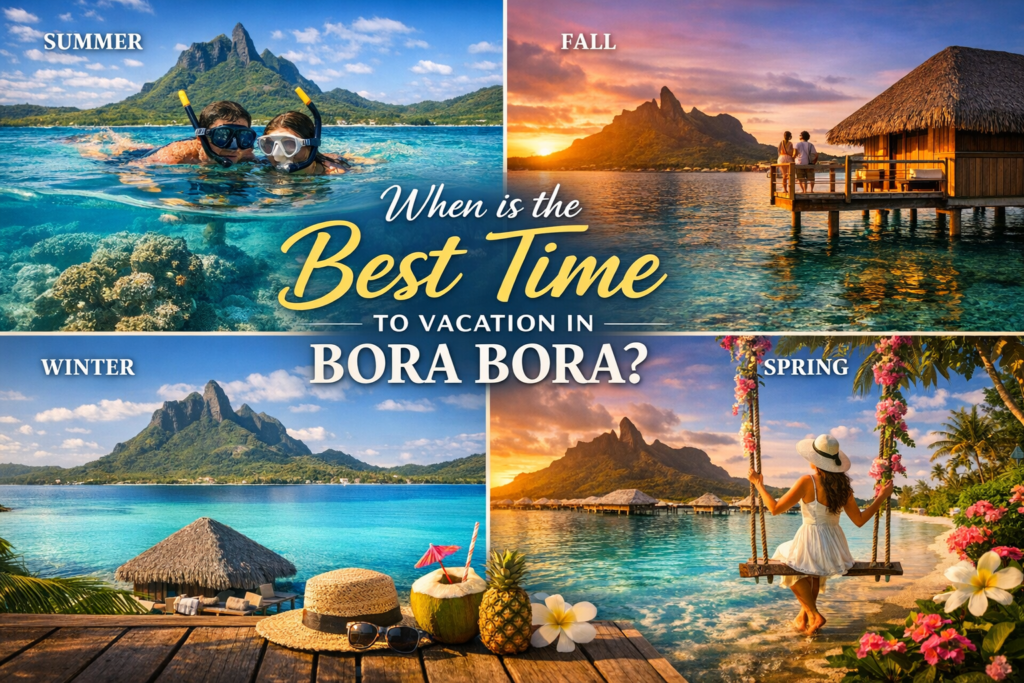
Bora Bora, part of French Polynesia’s Society Islands, is revered as a tropical paradise—famous for its turquoise lagoon, pristine white sand beaches, volcanic landscapes, and vibrant marine life. Yet, when is the best time to vacation in Bora Bora? The answer can make all the difference to your experience. The season you choose dictates not only the weather, but your trip’s overall cost, the size of crowds, and the variety of outdoor activities available.
Key Factors to Consider Beyond Weather
While warm weather and sunny skies lure most visitors, your dream getaway may hinge on factors like privacy, school holidays, international flight schedules, or opportunities for outdoor adventures like scuba diving and whale watching. Budget travelers might prioritize low season deals, while others will value ideal weather above all else. Understanding these elements is essential for planning efficiently and maximizing your investment in this once-in-a-lifetime South Pacific destination.
Personal Preferences vs. Popular Opinions
Bora Bora’s allure is universal, but the best time to visit is uniquely personal. Whether you desire vibrant social energy during high season or the serenity and fewer tourists in low and shoulder seasons, aligning your timing with your vacation goals is key.
Quick Tips:
Most visitors travel to Bora Bora during the dry season (May to October) for pleasant temperatures and low humidity, but savvy travelers consider the shoulder seasons for lower prices and fewer crowds.
Bora Bora’s Seasonal Breakdown: What to Expect
The Dry Season (May to October)
The dry season, often regarded as the high season, delivers ideal weather for island getaways: mild weather, sunny weather, trade winds that keep temperatures ranging from 70°F–82°F, and low humidity. This is when you’ll find the South Pacific at its most inviting for outdoor activities, like snorkeling, boat trips, and diving in warm waters. However, expect higher accommodation costs and more tourists due to school holidays around Europe and North America.
The Wet Season (November to April)
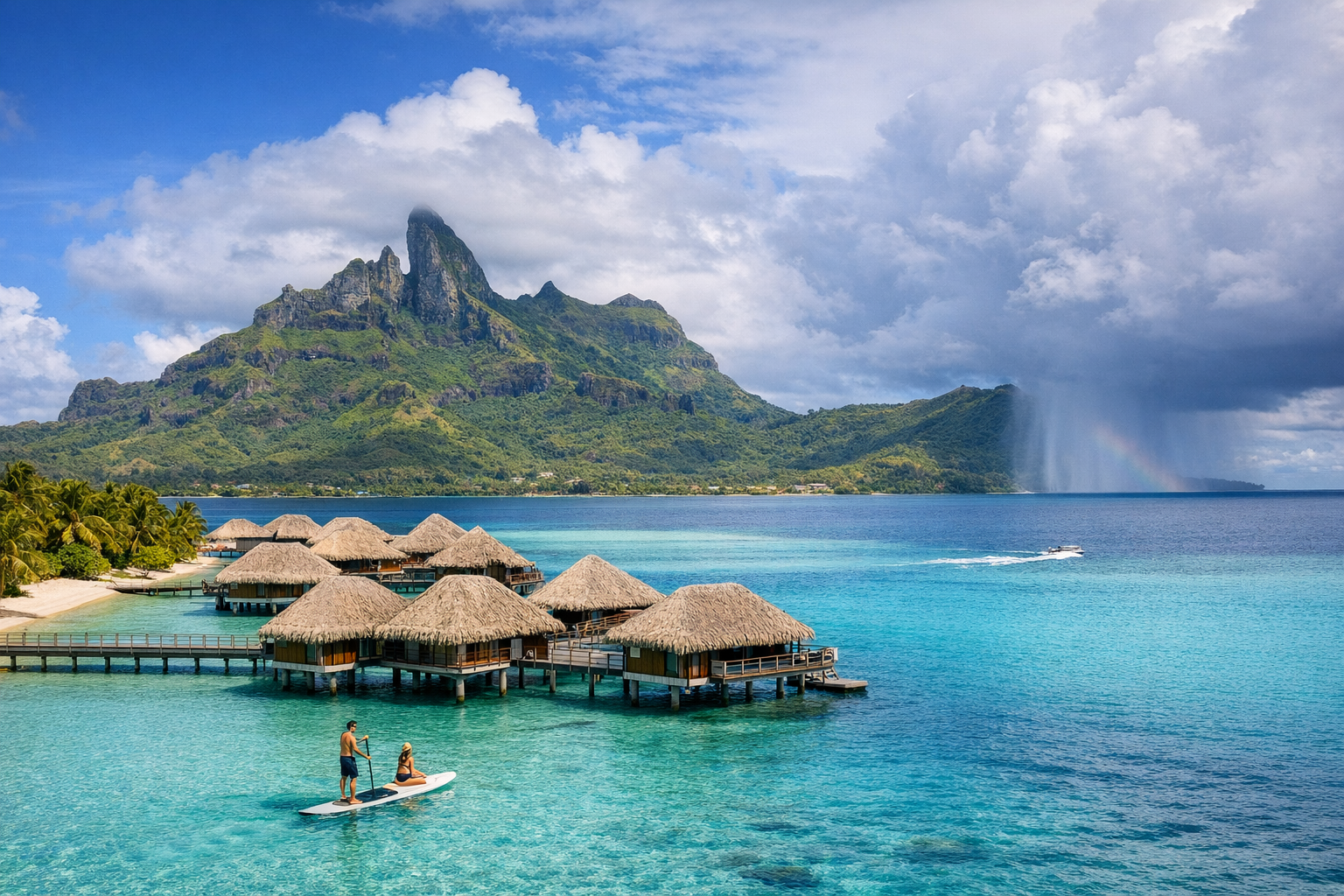
The wet (or rainy) season in Bora Bora, considered low season, brings frequent rain showers—from downpours to passing drizzles—and high humidity. Temperatures climb a bit (76°F–86°F), and the landscape becomes lush and vibrant. While some days are clouded by storms, the wet season also means fewer crowds, lower prices, and increased availability. It’s a great fit for budget-conscious travelers willing to accept more unpredictable weather. Just be aware: water clarity for scuba diving and marine life spotting may be reduced during the most humid months.
The Shoulder Seasons (April–May, October–November)
If you want the best of both worlds, consider the shoulder seasons—April, May, October, and early November. These intervals offer pleasantly warm temperatures, lower humidity, and fewer crowds, along with better value on flights and accommodations. The transition before and after the dry season gives you excellent opportunities to enjoy Bora Bora’s famed white sand beaches and legendary turquoise lagoon without jostling with most visitors.
Weather Patterns and What They Mean for Travelers
Weather in Bora Bora isn’t just sunny days—it’s about trade winds that cool the afternoons, periodic rain showers that freshen the air, and the rare tropical storm. Understanding these nuances helps travelers pick the optimal window for outdoor adventures, from snorkeling with manta rays to leisure boating.
Quick Tips:
Shoulder seasons (April–May, October–early November) deliver pleasant temperatures, fewer crowds, and increased availability at lower prices compared to high season.
Weather in Bora Bora: Climate Trends and Yearly Averages

Average Temperatures by Month
Bora Bora’s temperatures stay balmy year round, typically ranging between 70°F (21°C) and 86°F (30°C). During the dry season, you’ll enjoy highs in the upper 70s to low 80s, while the wet season brings marginally warmer evenings and more humidity. April and November are transitional, offering mild weather close to perfect for nearly all outdoor activities.
Rainfall and Humidity Insights
Rainfall peaks from December to March, with January being one of the most humid months. The dry season is characterized by low humidity, brief rain showers (if any), and reliably clear skies. Keep in mind, rain showers are typically short-lived and often occur late afternoon or at night—rarely canceling your day’s plans altogether.
How Climate Data Can Influence Your Stay
Knowing when even a short rain shower might hit helps you plan excursions like whale watching or a day on the lagoon. Lower humidity is ideal for hiking or exploring volcanic landscapes, while warm waters year round keep swimming and snorkeling inviting.
Quick Tips:
Even during the wet season, Bora Bora experiences more sunshine than you might expect—making it a viable destination for outdoor activities twelve months of the year.
Tourism Seasons: Crowds, Availability, and Quiet Times
Peak Season Pros and Cons
The high season (June through October) attracts the greatest influx of international flights, families enjoying school holidays, and couples in search of the quintessential honeymoon. The upshot: lively resort atmospheres, packed excursions, and higher prices. Booking your rental property in advance is essential.
Off-Season Advantages
The low season (December to March) welcomes travelers seeking fewer crowds, peaceful settings, and lower prices. While occasional tropical downpours can occur, off-season reveals a relaxed, authentic vibe—a time when locals reclaim the beaches. If you enjoy the lush green of the wet season and don’t mind unpredictable rain showers, this period can be surprisingly rewarding.
Best Months for Privacy and Relaxation
For year round privacy and balance, aim for early December or late October—when most tourists have left, but warm temperatures and good weather persist. These brief shoulder periods offer serenity on pristine beaches, unhindered access to boat trips, and significant savings for budget travelers.
Booking Strategies for Each Season
In high season, secure your spot six months in advance. For low or shoulder season trips, last-minute deals are sometimes available, so monitor property listing platforms and consult vacation rental experts for the latest offers in the Society Islands. Consider browsing our dedicated Bora Bora travel guide for insider accommodation tips and seasonal activity insights.
Quick Tips:
Book several months ahead for summer and holiday visits; in shoulder or low season, remain flexible to secure better deals and preferred villas.
Travel Costs in Bora Bora by Season

Accommodation and Flight Pricing Trends
High season drives up costs for even basic lodgings, villas, and international flights. Expect prices to surge during July, August, and the Christmas–New Year period—prime time for most visitors. Conversely, lower prices dominate the rainy season, and snagging a deal on that dream overwater bungalow is much more likely when there are fewer tourists.
How to Maximize Value for Your Budget
Shoulder seasons stand out for budget travelers, delivering exceptional value and pleasant temperatures. Maximize savings by booking during these months, leveraging off-peak airline promotions, and consulting local property managers intimately familiar with the newest price drops and special offers.
Tips for Securing the Best Deals
Use tools to compare flight rates by month. Consider trusted vacation rental management services, such as those highlighted in our rental property investments resource, for expert-level negotiation and local insights.
Quick Tips:
Traveling in April–May or October–early December often nets you the best mix of value, availability, and weather.
Activities and Events: What’s Best When?
Water Sports, Excursions, and Island Adventures
Bora Bora’s signature experiences revolve around its warm waters and marine life. Year-round, you’ll find great snorkeling and scuba diving, but the driest months offer the clearest conditions for spotting manta rays, colorful reefs, and other marine wonders. July to October is peak whale watching season for humpback whale sightings. Kayaking, paddleboarding, and island hikes are available year round, but are most comfortable in low-humidity months.
Signature Festivals and Cultural Events
Expect vibrant Polynesian festivals in July and August, coinciding with Bastille Day and Heiva I Bora Bora—one of the largest cultural celebrations in the region. Booking ahead is crucial if you seek these immersive events, as accommodations fill fast.
Best Times for Snorkeling, Diving, and Exploring Nature
The shoulder months (April, May, October, November) provide warm waters, excellent visibility, fewer crowds, and lower prices for gear rentals and excursions. For outdoor adventures like hiking volcanic landscapes or enjoying a boat trip, the dry season and its trade winds ensure comfort and safety.
Quick Tips:
For whale watching, visit between July and October; for the clearest diving and snorkeling, pick May, June, or September.
How Climate Change Is Reshaping Bora Bora’s Best Travel Windows

Recent Shifts in Rainfall and Temperature Patterns
Recent years have brought more unpredictable weather, with rain showers or storms possible even outside the traditional wet season. Observed climate change impacts include rising ocean temperatures and slight increases in overall humidity during certain months, altering the timing of both the dry season and wet season boundaries.
Potential Impact on Marine Life and Coral Reefs
Warm waters and shifting rainfall affect not just travelers, but also the vibrant aquatic world of Bora Bora. Warmer seasons can sometimes reduce marine biodiversity visibility, while unpredictable storms may impact the clarity of the lagoon. Responsible diving practices and respect for protected zones are now more important than ever.
Navigating Unpredictable Weather as a Traveler
Staying flexible with trip dates, packing for both sunny and rainy days, and following real-time weather monitoring apps is highly recommended. Consider specialty travel insurance that covers unexpected tropical storms—especially during the wet season.
Quick Tips:
Rely on up-to-date climate trends rather than fixed historic calendars; eco-conscious travel choices can help preserve Bora Bora’s beauty.
Sustainable Tourism: Responsible Timing for Your Bora Bora Vacation
Understanding Off-Peak and Eco-Friendly Travel
Traveling during the low and shoulder seasons helps distribute tourism’s impact more evenly, supporting both local economies and less strain on natural resources. Responsible travelers prioritize booking eco-certified properties, reducing their footprint, and joining conservation-focused tours.
Supporting Conservation and Local Initiatives
Participate in regional sustainability projects—such as reef cleanups or responsible whale watching—and respect wildlife regulations during outdoor activities. Your choice of timing and providers can be a direct investment into Bora Bora’s future as a tropical paradise.
Timing Your Trip for Positive Impact
Choosing times with fewer crowds makes your vacation feel more authentic, gives you access to local culture, and helps preserve the pristine beaches and coral reefs for future generations. For more responsible travel tips, consult our comprehensive vacation rental guide.
Quick Tips:
For sustainable travel, favor shoulder or off-peak months and favor local businesses invested in marine and cultural conservation.
Insider Tips for Booking Your Bora Bora Getaway

How Far in Advance to Plan
Given Bora Bora’s status as a top vacation spot in the world, demand for overwater bungalows and villas is year round—but so is availability if you know when and where to look. For high season, secure your stay 6-12 months in advance; for low season, flexible travelers may find deals even a month before arrival.
Leveraging Local Expertise and Property Management Insights
Property managers and island specialists offer unique advantages: local rate intel, firsthand weather knowledge, and often exclusive rental options not widely advertised. Explore our specialist property management advice via the KT Rents property management services hub for expert guidance before you book.
Internal Links: [See Our Full Property Management Services], [Top Tips for First-Time Island Visitors]
- For an end-to-end breakdown of how to plan your dream escape, explore our feature on the top vacation spots worldwide.
- Our Bora Bora tour guide provides up-to-date activity calendars, exclusive rental tips, and traveler insights tailored for 2024.
Quick Tips:
Leverage local expertise and plan early for high-demand seasons; direct booking with seasoned property managers can unlock hidden gems and special rates.
Conclusion: Finding Your Perfect Time to Vacation in Bora Bora
Recap: Aligning Timing With Your Ideal Experience
The best time to vacation in Bora Bora is determined by your personal priorities: chase idyllic weather during the dry season, plan for privacy and lower prices in the low and shoulder seasons, or explore responsible travel options for a sustainable impact. Each season brings unique rhythms to this island paradise, so weigh your must-haves—whether they’re outdoor adventures, cultural events, or simple tranquility.
Final Thoughts from the KT Rents Team
At KT Rents, we believe informed planning makes all the difference. No matter when you choose to visit Bora Bora, understanding the interplay of weather, crowds, and local dynamics ensures a seamless, rewarding trip—whether you’re a first-time island explorer or seasoned traveler. Ready to make the leap? Explore more destinations, rental properties, and travel insights on KT Rents for a perfectly timed island escape.