
What Maintenance Issues Should Landlords Never Ignore?


Rental property maintenance is one of the most important parts of protecting your investment, your tenants, and your long-term returns. A small issue inside a rental unit can quickly turn into property damage, tenant dissatisfaction, unpaid rent, court costs, attorney’s fees, and strained landlord-tenant relationships. Many property owners ask, “What maintenance issues should landlords never ignore?” The answer comes down to any condition that affects health and safety, habitability, security, plumbing, electrical systems, structural integrity, or the overall condition of a rental unit.
For landlords, the key is knowing which repair concerns can wait and which repair conditions require fast action. Cosmetic updates may be scheduled later, but issues involving health and safety, water leaks, mold, faulty heating, hot water, electrical hazards, pest control, security, and structural damage should never be ignored.
Why Landlords Should Take Maintenance Issues Seriously
Maintenance is not just about keeping a property looking nice. It helps protect the rental property, reduce emergency repair costs, and preserve trust between landlords and tenants. When landlords delay necessary repairs, tenants may begin requesting repairs formally through written notice or a written request.
Small Problems Can Become Expensive Repairs
Small leaks, roof damage, water intrusion, and faulty heating can become major problems. If a landlord fails to make the repairs within a reasonable time, tenants may look into repair remedies, withhold rent, or use a repair and deduct remedy where legally allowed.
Maintenance Impacts Tenant Satisfaction
Responsive repair service improves landlord-tenant relationships. When tenants report repairs needed and landlords respond in good faith, tenants are more likely to pay rent on time, renew the lease, and care for the property.
Some Repairs Affect Habitability
Texas law and many local building rules recognize a landlord’s duty to maintain safe and livable housing. The law requires landlords to address serious repair conditions that affect health and safety. In subsidized housing, repair obligations may also be tied to inspection standards.
Water Leaks and Moisture Intrusion

Water leaks should always be taken seriously. Small leaks under sinks, around toilets, behind appliances, or near the water heater can cause significant damage if ignored.
Common Warning Signs
Tenants may report ceiling stains, dripping pipes, warped flooring, bubbling paint, musty smells, or moisture around windows. Any written request about water should be documented immediately.
Why Water Problems Cannot Wait
Water can damage drywall, flooring, cabinets, wiring, and framing. It can also create mold and repair damage caused by delayed action. In most cases, landlords should investigate quickly and fix the source before the issue spreads.
What Landlords Should Do
Landlords should stop the water source, contact a licensed plumber when needed, dry the affected rental unit, and document the repair. If tenants are requesting repairs, respond in writing and keep records of the notice, request, inspection, and completion.
Mold, Mildew, and Musty Odors
Mold should never be treated as a simple cleaning issue. It usually means the rental unit has moisture, poor ventilation, or recurring issues that need repair.
Mold Is Often a Symptom
If landlords clean mold but fail to fix the leak or humidity problem, the mold may return. Tenants may then send a written notice, contact the Austin Tenants Council, or ask about tenants’ rights.
Why Mold Matters
Mold can affect health and safety, especially for a child, older adult, or family member with asthma or allergies. It can also lead to tenant dissatisfaction, court claims, and requests for reasonable attorney’s fees if the tenant wins.
When to Bring in a Professional
Professional help may be needed when mold is widespread, returns repeatedly, follows roof damage, or appears near cooling systems. Landlords should make the repairs within a reasonable time and document every step.
Electrical Problems
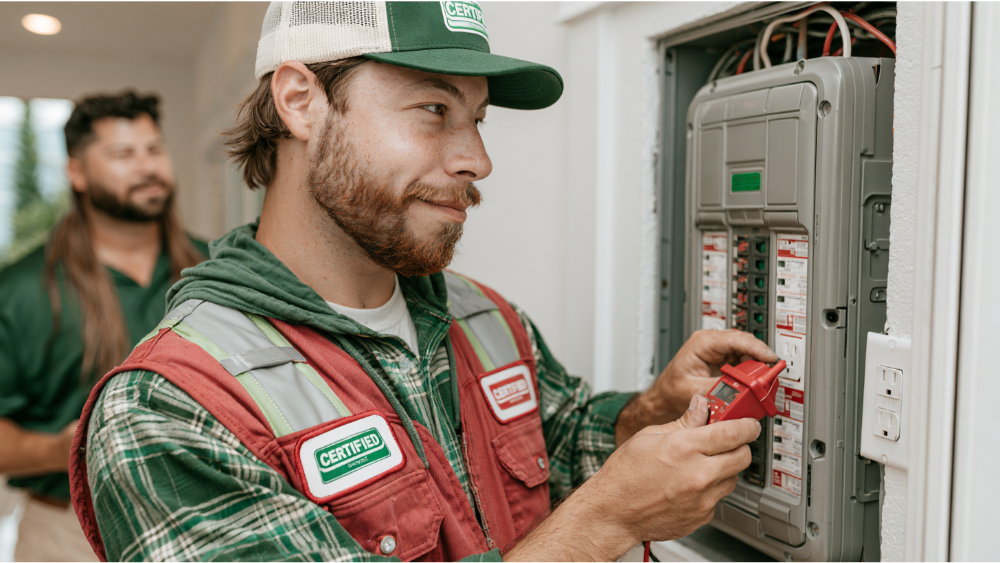
Electrical problems are urgent because they can create fire hazards, bodily injury, and significant damage.
Red Flags to Watch For
Tenants may report flickering lights, tripped breakers, warm outlets, sparks, burning smells, buzzing sounds, exposed wiring, or power failure in part of the rental unit.
Why Electrical Issues Are High Priority
Electrical repair should not be handled casually. Landlords are responsible for hiring qualified professionals and making sure the property is safe. Smoke detectors should also be checked during inspections.
Best Practice
Keep written records, respond to each repair request, and make the repairs promptly. If landlords ignore electrical issues, tenants may seek repair remedies, contact the Austin Tenants Council, or file in justice court.
Heating, Cooling, and Ventilation Failures
Faulty heating is one of the most serious maintenance problems, especially during colder months. Cooling systems can also be critical in hot climates and short-term rental properties.
Heating Problems
If a rental unit has no safe heat, landlords should treat the issue as urgent. A tenant may withhold rent improperly out of frustration, but the better approach is for landlords to respond before the dispute escalates.
Cooling Problems
Cooling systems affect comfort, reviews, and safety. For vacation rentals, failure to fix air conditioning can lead to refund requests and poor guest experiences.
Preventive Maintenance
Change filters, inspect equipment, clean vents, and respond quickly when tenants report weak airflow or uneven temperatures. Preventive maintenance helps landlords avoid major problems and protect rent income.
Plumbing Backups and Sewage Issues
Plumbing problems can quickly affect sanitation and health and safety.
Issues That Need Immediate Attention
Landlords should never delay repair for sewage backups, overflowing toilets, burst pipes, no running water, no hot water, water heater leaks, or strong sewer odors.
Why These Repairs Cannot Wait
Plumbing failure can cause property damage, mold, tenant displacement, and emergency court disputes. Tenants may send written notice by certified mail if the landlord fails to respond.
How Property Management Helps
KT Rents helps coordinate repair vendors, communicate with tenants, track the written request, confirm completion, and help protect landlords from court costs and attorney’s fees.
Pest Infestations
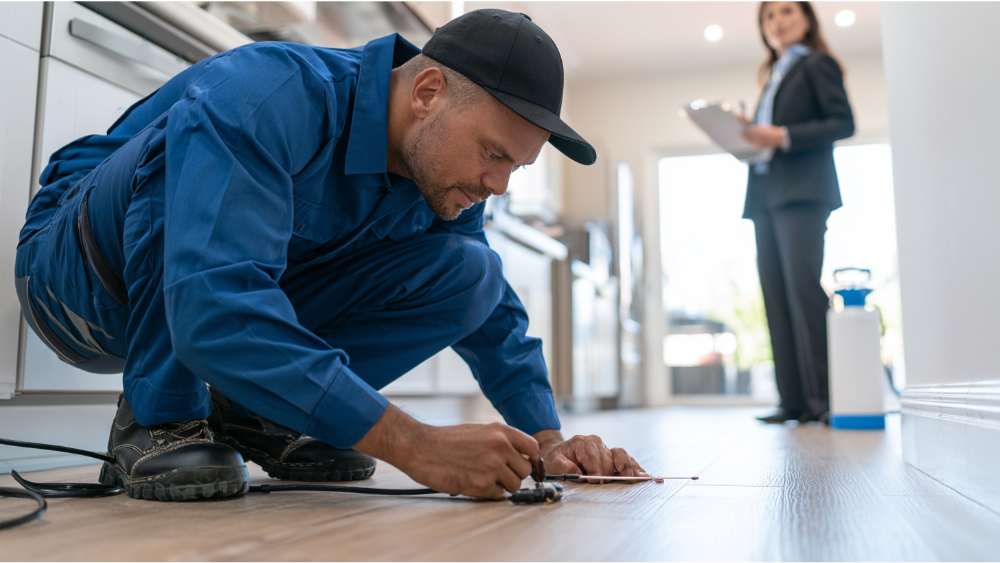
Pest control should be handled early because infestations can spread quickly through a rental property.
Common Rental Property Pest Issues
Common issues include cockroaches, rodents, bed bugs, ants, fleas, termites, and wasps.
Why Pests Spread Quickly
Pests often point to gaps, moisture, trash problems, or structural openings. Tenants may report the issue verbally first, then send written notice if landlords do not act.
Prevention and Response
Landlords should seal entry points, schedule pest control, address moisture, and keep records. The Austin Tenants Council often advises tenants to document repair requests, so landlords should also document the response.
Roof, Foundation, and Structural Damage
Structural damage can affect the safety and value of the property.
Warning Signs
Landlords should act on sagging ceilings, cracks, bowed walls, uneven floors, missing shingles, basement water, damaged decks, or doors and windows that no longer close.
Why Structural Issues Are Serious
These issues can create safety risks, insurance concerns, local building violations, and expensive repair work. Delayed repair can also lead to significant damage.
When to Inspect
Inspect after storms, before a lease begins, during turnover, and when tenants report concerns. Early inspections help landlords fix major problems before tenants pursue court action.
Smoke Alarm and Carbon Monoxide Alarm Problems
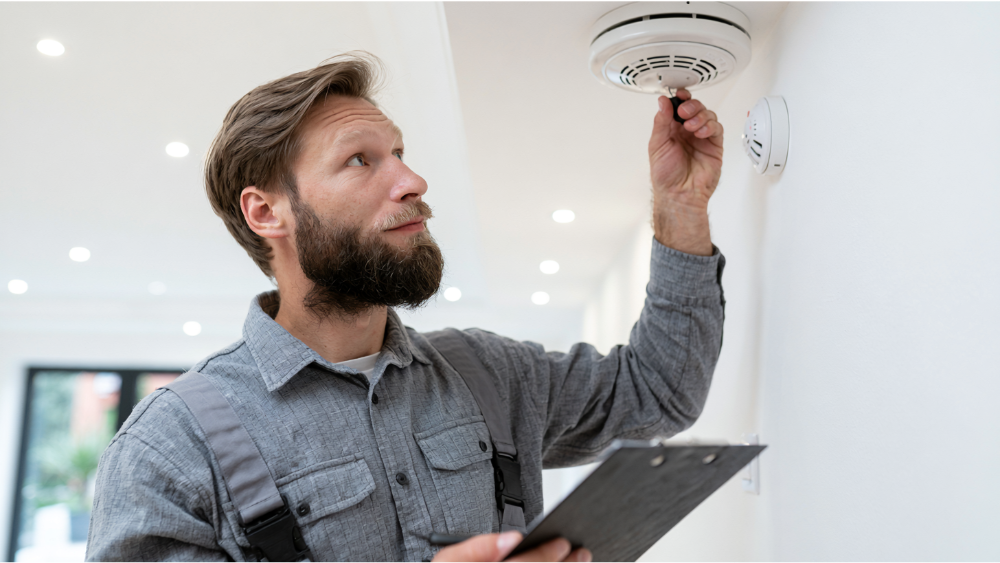
Life safety systems should always work properly.
What Landlords Should Check
Landlords should check placement, batteries, expiration dates, and tenant reports of beeping or malfunctioning alarms.
Why This Is Non-Negotiable
Alarm failure can put tenants at risk and create legal exposure. These repairs are legally required in many areas.
Best Practice
Test alarms at move-in, turnover, and routine inspection. Keep records in case a tenant later claims the landlord did not make the repairs.
Broken Locks, Doors, Windows, and Security Features
Security issues affect tenant confidence and the safety of the rental unit.
Common Security Issues
Broken exterior locks, damaged doors, windows that will not latch, broken gates, poor lighting, and malfunctioning garage doors should be handled quickly.
Why Security Repairs Matter
Landlords are responsible for reasonable security repair where required by the lease or law. If tenants feel unsafe, they may withhold rent, contact the Austin Tenants Council, or pursue small claims court.
Short-Term Rental Consideration
For short-term rentals, security failure can affect reviews, bookings, and income. Fast repair helps protect the owner and the guest experience.
Fire Hazards and Appliance Safety Issues
Appliance and fire hazards should never be ignored.
Issues Landlords Should Not Delay
Gas smells, broken stoves, clogged dryer vents, damaged cords, smoking appliances, fireplace problems, and overloaded outlets need quick attention.
Why Appliance Maintenance Matters
Safe appliances reduce repair costs, improve tenant satisfaction, and protect tenants from injury.
Best Practice
Document service history, respond to each report, and make the repairs using qualified vendors.
Trip Hazards, Stairs, Railings, and Exterior Safety Issues
Exterior safety is part of protecting tenants and the property.
Common Hazards
Loose railings, broken stairs, cracked pavement, poor lighting, rotten deck boards, and loose balcony rails should be repaired quickly.
Why These Repairs Are Important
These issues can lead to injury claims, court costs, attorney’s fees, and security deposit disputes if damage is blamed on tenant use.
When Should a Landlord Treat Maintenance as an Emergency?
Emergency repair issues include flooding, sewage backup, gas smells, sparks, no heat in unsafe weather, broken locks, carbon monoxide alerts, fire damage, major roof leaks, and unsafe structural conditions.
Emergency Maintenance Examples
If the issue affects health and safety, landlords should not wait. A reasonable amount of delay may depend on the situation, but emergency conditions require urgent action.
Important but Non-Emergency Repairs
Minor cosmetic damage, small drywall patches, slow single-drain clogs, and non-essential appliance concerns may be scheduled, but landlords should still respond to the request.
Repair Rights, Rent, and Documentation
When tenants believe landlords are not making necessary repairs, they may research tenants’ rights through the Austin Tenants Council or other local resources. In Texas law, tenants generally should not simply withhold rent without following the proper process. A tenant withholds rent at their own risk if the law does not allow it.
Tenants often need to give written notice, and in some cases certified mail, before using repair remedies. If the landlord fails to make the repairs within a reasonable time, a tenant may seek help in justice court or small claims court. Depending on the case, the court may consider court costs, reasonable attorney’s fees, one month’s rent, unpaid rent, and whether the tenant continued to pay rent as required.
A repair and deduct remedy may be available only when legally required steps are followed. The deduct remedy may be limited to one month’s rent or another reasonable amount under the law. If the tenant wins, the court may award repair costs, court costs, attorney’s fees, and reasonable attorney’s fees. If the tenant loses, the tenant may still owe rent, unpaid rent, court costs, and possibly attorney’s fees.
If a tenant withholds rent, both parties should review the lease, applicable law, and all written notice records. In many situations, repair remedies require specific steps before a tenant can legally withhold rent. If the dispute reaches court, the outcome may depend on whether the landlord acted in good faith, whether necessary repairs were completed within a reasonable time, and whether the tenant followed proper procedures.
Because landlord-tenant law can be specific, landlords should keep every lease, notice, request, repair invoice, and communication. Good faith documentation helps show that the landlord responded within a reasonable time and worked to fix the issue.
How Proactive Property Management Helps Prevent Major Repairs

Proactive management helps landlords avoid repair disputes, protect rent income, and maintain stronger landlord-tenant relationships.
Routine Inspections Catch Problems Early
Move-in inspections, move-out inspections, seasonal checks, and short-term rental reviews help identify repairs needed before tenants experience bigger problems.
Vendor Coordination Saves Time
KT Rents coordinates vendors, communicates with tenants, tracks each repair request, and helps landlords make the repairs efficiently.
Preventive Maintenance Protects ROI
A well-maintained property attracts better tenants, reduces vacancy risk, protects the lease, and lowers long-term repair costs.
Frequently Asked Questions
What maintenance issues should landlords fix first?
Landlords should prioritize repair issues involving health and safety, water damage, electrical systems, plumbing, heat, hot water, security, pests, mold, and structural concerns.
Can tenants withhold rent for repairs?
Tenants should be careful before choosing to withhold rent. In Texas law, tenants usually need to follow specific notice and repair remedies rules. The Austin Tenants Council can explain tenants’ rights, but landlords should also document every request and response.
What happens if a landlord ignores written notice?
If a landlord fails to respond to written notice within a reasonable time, tenants may pursue repair remedies through justice court or small claims court. Outcomes can involve one month’s rent, court costs, attorney’s fees, and reasonable attorney’s fees.
What is a repair and deduct remedy?
A repair and deduct remedy may allow tenants to pay for certain necessary repairs and deduct the cost from rent, but only when the law allows it and the tenant follows required steps. The deduct remedy may be limited to one month’s rent or a reasonable amount.
What should happen when a tenant withholds rent because of repair issues?
If a tenant withholds rent, both parties should review the lease, applicable law, and all written notice records. If the dispute reaches court, the outcome may depend on whether the landlord acted in good faith and whether the tenant followed the proper repair process. If the tenant wins, the court may award certain damages, court costs, or attorney’s fees. If the tenant loses, the tenant may remain responsible for rent, unpaid rent, court costs, and other obligations.
How can KT Rents help landlords manage maintenance?
KT Rents helps landlords receive repair requests, coordinate vendors, communicate with tenants, track written notice, document repairs, and protect the rental unit from recurring issues and major problems.
Final Thoughts
The maintenance issues landlords should never ignore are the ones that affect safety, habitability, property damage, sanitation, security, and tenant experience. Landlords should respond quickly to water leaks, mold, faulty heating, plumbing failures, electrical hazards, pest control issues, structural damage, broken locks, and alarm problems.
KT Rents helps landlords protect their property with full-service management for long-term rentals, short-term rentals, and vacation homes. From routine inspections to emergency repair coordination, our team helps owners stay ahead of problems before they become expensive disputes.