

Best National Parks for a Family Vacation: A 2026 Guide
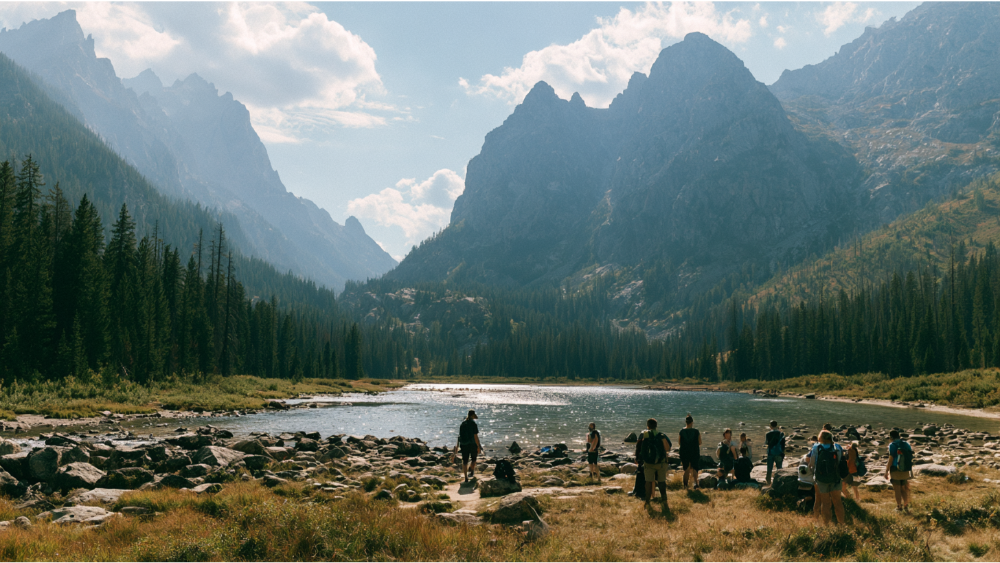

Yellowstone is the strongest all-around pick for a first family trip to a national park. You get bison, geysers, and hot springs from boardwalks and pullouts, with Junior Ranger booklets to keep kids engaged and almost no hard hiking required. From there it splits by family type: Great Smoky Mountains for younger kids and flexible days, Zion and Acadia for family hikes with easy access, Bryce Canyon and Grand Canyon South Rim for enormous scenery with short walks, Olympic and Yosemite for longer trips with variety, and Great Sand Dunes or Mammoth Cave when your kids want to do something instead of look at something.
If you’ve got five tabs of park photos open and you’re trying to figure out which one your children will actually enjoy, this is a decision guide, not a beauty contest. We’ll sort parks by age, stamina, trip length, driving burden, and crowds.
Two things to understand before you book anything. First, an entrance pass is not a reservation. Timed entry, parking tags, cave tour tickets, and summit road permits are separate, and each one has its own release schedule. Second, driving burden means how spread out a park is once you’re inside the gate. A park can be wonderful and still exhaust your family with three hours of daily car time. Rules and conditions here were checked in August 2026. Verify each park’s official National Park Service page before you book.
How We Chose the Best National Parks for Families
We weighted the things that actually determine whether a family vacation goes well, not which park photographs best:
- Variety of activities beyond strenuous hiking
- Easy access to signature scenery, ideally within a short walk of a parking area
- Flat, paved, or stroller-friendly walks near restrooms
- Junior Ranger and ranger-led programs, which most (not all) parks offer
- Amenities: visitor centers, food, bathrooms, and shuttle systems that save tired legs
- Mobility access, with specifics on surface and grade rather than a vague “easy” label
- Driving burden inside the park boundary
- Seasonal hazards: heat, elevation, snow, wildfire smoke, tides
- Reservation complexity, and how far ahead you have to think
- Suitability across ages, from toddlers to teenagers
None of this produces a single winner. The right park depends on your kids.
Best National Parks for a Family Vacation at a Glance
The National Park Service recorded 323,014,305 recreation visits in 2025, with 26 parks setting annual visitation records. Crowds are part of the plan, not a surprise. Use the table to shortlist two or three parks and compare them against other top national parks for a family vacation, then read those sections.
| Park | Best for | Ideal ages | Suggested stay | Walking level | Driving burden | Main planning issue |
|---|---|---|---|---|---|---|
| Yellowstone | Best overall first trip, wildlife | Most ages | 4-5 days | Easy boardwalks | High | Distances, elevation, wildlife rules |
| Great Smoky Mountains | Younger kids, flexible days | Easiest with under-5s | 3-4 days | Easy to moderate | Moderate | Parking tags and full lots |
| Zion | Family hikes with shuttle access | School-age and up | 2-3 days | Moderate | Low | Peak-season crowding |
| Acadia | Compact coast and mountains | Most ages | 3-4 days | Easy to moderate | Low | Cadillac Summit reservation |
| Grand Canyon (South Rim) | Iconic view, shuttle network | Most ages | 2-3 days | Easy rim walks | Low | Heat and unfenced drop-offs |
| Bryce Canyon | Big scenery, short walks | Most ages | 1-2 days | Easy | Low | Elevation, exposed edges |
| Olympic | Maximum landscape variety | School-age and up | 5+ days | Easy to moderate | Very high | Long drives, entrance waits |
| Yosemite | Waterfalls and valley highlights | Most ages | 4-5 days | Easy to moderate | Moderate | Parking and real-time congestion |
| Mammoth Cave | Underground adventure | School-age and up | 1-2 days | Varies by tour | Low | Tours sell out weeks ahead |
| Great Sand Dunes | Hands-on play, sand sledding | Most ages | 1-2 days | Strenuous in sand | Low | Heat, altitude, gear rental |
Yellowstone: Best Overall First National Park Trip for Wildlife Viewing
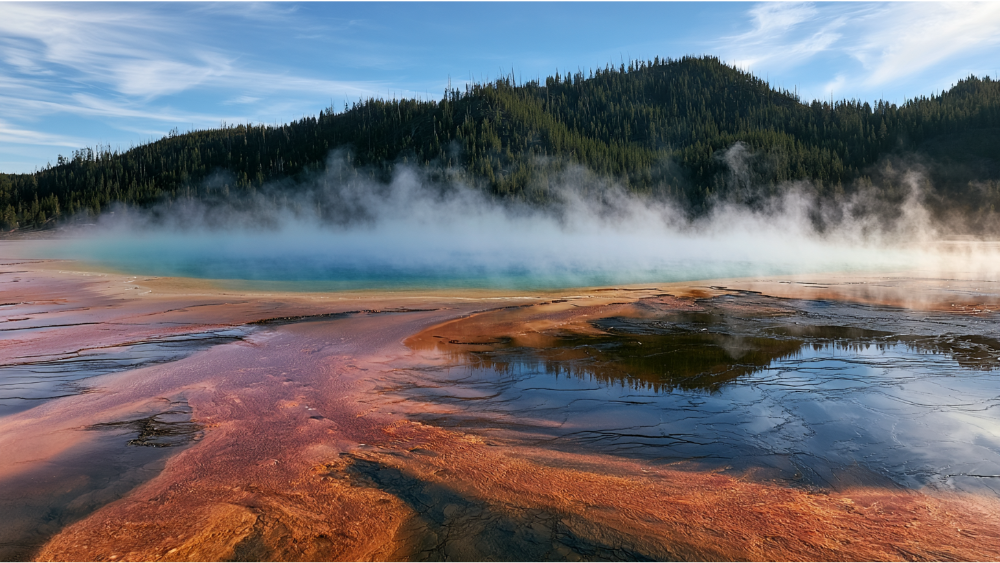
Nothing else delivers this much payoff for this little effort. Geysers, hot springs, and mud pots sit at the end of boardwalks, many of them accessible in the developed areas, and bison and elk regularly appear from roadside pullouts, which makes Yellowstone work well for the whole family since the main highlights require little hiking. Yellowstone drew 4,762,988 recreation visits in 2025, and a large share of those people never hiked anything difficult. Junior Ranger activities give kids a reason to pay attention at each stop. Plan on four to five days minimum.
What could make this hard: the driving. Basins sit an hour or more apart, and a single bison crossing can stall traffic for thirty minutes. Most of the park sits above a mile in elevation, so a flat walk can wind adults and children who aren’t acclimated. And you’ll be enforcing wildlife distance rules with excited kids: at least 100 yards from bears, wolves, and cougars, and 25 yards from bison, elk, and everything else. Check the official Yellowstone planning page for road status before you go.
Great Smoky Mountains: Best for Younger Kids and Easy Day Trip Days
The Smokies logged 11,527,939 recreation visits in 2025, the most of any national park, and it’s the park we’d point a family with toddlers toward first. Scenic driving loops, short waterfall walks, forest streams, and preserved historic homesteads make it easy to build a day around whatever your youngest can handle, with plenty of time spent hiking easy waterfall and streamside paths without committing to a strenuous outing, then bail out early without feeling like you wasted the trip. It’s also an especially smart pick for well-timed family trips that want strong fall colors without giving up flexibility.
One rule trips people up. There’s no entrance fee, but any vehicle parked longer than 15 minutes needs a parking tag: $5 daily, $15 weekly, or $40 annually. The tag is not a reservation and does not guarantee you a space. Popular trailheads and Cades Cove fill early on summer and fall weekends, so plan to arrive before 9 a.m. or shift your big stops to weekdays. Confirm current tag rules on the park’s fees page.
Zion: Best for Family Hikes With Shuttle Access
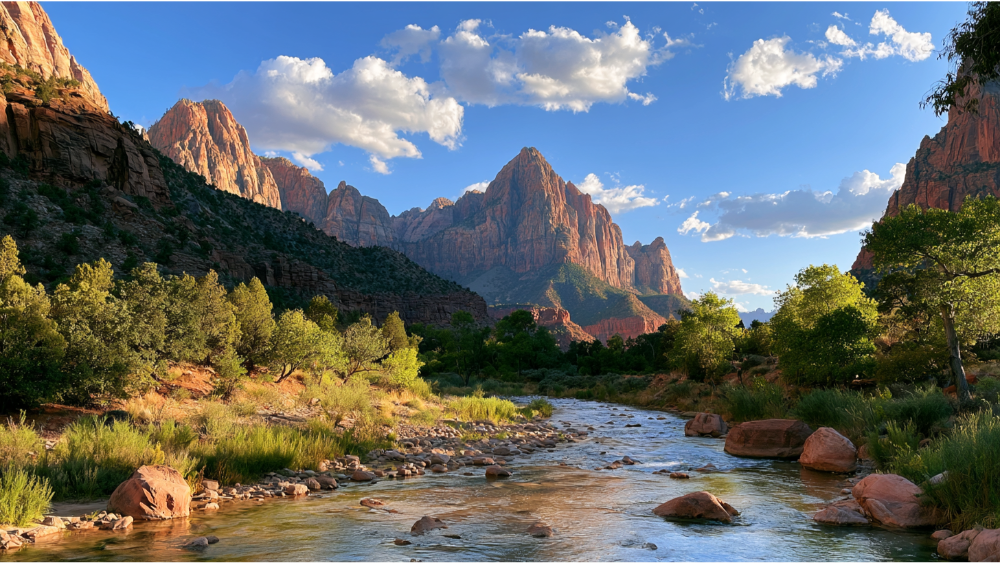
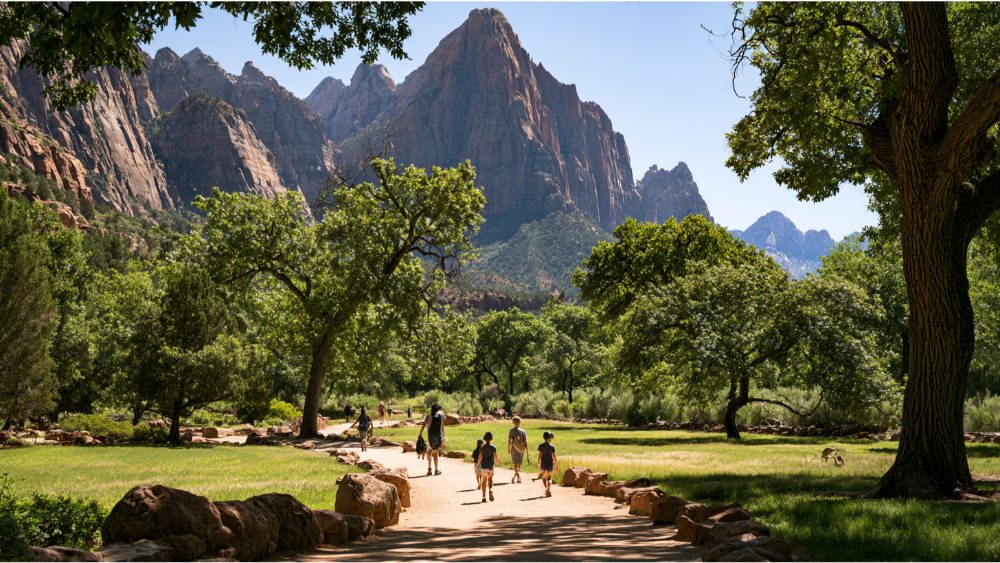
Zion works because the shuttle does the driving. You park once, ride the canyon, and get off at trailheads for walks like the paved Riverside Walk without hunting for a space at every stop. Another family-friendly option in zion national park is the Watchman Trail, which can be your best bet if you want a shorter hike with views into zion canyon and a chance to spot California condors. The canyon walls are close and dramatic, so even short outings feel like something. It’s a two to three day park for most families, which makes it a natural pairing with Bryce Canyon on a road trip.
What could make this hard: Zion is one of the most heavily visited parks in the country and the canyon is narrow, so peak-season shuttle lines and full lots are real; for milder conditions, the best time to visit Zion and Bryce National Parks is usually October to May. Skip Angels Landing entirely with children. Summer heat in the canyon is serious, and shade disappears by midday. Check the official Zion page for current shuttle operations.
Acadia: Best Compact Coast-and-Mountain Vacation
Acadia packs rocky coastline, forest, ponds, and mountain views into a footprint you can cover from one home base, which is why it drew 4,079,318 visits in 2025. Kids get tide pools, carriage roads that are ideal for bikes or strollers on the smoother sections, and short walks that end at genuinely big views. Three to four days is plenty.
Cadillac Summit Road requires a vehicle reservation from May 20 through October 25, 2026. It costs $6 on top of park admission, and 30% of reservations are released 90 days ahead with the remaining 70% released two days ahead. Vehicles longer than 21 feet aren’t allowed on the road at all, which matters if you’re driving an RV. Details are on the Acadia vehicle reservations page.
Grand Canyon South Rim: Best Iconic View With Shuttle Access
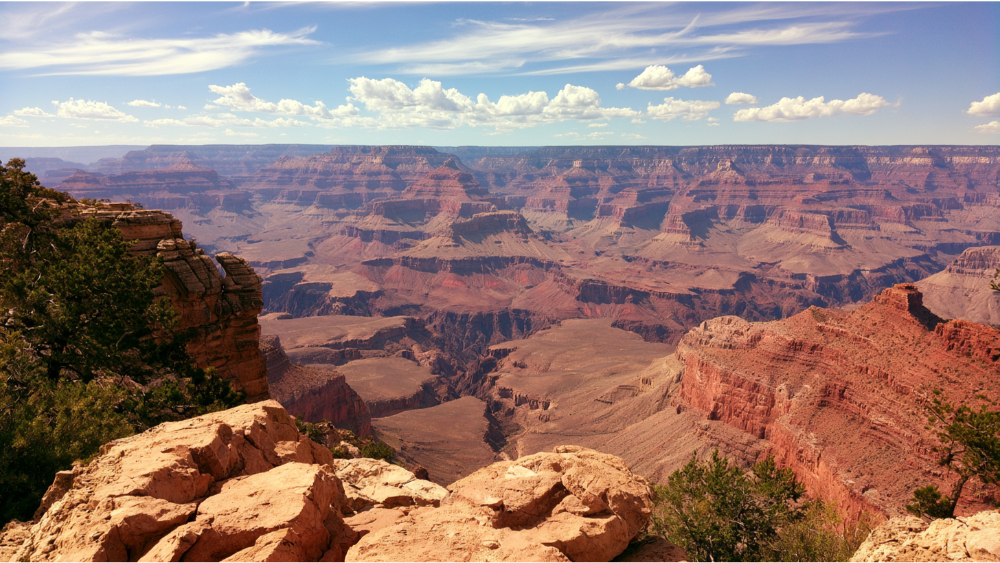
For summer 2026, the South Rim shuttles are free and require no ticket. The Village, Kaibab Rim, Hermits Rest, and Tusayan routes connect lodging, visitor services, trailheads, and overlooks, so a family can see the canyon from a dozen angles without moving the car. Some families plan a return trip to see the North Rim when they want a quieter, more seasonal Grand Canyon experience. Paved rim paths, a well-staffed visitor center, and Junior Ranger booklets carry a two to three day visit easily.
What could make this hard: the rim has long stretches without railings, and children need to be within arm’s reach. Summer heat is punishing, and here’s the part families underestimate: hiking down into the canyon is not a casual afternoon. Going down is optional and coming back up is not. Stay on the rim with kids, or turn around early on any descent. See current shuttle routes before you arrive.
Bryce Canyon: Best for Big Scenery With Short Walks
Bryce Canyon National Park delivers the highest scenery-to-effort ratio on this list and is famous for its unique hoodoo rock formations. The Rim Trail between Sunrise and Sunset Points is a flat, paved, stroller-accessible half mile, and it overlooks the entire hoodoo amphitheater. The park also has 17 miles of paved shared-use path and runs a free shuttle during peak season. One to two days is enough, which makes Bryce a strong add-on to a longer Utah road trip, especially if you want to plan two parks with Zion on the same trip.
What could make this hard: the rim sits high, so altitude affects some visitors within hours of arriving. Viewpoint edges are exposed. Weather swings fast, and afternoon storms roll through in summer. Check conditions on the official Bryce Canyon page.
Olympic: Best for Families That Want Maximum Variety
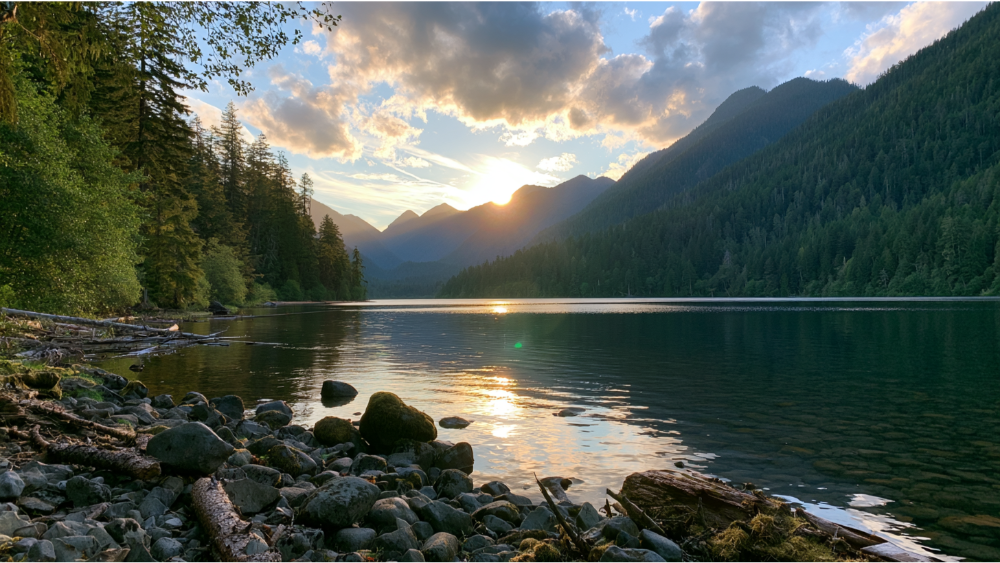
Rain forest, wild coastline, alpine meadows, and glacial lakes in one park, with about 95% of it designated wilderness. Olympic National Park recorded 3,584,187 visits in 2025 and rewards families who like their vacations varied.
What could make this hard: no road crosses the interior. Getting between park areas takes anywhere from 30 minutes to four hours or more, and summer entrance waits at the Hoh Rain Forest or Hurricane Ridge can run one to two hours. Parking at popular areas fills by mid-morning. This is the clearest case on our list for a split stay: base near the rain forest and coast for part of the trip, then relocate. Beach visits also need tide-table planning, because some headlands are only passable at low tide. Give it five days or more, or pick two areas, focus on easy hikes, and skip the rest. Start with the park’s driving distances page.
Yosemite: Best for Waterfalls and Accessible Valley Highlights
Yosemite National Park Valley concentrates the famous stuff: waterfalls, granite walls, meadows, and short paved paths, all reachable without serious hiking. It offers a good mix of valley highlights, easy walks, and longer outings for different ages. There’s no advance park-entry reservation required in 2026. The Junior Ranger program is free and year-round, aimed primarily at ages 4 to 12, and includes adapted activities for children with communication, learning, sensory, or motor needs, which is worth knowing if a standard booklet wouldn’t work for your child.
What could make this hard: no timed entry does not mean no planning. Yosemite took 4,278,413 visits in 2025, valley parking fills early, and traffic diversions can be activated in real time. Waterfall flow peaks in late spring and drops sharply by late summer, so time your trip to what you want to see. Four to five days lets you use the valley shuttle instead of fighting for spaces.
Mammoth Cave: Best Underground Family Adventure
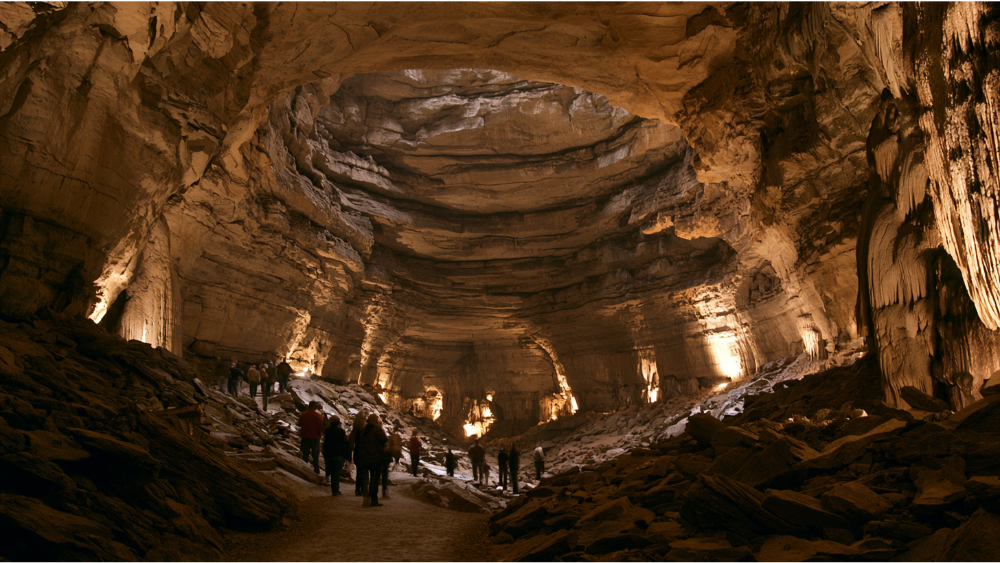
If your kids are bored by overlooks, take them underground. Ranger-led cave tours range from short and mostly level to long and physical, with surface trails, river access, and children’s programming above ground. One to two days covers it, and it slots neatly into a longer road trip.
Book early. Cave tour reservations are strongly recommended and routinely sell out weeks ahead, and the full seasonal schedule may not post until one to three months before the tour date. Tours carry their own age minimums, mobility requirements, footwear rules, and health restrictions, so read the description of the specific tour rather than assuming any tour works for your group. The ranger-led programs page lists current options.
Great Sand Dunes: Best for Hands-On Play
Sand sledding is the draw, and it’s the rare park activity where kids outlast the adults. You have to bring or rent equipment outside the park, because cardboard and snow sleds don’t work on dry sand.
What could make this hard: summer sand can hit 150°F, so closed-toe shoes are mandatory and midday is off the table. Go early morning or evening. The smaller and medium slopes start at least 0.7 mile from the main parking area, and the first high ridge is about 1.25 miles out, all of it walked in sand. The visitor center sits near 8,200 feet, and afternoon thunderstorms are common. Medano Creek is seasonal and its flow varies year to year, so check current conditions rather than counting on it. Details are on the park’s sledding page.
Which Park Fits Your Family?
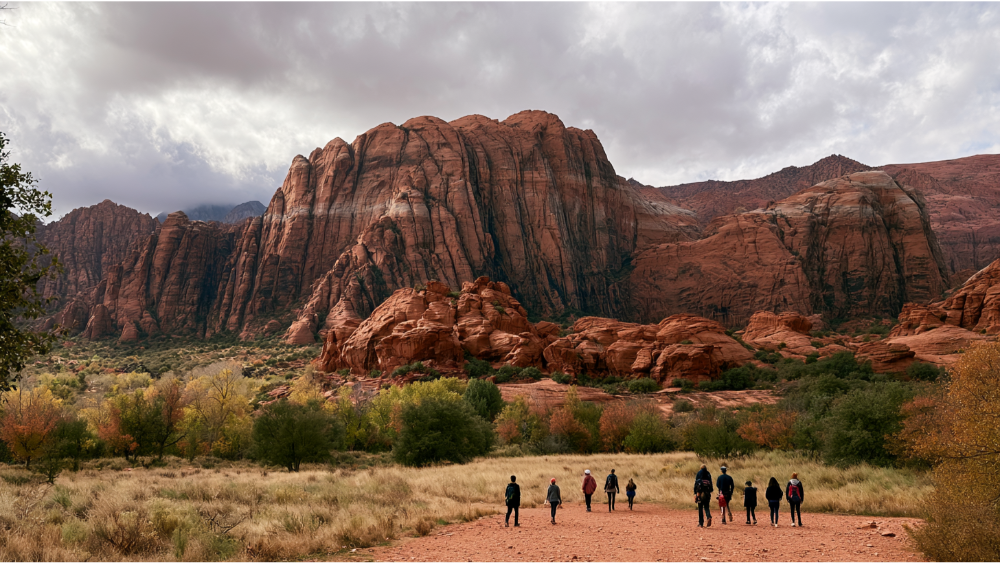
For many US national parks, the right fit depends on your kids’ ages, stamina, and how long you can realistically stay.
- Toddlers and preschoolers: Great Smoky Mountains, Bryce Canyon
- School-age children: Yellowstone, Acadia, Zion, Olympic
- Teens: Yellowstone, Yosemite, Great Sand Dunes
- Limited walking or mobility needs: Bryce viewpoints, Grand Canyon South Rim, developed areas of Yellowstone
- Short vacation (1-3 days): Bryce Canyon, Acadia, Mammoth Cave, Zion for a practical family visit with less transit and easier daily planning
- Five days or more: Yellowstone, Olympic, Yosemite
- Wildlife is the priority: Yellowstone
- Kids who need to do, not look: Great Sand Dunes or Mammoth Cave
These are our editorial picks, not guarantees. A cautious six-year-old and a fearless six-year-old need different parks.
What Families Need to Check Before Booking
Passes first. The America the Beautiful annual pass runs $80 for U.S. citizens and residents in 2026 and $250 for non-U.S. residents, with senior annual at $20 and senior lifetime at $80. A standard park-specific pass generally covers one park for one to seven days. Beginning in 2026, non-U.S. residents age 16 and older face an additional $100 fee at 11 heavily visited parks including Acadia, Bryce Canyon, Grand Canyon, Yellowstone, Yosemite, and Zion, unless covered by a qualifying annual pass. Verify current terms on the NPS passes page.
If you have a fourth grader, the Every Kid Outdoors pass gives free entrance to more than 2,000 federal sites. The 2025-2026 pass expires August 31, 2026. At per-person sites it covers the fourth grader, all children under 16, and up to three adults. It does not cover camping, parking, boats, or special tours.
Then run this list before you commit to dates, because the best time to visit can shift dramatically from park to park:
- Timed entry (Rocky Mountain uses it from late May through mid-October 2026) or attraction-specific reservations
- Campground or lodging reservations, which often open months out
- Road and trail closures, plus late-opening seasonal roads
- Wildfire and air-quality conditions
- Seasonal shuttle schedules
- Weather and elevation for your specific dates; for example, Death Valley is generally best from November to March, and Haleakala National Park is usually best from December to March
- Pet rules, since many parks bar pets from trails and boardwalks even where they’re allowed in developed areas
- Accessibility specifics: surface, grade, width, distance to restrooms
- Food and fuel availability inside the park
- Drive time from your lodging to the actual entrance station
- Cell coverage, and downloaded offline maps
Choosing a Comfortable Home Base
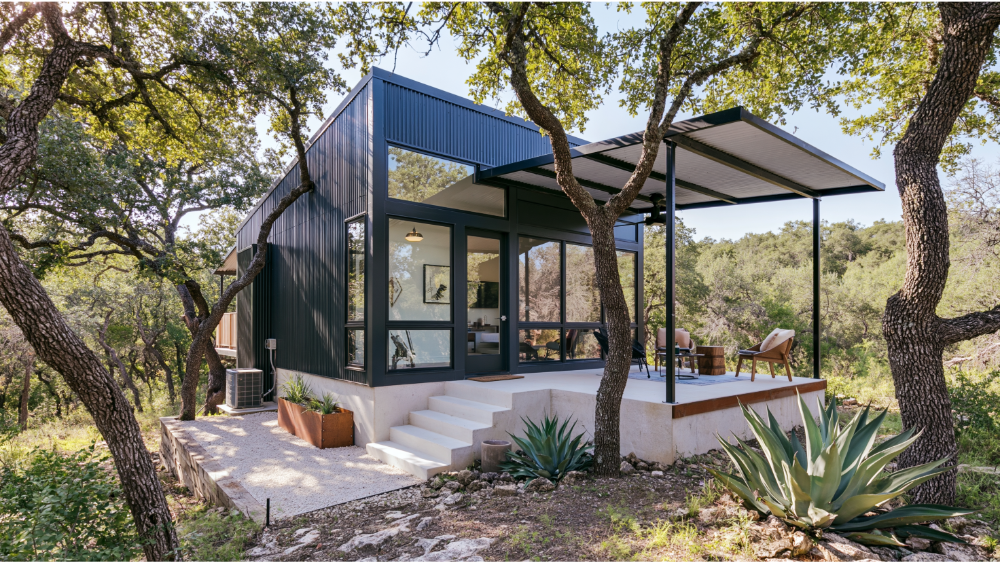
The park gets the photos. The home base decides whether everyone’s still speaking by day four. A few things we’d think through:
One base or a split stay. Compact parks like Bryce and Acadia work fine from a single place. Olympic and Yellowstone often don’t, and a two-hour drive back to bed after a full day is how good trips go sideways. That’s also where crowd levels matter: Capitol Reef National Park is generally less crowded than Utah’s bigger-name parks, which can make nearby lodging decisions easier.
Measure drive time to the entrance station, not to the park. “20 minutes from the park” can mean 20 minutes from the boundary and another 50 to anything worth seeing. If you’re pairing Arches National Park with Canyonlands National Park, Moab is the best place to stay.
A kitchen changes the budget and the mornings. Breakfast at the rental beats a line at a park grill, and packed lunches keep you from driving back for food.
Laundry matters more than you’d think after sand, mud, and rain. So do separate bedrooms, because kids crash at different hours than adults, and outdoor space for decompressing after a day in the car.
This is the argument for a vacation rental over a hotel: privacy, room to spread out, and a place that feels like yours instead of a place you’re passing through. At KT Rents, we’ve been placing families in short-term and long-term rentals since 2009, and we manage properties across 34 states (as of January 2025) with a 98% occupancy rate that we’re happy to stand behind. Your Rental. Your Way. Browse our vacation destinations to see what’s currently available, and check listing availability for your dates before you build a trip around it. Questions? Call us at (800) 716-4950, text (608) 207-0657, or email info@ktrents.com. We respond within 24 hours.
Frequently Asked Questions
What is the best national park for a first family vacation?
Yellowstone, for most families, is still the safest best bet for a first-time family trip because the signature sights are easy to reach. Wildlife, geysers, and hot springs are all reachable from boardwalks and pullouts, so you get the payoff without demanding hikes. Budget four to five days and expect significant driving between areas.
Which national park is best for toddlers?
Great Smoky Mountains. If you want Bryce, it also works well when your priority is a kid friendly hike rather than a long trail. Short waterfall walks, scenic drives, and historic sites let you build easy days and cut them short without regret. Bryce Canyon is a good second choice thanks to the flat, paved half-mile Rim Trail between Sunrise and Sunset Points.
Do children get into national parks free?
Most parks charge per vehicle, so children are covered by the vehicle fee. At per-person fee sites, visitors under 16 typically enter free. U.S. fourth graders can also get a free Every Kid Outdoors pass covering entrance at more than 2,000 federal sites.
Do national parks require reservations in 2026?
Some do. Rocky Mountain uses timed entry from late May through mid-October 2026, and Acadia requires a $6 Cadillac Summit Road reservation from May 20 to October 25. Yosemite, Arches, and Glacier do not use park-wide timed entry in 2026, but parking limits and temporary access controls still apply.
Which national parks have stroller-friendly trails?
Bryce Canyon’s paved Rim Trail section, Grand Canyon’s paved South Rim paths, Zion’s Riverside Walk, and many Yellowstone boardwalks in developed areas. Check each park’s official accessibility page for surface and grade details, since “easy” on a blog post isn’t the same as paved and level.