

What Is Shoulder Season Travel? How to Find the Real Sweet Spot for Your Trip

Key Takeaway
Shoulder season travel refers to the transition period between a destination’s peak season and its off season, typically offering fewer crowds and better availability without the full closures of off season. Spring and fall are the most common shoulder windows in the Northern Hemisphere, though exact dates vary by destination. Savings are not guaranteed: one 2026 analysis found fall lodging averaged about 20% higher than summer across the ten most-searched U.S. destinations, so always price your specific weeks before assuming a deal.
Shoulder season is the stretch of weeks between a destination’s peak season and its off season. It usually brings fewer crowds, better availability, and often better prices, but the exact dates and the actual savings depend entirely on where you plan to visit. Spring and fall are common shoulder windows in the Northern Hemisphere. They are not a universal rule. If you’re staring at a calendar trying to pick the right weeks for your trip, this guide shows you how to find that sweet spot instead of guessing.
What Is Shoulder Season Travel? (Peak Season vs. Shoulder Season vs. Off Season)
Every destination runs on three rough tiers of demand. Peak season, sometimes called high season, covers the peak months: the weather most people want, the highest lodging and flight prices, and the longest lines. Off season, or off-peak, is the quiet bottom, when prices drop the furthest and a good share of restaurants, tours, and attractions shut down or scale back.
Shoulder season sits between them. That distinction matters, because plenty of travel content treats shoulder and off season as the same thing. They aren’t. Shoulder season is the transition, not the bottom. For the most part, attractions are still open, ferries and tours are still running, and the major sites are noticeably less congested than they were six weeks earlier.
| Factor | Peak | Shoulder | Off |
|---|---|---|---|
| Demand | Highest | Moderate | Lowest |
| Typical prices | Highest | Often lower, not guaranteed | Lowest |
| Crowds | Heavy | Manageable | Sparse |
| Weather | Most reliable | Transitional | Least reliable |
| Restaurants, tours, attractions | Fully open | Mostly open | Limited |
| Risk of closures | Low | Moderate | High |
Why Do They Call It the Shoulder Season?
The name is literal. Picture peak season as the head of the demand curve. The weeks sitting on either side of it are the shoulders: still connected to the busy period, still carrying most of what makes the destination worth visiting, just lower.
That’s why a destination can have two shoulder seasons, one before peak and one after, and why they rarely feel identical. The spring side is warming up and opening up. The fall shoulder season is winding down, which usually means better weather odds and worse odds on seasonal services.
What Months Are Shoulder Season?

For Northern Hemisphere destinations where the summer months are the high season, shoulder season falls in March through May and again in September and October. Late September in particular tends to feel like a different place than mid-August once the summer rush clears out. Late January and February can also qualify, sitting between holiday travel and spring break, with winter weather as the tradeoff.
There is no universal shoulder season calendar, though. The real dates follow local weather, the school schedules of whatever country you’re visiting, events, and operating seasons. Peak and shoulder are sometimes separated by just a few weeks, so precision pays. A few common exceptions:
- Tropical locations organize around wet and dry seasons instead of spring, summer, fall, and winter. The shoulder is the transition between rainfall patterns.
- Ski destinations often carry two peaks, winter and summer, with genuinely quiet gaps in between. Late May and early June are dead quiet in a lot of mountain towns.
- Southern Hemisphere destinations flip the pattern. Australia, for example, runs shoulder periods in March through May and September through November.
- Event-driven months break the rule entirely. Iceland’s shoulder window stretches roughly from early March to late May, while beach towns across Europe quiet down in April, May, September, and October.
- Theme park travel runs on its own clock. Crowd levels at Disney World track school calendars and holidays far more closely than weather, so the calmer weeks land in places you wouldn’t guess.
Why Travel During Shoulder Season: Smaller Crowds, Lower Prices, and a Relaxed Pace
Fewer people means shorter lines, easier restaurant reservations, and tour operators who have time to actually talk to you. That changes the texture of a trip. Smaller crowds set a more relaxed pace, and you move through a place closer to the way locals do, which is the whole point of a feel-like-a-local stay rather than a shuffle through a rope line.
Weather is frequently more comfortable than peak, not worse. Cities across Europe in September and October, including Paris, are far easier to walk than they are in August, when summer heat and tourist crowds show up together. Greece in the shoulder weeks trades peak heat and ferry crowds for pleasant weather, earlier-season rates, and water that stays warm well into October. The Swiss Alps are at their best in fall. If you want to visit Japan, Tokyo’s autumn foliage peaks in November, long after the spring rush.
Scenery often improves too, since harvests, fall foliage, and local festivals tend to land outside the tourist high point. Milder weather also makes outdoor activities like hiking and cycling far more enjoyable than they are under peak sun. Lower prices are common in these weeks, though never automatic, so treat saving money as something you verify rather than assume. And if you work remotely, the shoulder months are an ideal time to move: you’re not competing with holiday calendars, and a longer stay takes less effort to arrange when demand is soft.
National Parks, Fall Foliage, and the Fall Shoulder Season

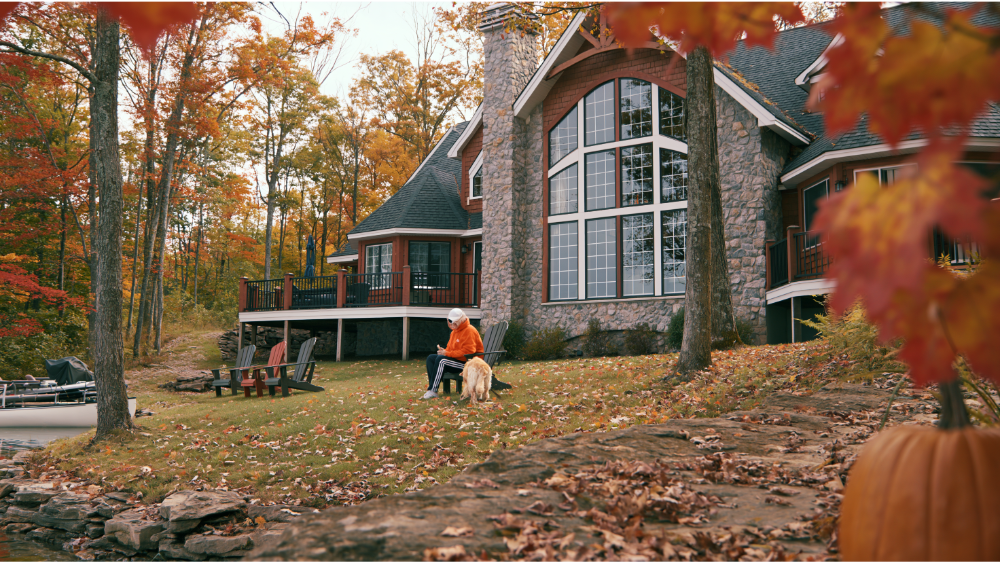
U.S. national parks concentrate most of their visitation into summer, when school is out and every road inside the park is finally open. That’s also when the lots fill by 8 a.m. in peak summer. If you can move your dates, the fall shoulder season is usually the better visit: warm afternoons, cool nights, fewer tourists on the scenic drives, and foliage in the parks that get it. Spring works too, though early June at high elevation can still mean closed passes and snow sitting on the trails.
Before you plan a national parks trip outside peak season, check three moving parts. Shuttle systems often stop running on a fixed date. Campgrounds and lodges close for winter on their own schedules, not the park’s. Visitor centers cut hours. Entrance gates usually stay open, but the services behind them thin out week by week, and late fall pushes you closer to true off season than most planners expect. Timed-entry and reservation requirements also tend to lapse once peak season ends, which is one of the quieter perks of a fall visit to the busier national parks.
The Downsides: Rainy Season, Closures, and Transitional Weather
Shoulder season is a transition, so you’re buying some weather uncertainty. Nobody can promise perfect weather in a month that sits between two patterns. That can mean rain, early or late snow, heat that lingers past its usual exit, and shorter daylight that compresses what you can do in a day. Ferry runs thin out. Tour schedules shrink. Mountain roads and trails close for winter sooner than most people expect, and early spring in high country can still be a snow trip whether you planned for one or not. Pool and beach service sometimes goes dark before the calendar says it should.
Beach travel in September and October is not automatically low-risk. The Atlantic hurricane season runs June 1 through November 30, with the climatological peak on September 10 and most activity between mid-August and mid-October, according to NOAA. The Central Pacific season, relevant for Hawaii, also runs June 1 through November 30. In the Maldives, the southwest monsoon normally extends from mid-May through November per the Maldives Meteorological Service.
Does Shoulder Season Travel Actually Save Money in 2026?
Plenty of people travel during shoulder season expecting automatic savings. Treat lower prices as a hypothesis you test, not a rule you assume. An August 2026 fall travel analysis found that across the ten most-searched U.S. destinations in that dataset, fall lodging averaged about 20% higher than summer and fall flights about 2% higher. That compared fall travel from September 7 to November 26, 2026 against summer travel from May 25 to September 7, 2026. It’s point-in-time platform data, not a permanent benchmark, and the same analysis still found individual destinations where fall delivered better deals.
| Cost category | Fall 2026 vs. summer 2026 | What the comparison covered |
|---|---|---|
| Lodging | About 20% higher in fall | Ten most-searched U.S. destinations in that dataset |
| Flights | About 2% higher in fall | Same ten destinations, same dataset |
| Fall date range | September 7 to November 26, 2026 | The “shoulder” side of the comparison |
| Summer date range | May 25 to September 7, 2026 | The peak side of the comparison |
| Exceptions | Some destinations still cheaper in fall | Averages hide individual markets, so price your own weeks |
Part of what’s driving this: a 2025 U.S. travel survey reported 33% of Americans were looking to travel off-peak, and 42% of travelers ages 18 to 24 planned trips in May, June, or September. Enough people chased the quiet weeks that some of them stopped being quiet. The most popular destinations feel this first, while other destinations with less search volume still soften the way you’d expect.
How to Find a Destination’s Real Shoulder Season
Six steps, in order:
- Define the must-have experience. Snorkeling, foliage, hiking, and city museums each have different ideal windows.
- Identify the true local peak. Ask when that specific experience draws the biggest crowds, not when the destination is generally busy.
- Compare prices week by week. Pull real total costs for three or four candidate weeks, not one sample date.
- Check climate normals and hazards. NOAA’s current U.S. Climate Normals use the 1991 to 2020 period and draw on almost 15,000 weather stations. Normals tell you what’s typical, so check the forecast again before you go.
- Verify operating schedules. Ferries, trails, tours, and seasonal restaurants.
- Check events, holidays, and school breaks. One festival can turn a shoulder week into a peak week.
Destination Examples: Six Different Seasonal Patterns
| Destination | Shoulder pattern | Watch out for |
|---|---|---|
| Maui | Official Hawaii tourism guidance points to April, May, September, and October | September and October overlap Central Pacific hurricane season |
| Costa Rica | Official tourism site names May, June, and November as shoulder-demand months | Regional microclimates; Pacific and Caribbean sides differ |
| Greece | Spring (March through May) brings lighter crowds, temperate weather, and earlier-season rates | Islands, north, and high elevations vary widely |
| Tokyo | Spring is prime time in Japan, not a shoulder | Cherry blossoms peak late March to early April; Golden Week spikes prices |
| Bali | Dry season runs roughly April through October, wet November through March, so the transitions sit at the edges | Rainfall varies by region; price the shoulder weeks individually |
| Swiss Alps | Two peaks, winter and summer, with quiet gaps between; fall is at its best | Lifts, mountain roads, and seasonal restaurants close between seasons |