

Vacation Rental vs Hotel: Which One Actually Fits Your Trip?


Key Takeaway
For most families and groups, a vacation rental beats a hotel by offering separate bedrooms, a full kitchen, laundry, and privacy under one roof at a lower all-in cost per person. Hotels remain the smarter pick for single-night stops, solo travel, or late arrivals where staffed service matters. The only reliable vacation rental vs hotel comparison is total trip cost divided by travelers and nights, not the advertised nightly rate. Always confirm who manages the property and what the cancellation terms say before you pay.
A vacation rental usually makes more sense for families, groups of friends, longer stays, and remote work, when you want separate bedrooms, a kitchen, laundry, privacy, and a feel-like-a-local home base. A hotel room can be the simpler pick for a short stop where on-site service matters more than square footage. The only honest price comparison is the complete cost for your exact dates and party size, not the nightly rate. Below you get a side-by-side, a cost formula you can reuse, and a checklist to run before you book your next trip. We’re KT Rents, a full-service, broker-owned operator placing renters and travelers across the U.S. since 2009.
Vacation rental vs hotel: the key differences at a glance

Two ideas drive everything that follows. All-in trip cost means the total you’ll actually pay, not the advertised nightly rate. And a professionally managed rental (inspections, written terms, a maintenance process) is a different product from an individually listed one, even when the photos look identical.
| Feature | Vacation rentals | Hotels |
|---|---|---|
| Space | Multiple bedrooms, living areas | One room, sometimes a suite |
| Privacy | Private entry, no shared halls | Shared corridors and lobbies |
| Kitchen | Often fully equipped | Rare beyond a mini fridge |
| Laundry | Often in-unit | Paid or off-site laundry facilities |
| Check-in | Often keyless entry | Staffed front desk |
| Daily housekeeping | Usually not included | Commonly offered, varies by rate |
| On-site services | Remote support, varies | Front desk, dining, concierge services |
| Pools and fitness rooms | Property-specific | Frequently on site |
| Maintenance | Depends on who manages it | In-house staff |
| Parking | Often included, verify | Often a separate charge |
| Location | Usually residential neighborhoods | City centers and transportation hubs |
| Cancellation | Varies widely by property | More standardized |
| Pet policies | Varies, some allow pets | Fewer properties accept pets |
| Remote work | Desk, kitchen, quiet space | Desk in a single room |
| Consistency | Varies without professional management | Standardized by hotel chain |
How do you compare the real cost, including cleaning fees and taxes?
Run the same math on both options:
Lodging total + required fees + parking + food difference + laundry + local transportation + add-ons, then divide by travelers, then by nights.
- Compare equivalent capacity. One hotel room against a four-bedroom home isn’t a comparison.
- Only credit the kitchen if your group will actually cook. Cooking a few meals is where rentals often pull ahead per person and where you genuinely save money.
- Check whether advertised amenities are included, shared, or seasonal.
- Add every line item. Cleaning charges, resort fees, and parking service charges change the answer more often than the nightly rate does.
Pricing disclosure changed recently. Under the FTC’s Rule on Unfair or Deceptive Fees, effective May 12, 2025, advertised prices must include mandatory fees the business can calculate upfront, including a required vacation rental cleaning fee or a mandatory hotel resort fee. Taxes and genuinely optional extras can still appear later, so read the final payment screen before you confirm.
What vacation rentals offer that a hotel room doesn’t
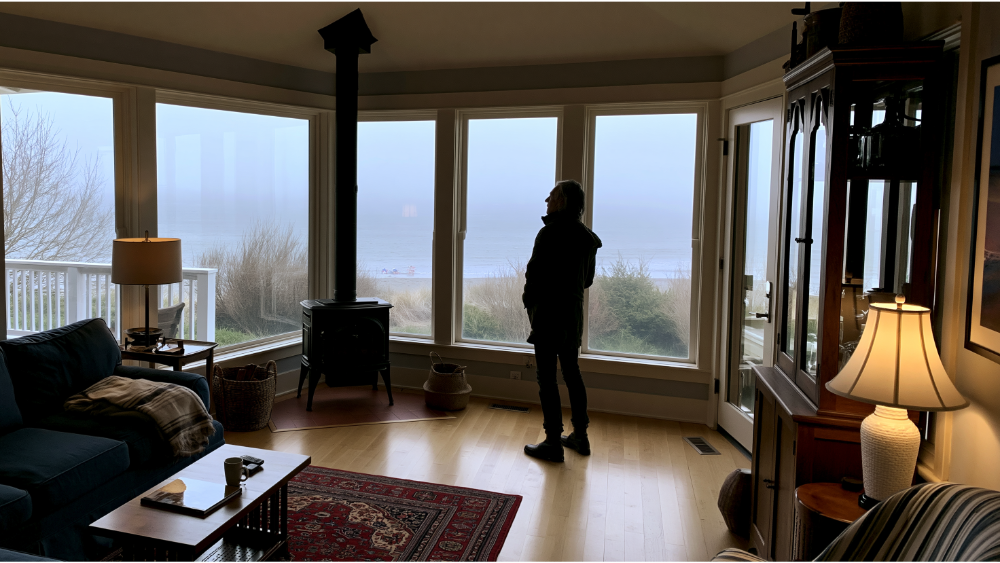
More space, arranged for real life
Kids asleep behind a closed door while the adults stay up in the living room. A load of laundry midweek so you pack lighter. More space usually means more control over how the day runs, because nobody is negotiating around one bed and a desk chair.
- Separate bedrooms plus a shared living area to relax in
- In-unit laundry on many properties
- Private patios, decks, yards, and other outdoor areas
- No shared hallways, elevators, or crowds
Fully equipped kitchens instead of a hotel restaurant
Breakfast in your own kitchen beats a buffet line, and fully equipped kitchens are a quiet win for picky eaters, early risers, and anyone on a specific diet. A hotel restaurant works fine for one meal. It gets expensive by day four. The honest caveat: quality varies more across independently listed rentals, which is exactly why who manages the property matters.
When does it still make sense to stay in a hotel?
- A single night stop between two other places
- Solo travel where extra space adds nothing
- A 2 a.m. arrival when staffed hotel check in is worth the premium
- Plans that may change at the last minute
- Shorter stays where nobody will touch a kitchen, living room, or washer
Plenty of people prefer hotels for exactly these reasons, and that’s a fair call. Many hotels bundle in convenience you’d otherwise arrange yourself, and most hotels near airports exist because that’s the whole point. On site restaurants, daily service, and a lobby someone staffs around the clock are real value on a quick business trip. If the accommodations are part of the vacation, though, the calculation changes fast.
Which is better for families, groups, and pet friendly options?

In a Harris Poll of 2,082 U.S. adults conducted February 3 to 5, 2026 and reported by a personal-finance travel publisher, 51% said they’d prefer a vacation rental over a hotel. Among parents with a child under 18, that figure was 65%, compared with 45% of adults without a child under 18. The survey measured preference, not the reasons behind it.
The practical case is simple math: one home can replace multiple hotel rooms, meals get shared instead of scheduled, and all your guests stay under the same roof. Traveling with a furry friend? Pet friendly options exist on both sides, but confirm the specific property’s rules, any additional fees, size limits, and whether the yard is fenced. Policies differ property by property, so get it in writing before you book.
Location and local experience: residential areas vs tourist areas
You’ll generally find vacation rentals in residential neighborhoods rather than hotel districts, whether that’s a house, a condo, or one of the apartments locals actually live in. Shopping local markets, eating at local restaurants, taking advantage of a slower morning: that’s the feel-like-a-local version of the trip, and it’s the fastest way into the local culture of a place. KT Rents connects travelers to vacation destinations including Greece, St. Thomas, the Maldives, the Bahamas, Bora Bora, Costa Rica, Bali, Maui, Paris, the Swiss Alps, Tokyo, and New York City.
The trade-off is real. A residential address can mean less walkability to the main strip, though it often means cheaper food and easy access to parking. Pull up the map before you book.
Professionally managed vacation home rentals vs individual listings

This is the difference most comparison articles skip. A managed vacation home comes with a verified, licensed operator, written terms, a documented maintenance request process, a real emergency contact, cleaning oversight, property inspections, and traceable payment. An individual listing may offer all of that, some of it, or none of it. Cancellation terms alone can swing wildly between hosts.
KT Rents is broker-owned and full-service, operating nationwide since 2009. As of early 2025, we reported 683 units across 34 states and $187M in managed assets, with a stated occupancy rate of 98%. Not every listing on a marketplace carries the same management arrangement, so ask who’s responsible before you pay.
Safety, scams, and accessibility: verify, don’t assume
The U.S. Fire Administration notes that short-term rental homes aren’t regulated like hotels. Confirm smoke alarms in every sleeping room, outside each sleeping area, and on every level; carbon monoxide alarms on every level; two ways out of every room; and a known street address for emergency calls.
On fraud, the FTC logged nearly 65,000 rental scam reports and roughly $65 million in reported losses from January 2020 through June 2025, with a $1,000 median loss (all rental scams, not vacation rentals alone). Search the address independently, look for duplicate listings, get a contract, and never pay by wire, gift card, or crypto. Pay with a credit card: the CFPB says a written billing-error notice generally must reach your card company within 60 days of the statement date.
For accessibility, ask for specifics rather than a label: step-free entry, door widths, elevator access, bathroom layout, bed height, accessible parking. Request current photos or measurements when a feature is essential.
Vacation rentals for remote work and extended stays

Working from a rental beats working from a bed. Before renting, confirm a dedicated desk, actual internet speed (ask for a screenshot), a private space for calls, laundry, kitchen access, and how maintenance gets handled if the router dies on a Monday. A separate room to close the door on matters more than any other feature when your workday follows you, and for month-long stays it’s the most cost effective setup we see.
The five-question test for your travel style
- How many actual bedrooms do we need?
- Will we use a kitchen or laundry?
- What’s the all-in cost per traveler, per night?
- Who fixes it if something breaks, and how fast?
- Are the cancellation, safety, and accessibility details acceptable in writing?
Ready to book?

Browse our vacation destinations and rental listings, compare complete totals rather than nightly rates, and confirm support and cancellation terms before you pay. Questions about a property or a longer stay? Call us toll-free at (800) 716-4950 or email info@ktrents.com. We respond to form submissions within 24 hours. Your Rental. Your Way.
Are vacation rentals cheaper than hotels?
Sometimes, but there’s no reliable rule. Many rentals compete well when one home replaces several rooms and the group cooks. Run the all-in cost per traveler per night for both options on your actual dates.
Do vacation rentals include housekeeping?
Usually not daily. Many vacation rentals include a cleaning before arrival and after departure, with mid-stay service and fresh towels available on some properties for an extra charge. Hotel housekeeping frequency also varies by property and rate, so check both.
What mandatory fees have to be shown upfront?
Since May 12, 2025, the FTC fee rule requires advertised lodging prices to include mandatory charges the business can calculate in advance, such as required cleaning or resort fees. Taxes and optional add-ons may still appear at the final payment screen.
How do I know a vacation rental listing is legitimate?
Search the address on its own, look for the same photos posted elsewhere at a different price, and verify the property on the management company’s own website. Get a written agreement before paying, and use a credit card rather than wire, gift card, or crypto.