

Best Neighborhoods in Austin for Young Professionals (2026 Renter’s Guide)

Key Takeaway
The best neighborhoods in Austin for young professionals are East Austin, Downtown, South Congress, Mueller, and North Burnet, each suiting a different commute direction and lifestyle. East Austin offers the strongest all-around central access with rail at Plaza Saltillo and a dense bar and restaurant scene. Downtown wins for car-light living, while Mueller delivers parks and planned mixed-use convenience. Your ideal pick depends almost entirely on where you work and whether you plan to keep a car.
If you want one answer: East Austin and East Cesar Chavez are the strongest all-around pick for central access, restaurants and nightlife. Downtown is the best bet if you want to drive as little as possible, North Burnet and the Domain area make sense if your job sits on the north side, Mueller wins on parks and mixed-use convenience, and Hyde Park or North Loop give you a quieter central neighborhood with older housing stock. The right neighborhood depends almost entirely on where you work and whether you’ll keep a car.
This guide is for anyone relocating to Austin or deciding where to sign the next lease. Austin’s median age was 34.8 in the 2024 American Community Survey, with about 22.3% of residents between 25 and 34, so you’re in good company. KT Rents is a full-service, broker-owned rental operator that has worked with owners and residents across the U.S. since 2009, and we wrote this renter-first: pick by your workday, not by a list of top neighborhoods someone else ranked.
Austin Neighborhoods at a Glance: Comparison Table
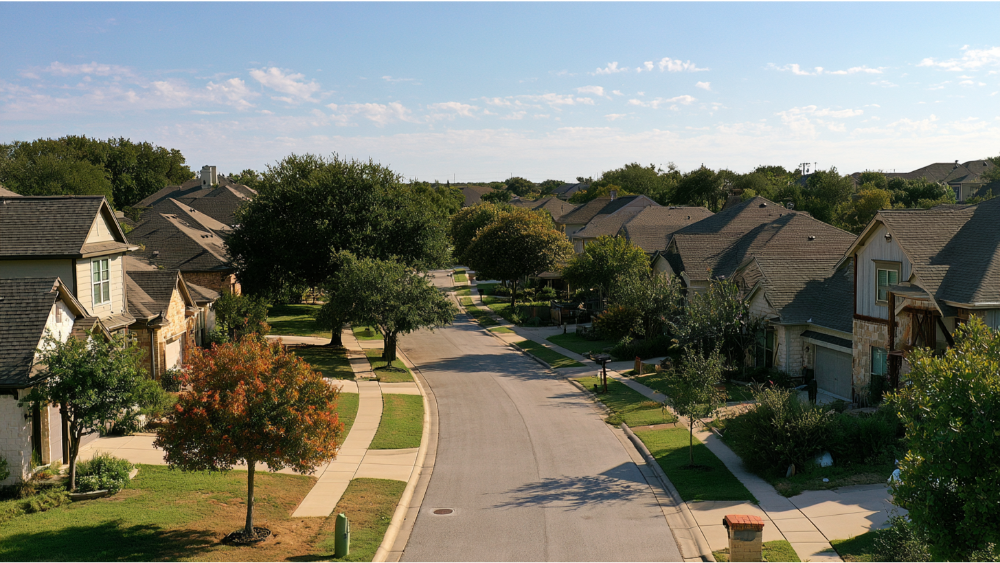
Austin’s urban core gives you the highest walkability and quick access to central employers, but each area asks for a different trade-off. Use this to shortlist two or three areas, then go look at live listings. No safety ratings and no rent figures here on purpose. We explain why further down.
| Area | Best if you prioritize | Typical housing stock | Existing transit anchor | Car-light potential | Main trade-off | 2026 construction note |
|---|---|---|---|---|---|---|
| East Austin / East Cesar Chavez | Central access, dining, nightlife | Apartments, condos, townhouses, older homes | Plaza Saltillo Red Line | High | Street noise, tight parking | I-35 work on the western edge |
| Downtown | Walking to work | High rise apartments, condos | Downtown Red Line, Rapid 801/803 | Highest | Cost, weekend noise | I-35 downtown segment planned 2027-2033 |
| South Congress (SoCo) | A walkable commercial corridor | Older houses, duplexes, small apartments, condos | Rapid 801 | Moderate to high | Tourist traffic, thin inventory | Future light rail corridor (planned) |
| South Lamar / Zilker | Outdoor access | Apartments, condos, duplexes, houses | Rapid 803 | Moderate | Event traffic | Corridor roadwork varies |
| Mueller | Parks and mixed-use convenience | Apartments, condos, row houses, single family | Local bus routes | Moderate | No direct rail station | Ongoing build-out |
| North Burnet / Domain | North Austin commutes | Mid rise and mixed-use apartments | Rapid 803, nearby McKalla and Kramer rail | Moderate | District feel over neighborhood feel | Ongoing corridor development |
| Hyde Park / North Loop | Quiet central residential | Older houses, duplexes, small apartment properties | Nearby 801/803 corridors | Moderate | Older units, street parking | Nearby corridor work |
| Highland / Crestview | Direct rail commuting | Apartments, redevelopment, mid century homes | Highland and Crestview Red Line | Moderate | Less nightlife density | Active redevelopment |
How We Chose These Best Neighborhoods
- Commute direction and job access to your actual workplace, not a generic “minutes to downtown” number
- Walkable daily necessities like groceries and a pharmacy, not just walkable bars
- Transit that exists today rather than transit that is planned
- Housing variety across apartments, condos, duplexes and houses
- Green space and outdoor access
- Restaurant and nightlife density
- Noise and parking realities
- Active road construction that will still be underway during your lease
We don’t rank neighborhoods by “safety,” and we don’t describe who lives where. We compare housing, transportation and lifestyle factors only.
East Austin and East Cesar Chavez: Best Overall Access
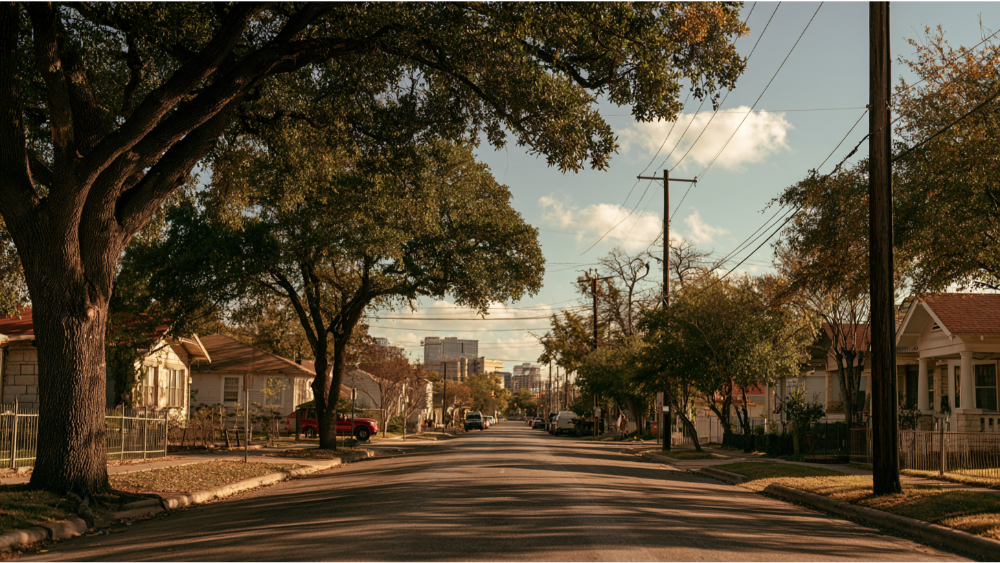
“East Austin” covers a lot of ground. The closest-in pockets, and the ones most people mean, are East Cesar Chavez, Plaza Saltillo and Holly, sitting along the eastern edge of the urban core. From there you can walk or bike over the interstate into downtown in minutes, and the Plaza Saltillo Red Line station puts you on rail without a car.
This is where Austin’s outdoor art scene lives, with murals on half the buildings and a dense run of bars, local coffee shops, live music venues and restaurants along East Sixth, East Cesar Chavez and Manor Road. Housing is genuinely mixed: newer apartments and condos next to townhouses and older single family homes. One commonly reported 2025 market figure put the East Austin median home price near $615,000, which is a market estimate rather than an official statistic, but it tells you how much has changed here over the past decade.
Watch-outs
Street noise on the nightlife blocks is real, on-street parking is tight, older houses come with older systems and an AC bill to match in August, and the I-35 rebuild runs right along the western edge.
Downtown Austin: Best for Car-Light Living
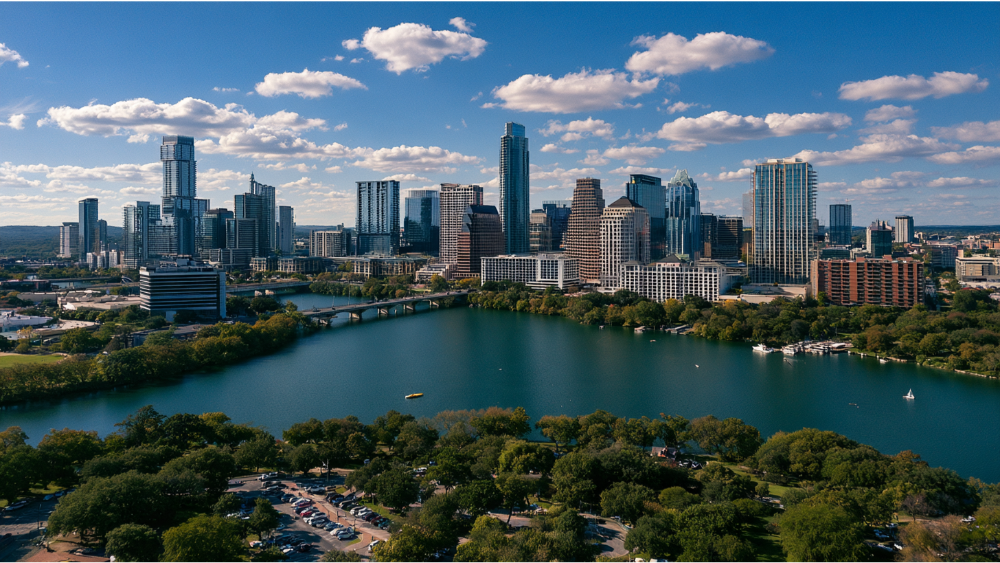
Downtown is the one area where you can plausibly build a daily routine without driving. Central offices, state government buildings and the entertainment districts are within walking distance of most residential towers, and the Ann and Roy Butler Hike-and-Bike Trail, the best known of the Lady Bird Lake trails (roughly a 10-mile loop with more than 2.6 million visits a year, per the City of Austin), sits at the southern edge. You get the Downtown Red Line station plus both Rapid routes, the 801 and the 803.
Housing variety is the limit. It’s high rise apartments and condos, with very little in between. Expect a premium: one commonly cited 2025 market estimate put downtown one-bedroom rents around $2,350, though that’s a market figure, not an official one. Weekend crowd noise and garage-only parking are the other trade-offs, and the downtown I-35 segment is scheduled for 2027 through 2033.
South Congress (SoCo): The Walkable Corridor
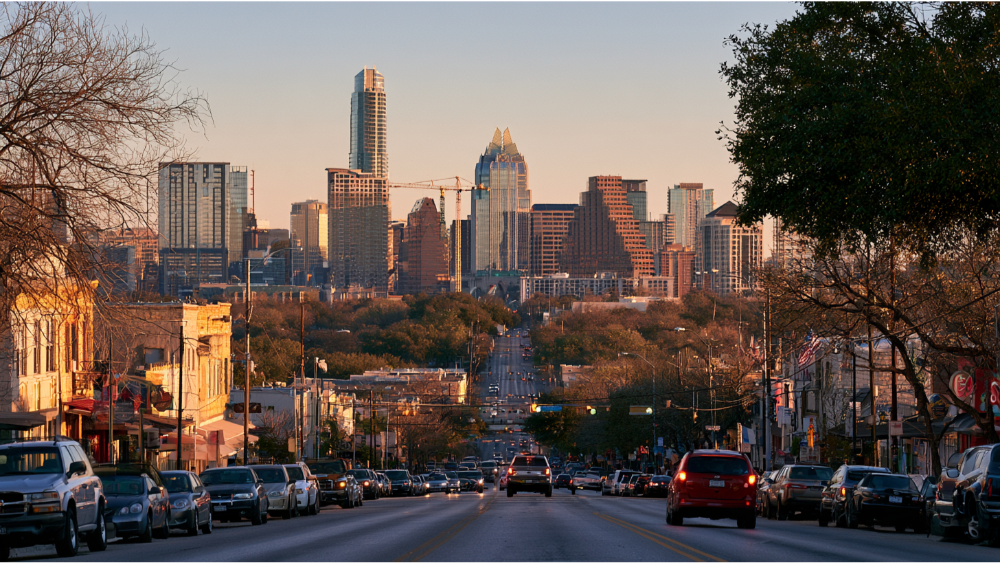
South Congress means different things depending on who’s talking. The commercial corridor along South Congress Avenue is the shopping and restaurant strip everyone pictures, a long run of local businesses, boutiques and trendy dining rooms. The residential blocks around it spill into Bouldin Creek and Travis Heights, which are quieter and mostly older homes and duplexes with a handful of newer condo projects.
The Rapid 801 runs the corridor and connects you to downtown, UT and South Lamar, and the bike ride across the river is short. Inventory is thin, tourist foot traffic is constant on weekends, and the planned Austin light rail line would run through here. That line is planned for a 2033 opening with construction from 2027, and the Austin Transit Partnership says the schedule depends on contractor input and federal funding. Treat it as future, not fact.
South Lamar and Zilker: Outdoor Access First
If your weekends revolve around Barton Springs and the trail, this is your side of town and your outdoor lifestyle. Zilker Park covers more than 350 acres and connects straight into the Butler Trail and Barton Creek Trail. The Rapid 803 runs South Lamar into downtown and north toward the Domain.
Housing here is more varied than downtown: newer apartment communities along South Lamar, condos, duplexes and single family houses on the neighborhood streets behind them. The cost is traffic. South Lamar and Barton Springs Road back up during rush hour, and festival season at Zilker can make certain weekends genuinely difficult if you’re trying to get in or out by car.
Mueller: Planned Mixed-Use Living
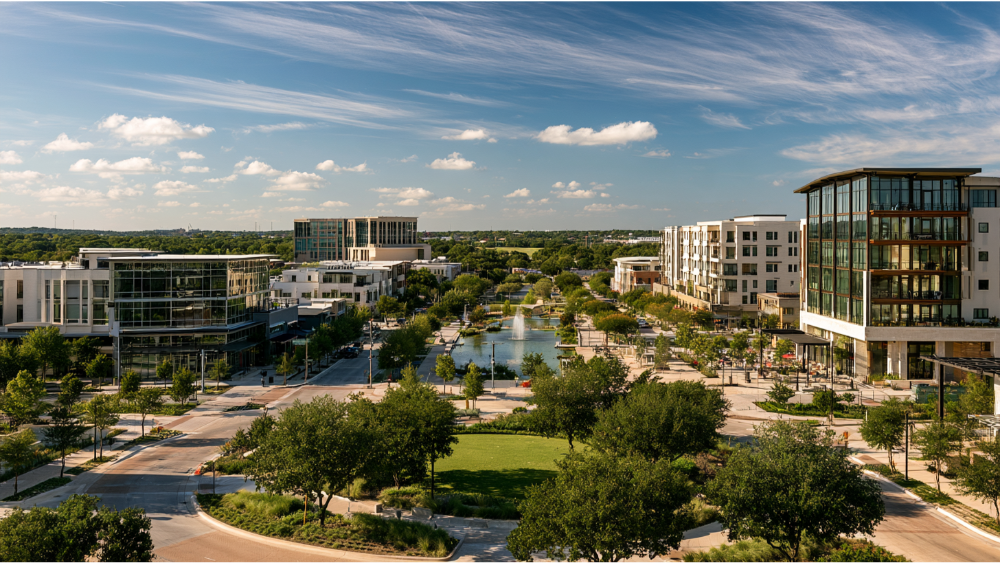
Mueller sits on just over 700 acres of the former municipal airport site, and the City designed it as a compact, pedestrian-scaled, mixed-income community. The redevelopment plan calls for roughly 4,600 housing units, a share of them set aside as income-restricted and affordable, which is why you’ll find apartments, condos, row houses and single family homes in the same walkable blocks. Daily necessities sit close: a grocery store, retail, restaurants, medical facilities and a long list of parks and greenways, including the Southwest Greenway and Lake Park, are built into the plan rather than tacked on later.
The trade-off is transit. Mueller has no direct rail station, so you lean on local bus routes or a car for anything beyond the district, and build-out is still ongoing, meaning you may live next to active construction during part of your lease.