

12 Best Small Towns to Visit in the U.S. for Every Kind of Getaway

Key Takeaway
The best small towns to visit in the US include Mackinac Island, Michigan for a car-free escape, Telluride, Colorado for walkable mountain scenery, Mystic, Connecticut for food and maritime history, and Taos, New Mexico for living culture. The right pick depends on terrain, trip length, and whether you need a car. Stays longer than two nights unlock the most from any small town on this list.
The best small towns to visit in the U.S. include Bar Harbor, Maine for national park access, Telluride, Colorado for mountain scenery, Mackinac Island, Michigan for a car-free escape, Taos, New Mexico for living culture and art, Mystic, Connecticut for maritime history and food, Hood River, Oregon for outdoor recreation, and Pismo Beach, California for a relaxed coastal town stay. Bar Harbor sits at the doorstep of Acadia National Park. Telluride is a former mining camp turned ski destination wedged into a box canyon. Which one is right for you comes down to season, trip length, how much driving you’re willing to do, and how many nights you actually want to stay.
This guide is for travelers, families, couples, and remote professionals comparing getaways and trying to decide where the time and money go. You’ll get a comparison table, a transparent definition of what counts as a small town, and honest stay-length guidance for each pick. Every place below is one of the small towns in America we’d personally book three or four nights in, because a slower pace only pays off when there’s enough around you to fill the days. We’ve been helping people find short-term and long-term stays across the U.S. since 2009, so we plan destinations like stays, not just stops.
The 12 Best Small Towns to Visit in the US at a Glance
Here’s the whole list in one view. Scan the “Main Planning Note” column first, because that’s usually the thing that makes or breaks the trip.
| Town & State | Best For | Best Season | Ideal Stay | Car Needed? | Main Planning Note |
|---|---|---|---|---|---|
| Bar Harbor, ME | National park access | Late spring to early fall | 3 to 4 nights | Yes | Cadillac Summit Road vehicle reservations |
| Telluride, CO | Mountain scenery, natural beauty | Summer or ski season | 3 to 5 nights | Helpful to arrive | Festival weekends fill lodging fast |
| Mackinac Island, MI | Car-free escape, slower pace | May to October | 2 to 3 nights | No | Ferry schedules and luggage rules |
| Taos, NM | Living culture, vibrant arts scene | Fall or ski season | 3 nights | Yes | Taos Pueblo closures and visitor rules |
| Mystic, CT | Maritime history and food | Summer or fall | 2 to 3 nights | Light | Summer crowds in a small core |
| Hood River, OR | Outdoor recreation, harvest | June to October | 3 nights | Yes | Fruit Loop stops change open days |
| Pismo Beach, CA | Coastal town road trip base | Late spring to fall | 2 to 3 nights | Yes | Highway 1 drive times |
| Port Townsend, WA | Maritime arts and Old Town | Summer festivals | 2 to 3 nights | Yes | Ferry routing affects travel time |
| Marfa, TX | Small desert town art getaway | Fall or spring | 2 to 3 nights | Absolutely | Guided tours sell out; midweek closures |
| Egg Harbor, WI | Door County family escape | Summer and fall color | 3 nights | Yes | Weekends book out months ahead |
| Georgetown, SC | Historic charm on the water | Spring or late fall | 2 to 3 nights | Yes | Atlantic hurricane season overlap |
| Laconia, NH | Lake town getaway | Summer and foliage | 2 to 3 nights | Yes | Event weekends change availability |
What Counts as a Small Town in America?
There’s no federal definition of a small town, and travel coverage doesn’t agree either. Some lists cap it at under 15,000 residents. Others use 30,000. Others stretch to 50,000. That’s why you’ll see roundups of “small towns in America” that include places with traffic lights on every corner, chain hotels, and a downtown that takes half a day to walk.
Our editorial standard for this article: a full-time population under 30,000, based on the U.S. Census Bureau’s Vintage 2025 city and town estimates, which reflect population as of July 1, 2025 and were released in May 2026. That’s our line, not a government classification, and we’re telling you upfront so you can judge the list on its own terms.
The 30,000 mark matters more than it sounds. Below it, small towns usually keep the small town charm and the walkable main street that make you slow down. Above it, you start getting the logistics of a small city without the payoff of the big cities. Some of the country’s most significant historic places sit in towns well under this cutoff, which is part of why the size limit isn’t a limit on what you’ll see. But a town also needs enough restaurants, shops, and lodging to hold your attention for two or three nights. Under 30,000 is the sweet spot where both things are usually true.
How We Chose These Small Towns (and Why We Didn’t Just Copy National Geographic)
Every town on this list had to clear the same bar:
- Under 30,000 full-time residents
- One distinct, specific reason to go, not just “it’s pretty”
- Enough to do to justify at least two nights
- Geographic balance across the Northeast, Southeast, Midwest, Mountain West, Southwest, Pacific Northwest, and the California coast
- A walkable core or transportation you can realistically manage
- Cultural, natural, food, or historic significance you can point to
- Lodging that actually exists in the numbers visitors need
- Current official visitor information we could check
No town made this list only because National Geographic, a magazine ranking, or anyone else put it on theirs. Where a publication’s 2026 ranking supports a pick, we say so and attribute it. Balance also means real gaps: Upstate New York alone could fill a list this long, and it didn’t get a slot here because the Northeast was already well represented. And we surface the reservation systems, ferry schedules, and seasonal closures that inspiration lists tend to bury three paragraphs deep, because those are the details that decide whether your trip works. Plenty of small towns in America photograph beautifully and still make for a frustrating week if you show up on the wrong Tuesday.
Bar Harbor, Maine: Best for National Park Access
Why it made the list: Bar Harbor is the main gateway to Acadia National Park, and the park borders the town. It was reported as the No. 1 town in a major 2026 small-town ranking.
Best things to do: Acadia’s hiking trails and carriage roads, the Shore Path, sunrise from Cadillac Mountain, and a compact main street of local shops and delicious seafood.
Best time to visit: Late spring through early fall. Foliage season is spectacular and correspondingly busy.
How many nights: Three to four. Acadia is bigger than a single day.
Getting there and around: You want a car. Acadia is among the most visited national parks in the country, with more than four million visits a year, so parking fills early.
Verify before you book: Cadillac Summit Road requires a separate vehicle reservation from May 20 through October 25, 2026. Thirty percent of reservations release 90 days ahead and 70% release two days ahead. Dates, fees, and rules change annually, so confirm on the National Park Service page before you travel.
Why a vacation rental fits: Early trailhead starts go better with a kitchen and your own coffee, and a rental outside the immediate downtown often means easier parking.
Telluride, Colorado: Best Mountain Town Scenery
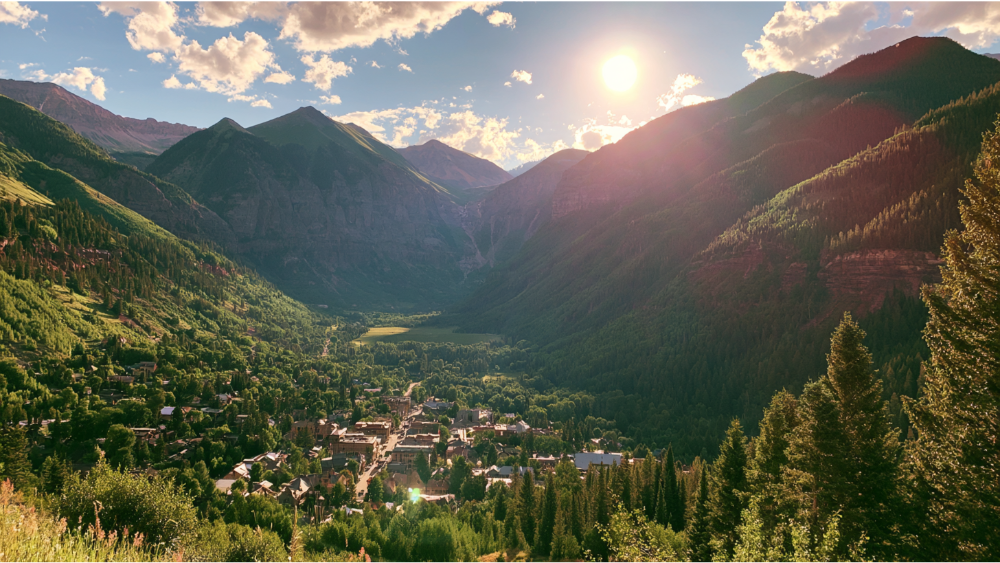
Why it made the list: A former mining camp turned ski destination sitting at the end of a box canyon, with a National Register historic core. It placed second in that same 2026 national ranking, and the natural beauty of the canyon walls does most of the convincing within five minutes of arrival.
Best things to do: Hiking trails and mountain biking in summer, skiing and other winter sports in the cold months, live music through festival season, and Bridal Veil Falls at the canyon’s head. Drive north toward Ouray if you want to add hot springs to the itinerary.
Best time to visit: Summer for the alpine access, winter for ski season. Shoulder seasons are quiet and cheaper, with more closures.
How many nights: Three to five. Altitude alone argues for easing in.
Getting there and around: A car helps for arrival, but you rarely need one once you’re there. The free public gondola connects the historic town with Mountain Village, though brief maintenance closures happen. Check the schedule before you rely on it.
Verify before you book: Festival weekends fill lodging months out and push prices up hard.
Why a vacation rental fits: Groups splitting a ski week or a festival weekend get more room and a kitchen, which matters in a town where every restaurant is booked.
Mackinac Island, Michigan: Best Car-Free Escape
Why it made the list: Private automobiles aren’t used for normal visitor transportation. You get around by foot, bicycle, or horse-drawn carriage, which sets a slower pace for everything you do here. If your mental image of an idyllic escape has no engine noise in it, this is the one.
Best things to do: Ride the perimeter road, tour Fort Mackinac, walk the historic downtown, and get out to the island’s interior trails where the crowds thin.
Best time to visit: The main visitor season runs May through October. Outside that window, ferry frequency and business hours drop off sharply.
How many nights: Two to three.
Getting there and around: Most visitors arrive by ferry and park on the mainland. No rental car needed on the island.
Verify before you book: Ferry schedules, luggage handling, and bike transfer rules. Confirm on the official island site.
Why a vacation rental fits: Car-free travel on a small island changes how you pack and where you stay. Proximity to the docks and a place to cook are worth more here than almost anywhere else on this list.
Taos, New Mexico: Best for Living Culture and a Vibrant Arts Scene
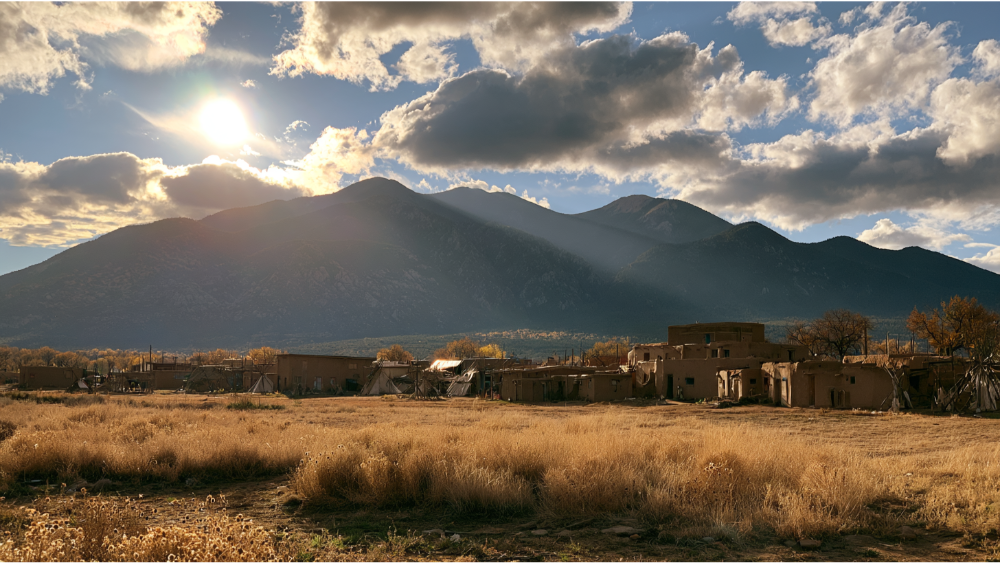
Why it made the list: Taos Pueblo is a living, self-governed Indigenous community and, according to Taos Pueblo, a place with more than 1,000 years of continuing cultural and architectural history. It’s a National Historic Landmark and a UNESCO World Heritage Site, inscribed in 1992. It is a community, not a photo backdrop.
Best things to do: The galleries around the town square that give Taos its vibrant arts scene, where centuries of tradition sit beside modern creativity, the high-desert light that pulled painters here in the first place, the Rio Grande Gorge, and Taos Ski Valley in winter. Mineral hot springs sit within an easy drive if you want a soak after a day at altitude.
Best time to visit: Fall for the light and the quiet, winter for skiing.
How many nights: Three.
Getting there and around: A car is necessary. Distances between the plaza, the gorge, and the ski valley add up.
Verify before you book: Visitor hours at Taos Pueblo change, photography rules apply, some areas are closed to visitors, and ceremonial closures happen with little notice. Check taospueblo.com directly rather than a third-party listing.
Why a vacation rental fits: Taos rewards unhurried days, and adobe-style rentals here are part of the experience.
Mystic, Connecticut: Best for Maritime History and Great Restaurants
Why it made the list: A compact, walkable waterfront destination anchored by Mystic Seaport Museum and Mystic Aquarium. It was also selected as a 2026 category winner for small-town food travel.
Best things to do: The Seaport’s tall ships and shipbuilding demonstrations, the aquarium, the drawbridge over the Mystic River, and a lineup of local seafood spots and farm to table restaurants that’s genuinely strong for a charming town this size.
Best time to visit: Summer is busiest. Fall is quieter with most attractions still open, which is why we’d pick it.
How many nights: Two to three, or a day trip add-on if you’re already moving along the Northeast corridor.
Getting there and around: The historic downtown is walkable, the main street sits right at the water, and the drawbridge and the Seaport are within walking distance of each other. A car is useful for exploring the wider shoreline and nearby coastal villages.
Verify before you book: Museum hours shift seasonally, and summer parking near the bridge is tight.
Why a vacation rental fits: Families get separate space, and a kitchen offsets a food-heavy trip.
Hood River, Oregon: Best for Outdoor Recreation and Harvest Season
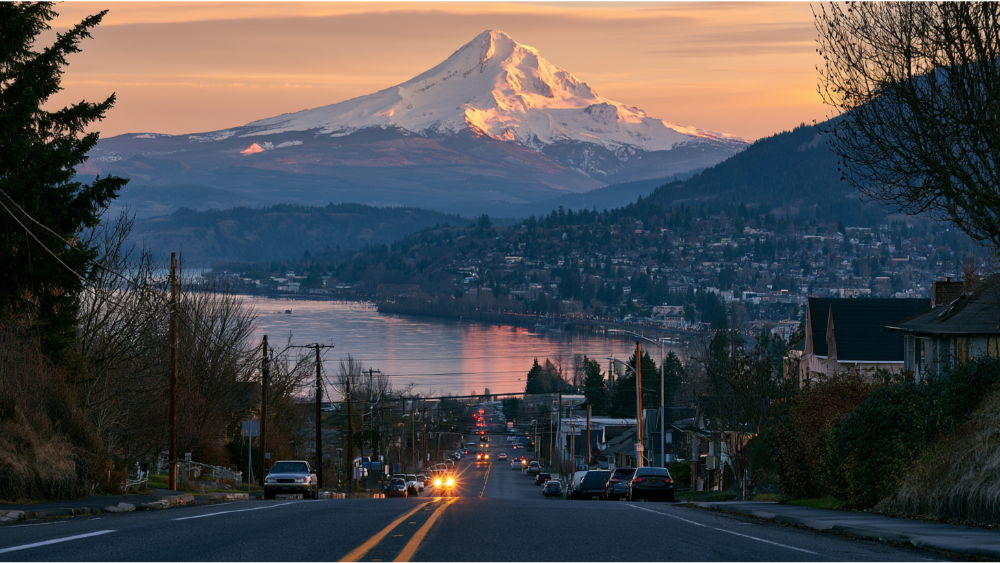
Why it made the list: Columbia River Gorge wind sports, mountain biking, and hiking trails in one small town, plus some of the better farm to table restaurants in the Pacific Northwest. A 2026 category ranking named it the mountain-town winner.
Best things to do: Kiteboarding and windsurfing on the Columbia, trails on the Gorge rim, and the Fruit Loop, a 35-mile route connecting 28 farms, fruit stands, wineries, and cideries.
Best time to visit: June through October, which covers the general fruit season. Specific crops depend on the month and the weather.
How many nights: Three.
Getting there and around: Car required, especially for the Fruit Loop.
Verify before you book: Participating farms and their open days change season to season. Check visithoodriver.com before mapping a route.
Why a vacation rental fits: You’ll come home with more fruit than you planned for. A kitchen and a fridge make that a feature instead of a problem.
Pismo Beach, California: Best Coastal Town Road Trip Stay
Why it made the list: A 2026 small beach-town category winner on the central California coast, and an easy base for the Highway 1 corridor. For drivers coming up from Southern California, this is the coastal town where the first overnight naturally lands.
Best things to do: The pier and beach, tide pools, dunes, nearby wine country, and a day in San Luis Obispo, which is known for its farm-to-table food scene.
Best time to visit: Late spring through fall. Coastal fog is a real thing in early summer mornings.
How many nights: The official destination site recommends two to three nights for a first visit combining the beach, wine country, and outdoor activities. That’s their guidance, and it tracks with the driving distances.
Getting there and around: Walkable center, but you need a car for everything beyond it.
Verify before you book: Highway 1 closures and construction delays north of town.
Why a vacation rental fits: Road trips run on flexible check-in times and somewhere to do laundry.
Port Townsend, Washington: Best Old Town and Vibrant Arts Scene
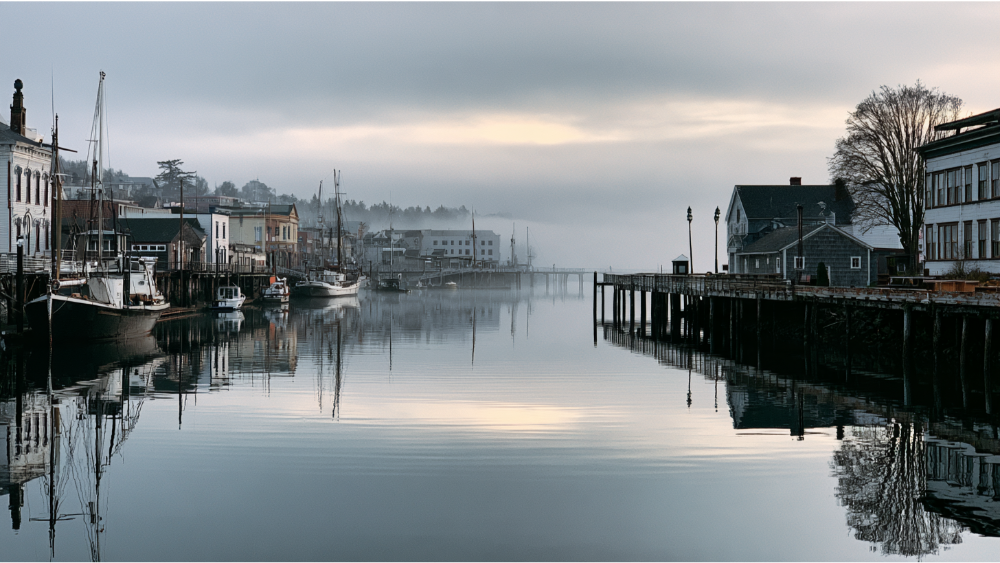
Why it made the list: The official destination organization describes a historic seaport with arts, beaches, trails, festivals, and a deep maritime legacy, roughly two hours from the Seattle metro area. Actual travel time depends on your route, ferry choice, and traffic.
Best things to do: The Victorian-era waterfront Old Town, the uptown historic district, wooden boat culture on the water, and a vibrant arts scene with a festival calendar that punches well above the town’s size.
Best time to visit: Summer for festivals and the driest weather.
How many nights: Two to three, longer if you’re pairing it with the Olympic Peninsula.
Getting there and around: Bring a car and plan the ferry leg deliberately. Old Town itself walks easily.
Verify before you book: Ferry reservations and sailing times, plus festival weekend lodging.
Why a vacation rental fits: The historic charm of the homes here is part of the appeal, and the Peninsula’s day trips are long enough that you’ll want a real kitchen at the end of them.
Marfa, Texas: Best Small Desert Town Art Getaway
Why it made the list: Large-scale contemporary art and unmistakable creative energy in the high desert, in a small desert town so quiet it’s almost disorienting if you’ve come from a big city.
Best things to do: The art installations, the light, and doing very little on purpose. Main street empties early, and that’s the point.
Best time to visit: Fall or spring. Summer heat is punishing.
How many nights: Two to three, which is enough to sink into the slower pace without running out of open doors.
Getting there and around: Absolutely a car. Marfa is remote, the drives are long, and services between towns are limited.
Verify before you book: Most of the primary collection at Marfa’s major art foundation is accessible only by guided tour, and tours sell out. Book well ahead through the foundation’s visit page. Many local businesses close early in the week, so confirm open days before you commit to a Monday arrival.
Why a vacation rental fits: With limited dining hours, having a kitchen isn’t optional so much as practical. This is a trip for people who want space, not a packed itinerary.
Egg Harbor, Wisconsin: Best Door County Family Escape
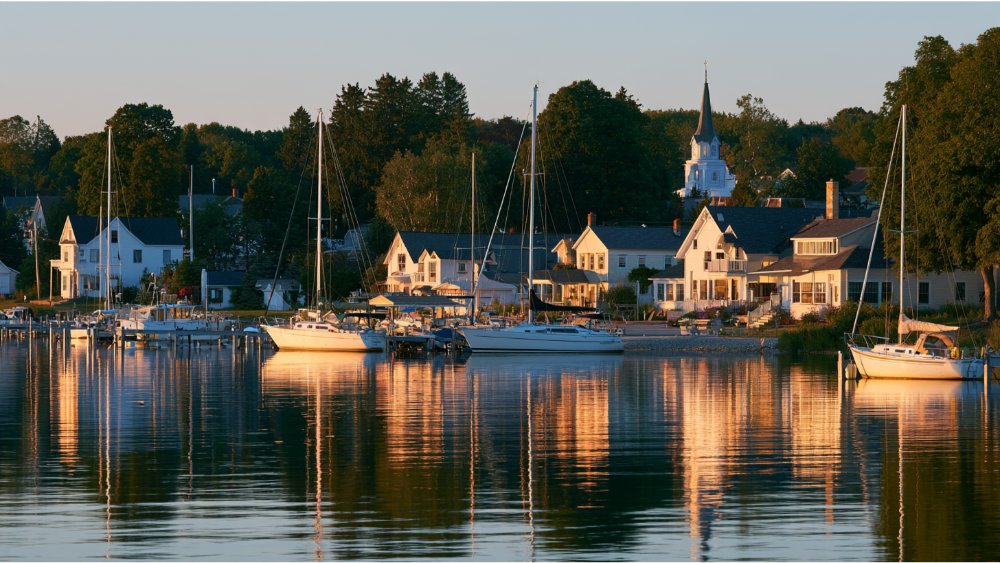
Why it made the list: Waterfront outdoor recreation, arts, live music, and the rest of Door County within easy reach. Current national coverage highlights that mix, and it holds up.
Best things to do: Beaches and boating on Green Bay, shops and galleries along the main street, outdoor concerts, orchards, and drives up the peninsula.
Best time to visit: Summer for the water, fall for color. Spring cherry blossoms typically hit around mid-May, but bloom timing depends entirely on the weather, so don’t plan a trip around a specific date.
How many nights: Three.
Getting there and around: Car required. The peninsula’s best stops are spread out, and each charming town along it has its own hours.
Verify before you book: Summer weekends and peak fall color book out months in advance.
Why a vacation rental fits: Multi-generational Door County trips are a tradition, and a house with a yard and a grill beats splitting into separate rooms.
Georgetown, South Carolina: Best Historic District on the Water
Why it made the list: A 2026 category list selected Georgetown for its preserved waterfront character: museums, a walkable historic district, the Harborwalk, and access to Black River State Park.
Best things to do: Walk Front Street, the historic main street that runs parallel to the Harborwalk, wander the historic streets behind it, tour the maritime and rice-culture museums, and paddle the Black River.
Best time to visit: Spring or late fall for comfortable temperatures and thinner crowds.
How many nights: Two to three.
Getting there and around: Car needed, though the historic core walks well once you park.
Verify before you book: Atlantic hurricane season overlaps a chunk of the calendar here, so read cancellation terms carefully. More on that below.
Why a vacation rental fits: A historic home stay puts you inside the district instead of on a highway strip, which is where the historic charm actually lives. If you want more waterfront restaurants and galleries, Beaufort, South Carolina is the second in-state option worth comparing.
Laconia, New Hampshire: Best Lake Town Getaway
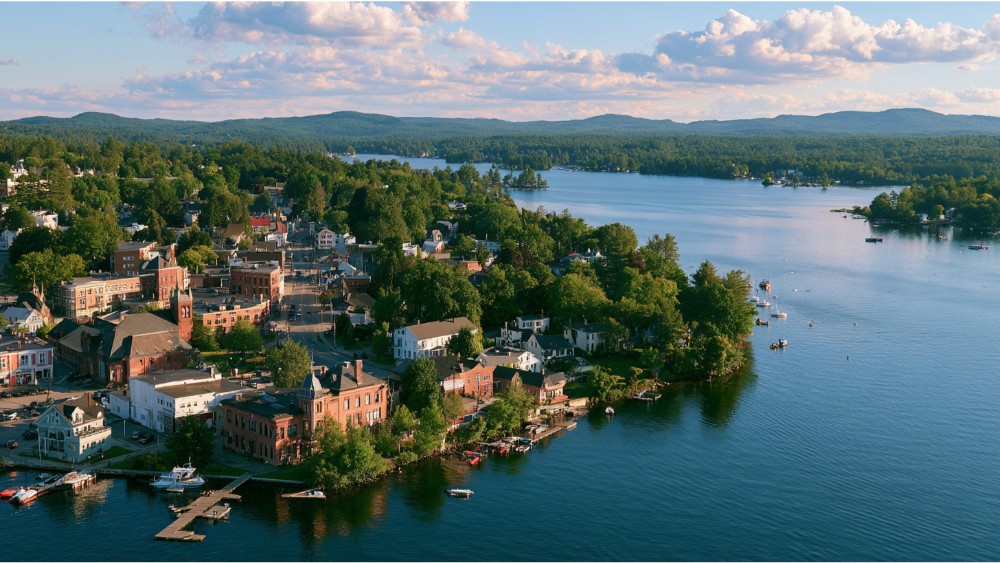
Why it made the list: A 2026 category ranking named Laconia its small lake-town winner, which makes it a useful Northeast alternative when everyone else is heading for the coast.
Best things to do: Boating and swimming in the Lakes Region, foliage drives, and the kind of outdoor recreation and slower pace that a lake week is supposed to deliver.
Best time to visit: Summer for the water, late September into October for color. Shoulder seasons are quiet and well priced.
How many nights: Two to three, longer if you’re renting on the water.
Getting there and around: Car needed. The main town area is compact, but the lakes are not.
Verify before you book: Big event weekends transform availability and traffic in this area. Check the local calendar before you lock in dates.
Why a vacation rental fits: Lake trips are made for a house with a dock. If foliage and historic covered bridges are the real goal, Stowe, Vermont is the alternative to compare.
The Most Charming Small Towns and Hidden Gems Worth a Day Trip
These are strong add-ons, day trip pairings, and charming towns that just missed the 12. A note on honesty: not everything below is a hidden gem. Some of the best-loved small towns in America, including Sedona and Carmel by the Sea, are established destinations with the crowds to match. Calling them undiscovered would be doing you a disservice. When a town has not been personally visited by whoever wrote it up, the practical details are usually the first thing missing, so treat any list light on logistics with a little suspicion.
Coastal Town Picks: Cannon Beach, Carmel by the Sea, and Hanalei
Cannon Beach, Oregon. Iconic Haystack Rock, hiking trails in Ecola State Park, and a downtown of cozy cafes and art galleries set against natural beauty that shows up even on gray days. Fog and rain are part of the deal outside high summer.
Carmel by the Sea, California. Winding streets, boutique shops, and a timeless, unhurried feel in one of the most photographed coastal town centers in the state. Practical booking tip: Carmel-by-the-Sea famously has no streetlights and no address numbers on homes, so confirm exact directions and a description of the property with your host before you arrive after dark.
Hanalei, Hawaii. A relaxed pace and no large resorts on Kauai’s north shore, with pristine beaches under green ridgelines. If soft white sand is your deciding factor, research individual beaches, and check road and access conditions in advance, since weather can close routes.
Mountain, Desert, and National Park Gateways: Sedona, Moab, Jackson, and More
Sedona, Arizona. Striking red rock formations and outdoor adventure in every direction, with natural beauty that draws hikers and photographers year-round. Trailhead parking is the constraint.
Moab, Utah. The gateway to two incredible national parks, Arches and Canyonlands, plus world-class mountain biking and enough outdoor recreation to keep nature lovers busy for a week. Timed-entry systems have applied at Arches in recent seasons.
Jackson, Wyoming. World-class skiing in the Teton Range and two national parks nearby.
Crested Butte, Colorado. Scenic trails start just outside town, and summer wildflowers are the draw.
Brevard, North Carolina. Roughly 250 accessible waterfalls nearby in the Pisgah region, tucked into the Blue Ridge Mountains, which makes it one of the easier Southeast picks for nature lovers.
The Black Hills, South Dakota. A cluster of small towns that works well as a road trip base for Custer State Park and the region’s other parks and monuments.
Before any park-gateway trip, check the official page for the national parks you’re visiting for timed entry, permits, and shuttle rules. They change year to year.
Hot Springs, Soaking Towns, and Stays With a Slower Pace
Ouray, Colorado. A tiny box-canyon town in the San Juans where the hot springs are the reason people stay an extra night. Winter access depends on mountain pass conditions.
Truth or Consequences, New Mexico. Small, offbeat, and built around geothermal bathhouses. Several soaking spots require reservations, so call ahead rather than walking in.
Calistoga, California. Mineral hot springs at the top of the Napa Valley, with a walkable main street and surrounding wineries within a short drive.
If the whole point of your trip is a slower pace, these are the towns that reward it. Nobody is rushing you out of a soaking pool.
Food, Arts, and Themed Towns: Beaufort, Leavenworth, Solvang, and Friends
Beaufort, South Carolina. Waterfront restaurants, a thriving arts scene of galleries and museums, and southern charm in a historic downtown that’s appeared in multiple films.
Leavenworth, Washington. Bavarian-style architecture along the main street, with restaurants and breweries to match. December weekends are extremely busy.
Solvang, California. A Danish-inspired town with European-style architecture, and an easy pairing with Santa Ynez wine country.
Fredericksburg, Texas. German heritage blended into the Texas Hill Country.
Bardstown, Kentucky. Farm to table restaurants and a farmers market in the heart of bourbon country.
San Luis Obispo, California. A farm-to-table food scene that makes it the natural inland partner to Pismo Beach.
Eureka Springs, Arkansas. Quirky, peaceful charm and preserved Victorian historic buildings on steep Ozark hillsides.
Woodstock, Vermont. A classic New England village feel, and about as charming a town green as the region offers, with antique stores around it.
Ojai, California. Recognized for wellness retreats and an artistic community.
Savannah, Georgia. Twenty-two historic squares, cobblestone streets down by the river, and one of the country’s great walking cities. We’re listing it as context only, because it comfortably exceeds our under-30,000 cutoff and isn’t a small town by this article’s definition.
How Do You Choose the Right Small Town for Your Travel Style?

Match the town to the trip you actually want:
- National park access: Bar Harbor or Moab.
- Car-free travel: Mackinac Island, with no real competition.
- Active mountain trips: Telluride, Hood River, or Crested Butte.
- Art and living culture: Taos or Marfa.
- Food and maritime history: Mystic or Beaufort.
- A coastal town road trip: Pismo Beach or Cannon Beach.
- A family lake or waterfront stay: Egg Harbor or Laconia.
- An extended remote-work stay: a town with a walkable core, reliable internet, and enough open midweek to keep you sane. Mystic, Hood River, and Port Townsend are all perfectly suited to it.
The difference between a good photo and a good trip is whether the town supports three or four days of ordinary life. Coffee shops that open early. A grocery store. A desk or a table where you can actually work. Somewhere to go when it rains. Small towns in America that can’t do those things are day trips wearing a vacation costume, and there’s nothing wrong with that as long as you plan accordingly.
When Is the Best Time to Visit Small Towns in the U.S.?
Spring. Shoulder pricing and thin crowds, with the tradeoff that some seasonal businesses and roads haven’t opened yet. Egg Harbor’s cherry blossoms typically appear around mid-May, but that timing swings with the weather.
Summer. Peak everything: peak access, peak crowds, peak rates. Book earliest for waterfront and island towns. Mackinac Island’s main visitor season runs May through October, and Hood River’s fruit season generally runs June through October.
Fall. Often the best combination of open attractions and breathing room, especially in mountain towns after the summer rush. Foliage weekends in New England are the exception and sell out early.
Winter. Ski towns peak. Ferry-dependent and lake towns largely shut down, with reduced schedules and shorter business hours. Hot springs towns are one of the few winter categories that get better in the cold.
One coastal caution: the Atlantic hurricane season runs June 1 through November 30, with climatological peak activity around September 10 and most activity concentrated from mid-August through mid-October, according to NOAA’s National Hurricane Center. That’s a planning and cancellation-policy consideration for small towns in America from Maine through the Southeast, not a forecast for your specific week.
Reservation windows shift every year. Acadia’s Cadillac Summit Road system runs May 20 through October 25 in 2026, and next year’s dates may differ. Verify on the official destination or park page before you book anything nonrefundable.
Vacation Rental Planning Tips for a Small-Town Stay

After 16-plus years of managing short-term and long-term rentals, these are the things that go wrong most often:
- Book early for peak foliage, summer waterfront dates, ski season, and festival weekends. In small towns, inventory is finite in a way it never is in a city.
- Confirm parking in writing. Walkable historic districts frequently have permit-only streets and no driveway.
- For island stays, sort out ferry timing, luggage handling, and how you get from the dock to the door before you pay.
- Ask about stairs, heating and cooling, and pet policies. Older homes in historic districts often lack central air.
- Set internet expectations before a remote-work stay. Ask for specifics, not a “yes, we have Wi-Fi.”
- Check whether local restaurants and attractions actually operate midweek and off-season. Plenty don’t.
- Read cancellation terms closely for hurricane, snow, and wildfire seasons.
- Never assume a “walkable downtown” means you can skip the rental car.
A whole-home stay earns its place on these trips. You get privacy, a kitchen for the mornings you don’t want to wait for a table, room for a family or group instead of two adjoining rooms, and a place to work between outings. That’s the feel-like-a-local rhythm that turns a long weekend into a real change of pace, and it’s why long-term vacation stays keep winning over the alternatives.
Frequently Asked Questions
What is the #1 small town in America?
There’s no official ranking, so anyone who tells you otherwise is picking a favorite. Bar Harbor, Maine topped a major 2026 small-town ranking, and it’s the strongest all-around pick if national park access is your priority. The honest answer is that “best” depends on your season and travel style.
What population is considered a small town?
There’s no federal standard. Travel lists use cutoffs anywhere from under 15,000 to under 50,000 residents, which is why the same list can feel inconsistent. For this article we use a full-time population under 30,000, based on the Census Bureau’s Vintage 2025 estimates as of July 1, 2025.
Which U.S. small towns can you visit without a car?
Mackinac Island, Michigan is the clearest example: private automobiles aren’t used for normal visitor transportation, and you get around by foot, bicycle, or horse-drawn carriage after arriving by ferry. Telluride’s free public gondola and the compact walkable cores in Mystic and Pismo Beach also reduce driving, but you’ll still need a vehicle to get there.
Where should you go for a short trip in the USA?
For two or three nights, pick a walkable town with a compact main street and low arrival friction: Mystic, Pismo Beach, Mackinac Island, or Georgetown. Save Bar Harbor, Telluride, Taos, and Marfa for four nights or more, since drive times, reservation systems, and spread-out attractions eat a short trip alive.
Your Rental. Your Way. Start Planning Your Stay in America’s Best Small Towns
Browse our current vacation destinations and national rental listings to see what’s available for the dates you have in mind. If a short escape in one of these small towns in America is quietly turning into something longer, run the numbers first with our Cost of Living Calculator or Rent vs. Buy Calculator before you commit to a move.
Ready to go? Search Now and book your travel, whatever shape your next getaway takes. And if you’re a property owner with a vacation or long-term rental sitting empty, we’ve been doing this since 2009: full service, broker-owned, tenant placement through rent collection and property inspections, nationwide. Call (800) 716-4950, text (608) 207-0657, or email info@ktrents.com. We respond within 24 hours.