

Alaska
Rental and for-sale inventory across cities we serve in this state.
Moving to Alaska? The Ultimate 2026 Guide
Explore
Cities in this state
Moving to Alaska in 2026 presents unique opportunities and challenges, including a projected economic growth rate of 2.5% and diverse living costs, with housing in Anchorage averaging $1,200 per month. Prospective residents should prepare for environmental adaptations and utilize available support services.
Unlocking the Adventure: Your Ultimate Guide to Moving to Alaska
2026 Outlook: What to Expect When Moving to Alaska
Economic Growth and Job Opportunities
In 2026, Alaska is projected to experience an economic growth rate of 2.5%, driven by its natural resources and tourism. The unemployment rate is expected to stabilize at 6.1%, slightly higher than the national average of 5.5%. Job opportunities will be prominent in the oil, fishing, and tourism sectors, offering varied employment for new residents. For instance, Alaska’s oil industry, a cornerstone of its economy, is expected to continue providing robust job opportunities, with companies investing in workforce development to meet future demands. Furthermore, the Alaska Railroad is expanding its operations, contributing to increased job openings in logistics and transport sectors.
Climate and Environmental Changes
Alaska’s climate in 2026 will continue to be influenced by global changes, with average temperatures rising by 1.5°F over the past decade. Winter months will still be characterized by dark winters and the midnight sun phenomenon during summer. Residents should prepare for an increase in natural events, including active volcanoes and increased precipitation by 10%. Additionally, the impact of these climatic changes on Alaska’s natural resources, such as glaciers and wildlife, will require ongoing adaptation and resilience strategies, which present unique learning and engagement opportunities for residents interested in environmental conservation and the great outdoors.
Technological Advancements in Remote Areas
Technological improvements are expected to enhance life in remote areas of Alaska by 2026. Internet connectivity is anticipated to reach 85% coverage, a significant increase from 70% in previous years. These advancements will support workforce development and improve access to educational resources, particularly in rural regions like Southeast Alaska. The implementation of new satellite technologies and collaboration with tech companies aim to bridge the digital divide, enabling residents to participate in global markets and access telehealth services, thus improving the quality of life and economic prospects in these remote communities.
Financial Insights: Cost of Living and Budgeting for Alaska
Understanding Living Expenses in Different Regions
The cost of living in Alaska varies significantly, with Anchorage being the largest city, where average monthly expenses can reach $2,500. In contrast, rural areas may have lower costs, around $1,800 per month, but higher transportation and heating expenses. Understanding these differences is crucial for effective budgeting. For example, while Anchorage offers more job opportunities and amenities, the high cost of living necessitates careful financial planning. Conversely, living in rural Alaska might offer cost savings on housing but demands budgeting for higher utility bills and transportation due to the lack of a comprehensive road system.
Housing Market Trends and Rental Costs
In 2026, the housing market in Alaska is expected to stabilize, with the average rental cost in Anchorage around $1,200 per month. Fairbanks and Juneau may see slight increases, with rental prices averaging $1,000. The market will be influenced by limited supply and high demand in urban areas, affecting overall affordability. Prospective residents should explore options such as shared housing or transitional housing programs that can provide a temporary solution while searching for permanent housing. Additionally, engaging with local real estate agents familiar with the nuances of Alaska’s housing market can provide strategic insights and better negotiation leverage.
Budgeting for Utilities and Groceries
Alaska’s utilities and grocery costs are notably higher than the national average due to its remote location. In 2026, the average utility bills, including heating, are projected to be $250 per month. Grocery expenses will remain elevated, with a monthly average of $400 for a family of four, necessitating careful budgeting. To mitigate these costs, residents can take advantage of community co-ops and local farmers’ markets, providing access to fresh, affordable produce. Additionally, investing in energy-efficient appliances and utilizing local resources for bulk purchasing can significantly reduce monthly expenditures, allowing for more financial flexibility.
Exploring Alaska’s Diverse Regions: Finding Your Ideal Home
Urban vs. Rural: Lifestyle and Cost Differences
Choosing between urban and rural living in Alaska involves lifestyle and cost considerations. Urban areas like Anchorage offer more amenities and job opportunities, but with higher living costs. Rural areas provide lower housing costs but may lack certain conveniences and require adaptation to a tight-knit community lifestyle. For instance, while Anchorage offers direct flights to other states, easing travel logistics, rural areas necessitate a different kind of self-sufficiency and community reliance, offering a unique blend of challenges and rewards for those seeking a quieter, more nature-oriented life.
The Uniqueness of Southeast Alaska
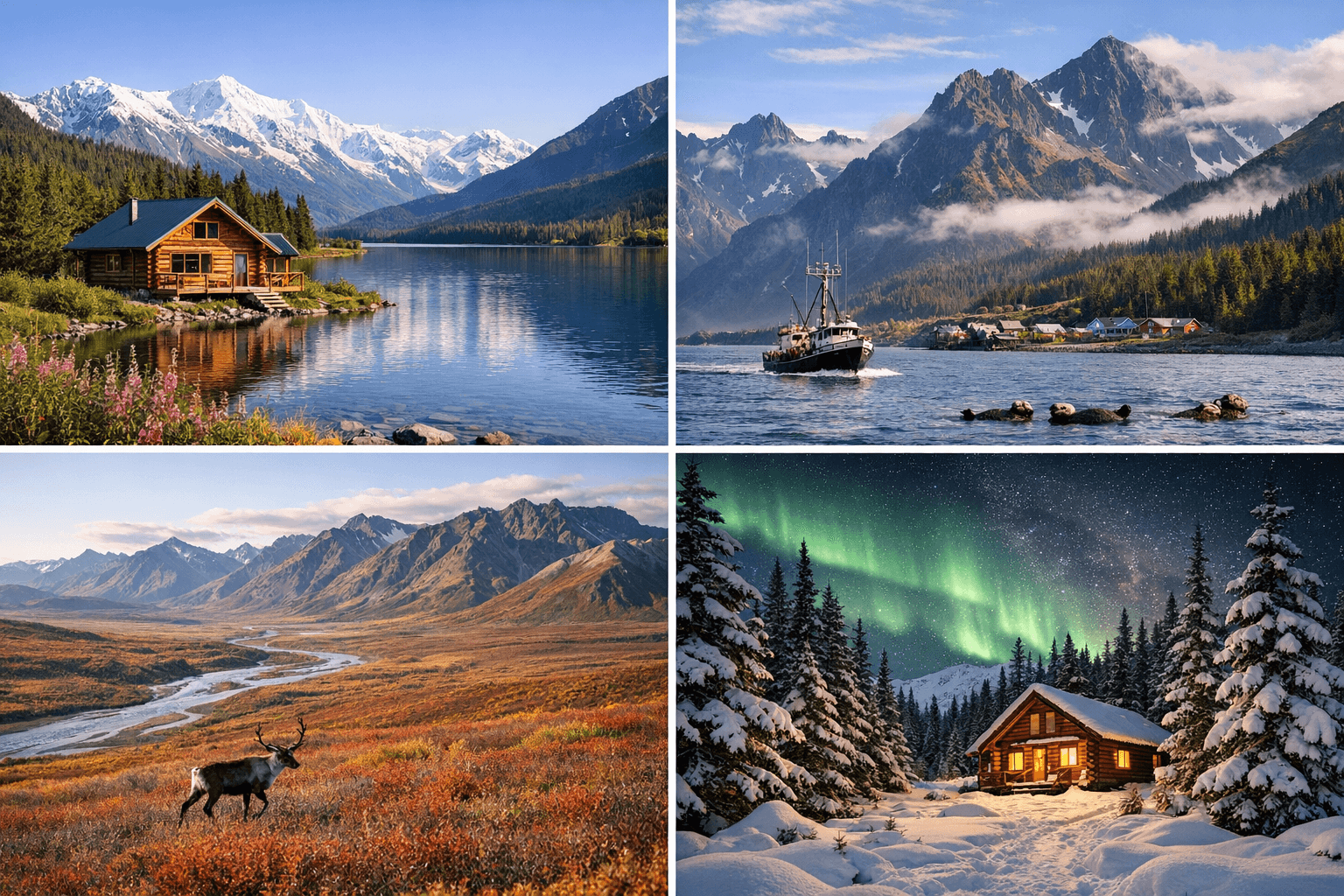
Southeast Alaska is renowned for its natural beauty and unspoiled wilderness, attracting those seeking an outdoor lifestyle. The region’s economy is supported by tourism and fishing, with living costs comparable to urban areas, approximately $2,200 per month. Its unique climate and geography offer both challenges and opportunities for residents. The presence of active volcanoes and the midnight sun create a dynamic environment that fosters a strong sense of community and resilience among residents, making it an attractive option for individuals passionate about nature and outdoor adventures like cross-country skiing and ice fishing.
Life in the Arctic and Northern Areas
Living in Alaska’s Arctic and northern regions offers a distinct experience characterized by harsh weather and limited services. Residents face high costs for heating and transportation, with monthly expenses averaging $2,000. However, the region’s stunning landscapes and opportunities for activities like cross-country skiing and ice fishing are appealing to many. The challenge of the dark winters is counterbalanced by the breathtaking vistas of the Northern Lights and the midnight sun during summer, creating a unique lifestyle that is both challenging and rewarding. Residents often engage in traditional activities, such as subsistence fishing and hunting, which not only supplement their food supply but also preserve cultural heritage.
Navigating the Moving Process: Step-by-Step to Alaska
Preparing for the Move: Essential Checklists
Moving to Alaska requires thorough preparation, including a checklist of essential tasks like securing housing, arranging transportation, and preparing for the high cost of plane tickets, which can range from $500 to $1,000. It’s important to account for the logistical challenges posed by the state’s remote location and road system limitations. Prospective movers should also consider timing their move to avoid the harsh winter months, simplifying the transition and reducing costs associated with moving during peak season. Utilizing resources such as relocation guides and connecting with local Alaskan communities online can provide invaluable support and insights.
Finding Reliable Moving and Transitional Support Services
Reliable moving and transitional support services are crucial for a smooth relocation to Alaska. Options include hiring experienced moving companies familiar with the state’s logistics, costing approximately $3,000 for a cross-country move. Transition services also offer assistance in navigating local regulations and settling into new communities. Engaging with services that specialize in Alaskan relocations ensures that the unique challenges of moving to the largest state in the country are addressed efficiently. Additionally, these services often provide valuable advice on acclimating to life in Alaska, from understanding local customs to exploring job opportunities.
Settling In: Connecting with Local Communities
Integrating into local communities is vital for new residents in Alaska. Joining local groups and participating in community events can ease the transition. Anchorage School District and local community centers offer programs to help newcomers connect, fostering a sense of belonging in their new environment. Engaging with community-led initiatives, such as local festivals and cultural events, provides opportunities to meet neighbors and build a supportive network. This involvement not only enhances the settlement experience but also contributes to the tight-knit community spirit that is a hallmark of Alaskan life, enriching the overall living experience in the Last Frontier.