

Arkansas
Rental and for-sale inventory across cities we serve in this state.
Moving to Arkansas? The Ultimate 2026 Guide
Explore
Cities in this state
Arkansas is expected to see a 1.5% economic growth by 2026, making it a viable location for new residents. The cost of living is 15% below the national average, with affordable housing being a significant factor. Northwest Arkansas is known for its natural beauty and innovation, offering a unique blend of lifestyle opportunities.
Moving to Arkansas: A Comprehensive Guide to the Natural State
2026 Economic and Lifestyle Forecast for Arkansas

Economic Growth Projections and Job Market
By 2026, Arkansas is projected to experience a 1.5% increase in its economic growth rate, driven by a surge in certain industries such as technology and manufacturing. The job market is poised for expansion, with the tech sector receiving substantial investments, particularly in Northwest Arkansas. This region is becoming a hub for tech startups due to its strategic central location and affordable housing options. An unemployment rate stabilizing around 3.8%, which is notably below the national average of 4.1%, reflects the state’s robust job market and thriving economy. The influx of new residents, drawn by Arkansas’s low cost of living and mild climate, is expected to further fuel this growth.
Lifestyle Changes and Technological Advancements
In 2026, approximately 40% of Arkansas households are expected to have access to high-speed internet, compared to 35% in 2023, marking a significant improvement in connectivity. This advancement is particularly transformative for rural Arkansas, where limited services had previously hampered economic prospects. Enhanced internet access is facilitating remote work opportunities, attracting professionals seeking the relaxed lifestyle and scenic beauty of the Ozark and Ouachita Mountains. This technological leap is also expected to spur economic growth in rural communities, creating a more balanced development across the state.
Arkansas’s Infrastructure Developments
Arkansas is investing $1.2 billion into infrastructure improvements by 2026, with a focus on roadways and public transportation. These developments aim to reduce commute times by 15%, significantly enhancing the quality of life for residents and improving connectivity to rural communities. The upgrades are also expected to bolster property values and attract businesses, boosting the state’s economic prospects. The expansion of the Arkansas River transportation network is another strategic move to improve logistics and trade, particularly benefiting industries dependent on efficient supply chain operations. These initiatives underscore Arkansas’s commitment to fostering sustainable growth and development.
Understanding the Financial Landscape: Cost of Living Across Arkansas
Comparing Regional Cost of Living
The cost of living in Arkansas is 15% lower than the national average, making it an attractive destination for relocation. In 2026, the average household in central Arkansas will spend $2,500 monthly, whereas in rural areas, expenses can be as low as $1,800 per month. This affordability is a key driver for new residents moving to Arkansas, particularly those seeking to escape the high costs associated with urban centers. The state’s low cost of living is complemented by its high sales tax, which is offset by the absence of high property taxes, providing a balanced financial environment for residents.
Housing Market Trends: Urban vs. Rural
Housing prices in Arkansas are expected to increase by 3% annually until 2026, with urban areas like Little Rock boasting an average home price of $250,000. In contrast, rural regions offer homes for about $150,000, providing affordable housing options for those seeking a slower pace and a connection to nature. The disparity in housing costs highlights the diverse living environments available in Arkansas, from the bustling city life in Little Rock to the tranquil rural areas of Northeast Arkansas. Prospective homeowners are drawn to Arkansas’s natural beauty and the opportunity to enjoy outdoor activities such as hiking in the Buffalo National River region.
Utilities, Healthcare, and Other Essential Costs
Utility costs in Arkansas are projected to remain stable, averaging $150 per month per household by 2026. Healthcare expenses are expected to grow by 2% annually, with the average annual healthcare cost reaching $5,200 per person. This increase is manageable within the context of Arkansas’s overall affordable living conditions. The state’s health care system is expanding, with initiatives aimed at improving access and quality, particularly in rural areas where limited services have been a challenge. Public schools are also receiving increased funding, ensuring that educational opportunities remain robust and accessible for all residents.
Exploring Arkansas: Key Regions to Consider for Your Move
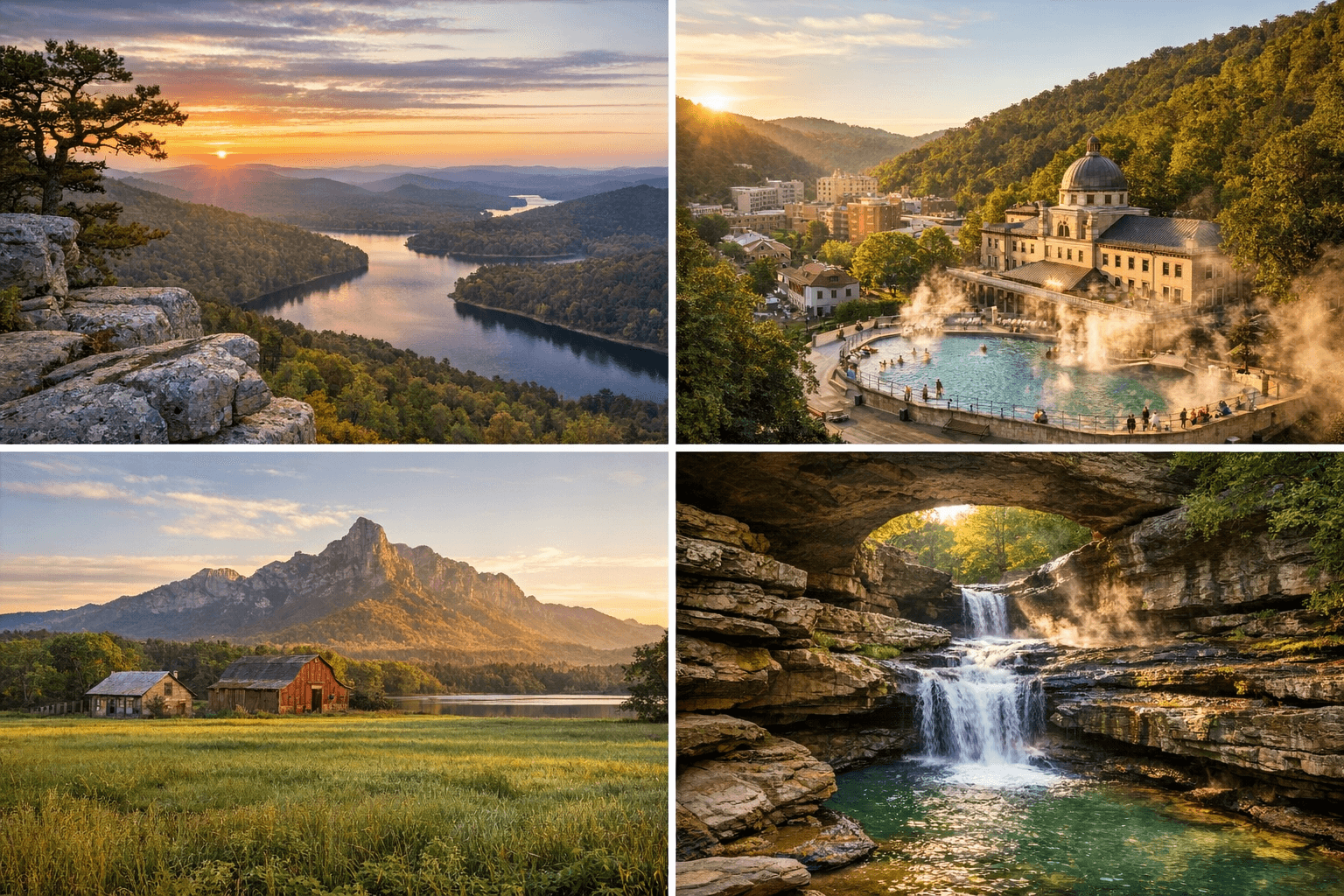
Northwest Arkansas: A Blend of Nature and Innovation
Northwest Arkansas, home to the Ozark and Ouachita Mountains, offers a unique mix of natural beauty and technological development. The region is expected to see a 10% population increase by 2026, driven by job opportunities in tech and education. The presence of companies like Walmart and the Crystal Bridges Museum enhances the region’s cultural and economic appeal. Outdoor enthusiasts will find a wealth of activities, from hiking to kayaking, while those seeking cultural experiences can enjoy community events and festivals. This blend of innovation and natural beauty makes Northwest Arkansas a prime destination for new residents.
Central Arkansas: The Heart of the State
Central Arkansas, including Little Rock, is projected to grow by 5% by 2026. This area is the state’s political and economic hub, offering numerous cultural and recreational activities. The average salary in this region is $50,000 annually, reflecting the economic vitality and job market diversity. Central Arkansas’s central location makes it a strategic choice for businesses and individuals alike, providing easy access to major transportation routes and amenities. The area’s natural beauty, including the Arkansas River and nearby Hot Springs, adds to its allure, offering residents a high quality of life with ample opportunities for outdoor recreation.
Southern Arkansas: Charm and Affordability
Southern Arkansas offers a low cost of living, with housing costs 20% below the state average. The region’s economy is expected to grow by 1% annually, attracting residents seeking affordability and a slower-paced lifestyle. The charm of small towns and the scenic beauty of areas like the Ouachita Mountains are significant draws for those moving to Arkansas. Southern Arkansas’s relaxed lifestyle and mild winters make it an ideal location for retirees and families looking for a peaceful environment. The region’s community spirit is evident in the numerous local events and festivals that bring residents together, fostering a strong sense of belonging.
Navigating Your Move: Step-by-Step Process to Settle in Arkansas
Preparing for the Move: Legal and Administrative Essentials
New residents must obtain an Arkansas driver’s license within 30 days of establishing residency. Additionally, updating your new address with the USPS and local authorities is crucial to ensure seamless integration into the community. State income tax in Arkansas is 5.9% for most income brackets, which is competitive compared to other states. Understanding the local taxes and legal requirements is essential for a smooth transition. Prospective movers should also familiarize themselves with upcoming elections and current law changes that may affect their new life in Arkansas.
Finding Your Community: Resources and Support Networks
Newcomers can find support through local community centers and online forums. Approximately 60% of Arkansas residents engage with neighborhood groups, providing newcomers with essential connections and support. These networks are invaluable for integrating into the community and learning about local culture and traditions. From Pine Bluff to Eureka Springs, Arkansas offers a variety of experiences and resources to help new residents feel at home. Engaging in community events and exploring local attractions can greatly enhance the moving experience, providing opportunities to meet new people and build lasting friendships.
Settling In: Education, Healthcare, and Everyday Life
Arkansas offers a variety of educational opportunities, with public school enrollment projected to reach 475,000 by 2026. Healthcare access is expanding, with 95% of residents expected to have coverage through state programs and private insurance. This expansion is critical for ensuring that all residents have access to quality health care services. The state’s mild climate and natural beauty make it an attractive destination for families and individuals alike. From enjoying outdoor activities in the Ozark Mountains to exploring historical sites, Arkansas offers a wealth of experiences for new residents. The slower pace of life and relaxed lifestyle contribute to a high quality of life, making Arkansas a desirable place to call home.