

Delaware
Rental and for-sale inventory across cities we serve in this state.
Moving to Delaware? The Ultimate 2026 Guide
Explore
Cities in this state
In 2026, moving to Delaware offers unique economic opportunities with a projected 4.5% growth rate. The state continues to provide tax-free shopping and boasts low property taxes at 0.56%, significantly below the national average of 1.07%. With diverse regions from bustling urban centers to serene coastal areas, Delaware meets various lifestyle preferences.
Discover the Benefits of Moving to Delaware in 2026
What Moving to Delaware Looks Like in 2026: Trends and Predictions

Understanding Delaware’s Economic Landscape in 2026
In 2026, Delaware’s economy is projected to grow by 4.5%, surpassing the national growth rate of 3.8%. This growth is fueled by robust sectors such as healthcare and financial services, with health care alone contributing over $4 billion annually. The state’s GDP is expected to reach $78 billion by 2026, reflecting its economic vitality. Delaware offers a unique blend of small town charm and bustling urban centers, making it an attractive location for businesses looking to tap into the East Coast market while enjoying lower operational costs compared to bigger cities.
The Impact of the COVID-19 Pandemic on Delaware’s Housing Market
Post-pandemic, Delaware’s housing market has stabilized with a median home price of $320,000, which is a 15% increase since 2020. Rental prices have also seen a moderate rise, with average monthly rents reaching $1,300, up 10% from pre-pandemic levels. These changes indicate a resilient market with steady demand. The demand is further bolstered by Delaware’s low property taxes, tax free shopping, and the appeal of living in Delaware’s vibrant communities that offer both natural beauty and easy access to major cities like Philadelphia and Baltimore.
Projected Growth and Opportunities for New Residents
Delaware aims to attract 10,000 new residents annually by 2026, offering incentives like job training programs valued at $20 million. The state anticipates a 7% increase in job opportunities, particularly in tech and logistics sectors. These prospects make Delaware a favorable destination for job seekers and families alike. Delaware means business when it comes to creating a welcoming environment for newcomers, providing resources and support to ensure a seamless transition into Delaware living.
Navigating Delaware’s Financial Landscape as a New Resident
Cost of Living: What You Need to Budget for in Delaware
Living in Delaware requires a monthly budget of approximately $4,500 for a family of four, which is 12% lower than the national average. Utilities cost around $150 monthly, while groceries average $450. These costs highlight Delaware’s affordability, especially when compared to neighboring states like New Jersey. The lower cost of living is complemented by Delaware’s low taxes, making it a great place for families to settle and enjoy a high quality of life without the financial strain found in other states.
Tax Benefits and Financial Incentives for Delaware Residents
Delaware offers significant tax advantages, including no sales tax and low property taxes at 0.56%. Compared to the national average of 1.07%, this represents substantial savings. Additionally, the state provides tax credits for green energy investments, promoting sustainable living. The financial benefits of living in Delaware are a major draw for residents, as they can enjoy more disposable income and invest in their futures while benefiting from the state’s commitment to environmental sustainability.
Employment Opportunities and Market Trends for 2026
In 2026, Delaware’s unemployment rate is expected to drop to 3.5%, with key industries like technology and healthcare driving job growth. The median salary is projected to rise to $55,000, a 5% increase from 2023. These trends indicate a healthy job market with diverse opportunities. The state’s proactive approach to economic development, coupled with its strategic location on the East Coast, provides job seekers with unparalleled access to career advancement opportunities in a variety of fields.
Exploring Delaware’s Diverse Regions: Where to Settle
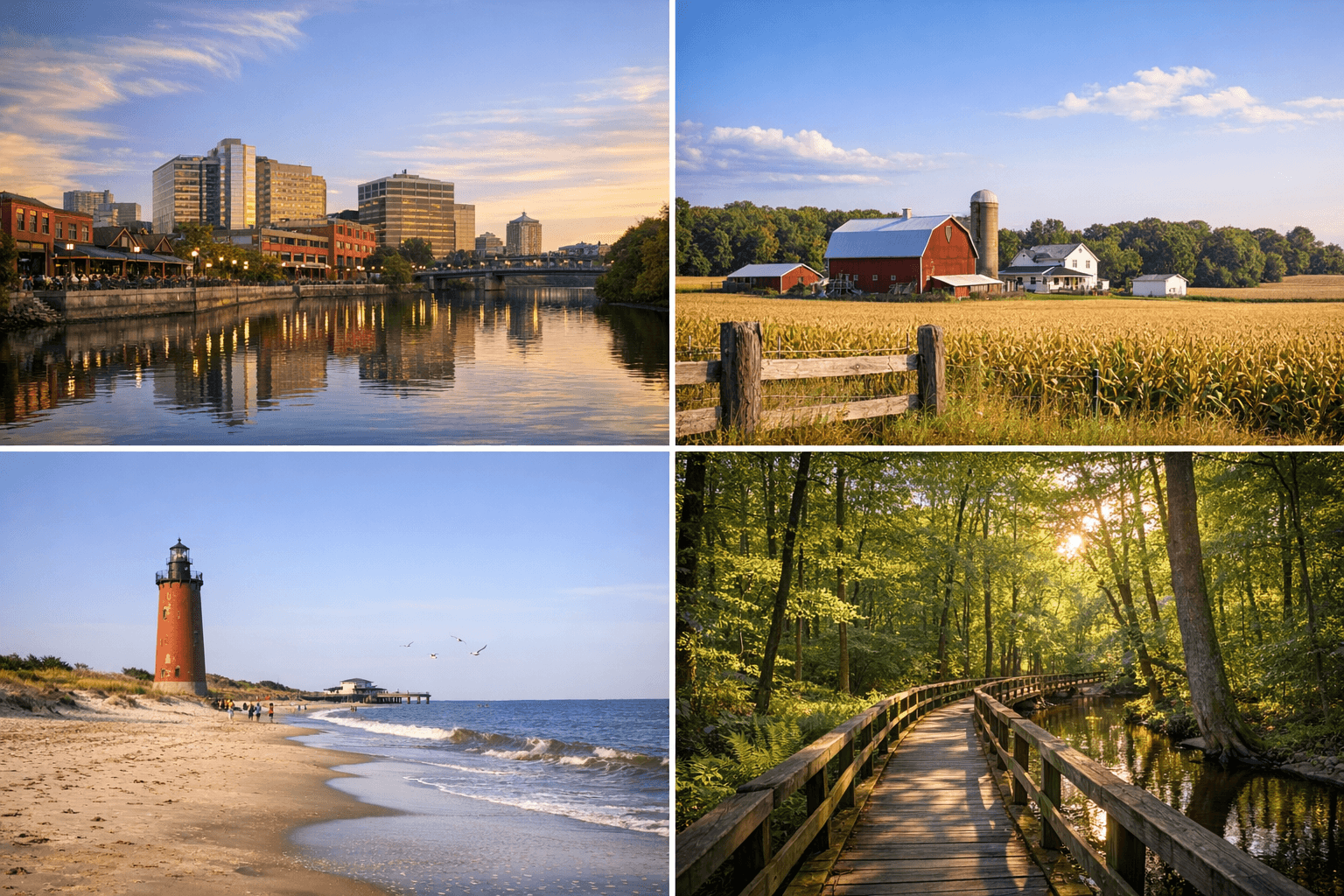
Northern Delaware: Urban Living with a Suburban Feel
Northern Delaware, including Wilmington, offers urban amenities with a suburban vibe. Housing prices average $350,000, reflecting a 10% increase since 2023. The area benefits from close proximity to Philadelphia, just a short drive of 30 miles, making it ideal for commuters seeking city access. Wilmington is known for its unique charm and vibrant community life, offering residents the best of both worlds with bustling urban centers and serene suburban landscapes.
Central Delaware: The Heartland of the First State
Central Delaware, with cities like Dover, combines historical charm with modern conveniences. The median home price here is $280,000, providing affordable options for families. The region’s population is expected to grow by 5% by 2026, driven by its strategic location and community appeal. Dover offers residents the chance to explore a rich tapestry of history while enjoying the comforts of modern living, making it an ideal location for families seeking a balanced lifestyle.
Southern Delaware: Coastal Charm and Rural Retreats
Southern Delaware, known for its pristine beaches like Bethany Beach, offers a slower pace of life. Housing costs average $300,000, which is 8% higher than in 2023, due to increased demand for coastal properties. The area is popular for retirees and those seeking natural beauty and outdoor activities. With stunning beaches and a close-knit community, Southern Delaware provides an idyllic setting for those looking to escape the hustle and bustle of bigger cities.
Step-by-Step Guide to a Seamless Move to Delaware
Preparing for the Big Move: Essential Steps and Checklists
To move to Delaware, start by creating a checklist that includes hiring movers, estimated at $1,500, and updating address details. Allocate 2-3 months for planning to ensure a smooth transition. Consider costs like initial rent deposits, typically one month’s rent, and utility setup fees averaging $100. For a successful relocation, it’s crucial to research and understand the specific requirements of moving to Delaware, such as securing health insurance and enrolling children in a suitable private school if needed.
Securing Housing: Renting vs. Buying in Delaware
Deciding between renting and buying depends on your financial situation. In Delaware, the average mortgage payment is $1,200 monthly, while renting a similar property costs $1,300. With a 3% increase in rental prices anticipated by 2026, buying could be a more stable long-term investment. Conducting a thorough ROI analysis can help prospective residents determine the most financially beneficial option, taking into account factors like housing prices, interest rates, and potential property appreciation.
Settling In: Community Integration and Building Local Connections
Integrating into Delaware communities involves participating in local events and programs. The state hosts over 100 community events annually, providing ample networking opportunities. Joining local clubs and associations can help newcomers build connections and feel at home in their new surroundings. Exploring Delaware’s vibrant community life offers new residents a chance to immerse themselves in the state’s culture and history, fostering a sense of belonging and connection.