

How Often Should Rental Properties Be Inspected by a Property Manager?
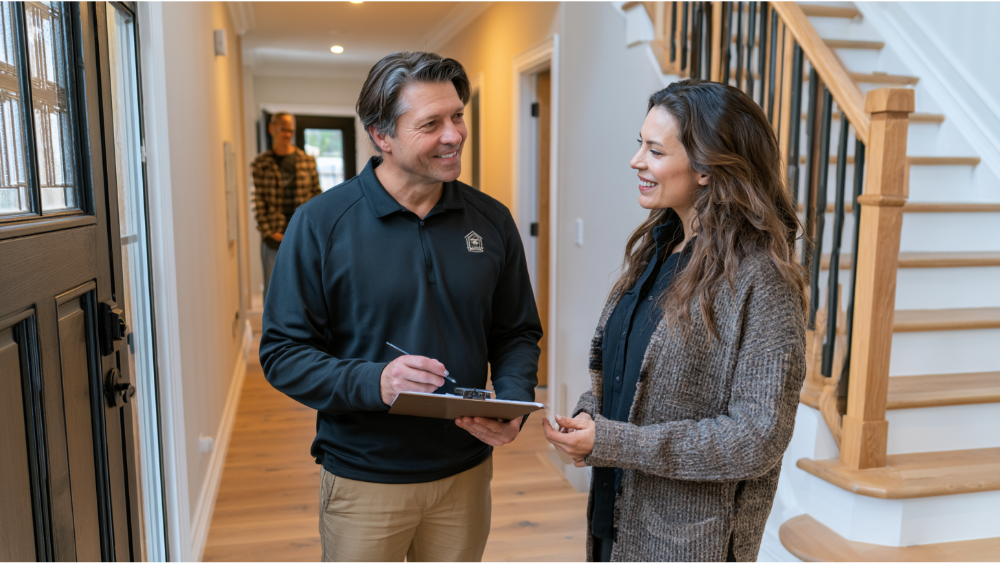

How Often Should Rental Properties Be Inspected by a Property Manager?
Why Property Inspections Matter More Than Ever in 2026
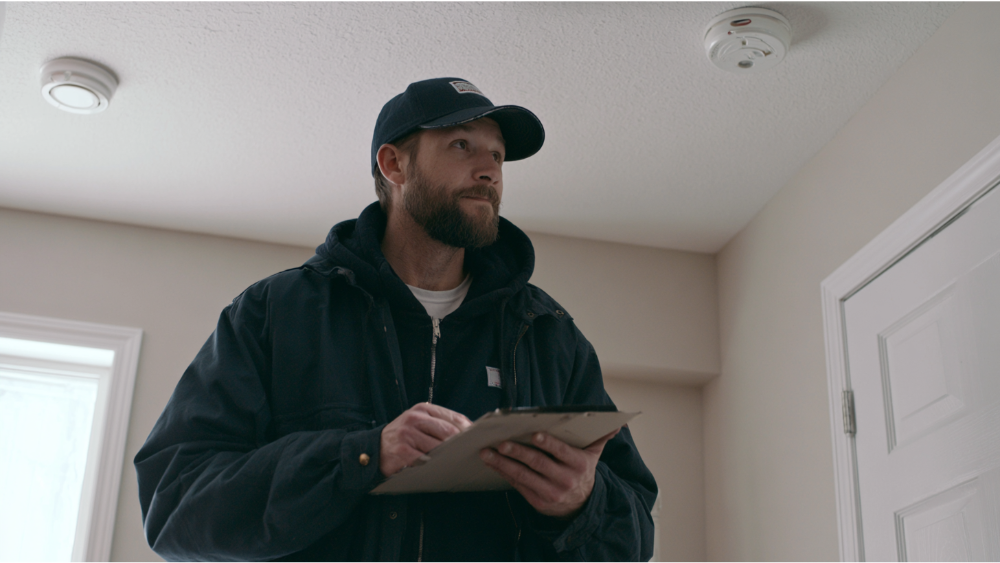
How often should rental properties be inspected by a property manager is one of the most important questions landlords face when trying to protect long-term asset value and reduce avoidable maintenance costs. In today’s competitive housing market, rental oversight has become a core function of professional property management rather than an optional service. When rental property inspections are conducted consistently, landlords are able to maintain stable occupancy, reduce repair expenses, and improve tenant satisfaction over the entire lease term.
In modern property management practice, inspections are not just about identifying damage; they are about preserving the long-term condition of the property, ensuring lease compliance, and protecting rental income. Without regular oversight, small maintenance issues can quickly escalate into costly repairs that significantly impact profitability. For most property owners, understanding inspection frequency is directly tied to maintaining both property value and tenant relationships.
What Is a Rental Property Inspection?
A rental property inspection is a structured evaluation of a rental property designed to assess condition, safety, and compliance with the lease agreement. These inspections are a key component of professional property management and are used to ensure the property remains in good condition throughout the tenancy.
Rental property inspections help landlords verify that tenants are properly caring for the home while also allowing property managers to identify maintenance issues early. This proactive approach helps prevent long-term damage and supports stable, predictable rental income.
Definition and Purpose of Property Inspections
The primary purpose of property inspections is to monitor the condition of the rental property, ensure lease compliance, and identify maintenance issues before they become expensive problems. A landlord inspect approach is typically scheduled in advance and documented to track changes in condition over time.
Property inspections also help prevent lease violations such as unauthorized pets, damage to flooring or walls, or misuse of electrical systems and electrical outlets. When inspections are performed consistently, landlords are better able to maintain control of their property while supporting a positive rental experience for tenants.
Types of Rental Property Inspections
Rental property inspections typically include several structured categories:
- Move-in inspection: Completed before tenants take possession.
- Routine rental property inspections: Conducted during the lease term.
- Mid-lease inspection: To evaluate ongoing condition.
- Move-out inspection: Completed at the end of tenancy.
- Annual inspection: Focused on major systems and safety.
Each rental property inspection plays a critical role in maintaining long-term property performance and ensuring consistency across the entire rental journey.
How Often Should Rental Properties Be Inspected?

Most landlords want a clear answer to how often a landlord should inspect rental property and what schedule provides the best balance between oversight and tenant privacy. The general standard in modern property management is that inspections should occur multiple times per year rather than only at move-in and move-out.
Regular rental property inspections are essential for maintaining property condition, protecting rental income, and ensuring that tenants are complying with the lease agreement throughout the lease term.
Industry Standard: Quarterly Inspections
Quarterly inspections are the most widely accepted standard in professional property management. This means inspections occur approximately every three months and are considered the ideal balance between proactive maintenance and tenant privacy.
Quarterly rental inspections allow property managers to identify maintenance issues early, document changes in condition, and ensure tenants are following lease requirements. This frequency also helps reduce the risk of costly repairs by addressing small problems before they escalate.
Exterior and Routine Inspections
In addition to interior inspections, many property managers conduct routine exterior checks. These inspections focus on the property exterior, including landscaping, drainage, and visible structural concerns.
Regular inspections of the exterior help maintain property value and ensure the home remains visually appealing for both current tenants and future renters.
Annual Inspection Practices
An annual inspection is typically performed to evaluate major systems such as heating, cooling systems, plumbing, and electrical systems. This inspection ensures the property remains safe, functional, and compliant with long-term maintenance standards.
Annual inspections also support long-term budgeting and help property owners plan for future repairs rather than reacting to emergencies.
Risk-Based Inspection Scheduling
Modern property management increasingly uses risk-based scheduling to determine inspection frequency. Higher risk properties may require more frequent inspections, especially if there is a history of lease violations, maintenance issues, or rapid tenant turnover.
This approach ensures that inspections are tailored to the specific property rather than applying a one-size-fits-all model.
Legal Requirements for Property Inspections
Rental property inspection laws vary by location, but most local regulations require landlords to provide proper notice before entering a rental property. These notice requirements are designed to protect tenant privacy while still allowing landlords to maintain their investment.
Notice Requirements and Tenant Rights
Landlords are generally required to provide written notice before conducting inspections. Proper notice is typically 24 to 48 hours depending on local regulations and must be given within reasonable timeframes.
Inspections should also take place during normal business hours unless otherwise agreed. These requirements ensure that tenants are informed and that inspections are conducted fairly and legally.
Tenant Privacy and Legal Balance
Tenant privacy is protected under most rental laws, but landlords still retain the right to inspect their property. The key is maintaining a balance between quiet enjoyment of the rental unit and necessary oversight.
Failure to follow local laws or lease agreement terms can result in disputes or legal action, making compliance a critical part of any inspection strategy.
What Happens During a Professional Rental Property Inspection?
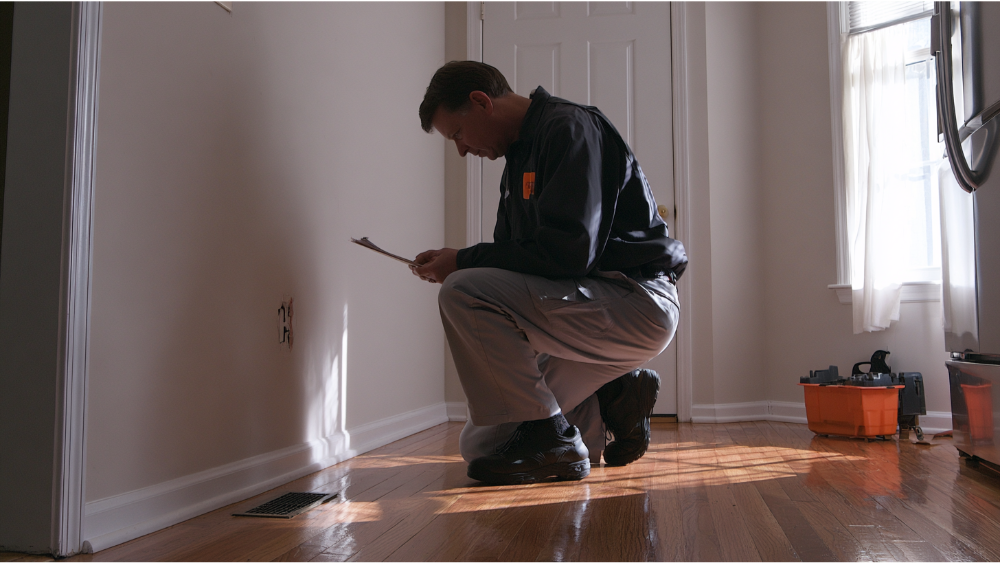
A professional rental property inspection follows a structured process designed to evaluate the overall condition of the property and identify maintenance issues early.
Interior Inspection Checklist
A typical rental inspection checklist includes:
- Flooring and wall condition
- Plumbing systems and leak detection
- Electrical outlets and electrical systems
- Appliances and HVAC performance
- Signs of damage or lease violations
- Unauthorized pets or occupants
These inspections help ensure the property remains in good condition and that tenants are following lease expectations.
Exterior Inspection Checklist
Exterior inspections evaluate the property exterior, including roofing, drainage, siding, and general structural condition. These checks are essential for preserving property value and preventing long-term deterioration.
Documentation and Reporting
All inspections should be fully documented with written reports and photographs. This documentation provides a clear record of property condition over time and supports decisions related to maintenance and security deposit deductions.
Why Regular Inspections Protect Your Investment
Regular property inspections are one of the most effective tools landlords can use to protect long-term investment performance.
Preventing Costly Repairs
Consistent inspections help identify maintenance issues early, reducing the likelihood of costly repairs that can significantly impact rental income and property value.
Improving Tenant Accountability
When tenants know inspections occur regularly, they are more likely to maintain the property properly. This helps improve tenant satisfaction and supports a positive landlord-tenant relationship.
Supporting Security Deposit Accuracy
Move-in inspection and move-out inspection processes ensure that security deposit decisions are based on documented condition rather than disputes or assumptions.
Common Mistakes Landlords Make With Inspections

Many landlords underestimate the importance of structured inspections or fail to conduct them consistently.
Inspecting Too Infrequently
When inspections are too infrequent, maintenance issues can go unnoticed and develop into costly repairs that could have been prevented.
Over-Inspecting the Property
Excessive inspections can create tenant dissatisfaction and may violate privacy expectations if not handled properly.
Poor Documentation Practices
Without proper documentation, landlords lose critical visibility into property condition trends, making it harder to manage disputes or plan maintenance.
How Property Managers Handle Inspections
Professional property managers use structured systems to ensure inspections are consistent, documented, and effective across all properties.
Scheduled Inspection Cycles
Property managers conduct inspections on a recurring schedule, often quarterly, to ensure consistent oversight of every rental property. This schedule allows them to perform routine inspections that keep the property in top shape.
Technology in Property Management
Modern property management relies on digital tools to streamline inspections, track maintenance issues, and improve communication with tenants.
Maintenance Coordination
After inspections, property managers coordinate repairs quickly to ensure maintenance issues are resolved before they impact property condition or tenant satisfaction. This approach helps guarantee a successful rental property inspection every time.
Special Considerations for Different Rental Types

Different types of rental properties require different inspection strategies based on usage and turnover.
Long-Term Rentals
Long-term rental properties typically follow quarterly inspection schedules with annual system reviews to ensure stability and long-term performance.
Short-Term Rentals
Short-term rentals require more frequent inspections due to higher occupancy turnover and increased usage of the property.
How KT Rents Supports Property Inspections
KT Rents follows a structured property management system designed to ensure consistent inspection scheduling, detailed documentation, and proactive maintenance coordination. Each rental property is placed on a tailored inspection cycle that supports long-term condition management, tenant satisfaction, and financial performance.
Through routine rental property inspections, structured move-in inspection and move-out inspection processes, and detailed reporting, KT Rents helps landlords maintain strong control over their properties while reducing stress and improving operational efficiency. This approach ensures that maintenance issues are identified early, lease compliance is enforced, and property value is preserved over time.
Additionally, KT Rents understands the importance of timely inspections around key tenant moves, ensuring properties are ready for new tenant occupancy and that rent payments are not disrupted.
Frequently Asked Questions (FAQs)
How often should a landlord inspect rental property?\
As a general rule, landlords should conduct inspections at least twice a year, with quarterly inspections recommended for proactive property management or higher-risk properties. Move-in and move-out inspections are also essential.
Can a tenant refuse a landlord inspection?\
Tenants can refuse entry if proper reasonable notice is not given or if inspections violate their right to quiet enjoyment. However, tenants generally cannot refuse inspections scheduled with prior notice and tenant consent as outlined in the lease.
How much notice must landlords provide before inspections?\
Most jurisdictions require landlords to provide at least 24 to 48 hours’ prior notice before entering a rental property. This reasonable notice period allows tenants to prepare and ensures legal compliance.
What happens if a landlord enters without proper notice?\
Entering without proper notice can lead to tenant claims of constructive eviction or legal action against the landlord. It may also harm landlord-tenant relationships and violate tenant privacy rights.
What should be included in a rental property inspection checklist?\
A thorough inspection checklist covers interior elements like flooring, walls, plumbing, electrical systems, appliances, and signs of lease violations, as well as exterior features such as roofing, drainage, and landscaping.
How do property managers handle inspections?\
Professional property managers conduct scheduled inspections, document findings with photos and reports, coordinate timely maintenance, and ensure compliance with local laws and lease agreements.
Conclusion
Regular rental property inspections are a cornerstone of successful property management. By conducting thorough and timely inspections, balanced with respecting tenant rights and providing reasonable notice, landlords can protect their investment, maintain property value, and foster positive tenant relationships. Whether through quarterly visits, move-in and move-out checklists, or routine exterior assessments, a structured inspection strategy helps prevent costly repairs, supports lease compliance, and ensures a safe and well-maintained rental environment. Partnering with experienced property managers who perform routine inspections can further streamline this process, ensuring inspections are thorough, documented, and legally compliant, ultimately safeguarding long-term rental income and asset performance.