

Illinois
Rental and for-sale inventory across cities we serve in this state.
Moving to Illinois? The Ultimate 2026 Guide
Explore
Cities in this state
Illinois is expected to experience significant economic growth by 2026, driven by industries like technology and healthcare. The cost of living varies widely between urban and rural areas, with property taxes significantly impacting budgets. Newcomers can find extensive resources to help integrate into Illinois communities.
Moving to Illinois: Your Ultimate Guide to a Smooth Transition
2026 Economic Outlook: How Illinois is Shaping Up
Projected Economic Growth and Trends
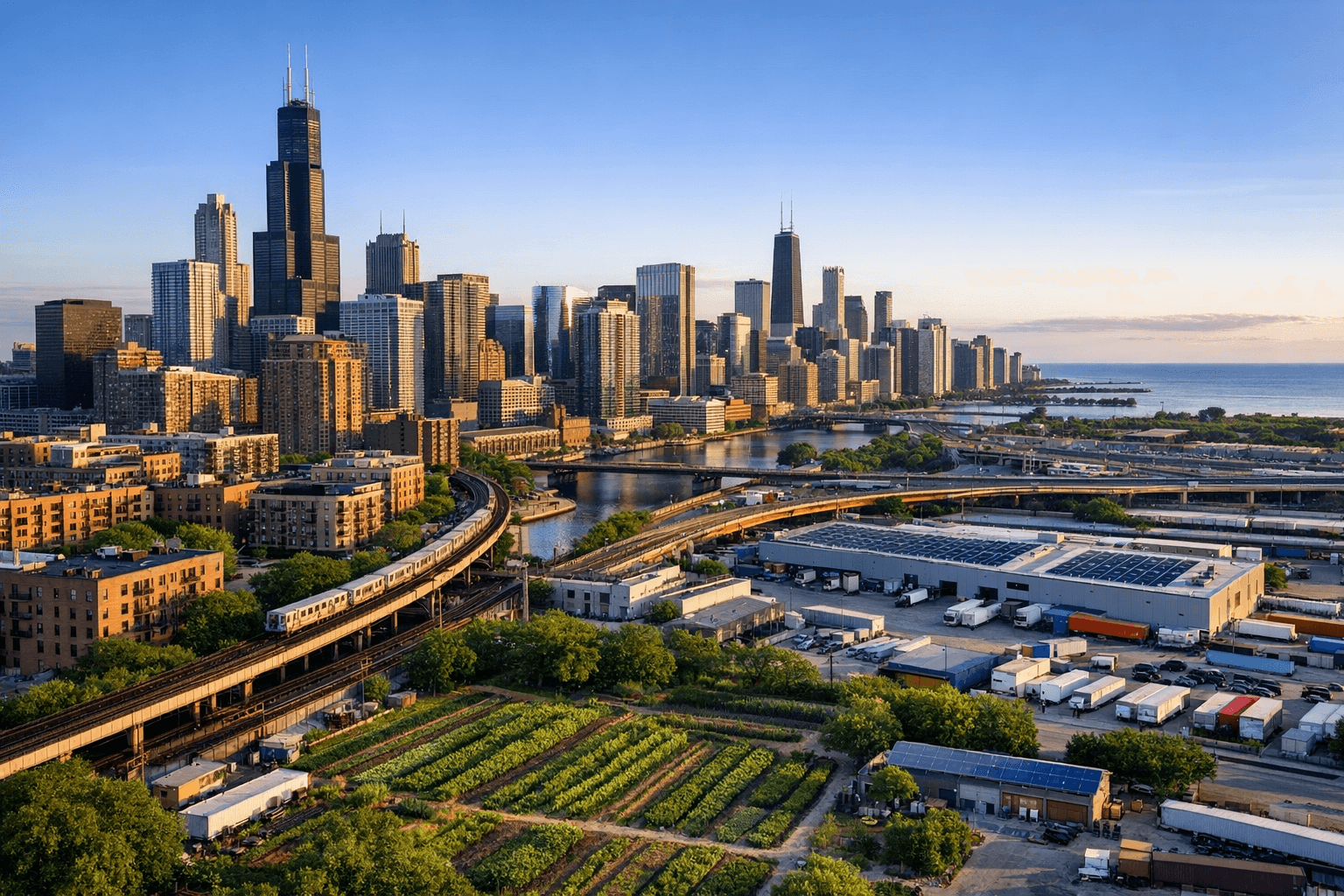
By 2026, Illinois is projected to experience a GDP growth of 3.2%. The state is investing heavily in infrastructure, with $45 billion allocated for improvements. Unemployment rates are expected to decrease to 4.5%, indicating a robust job market. This growth is fueled by initiatives in transportation infrastructure, aiming to enhance connectivity between Chicago and other parts of the state, like Southern Illinois. This connectivity not only reduces transportation costs but also attracts businesses looking for efficient logistics solutions, thus boosting the entire state’s economic landscape.
Key Industries Driving Illinois Forward
Key industries such as technology and healthcare continue to drive Illinois’s economy. The tech sector is expected to grow by 5% annually, while healthcare services anticipate a growth rate of 4%. Manufacturing also remains a significant contributor, employing over 500,000 residents statewide. Illinois’s strategic position as a transportation hub offers a competitive advantage for manufacturers, allowing seamless access to both domestic and international markets. This, coupled with the presence of top universities fostering innovation, makes Illinois a great place for tech startups and healthcare advancements.
Impact of Upcoming Policies on Residents
New policies in Illinois, including tax incentives for green energy, are set to attract new businesses. Property tax reforms are under review, which could impact 65% of homeowners. Additionally, state minimum wage increases to $15 by 2026, affecting over 1.4 million workers. These policies aim to make Illinois more competitive and livable, with a focus on sustainability and economic growth. Residents can expect a better quality of life as these reforms may lead to reduced property taxes and increased job opportunities, particularly in rural areas and charming small towns.
Financial Planning for Your Illinois Move: Budgeting Essentials
Cost of Living: Urban vs. Rural Areas
The cost of living in Illinois varies significantly, with urban areas like Chicago having a cost of living index of 120, compared to rural regions at 90. Transportation costs in urban areas are 15% higher than the national average. Rural areas offer more affordable housing options, with median home prices around $150,000. For those moving to Illinois, it’s crucial to evaluate lifestyle preferences and budget constraints. Nature lovers might find the serene environment of Shawnee National Forest in Southern Illinois appealing, while professionals might be drawn to the vibrant job market in Chicago, despite higher living costs.
Understanding State Taxes and Incentives
Illinois imposes a flat income tax rate of 4.95% as of 2026. Property taxes are among the highest in the nation, averaging 2.31% of home value. However, new residents can benefit from incentives such as the EDGE tax credit, aimed at attracting new businesses and creating jobs. This tax structure requires careful financial planning, especially for families and businesses considering relocating. By leveraging available incentives and understanding tax liabilities, new residents can optimize their financial outcomes and integrate successfully into Illinois’s economic framework.
Housing Market Overview: Buying vs. Renting
The Illinois housing market presents varied opportunities, with median home prices at $250,000. Renting remains a feasible option, with average monthly rents in Chicago around $1,500. Outside the city, rents drop to an average of $900, providing affordable living for newcomers. The decision to buy or rent should be guided by long-term plans and financial capability. Programs like ‘Welcome Home Illinois’ can aid first-time buyers, offering down payment assistance and favorable loan terms, making homeownership more accessible in both urban and rural regions of the state.
Exploring Illinois Regions: Finding Your Perfect Fit

Chicago and Surrounding Areas: The Urban Experience
Chicago, known as the Windy City, is Illinois’s third-largest city, offering diverse job opportunities. The city features distinct neighborhoods, with Lincoln Park and West Loop being popular among young professionals. Chicago’s public transit system serves over 1.6 million residents, providing efficient access across the city. The vibrant cultural scene, coupled with historical landmarks like the Art Institute of Chicago, makes it an engaging destination for newcomers. The presence of renowned sports teams, like the Chicago White Sox, adds to the city’s entertainment appeal, making it a good fit for sports enthusiasts.
Central Illinois: Balancing Life and Work
Central Illinois offers a balanced lifestyle with cities like Springfield and Peoria. The region’s job market focuses on healthcare and education, employing over 200,000. Springfield, known for its historical sites, provides a lower cost of living, with median home prices at $180,000, making it ideal for families. The area boasts a rich history, with sites like the Lincoln Home National Historic Site and the Abraham Lincoln Presidential Library, offering educational and cultural enrichment for residents and visitors alike. It’s an excellent choice for those seeking a blend of professional opportunities and community life.
Southern Illinois: Embracing the Rural Charm
Southern Illinois presents a rural charm with attractions like Shawnee National Forest. The area is perfect for nature lovers, with 280,000 acres of protected land. McHenry County offers small-town living, with property taxes lower than the state average, making it a good fit for those seeking a quieter life. The region’s focus on agriculture and community-driven living provides a close-knit environment, where residents often engage in local events and festivals, fostering a strong sense of belonging and connection to the land.
Step-by-Step Moving Process: From Planning to Settling In
Pre-Move Checklist: Organizing Your Transition
Before moving to Illinois, organize essential documents such as ID and financial records. Plan your budget, considering transportation costs and initial housing expenses. Schedule moving services at least two months in advance to ensure availability and cost-effectiveness. It’s also advisable to explore maps of your new area to familiarize yourself with the location and amenities. Engaging with online community forums can provide insights into local culture and help you connect with future neighbors before your move.
Navigating the Illinois Housing Market
Research the Illinois housing market thoroughly, focusing on areas that meet your lifestyle needs. Consider property taxes, which vary by region, and seek pre-approval for mortgages to streamline the buying process. Renting initially can offer flexibility while exploring the area. Engage with local real estate agents who specialize in Illinois’s diverse regions to gain expert insights and make informed decisions. Their knowledge of the market trends and neighborhood dynamics can be invaluable in finding the best places to live.
Integrating into Your New Community
Upon arrival, engage with local community resources like libraries and recreational centers. Illinois offers newcomer programs such as ‘Welcome Home Illinois,’ which aids in community integration. Attend local events to meet residents and familiarize yourself with the community’s culture. Volunteering for local organizations or joining clubs related to your interests can also enhance your social network and ease the transition. Such involvement not only enriches personal life but also strengthens community ties, making the new environment feel like home.