

Indiana
Rental and for-sale inventory across cities we serve in this state.
Moving to Indiana? The Ultimate 2026 Guide
Explore
Cities in this state
Moving to Indiana offers a mix of affordable living and economic opportunities, with the state’s economy projected to grow by 3% annually through 2026. The cost of living is 10% below the national average, making it an attractive destination for newcomers. Various regions offer diverse lifestyles, from urban Indianapolis to scenic Southern Indiana.
Moving to Indiana: Your Comprehensive Guide to an Affordable and Exciting New Life
Indiana’s 2026 Outlook: Economic Growth and Opportunities

Projected Economic Growth in Indiana
Indiana’s economy is projected to grow by 3% annually through 2026, positioning it as a competitive state for newcomers. This growth is supported by a robust manufacturing sector that contributes over $100 billion to the state’s GDP. The state’s economic stability attracts job seekers from across the nation. As a vital part of the Midwest, Indiana offers a strategic central location that facilitates easy access to major cities like Chicago, Louisville, and Indianapolis, enhancing trade and commerce opportunities.
Key Industries Driving Indiana’s Economy
Manufacturing, healthcare, and agriculture are the key industries driving Indiana’s economy. In 2026, manufacturing alone is expected to employ over 550,000 people, making up 17% of the state’s workforce. Healthcare services are also expanding, with a projected growth rate of 2.5% per year. Purdue University and Indiana University play significant roles in research and development, further strengthening these sectors. The state’s commitment to innovation in agriculture and renewable energy sources highlights its adaptability and forward-thinking economic strategies.
Job Market Trends: What to Expect
Job market trends in Indiana indicate a shift towards technology and healthcare sectors. By 2026, jobs in tech are expected to grow by 15%, significantly outpacing the national average growth of 8%. This trend is beneficial for skilled professionals looking to relocate to Indiana. The presence of tech hubs in cities like Indianapolis and the development of charter schools focused on STEM education ensure a steady pipeline of talent, making Indiana a haven for tech companies and startups. The state also offers incentives for small businesses, which boosts entrepreneurship and innovation.
Financial Considerations for New Indiana Residents
Understanding Indiana’s Cost of Living
Indiana’s cost of living is approximately 10% below the national average, making it an affordable choice for many. Housing costs, a major expense, are 15% lower than the national median, with the median home price in Indiana being $190,000 as of 2026. This affordability extends into everyday expenses, with low utility costs and property taxes. Additionally, the state’s commitment to maintaining low crime rates and providing quality education through both public and private schools ensures a high quality of life for families and individuals alike.
Navigating State Taxes and Local Fees
Indiana has a flat state income tax rate of 3.23%, which is competitive compared to other states. Property taxes are around 0.85% of assessed value, below the national average of 1.07%. Understanding these taxes is crucial for budgeting. The state’s proactive approach in keeping taxes affordable attracts newcomers and businesses, contributing to the vibrant economic landscape. Moreover, the streamlined tax system reduces the burden on residents, allowing them to allocate more resources towards personal and professional growth.
Budgeting for Home Purchase or Rental
For those looking to purchase a home in Indiana, the median home price is $190,000, allowing for more affordable options compared to many states. Renting is also economical, with the average rent for a two-bedroom apartment at $950 per month, which is 20% less than the national average. The low cost of living, combined with the attractive housing market, provides a significant return on investment for both homeowners and renters. Indiana’s diverse neighborhoods, from vibrant urban areas to tranquil small towns, offer something for everyone, ensuring a satisfying living experience.
Exploring Indiana’s Diverse Regions: Where to Settle
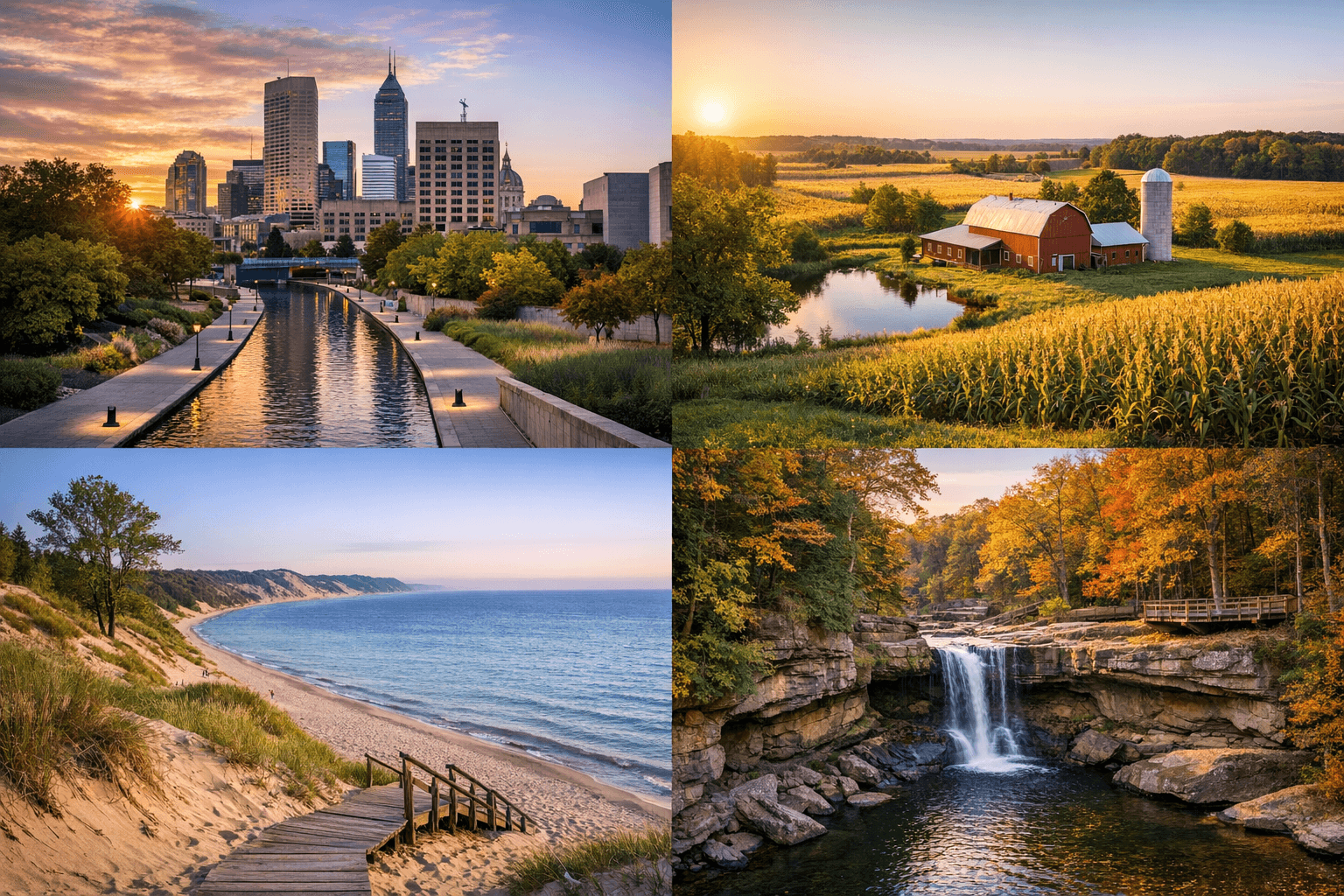
The Cultural and Economic Landscape of Central Indiana
Central Indiana, home to Indianapolis, offers a dynamic urban life with cultural landmarks like the Indianapolis Motor Speedway. The area’s economy is bolstered by tech startups and small businesses, contributing to a 3.5% annual growth rate in job opportunities. Indianapolis offers a rich tapestry of cultural experiences, from museums and theaters to beautiful parks and outdoor activities, making it a great place for families and individuals seeking a balanced lifestyle. The community’s focus on innovation and sustainability ensures a promising future for all residents.
Northern Indiana: Balancing Urban and Rural Living
Northern Indiana provides a mix of urban and rural lifestyles. The area, including cities like Fort Wayne, has a median home price of $180,000 and offers proximity to Chicago. Job growth in this region is expected to be 2% annually through 2026. The northern half of Indiana is known for its beautiful Indiana Dunes National Park, where residents and visitors can enjoy the natural beauty and outdoor recreation. This region’s affordable cost of living, combined with its vibrant community spirit, makes it an attractive option for those seeking a harmonious blend of city and country life.
Southern Indiana: Scenic Views and Community Spirit
Southern Indiana is known for its scenic beauty and strong community spirit. With housing costs 12% below the state average, it is an attractive area for families. The region’s tourism industry, driven by beautiful parks and outdoor activities, is expected to grow by 4% annually. Small towns in this area offer a close-knit community feel, while bigger cities like Louisville are easily accessible for work and leisure. The emphasis on preserving natural landscapes and promoting local art and culture enhances the quality of life in this picturesque part of Indiana.
Step-by-Step Moving Process: Settling in Indiana
Pre-Move Checklist: Planning and Pitfalls to Avoid
Planning a move to Indiana requires careful consideration of logistics and timelines. It’s recommended to start planning at least three months in advance. Common pitfalls include underestimating moving costs, which average $2,500 for a cross-state relocation. To maximize ROI, consider using KT Rents, a platform that offers cost-effective solutions for rentals and moving services, ensuring a smooth transition without unexpected expenses. Utilizing expert advice and resources can significantly reduce stress and streamline the moving process.
Understanding Local Laws and Regulations
Familiarity with local laws, such as vehicle registration and zoning regulations, is crucial. Indiana requires new residents to register vehicles within 60 days of moving. Understanding tenant rights and landlord obligations can prevent legal issues for renters. Engaging with local community groups and forums can provide valuable insights into regional specifics and help newcomers acclimate faster. Staying informed about local policies and changes ensures compliance and promotes a hassle-free experience in your new home.
Essential Services Setup: Utilities, Internet, and More
Setting up essential services in Indiana involves selecting from multiple utility providers. On average, monthly utility costs are $150, while high-speed internet services start at $50 per month. Timely setup ensures a smoother transition. Companies like Duke Energy and Comcast offer reliable services throughout the metro area, ensuring that residents have access to modern conveniences. Early coordination with service providers can prevent delays and ensure that your new home is fully operational from the day you move in.