

Lake House Vacation Ideas: Plan a Trip Everyone Will Enjoy

Key Takeaway
Lake house vacation ideas work best when you choose your trip style first, whether that is an unplugged retreat, a water-adventure weekend, a fishing getaway, or a multigenerational gathering, and then match a rental to it. Look for a real bed count, verified water access, a workable kitchen, and one rainy-day backup plan. Regions like Lake Tahoe, the Finger Lakes, and the Ozarks each offer distinct experiences, so let your group’s priorities drive the destination choice.
A memorable lake house vacation balances water activities, relaxed shore time, a little local exploring, and plenty of room to do absolutely nothing. Start by choosing a rental with verified water access plus the comfort and safety features your group actually needs, then build a flexible trip around swimming or paddling, fishing, outdoor meals, games, nature walks, stargazing, and a few rainy-day backups. Whether you’re planning a family trip, a couples getaway, a friends reunion, or a work-remotely stay by the water, we’ll cover both halves of the equation: the ideas, and the rental that makes them possible.
What Counts as a Lake House Vacation, and What “Lakefront” Actually Means
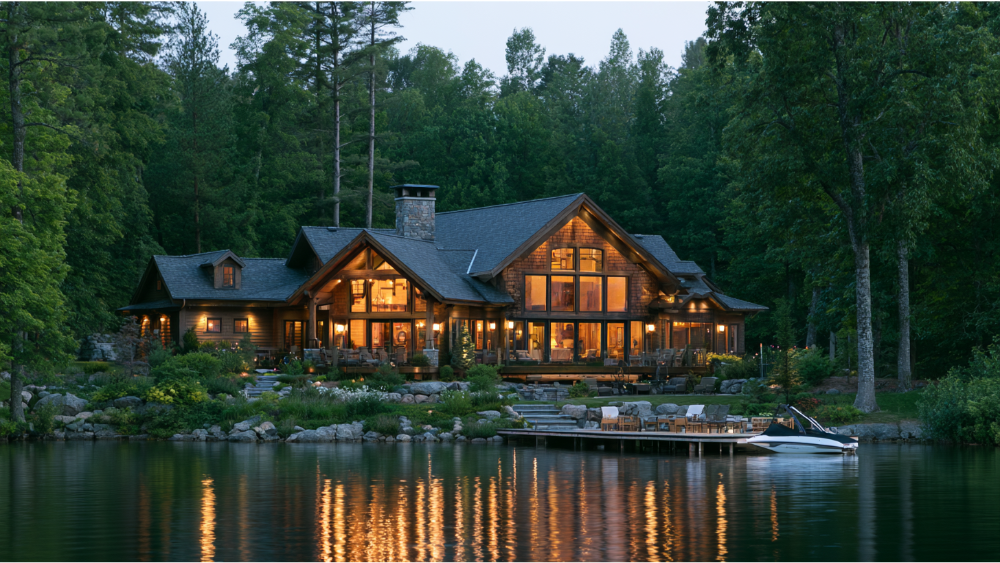
Before you fall in love with a photo, understand what the listing is promising. These three terms get used loosely, and the difference decides your whole trip.
| Term | What it usually means |
|---|---|
| Lakefront | The property line touches the water. You can usually walk from the door to the shoreline without crossing a road or another owner’s land. |
| Lake view | You can see the water. You may or may not be able to reach it from the property itself. |
| Lake access | A shared or deeded path, a community dock, or a nearby public launch. Access is real, but it may be shared with other homes. |
“Cabin,” “cottage,” and “lodge” are marketing words, not access guarantees. Lake stays run from rustic cottages with a screen porch to larger homes with a hot tub or pool, in a wide spread of price ranges and conditions. Read the access language, not the adjectives.
Start With the Kind of Lake Vacation You Want
The fastest way to ruin a lake trip is booking a beautiful house that doesn’t match how your group actually wants to spend the week. Pick your trip type first, then shop for the feature that supports it.
| Trip type | What to look for in the rental |
|---|---|
| Quiet and restorative | A private or low-traffic shoreline, a porch with real shade, and neighbors who aren’t ten feet away |
| Water-focused and active | A private dock in usable condition, included watercraft, and a nearby boat launch |
| Food and outdoor living | A grill with fuel confirmed, covered patio seating for the whole group, and a kitchen that fits two cooks |
| Family or multi-generational | Separate private bedrooms, more than one full bathroom, and a gentle path to the water |
| Couples getaway | A hot tub, a firepit where fires are permitted, and a west-facing view if you want sunsets |
| Friends or reunion trip | Common space large enough for everyone at once, plus parking for multiple vehicles |
| Pet-friendly | A written pet policy, a fenced or contained yard, and easy-clean flooring |
| Work remotely by the water | Confirmed Wi-Fi speed, a desk or table with a real chair, and a door that closes |
Short-term weekends and longer stays both work here. Some of the best lake trips we help place are month-long remote-work stays, not three-night sprints.
On-the-Water Lake House Vacation Ideas
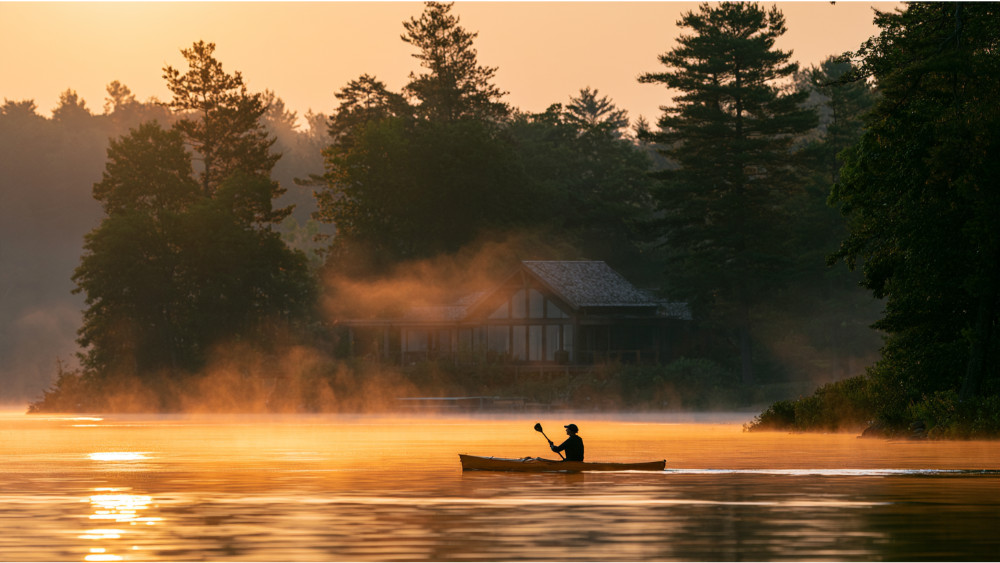
The water is the reason you booked. Here’s how to actually use it.
- Sunrise paddle. Morning water is usually the flattest and quietest of the day. Bring coffee in a lidded mug.
- Kayaking or canoeing the shoreline. Hug the bank and you’ll see coves, docks, and wildlife you’d never spot from the middle.
- Stand-up paddleboarding. Good exercise, good sightseeing, and a low bar for beginners on calm days.
- Swimming and floating off the dock. In an approved swim area only, with someone watching.
- Fishing from shore, dock, or a rented boat. Dock fishing at dusk is the easiest win with kids and beginners.
- A pontoon day. Rent one for a single afternoon, pack a cooler, and anchor in a quiet cove for lunch.
- Approved tow sports. Tubing, waterskiing, or wakeboarding where local rules and the lake’s traffic allow it.
- Wildlife viewing from the water. Herons, loons, turtles, and eagles are all easier to spot from a paddle craft than from a motorboat.
- A sunset shoreline float. No destination. That’s the point.
Two habits before anything launches: everyone wears a properly fitted life jacket, and someone checks the hourly forecast, not just the day’s high temperature.
What Can You Do at a Lake House Without a Boat?
Plenty. Most of what people remember about a lake trip happens on land.
- Grill dinner by the water and eat outside while the light goes gold.
- Build a shoreline picnic breakfast: fruit, pastries from a local bakery, and a thermos.
- Hike a nearby trail or state park loop in the morning before it warms up.
- Run a photography challenge, one theme per person per day, and compare shots at dinner.
- Watch birds from the porch with a field guide app and a cheap pair of binoculars.
- Play lawn games: cornhole, bocce, ladder toss, whatever fits the yard.
- Stretch or do yoga on the dock in the morning.
- Read for three uninterrupted hours. Genuinely.
- Sketch or journal in the afternoon shade.
- Build a bonfire with s’mores and stories, where fires are permitted and conditions allow.
- Stargaze. Away from city light, the sky over a lake is a different sky. Check the moon phase before you plan a night around it.
- Drive into the nearest town for a farmers market, a diner breakfast, or an antique shop crawl.
Rainy-Day and Low-Energy Ideas
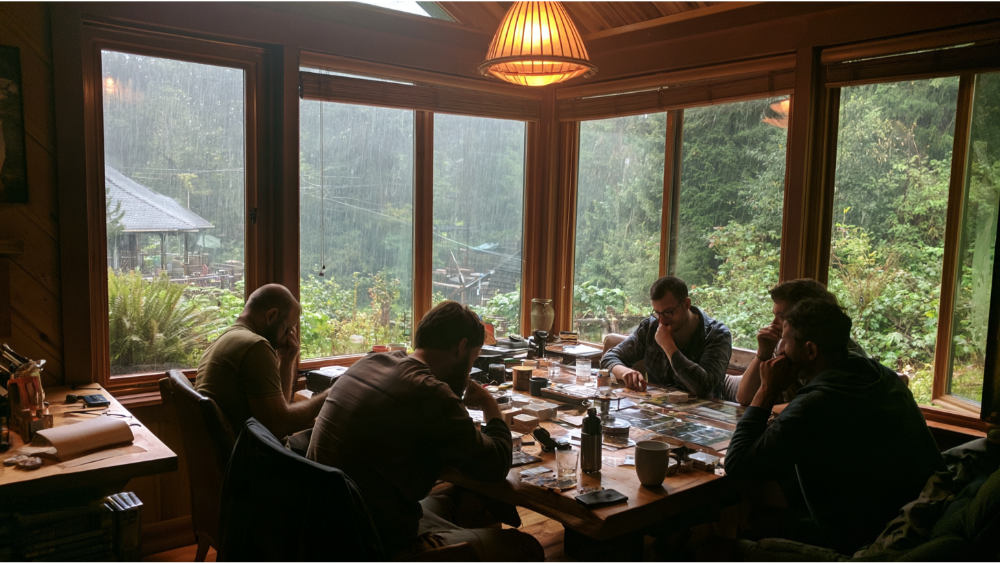
Weather turns. A good lake house handles that fine if you’ve planned for it.
- A board game or card tournament with a running scoreboard taped to the fridge
- A group cooking night where everyone takes one course
- A movie or documentary marathon, downloaded in advance in case the signal is thin
- A puzzle left out on the dining table all week
- An indoor scavenger hunt for the kids
- A trip journal or photo book project you actually finish before you leave
- A local museum, café, brewery, or indoor attraction in the nearest town
- A quiet remote-work morning followed by a wide-open afternoon
Lake House Ideas by Season
Lake vacations are not a summer-only thing. Every season offers something different.
Spring: Nature walks, birding during migration, quiet paddling when conditions allow, and reading retreats before the crowds arrive. Rates are often softer.
Summer: Swimming, boating, shoreline meals, fishing, lawn games, and long evenings on the dock.
Fall: Foliage viewing from the water, hiking, photography, outdoor cooking, and quiet weekends with a fire going.
Winter: Scenic stays, fireside reading, games, and nearby seasonal activities. Do not walk out onto frozen water without official local confirmation that it’s permitted and that conditions have been professionally assessed.
One caution for spring and fall especially: warm air doesn’t mean warm water. The National Weather Service notes that cold shock can be severe in water between 50°F and 60°F, and that sudden immersion can trigger involuntary gasping even in water as warm as 77°F. Dress for the water temperature, not the air.
Use a Simple Mix-and-Match Itinerary
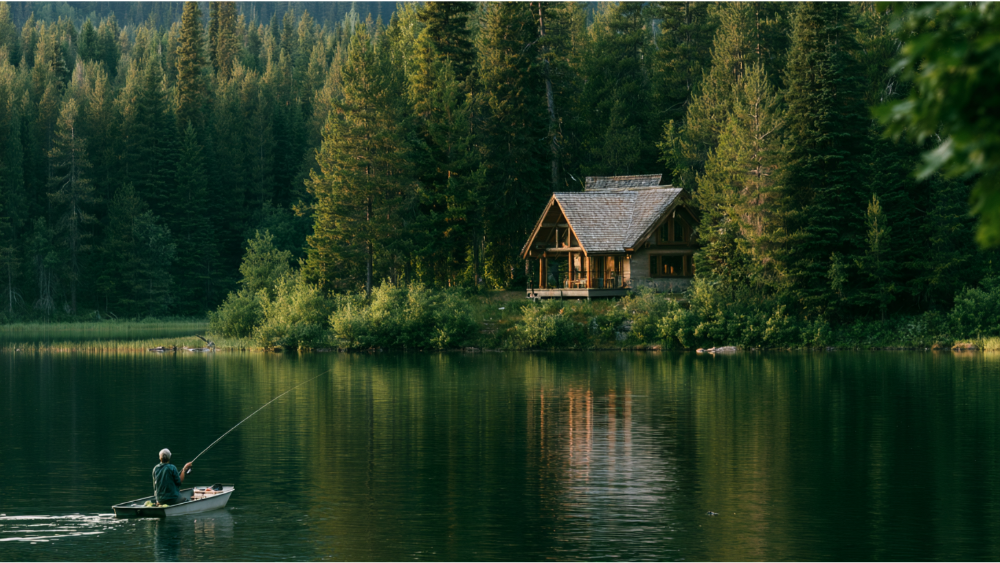
Don’t schedule every hour. Use a three-part daily formula instead:
- One anchor activity: boating, fishing, a paddle, or a trip into town
- One easy activity: a picnic, a game, a short walk, or a photo hour
- One slow ritual: morning coffee on the dock, sunset watching, reading, or stargazing
For a two-night weekend, plan one anchor per day and leave the rest open. For a four-day trip, take a full rest day in the middle, usually day three, when the kids are tired and nobody says so. For a week, plan roughly four anchor days and three unstructured ones. The unstructured days are the ones people talk about later.
How to Choose the Right Lake House Rental
This is where a lake trip is won or lost. Run through this before you book, and ask the manager directly about anything the listing doesn’t answer in writing.
- Is it lakefront, lake view, or lake access, and is the shoreline private, shared, or public?
- How far is the house from the water, and are there stairs, steep grades, or a long dock approach?
- Is the dock private and currently usable this season?
- What’s the water depth and entry type at the shoreline: sand, rock, muck, or drop-off?
- Are watercraft included, and are properly sized life jackets supplied for adults and children?
- Is there a boat launch or marina nearby if you’re bringing your own?
- How many private bedrooms and full bathrooms? “Sleeps 12” often counts sofa beds.
- Do the kitchen and dining area seat your whole group at once?
- Is there covered outdoor space for rain or hard sun?
- Are linens, lake towels, grill fuel, firewood, and laundry supplies included?
- Is the Wi-Fi good enough for video calls if anyone is working?
- What’s the pet policy, in writing?
- What are the quiet hours and water-use rules?
- How far are groceries, a pharmacy, and the nearest medical care?
- What’s the cancellation and severe-weather policy?
Lake Safety Checks Before Anyone Gets in the Water
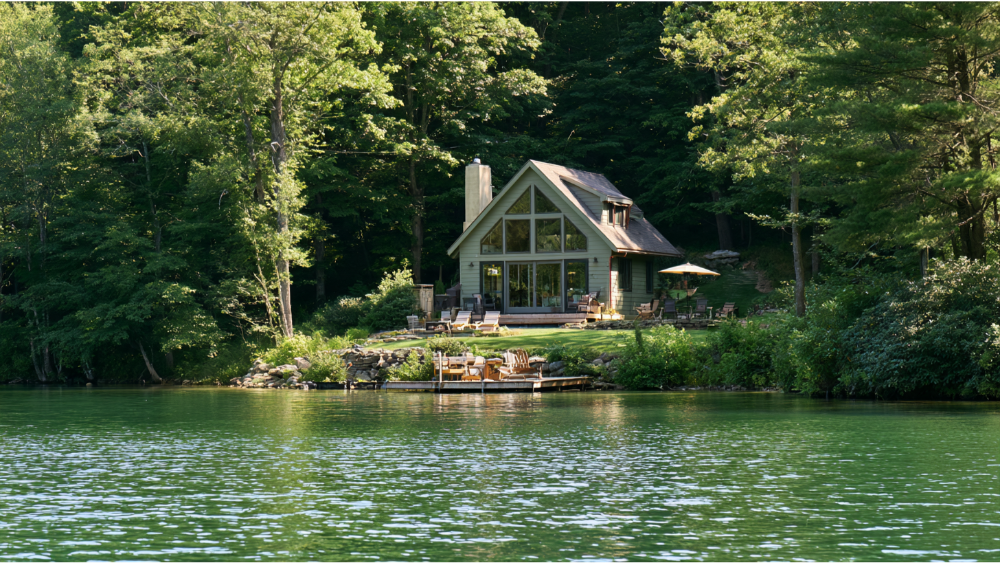
Short list, real sources, then back to the fun.
- Life jackets. In the U.S. Coast Guard’s 2024 Recreational Boating Statistics, among fatal-incident victims whose life-jacket status was known, 87% were not wearing one. Federal rules require children under 13 to wear a Coast Guard-approved life jacket while a vessel is underway unless they’re below deck or in an enclosed cabin, and state rules can differ.
- Thunder means out. The National Weather Service says get to shelter at the first clap and stay there 30 minutes after the last one.
- Water advisories. Harmful algal blooms can be toxic to people and pets. Check state, Tribal, or local advisories and stay out of water that looks scummy, foamy, paint-like, or discolored. Not every lake is monitored, so no posted warning doesn’t mean it’s clear. See EPA guidance.
- After heavy rain. The CDC notes runoff can carry germs into swim areas. Skip cloudy or foul-smelling water.
- Pets. Don’t let dogs drink from or swim in suspicious water. Rinse them with clean water after any swim, and call a vet if symptoms appear.
- Water watcher. With kids around, one adult watches the water with no phone, and you rotate on a timer.
- No alcohol while swimming or operating a boat. It was the leading known contributing factor in 2024 fatal boating incidents.
- Clean, Drain, Dry. Moving your own kayak or gear between lakes? The U.S. Fish and Wildlife Service recommends cleaning off debris, draining every compartment, and drying at least five days where practical.
- Fishing licenses. Rules differ by state and waterbody. Check the FWS license portal before you cast.
What to Pack, and What to Ask Before Packing
Confirm what the rental already provides, then pack the gaps. That order saves a full suitcase.
- Swimsuits and quick-dry clothing
- Water shoes for rocky or mucky entries
- A warm layer and rain protection, even in July
- Broad-spectrum SPF 30+, reapplied per the label and after swimming (the CDC’s general guidance is at least every two hours)
- Hats and sunglasses, since water reflects UV
- Insect repellent
- Refillable water bottles
- Medications and a basic first-aid kit
- A waterproof phone pouch and a flashlight or headlamp
- Pet water, bowls, towel, and leash
How to Book a Lake House Rental Safely
An FTC analysis published in December 2025 counted nearly 65,000 reported rental scams and roughly $65 million in reported losses since 2020, with about half of recent reports starting from a fake social media ad. Protect yourself:
- Search the exact property address online and check whether the same photos appear elsewhere under different names or prices.
- Get the rental agreement, fee schedule, and cancellation terms in writing before you pay anything.
- Walk away from anyone demanding wire transfer, gift cards, or cryptocurrency, or anyone rushing your decision.
- On arrival, confirm working smoke alarms in every sleeping area and on every level, carbon-monoxide alarms on every level, a fire extinguisher, and two ways out of every room, as the U.S. Fire Administration advises.
- Make sure everyone in your group knows the exact rental address in case they need to give it to a dispatcher.
Find a Stay That Fits Your Lake Vacation
Working with a broker-owned manager matters here. We’ve been placing renters and managing property since 2009, and as of March 2025 we managed 683 units across 34 states with a reported 98% occupancy rate. That means real contracts, real accountability, and a real phone number when something needs attention.
Browse our vacation destinations, compare short-term and longer stays, and use the checklist above before you book. From a quiet weekend by the water to a longer work-remotely-in-paradise stay, KT Rents can help you find a rental that fits the way you want to travel. Call (800) 716-4950, text (608) 207-0657, or email info@ktrents.com. We respond to form submissions within 24 hours. Your Rental. Your Way.
What can you do at a lake house without a boat?
Swim in an approved area, fish from the shore or dock, hike nearby trails, grill dinner by the water, play lawn games, stargaze, and explore the closest town. You can also rent a kayak, paddleboard, or pontoon for a single day without owning anything.
What is the difference between lakefront, lake view, and lake access?
Lakefront means the property touches the water. Lake view means you can see the lake but may not be able to reach it from the property. Lake access means a shared or deeded path, community dock, or nearby public launch. Confirm which one applies in writing before booking.
Do I need a fishing license on a lake vacation?
Usually yes, and rules vary by state and waterbody. A license from your home state is often not valid elsewhere. Check the U.S. Fish and Wildlife Service license portal for the state you’re visiting; most states sell licenses online.
When is the best time of year for a lake house vacation?
Summer is best for swimming and tow sports, fall for foliage and quiet, spring for birding and lower rates, and winter for fireside stays with a view. Just dress for the water temperature rather than the air, since cold shock is a real risk in cooler months.