

Michigan
Rental and for-sale inventory across cities we serve in this state.
Moving to Michigan? The Ultimate 2026 Guide
Explore
Cities in this state
Michigan offers numerous opportunities for newcomers in 2026, with projected economic growth and diverse job opportunities. The cost of living varies significantly across regions, with Detroit and Grand Rapids offering different financial landscapes. Streamlined processes for moving and community integration can make the transition smoother for new residents.
The Ultimate Guide to Moving to Michigan: Discover Your New Home in 2026
2026 Economic Outlook for Michigan: What New Residents Need to Know

Projected Economic Growth and Employment Opportunities
Michigan’s GDP is projected to grow by 3.5% in 2026, driven by advancements in technology and manufacturing. The unemployment rate is expected to hold steady at 4.2%, providing newcomers with ample job opportunities. Key sectors like automotive and tech are anticipated to create over 50,000 new jobs statewide by 2026. For those considering moving to Michigan, understanding the regional economic dynamics is crucial. Southwest Michigan, for example, is becoming a hub for tech startups, which are drawing young professionals seeking vibrant career opportunities.
Industry Trends Shaping Michigan’s Future
The automotive industry continues to be a cornerstone, with electric vehicle production expected to increase by 20% by 2026. Information technology and healthcare sectors are also on the rise, with an estimated 15% growth. These industries offer robust career opportunities for young professionals relocating to Michigan. Michigan State University is at the forefront of research in these fields, providing a pipeline of skilled graduates ready to enter the workforce. The state’s focus on innovation in electric vehicle technology is not only fostering job creation but also contributing to environmental sustainability, a critical factor for many looking to make a big move.
Impact of Economic Policies on Newcomers
State policies focusing on tax incentives for businesses are likely to attract more companies, boosting job opportunities for new residents. Michigan’s business tax rate stands at 6%, which is competitive compared to the national average of 7.1%. These economic policies are designed to make the state more appealing for both businesses and professionals. As a prospective resident, evaluating these policies can provide insight into potential savings and financial planning. For instance, startups in Ann Arbor benefit from local government grants, creating a fertile environment for innovation and entrepreneurship.
Understanding the Financial Landscape: Living Costs Across Michigan Regions
Cost of Living Comparison: Urban vs. Rural Michigan
Living in urban areas like Detroit costs approximately 10% more than in rural regions. The average monthly cost for a family of four in Detroit is around $4,200, compared to $3,800 in rural Michigan. These figures highlight the financial advantage of choosing rural areas for those looking to save money. Public transportation in cities like Detroit offers a cost-effective alternative to car ownership, which can significantly reduce living expenses for new residents. Additionally, the lower crime rate in rural areas contributes to more affordable insurance premiums, making them an attractive option for families and individuals alike.
Housing Market Trends: Affordable Areas for Newcomers
The average home price in Michigan is $230,000 in 2026, with southwest Michigan and Benton Harbor offering more affordable options at around $180,000. Renters in Ann Arbor, one of Michigan’s top university cities, face average monthly rents of $1,500, reflecting a 5% increase from 2025. Traverse City, known for its safe neighborhoods and proximity to Lake Michigan, offers a balanced lifestyle with both affordable housing and excellent recreational opportunities. The region’s vibrant arts scene and outdoor activities attract both young professionals and families, making it a desirable place to settle.
Utilities, Taxes, and Everyday Expenses: Budgeting Wisely
Michigan residents pay an average of $300 per month on utilities, slightly below the national average of $320. The state sales tax is 6%, while property taxes vary by county, averaging 1.6% of assessed home value. These costs are essential for budgeting wisely when moving to Michigan. Understanding these expenses can help new residents plan effectively for their first year, ensuring they have a clear picture of their financial obligations. By taking advantage of local programs and services aimed at reducing costs, such as energy-saving initiatives, newcomers can optimize their budget and enjoy a comfortable lifestyle.
Exploring Michigan: A Regional Insight for Prospective Movers
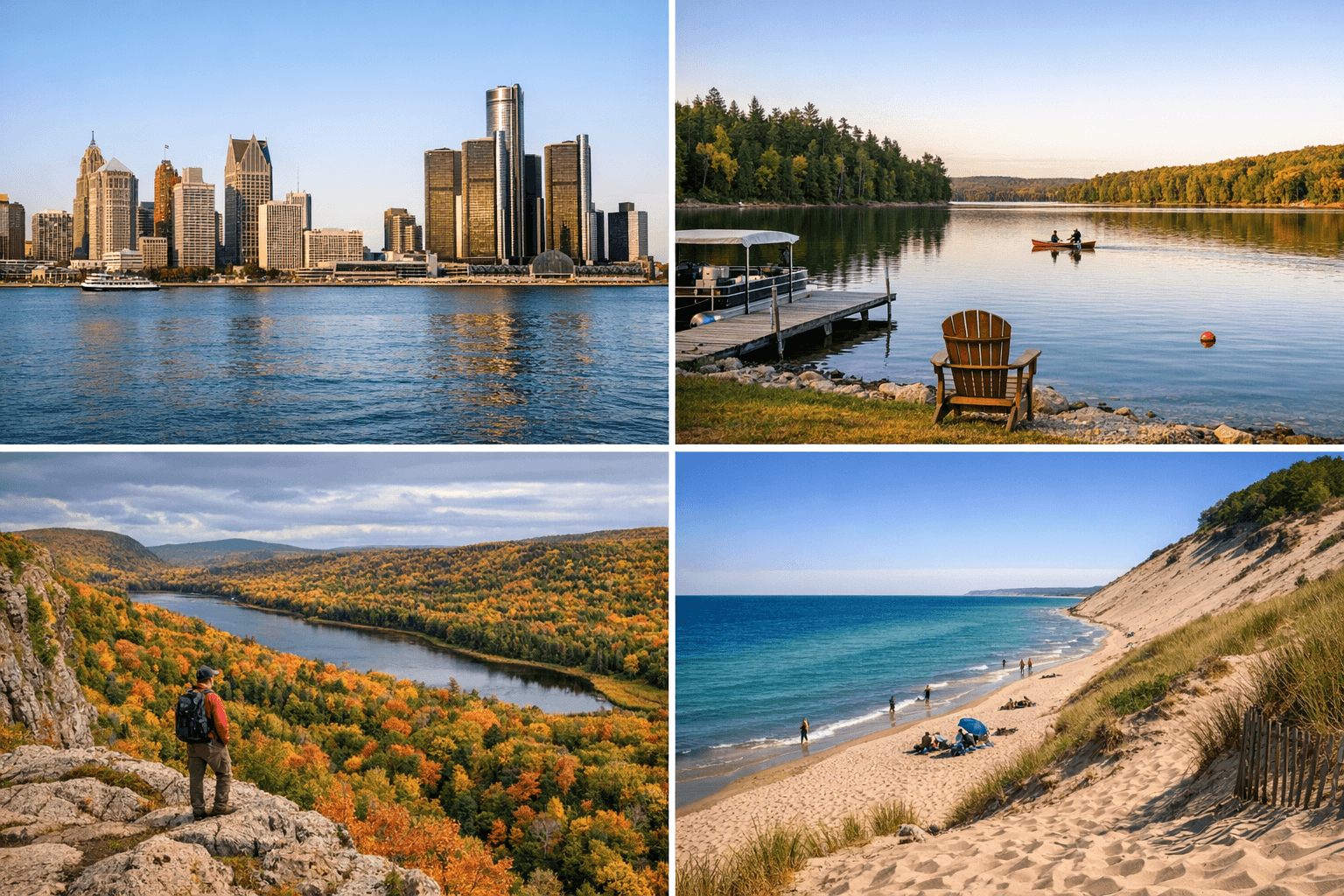
The Appeal of Michigan’s Upper Peninsula
The Upper Peninsula offers a unique lifestyle with abundant outdoor activities such as winter sports. With a population density of only 19 people per square mile, it provides a tranquil environment. The cost of living is 15% lower than the national average, making it an attractive choice for nature enthusiasts. Lake Superior’s majestic shores offer endless opportunities for hiking, fishing, and kayaking, making it a paradise for outdoor lovers. The region’s affordable cost of living combined with its natural beauty makes it a perfect destination for those seeking a peaceful and adventurous lifestyle.
Suburban Life in South East Michigan: A Blend of Comfort and Convenience
South East Michigan, including cities like Ann Arbor and Detroit, combines suburban comfort with urban amenities. The region’s population is expected to grow by 4% by 2026, driven by its appealing mix of education, culture, and career opportunities. Average home prices in this area are around $250,000. Ann Arbor’s renowned educational institutions, including the University of Michigan, attract students and educators from around the world. The city’s vibrant cultural scene, combined with its diverse job market, makes it an ideal place for young professionals and families to thrive.
Western Michigan: Beach Towns and Cultural Hubs
Western Michigan, with cities like Grand Rapids and Traverse City, is known for its beach towns and cultural attractions. The region’s housing market is competitive, with average home prices reaching $240,000. Grand Rapids offers a vibrant arts scene, attracting young professionals and families alike. The city’s proximity to Lake Michigan provides residents with ample opportunities for water sports, fishing, and relaxation on sandy beaches. With its thriving brewery scene and numerous festivals, Grand Rapids is a lively and engaging place to call home.
Streamlined Moving Process: Essential Steps for a Smooth Transition
Choosing the Right Moving Services: Local vs. Long Distance
Local moving services in Michigan charge approximately $90 per hour, while long-distance moves can cost up to $5,000 depending on distance and volume. It is crucial to compare service providers and get quotes to save money on your big move to Michigan. Many residents use online platforms to compare services and read reviews, ensuring they choose the most reliable and cost-effective option. By planning ahead and booking early, newcomers can take advantage of discounts and secure their preferred moving dates.
Navigating Michigan’s Licensing and Registration Requirements
New Michigan residents must obtain a Michigan driver’s license within 30 days of moving. Vehicle registration costs are based on vehicle weight and age, averaging $100 annually. These requirements are essential for legal compliance when relocating to the Great Lakes State. The Michigan Secretary of State’s online services make it easy to complete these tasks efficiently. By preparing the necessary documentation in advance, such as proof of residency and vehicle insurance, newcomers can ensure a smooth transition to their new home.
Settling In: Setting Up Utilities and Community Connections
Setting up utilities like electricity and water in Michigan can take up to 5 business days. Community resources, such as local organizations and online platforms, offer support for newcomers. Establishing connections is essential for integrating into Michigan’s diverse communities. Many areas host welcome events and social gatherings, providing new residents with opportunities to meet neighbors and build friendships. By participating in local activities and volunteer programs, newcomers can quickly feel at home and become active members of their communities.