

Montana
Rental and for-sale inventory across cities we serve in this state.
Moving to Montana? The Ultimate 2026 Guide
Explore
Cities in this state
Montana offers diverse opportunities for newcomers, with a projected 2.5% economic growth in 2026. Housing prices are more affordable than the national average, making it an attractive option for relocation. Additionally, Montana’s cost of living is 8% lower than the national average, providing financial advantages for new residents.
Moving to Montana: Embrace the Big Sky Country with Confidence
2026 Economic Outlook: What to Expect When Moving to Montana
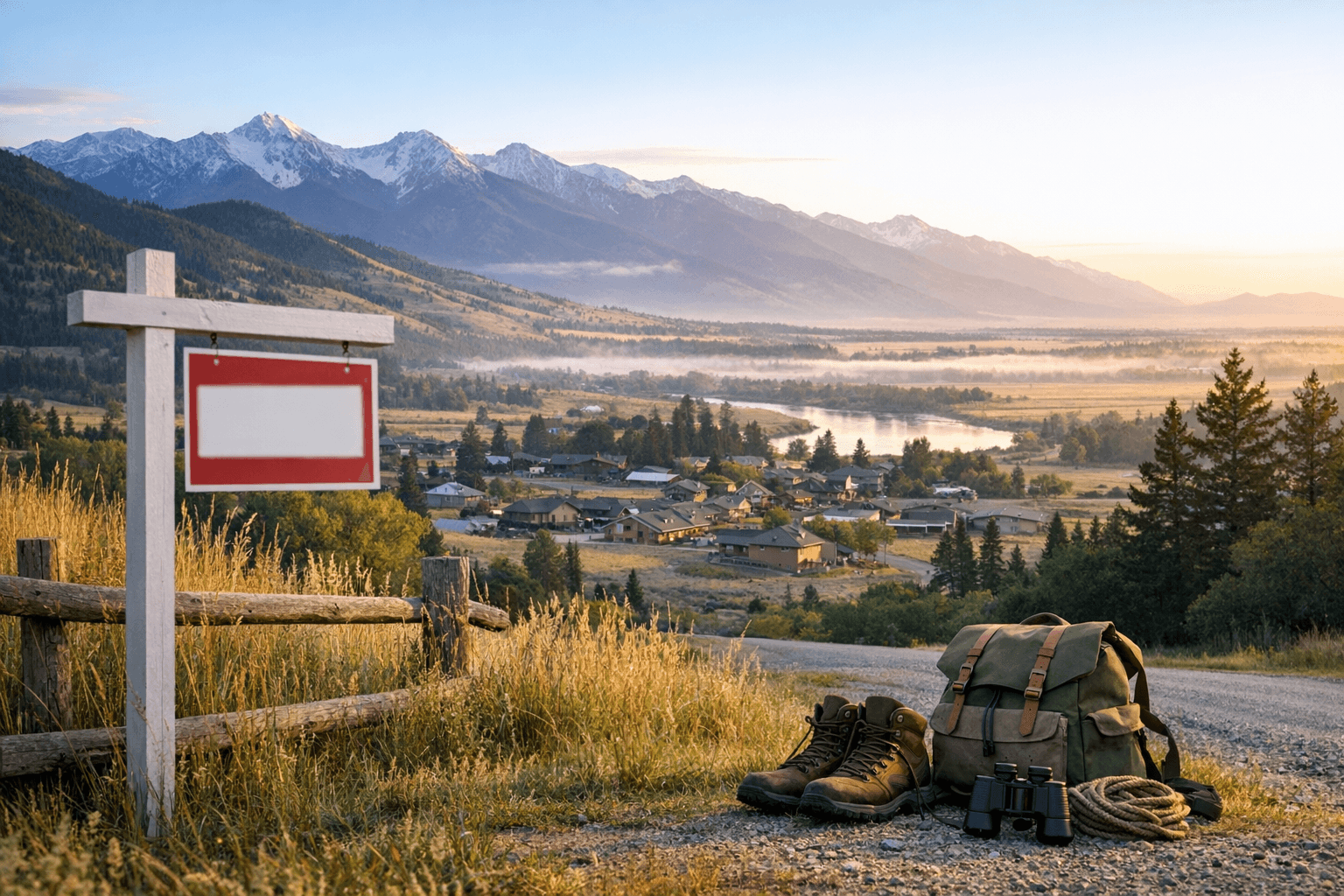
Projected Economic Growth in Major Montana Cities
In 2026, Montana’s economy is projected to grow by 2.5%, driven by expansion in major cities like Billings and Bozeman. Billings, as the largest city, is expected to see a 3% increase in economic activity, while Bozeman, known for its tech startups, anticipates a 4% growth. This growth is largely due to increased investments in infrastructure and technology. Additionally, the influx of remote workers and the development of Montana State University as a key research hub are expected to further accelerate economic progress, making these urban areas hotbeds for innovation and entrepreneurship.
Industry Trends Influencing Montana’s Economy
Montana’s economy is increasingly influenced by sectors such as technology, tourism, and agriculture. The tech industry in Bozeman and Missoula is projected to grow by 5% annually, attracting more remote workers and startups. Tourism, particularly around Glacier National Park and Big Sky Resort, contributes 10% to the state’s GDP, highlighting its significance. Furthermore, the agricultural sector is diversifying with initiatives in organic farming and sustainable practices, which not only enhance food security but also create new avenues for investment and employment in rural areas.
Impact of Remote Work on Montana’s Job Market
Remote work has transformed Montana’s job market, with a 15% increase in remote job listings from 2025 to 2026. This shift is most notable in urban areas like Missoula, where tech companies offer flexible work options. Remote work trends are expected to sustain a 12% annual growth in job opportunities across the state. This shift has also facilitated a more balanced lifestyle for many residents, who now enjoy the scenic beauty and outdoor activities that Montana offers, while maintaining professional careers from the comfort of their Montana homes.
Financial Planning: Cost of Living and Investment Opportunities in Montana
Understanding the Cost of Living in Montana
Montana’s cost of living is about 8% lower than the national average, making it an attractive option for those looking to save on expenses. Housing costs are particularly affordable, with the median home price in Montana at $350,000 compared to the national average of $400,000. Utilities and transportation costs are also competitive, typically 5% below the national average. Moreover, the state’s lack of a sales tax provides additional financial relief for everyday purchases, enhancing the overall affordability for both new and long-time residents.
Real Estate Market Insights for New Residents
The Montana real estate market is characterized by significant regional differences. For example, Bozeman’s housing prices have increased by 6% annually, reaching a median price of $500,000, while Billings remains more affordable at $300,000. Prospective buyers should note the 2% annual appreciation rate across the state, making real estate a sound investment. Additionally, Montana’s property taxes are relatively low, providing further incentive for investment, especially in fast-growing areas where housing market trends indicate a robust future.
Investment Opportunities in Montana’s Growing Sectors
Investment opportunities in Montana are growing, particularly in renewable energy and agriculture. The state’s renewable energy sector is expected to expand by 7% annually, driven by wind and solar projects. Agriculture, contributing 5% to Montana’s GDP, offers investment potential through organic farming and value-added products. The state’s push towards sustainable energy and eco-friendly agricultural practices not only promises high ROI but also aligns with global trends towards sustainability, attracting eco-conscious investors and entrepreneurs.
Discovering Montana: A Regional Breakdown for Newcomers
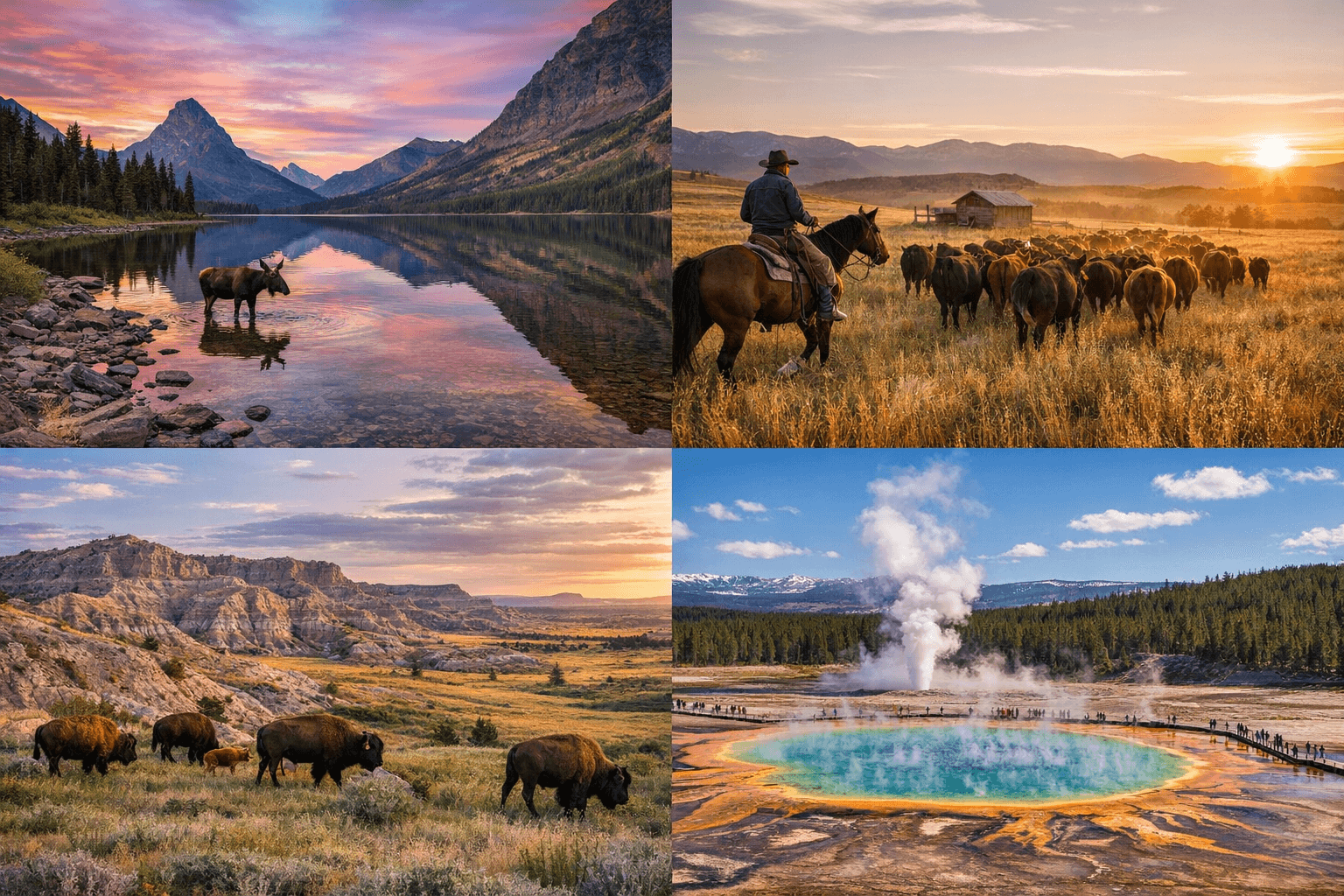
Exploring Urban vs. Rural Living in Montana
Urban living in Montana, centered around cities like Billings and Missoula, offers amenities and job opportunities, yet maintains a low population density of 50 people per square mile. In contrast, rural areas provide vast landscapes and tranquility, with regions like the Bob Marshall Wilderness Complex featuring just 10 people per square mile, appealing to those seeking solitude. The wide open spaces and scenic beauty of the Treasure State offer a slower pace of life, ideal for those who appreciate the natural habitat and deep-rooted culture of sparsely populated communities.
Regional Highlights: From Bozeman to Billings
Bozeman is renowned for its proximity to outdoor activities, including mountain biking and skiing at Big Sky Resort, attracting outdoor enthusiasts. Billings, as the largest city, offers cultural amenities and economic opportunities, with a population of over 120,000. Both cities provide diverse experiences, from natural beauty to urban conveniences. The unique charm of Montana towns, coupled with the vibrant communities and local wildlife, make each region distinct, offering something for everyone, whether it’s the rolling plains or the rugged Rocky Mountains.
Community Engagement: Getting Involved Locally
New residents can engage with Montana communities through local events and volunteer opportunities. In Bozeman, the annual Sweet Pea Festival draws over 25,000 attendees, fostering community spirit. Billings hosts numerous volunteer events, with participation rates increasing by 4% annually, reflecting strong community involvement. The tight-knit community fabric of Montana encourages newcomers to connect deeply with their surroundings and neighbors, which greatly enhances daily life and the overall moving experience.
The Moving Process: Step-by-Step Guide to Relocating to Montana
Preparing for the Move: What You Need to Know
Before moving to Montana, it’s crucial to research housing options and employment opportunities. The average timeline for securing housing is 60 days, while job search durations typically span 45 days. Additionally, understanding Montana’s weather, which includes harsh winters with temperatures averaging 20°F, is essential for proper preparation. It’s advisable to stock up on emergency supplies and winter gear to navigate the cold temperatures effectively, especially in remote areas where resources may be limited.
Choosing the Right Moving Services in Montana
Selecting a reliable moving service is vital for a smooth transition. On average, moving costs to Montana range from $2,500 to $5,000, depending on distance and services required. Many residents opt for companies specializing in interstate moves to ensure efficient handling of belongings across long distances. It’s beneficial to choose movers who are familiar with Montana’s country roads and weather conditions to avoid logistical challenges during the relocation.
Settling In: Tips for a Smooth Transition
Upon arrival, newcomers should register their vehicles, which costs approximately $200, and acquire a Montana driver’s license within 60 days. Engaging with local communities through events and organizations aids in settling in. Additionally, understanding local wildlife and outdoor safety is crucial for those living near natural habitats. The slower pace of life in Montana allows for a seamless integration into community dynamics, providing ample opportunities for newcomers to establish a sense of belonging in their new Montana home.