

Nampa, Idaho
Homes for rent and for sale — search the map or open the full city SEO catch-all page.
Nampa, Idaho
Nampa, Idaho, is a rapidly expanding city in the Treasure Valley, offering a more affordable alternative to Boise with a 2026 estimated population of over 124,000 [1.1.1]. While it provides excellent outdoor access and suburban amenities, prospective residents must account for a car-dependent lifestyle, fluctuating I-84 commute times, and seasonal wildfire smoke. Renting before buying is highly recommended to navigate specific school boundaries and neighborhood fits. New residents should also be aware that as of July 1, 2026, Idaho has eliminated annual vehicle registration stickers, transitioning instead to permanent license plates and electronic registration verification [1.2.2, 1.2.5].
Should You Move to Nampa, Idaho? The Quick Answer
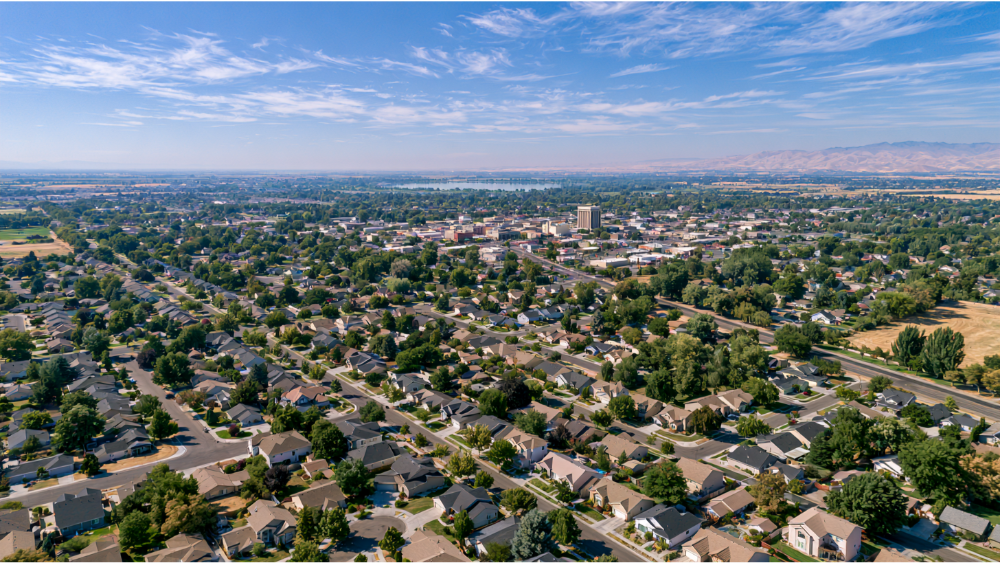
Nampa is a fast-growing Treasure Valley city that can hand you more housing value than central Boise, but you should plan around rent, the I-84 commute, school-zone research, and Idaho’s move-in rules before you sign anything. Renting first is one of the smartest ways to test whether living in Nampa actually fits your life. Sitting about 20 miles west of Boise, Nampa has climbed to roughly 120,000 residents as of the July 2025 Census estimate, which makes it a family-friendly, rapidly growing option inside the Boise-Nampa metro.
This guide is for renters and relocators who are still deciding: remote workers and young professionals eyeing a change of scenery, people weighing Nampa against Boise or Meridian, and anyone who wants a real home instead of a rushed purchase. Two things worth knowing upfront: the Treasure Valley is a connected metro of cities along one corridor, and renting before buying lets you try the commute, the weather, and the community on for size first. Think of this moving guide as the practical starting point for any relocation to the area.
Where Nampa Fits in the Treasure Valley and Other Cities
Nampa is the second-largest city in the Boise-Nampa metro and the seat of Canyon County. It’s linked to Boise, Meridian, and Caldwell along the I-84 corridor, which is the spine of the whole region. Boise sits about 20 miles east, close enough for a daily commute but far enough that Nampa keeps its own identity and pricing. Centrally located within the greater Boise area, it gives you easy access to the rest of the valley without the price tag of the big city.
Like most people who settle here quickly learn, Nampa is built around driving. You’ll want a car for daily life, and where you land relative to I-84 shapes how your commute feels. Rather than lean on subjective labels about which parts of town are “best,” it’s more useful to think in terms of commute time to your workplace, distance to the amenities you use, and the specific features of a property. Those are the things you can actually measure before you move. When you compare Nampa to other cities in the valley, this practical lens beats any ranking list.
Fast Facts About Living in Nampa

Here’s the snapshot. Census figures below are estimates and averages, not current listing prices, so treat them as a baseline rather than a quote on any specific home.
| Metric | Figure | Note |
|---|---|---|
| Population | ~120,384 | Census estimate, July 2025 |
| Growth since 2020 | 19.9% | Census, 2020 base to 2025 |
| Median gross rent | $1,420 | Census, 2020-2024 |
| Median home value | $370,800 | Census, owner-occupied, 2020-2024 |
| Median household income | $74,279 | Census, 2020-2024, 2024 dollars |
| Mean commute to work | 24.4 minutes | Census, 2020-2024 |
| Parks and recreation | 26 parks, 14 mi pathways, 2 golf courses | City of Nampa |
That 19.9% jump in five years tells you most of what you need to know about Nampa’s trajectory. It’s growing fast, and that growth shows up in housing demand, traffic, and the pace of new development. For anyone moving to Nampa Idaho, that momentum means both opportunity and a market that moves quickly.
What Does It Cost to Live in Nampa Compared to the National Average?
The City of Nampa reports its cost of living at roughly 4% over the national average, with groceries, transportation, and utilities coming in lower than many other cities. That’s a city-reported claim, so treat it as a starting point rather than gospel, but it lines up with the general picture: Nampa tends to stretch a paycheck further than central Boise. When you weigh everyday costs against the national average, housing is where the numbers usually favor Nampa over pricier metros, and that relatively affordable cost is a big part of the draw.
Idaho’s statewide sales tax is 6%, which factors into your everyday spending. Median household income among Nampa residents was $74,279 in 2024 dollars for the 2020-2024 period per the Census, and the city’s own 2025 planning report shows a higher one-year estimate of $82,044. The difference comes down to which dataset you use, so we lean on the Census figure as the more conservative benchmark.
The honest answer is that “affordable” depends on your income, your commute, and your rent. Before you commit, run your own numbers with the KT Rents Cost of Living Calculator. It’s a quick way to see how far your money goes here and how Nampa stacks up against wherever you’re moving from, using real inputs instead of a broad average.
Renting in Nampa: What to Expect
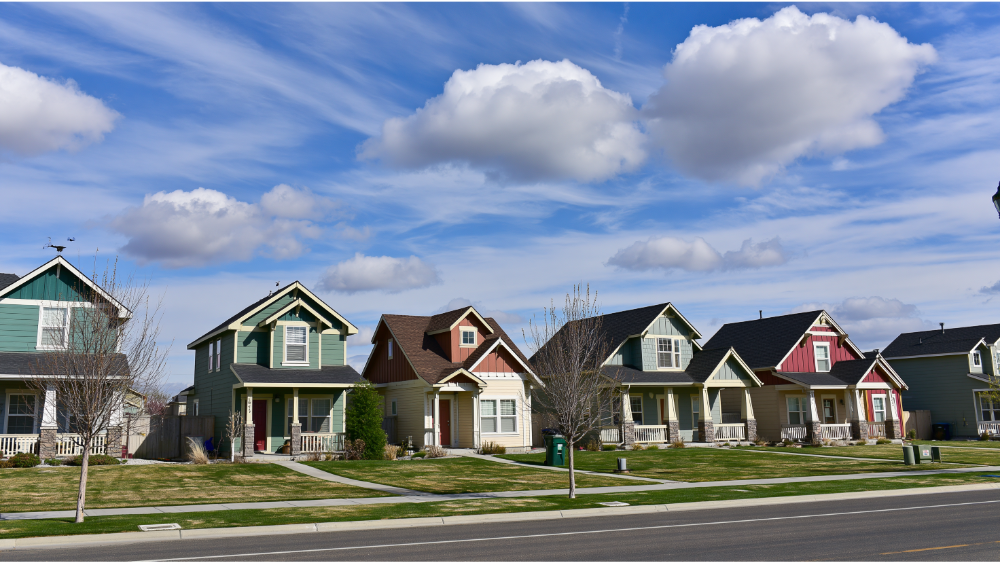
Rent figures for Nampa come from a few different sources, and they measure different things. The Census puts median gross rent at $1,420 for 2020-2024. The City of Nampa’s 2025 report lists an average two-bedroom apartment at $1,345. HUD’s FY2026 Fair Market Rent for the Boise City metro area sets a two-bedroom benchmark near $1,655, which is a housing-assistance reference point, not an advertised asking price.
What that spread means for you: actual asking rents move with property type, lease length, amenities, and timing. A recently renovated three-bedroom will not price like an older one-bedroom, and rents shift seasonally with demand. Single-family houses tend to price differently than apartments, so decide early which kind of living space suits your household.
KT Rents is a full-service, broker-owned rental and property management platform operating nationwide. That means when you rent through our system you get the full package: tenant placement, tenant screening, straightforward rent collection, online rent payment, and supported maintenance requests through the resident portal. We don’t run a Nampa storefront, but our platform helps renters compare options and apply. When inventory is available, you can browse rental properties and submit a rental application directly.
Rent vs. Buy: Why Renting First May Make Sense
Nampa’s median home value was $370,800 per the Census for 2020-2024, and the city’s 2025 report puts the average home cost at $403,139. With 70.2% of housing owner-occupied, plenty of people do buy here. But buying is a big commitment in a city you haven’t lived in yet.
Renting first lets you test the things that actually decide whether Nampa works: the real commute to your job, whether you want a single-family home or an apartment, how your budget holds up compared to your current costs, and how a given part of town fits your daily routine. If it clicks, you buy with confidence. If it doesn’t, you haven’t tied yourself to a mortgage.
That flexibility is the whole point of Your Rental. Your Way. We offer both short-term and long-term leasing, so you can try living in Nampa on a timeline that suits you. When you’re ready to compare, the KT Rents Rent vs. Buy Calculator and Mortgage Calculator turn the decision into numbers instead of a gut call.
Jobs, Businesses, and the Boise-Nampa Commute for Young Professionals
The Boise City-Nampa metro job market and broader economy are steady. BLS reported a preliminary May 2026 unemployment rate of 3.3% and about 416,900 total nonfarm jobs, with health care, construction, and retail trade among the larger sectors. The metro’s job base has grown substantially over the past decade, and plenty of residents own businesses of their own as the population climbs. Food processing has long been part of the local economy too, a nod to Nampa’s roots as a Union Pacific railroad hub. Major employers in and around Nampa include the Nampa School District, St. Luke’s Nampa Medical Center, Amazon, and Plexus Corp. These figures are point-in-time and move monthly, so verify current numbers before you rely on them. For young professionals sizing up the local economy across the Mountain West, the mix of health care, logistics, and manufacturing gives the area more depth than its size suggests, with endless opportunities for the right skill set.
The commute is where planning matters most. The Census puts Nampa’s mean travel time to work at 24.4 minutes, which sounds easy until you’re on I-84 at rush hour. Regional planners have studied high-capacity transit along the I-84/I-184 corridor precisely because population growth has strained east-west travel between nearby Caldwell, Nampa, Meridian, and Boise.
The practical tip: test your commute at your actual work time before you sign a lease. A midday drive to a rental tells you nothing about the 8 a.m. crawl toward downtown Boise. Drive it during rush hour, both directions, and let that inform where you rent.
Getting Around: Transportation in Nampa
Nampa is car-dependent, plain and simple. I-84 is the primary interstate connecting the metro area, and most daily errands assume you’re driving. Valley Regional Transit runs fixed routes and on-demand service, including the Caldwell/Boise Express, a Towne Square Mall connection, and Nampa/Caldwell on-demand rides. These are genuinely useful, but they cover less ground than a car and won’t replace one for most commuters.
If winter driving worries you, Idaho 511 is the state’s road-condition resource for real-time reports on snow, ice, and closures. Check it before long drives in the colder months.
Schools and Higher Education Resources
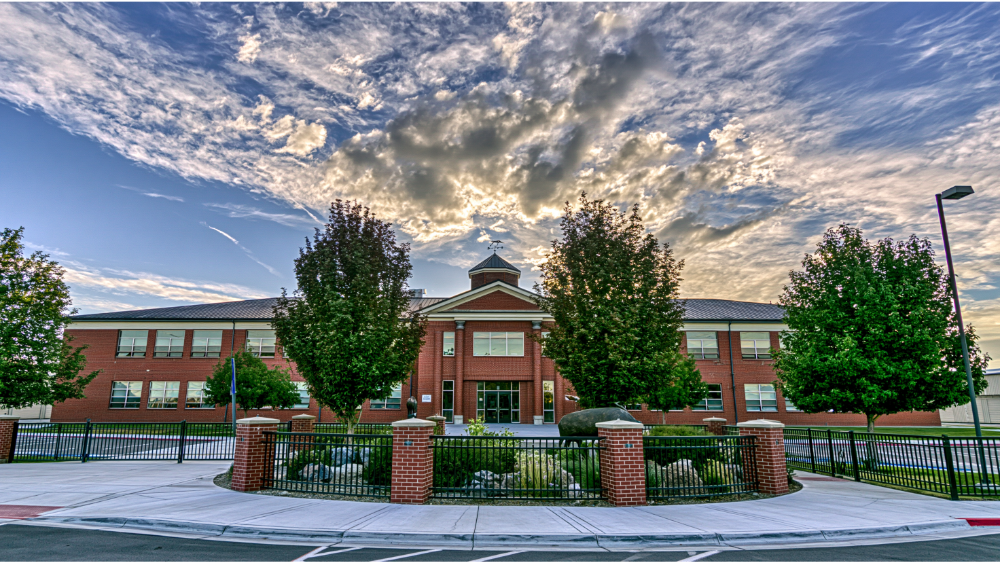
Nampa families choose between two school districts: Nampa and Vallivue. The city counts roughly 19,000 pre-K through 12th grade students across the community, with charter, private, and virtual options in the mix alongside traditional public schools.
Rather than trust any list of “best” schools, look up the specifics that matter to your household. Review school-boundary maps and official performance data through the Idaho Department of Education and the individual district sites. Boundaries determine which school a given address feeds into, so confirm the zone for any rental you’re seriously considering before you commit.
Utilities and Your First-Week Move-In Checklist
Get these sorted in your first week so nothing catches you off guard:
- Set up City of Nampa water and sewer through Utility Billing, which offers 24/7 online account access.
- Confirm trash and recycling collection, including current rate schedules, through the same city utility office.
- Arrange internet service before move-in day so you’re connected when you arrive.
- File a change of address with the USPS and update it with your bank, employer, and subscriptions.
- Confirm renter’s insurance if your lease requires it, and keep proof handy.
Some utilities may be your responsibility and some may be the property’s, depending on the lease. Confirm exactly which is which with your property manager before you move in so there are no surprises on the first bill.
Idaho Paperwork After You Move
Idaho gives new residents a clock, so handle the state requirements early:
- Get an Idaho driver’s license or ID card within 30 days of moving, per Idaho.gov and the Idaho Transportation Department.
- Title and register any out-of-state vehicle within 30 days, using the ITD New to Idaho guide.
- Budget for Idaho’s 6% sales tax and a 2025 individual income tax rate of 5.3% on Idaho taxable income. Tax rates change by year, so verify the current rate for your filing year.
If you’d feel more comfortable reviewing renter protections in Spanish, the Idaho Attorney General publishes a Landlord and Tenant Manual in both English and Spanish. Se Habla Español, so Spanish-speaking renters can get support in the language they prefer.
Weather, Sunshine, and Things to Do in Nampa Idaho
Weather and Seasons
Nampa’s semi-arid Treasure Valley climate means hot, dry summers and cold, snowy winters, with well over 200 sunny days a year. Summer highs regularly top 90°F, the average low in winter dips toward 20°F, and the area sees only modest annual precipitation. Wildfire smoke can settle over the valley during summer and early fall, which affects air quality on and off. The AirNow Fire and Smoke Map is the resource to watch during smoke season.
A practical renter note: ask your property manager about HVAC filters, window seals, and who handles snow and ice removal. Getting those answers into your lease conversation saves headaches when the first cold snap or smoky week arrives.
The Great Outdoors, the Ford Idaho Center, and the Warhawk Air Museum
Nampa rewards people who like the great outdoors. Lake Lowell is close for swimming and fishing, the Snake River offers trout and salmon fishing, and the city’s 26 parks, 14 miles of pathways, and two golf courses cover everyday recreation. On a clear day the Owyhee Mountains frame the horizon to the south, and the trail network ties much of the community together. You’re within reach of Boise and Sawtooth National Forests for even more outdoor activities, and Craters of the Moon sits under three hours away for a weekend trip.
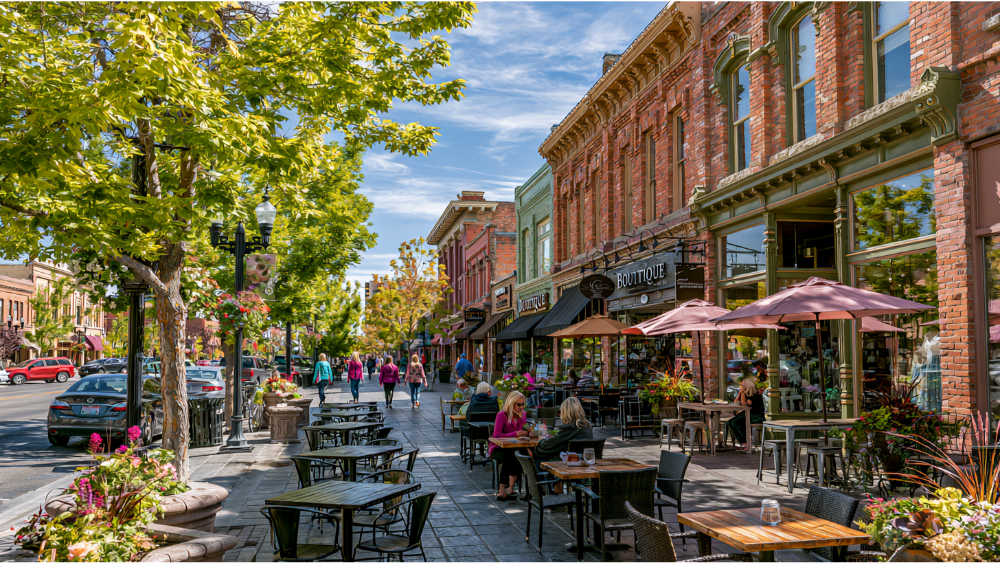
Downtown Nampa has been through steady revitalization, and it’s where a lot of the local entertainment options cluster, from restaurants and shops to seasonal events. Grab a cup from a local roaster at a neighborhood coffee garage, then take in some live music around the corner. The calendar stays busy with the Snake River Stampede rodeo each July at the Ford Idaho Center, the Nampa Festival of the Arts in August, and the Viva Nampa cultural festival. The Snake River Stampede is one of the region’s signature draws, putting bareback bronc riding front and center stage, and the Ford Idaho Center also hosts concerts, expos, and horse events throughout the year. The Warhawk Air Museum, an interpretive center for aviation history, along with the Treasure Valley Marketplace and the Nampa Train Depot Museum round out the scene, and history buffs can dig into local heritage through the Canyon County Historical Society. Wine lovers will note that Nampa sits within the Snake River Valley AVA, a recognized growing region that supports nearby tasting rooms and vineyards.
Pros and Cons of Moving to Nampa Idaho
Pros:
- More housing value than central Boise, for both renters and buyers.
- Strong parks and outdoor access, from Lake Lowell to nearby national forests and golf courses.
- Regional access along the I-84 corridor to Boise, Meridian, and Caldwell.
- An active community calendar with rodeo, arts, and cultural events.
- Rent-first flexibility to test the area before buying.
Cons:
- I-84 commute times vary a lot at rush hour.
- Rapid growth puts pressure on roads and infrastructure.
- Heavily car-dependent, with limited transit.
- Seasonal wildfire smoke can affect air quality.
- School zones and neighborhoods take real research to get right.
How KT Rents Helps With Full Service When You Move
As a full-service, broker-owned rental and property management platform operating nationwide, KT Rents gives you the tools to move smart. We’ve been at this since 2009, that’s 16+ years of experience, managing 683 units as of March 2025 across 34 states with $187M under management as of January 2025, and we report a 98% occupancy rate. For renters, that translates into short-term and long-term leasing options, online rent payment, supported maintenance, and tenant perks that make a new place feel like home. Think of us as your personal moving coordinator for the rental side, offering the kind of hands-on support that helps living in Nampa start on the right foot.
Ready to explore? Browse rental properties, run the calculators, submit an application, or reach us at (800) 716-4950, text (608) 207-0657, or info@ktrents.com. Your Rental. Your Way. Se Habla Español.
Frequently Asked Questions About Moving to Nampa
Is Nampa, Idaho a good place to live?
For many people, yes. It offers strong housing value, plenty of parks and outdoor access, and a growing community. Renting first is the best way to confirm that living in Nampa fits before you buy.
Is Nampa cheaper than Boise?
Generally, Nampa offers more housing value than central Boise. The Census puts Nampa’s median gross rent at $1,420 and median home value at $370,800 for 2020-2024, which tends to run below comparable Boise figures and closer to a reasonable spread over the national average.
What is the average rent in Nampa, Idaho?
The Census reports a median gross rent of $1,420 for 2020-2024, and the city’s 2025 report lists an average two-bedroom apartment near $1,345. Actual asking rents for apartments and houses vary by property type, lease length, and timing.
How long is the commute from Nampa to Boise?
Nampa’s mean travel time to work is 24.4 minutes per the Census, but I-84 congestion at rush hour can stretch that. Test your actual commute to downtown Boise at your work time before signing a lease.