

Nebraska
Rental and for-sale inventory across cities we serve in this state.
Moving to Nebraska? The Ultimate 2026 Guide
Explore
Cities in this state
Nebraska offers a promising economic outlook for 2026 with key industries like agriculture and technology driving growth. The cost of living is affordable compared to neighboring states, with housing costs significantly below the national average. Diverse regions from urban Omaha to rural western areas provide a range of living opportunities.
Discover the Benefits of Moving to Nebraska: A Comprehensive Guide
2026 Economic Outlook: Nebraska’s Promising Future

Projected Economic Growth and Opportunities
Nebraska’s economy is projected to grow by 2.5% annually through 2026, driven by a strong agricultural sector that contributes approximately $21 billion to the state GDP. The Cornhusker State benefits from a low unemployment rate of 3.1%, significantly below the national average of 4.5%. This economic growth is further supported by Nebraska’s strategic location in the central U.S., which facilitates trade and logistics operations. Moreover, Nebraska’s commitment to sustainable farming practices enhances its agricultural output and attracts investments into the renewable energy sector. These factors collectively ensure a robust job market, providing numerous job opportunities for newcomers.
Key Industries Driving Nebraska’s Economy
Agriculture, manufacturing, and transportation are key industries in Nebraska. The state is a national leader in beef and corn production, collectively accounting for over 50% of its agricultural output. The presence of Union Pacific further fortifies its transportation sector, contributing $4 billion annually to the economy. In addition, Nebraska cities like Omaha and Lincoln are seeing a rise in tech startups, with collaborative spaces and incubators supporting innovation. The state’s policies fostering public-private partnerships encourage infrastructure development, making Nebraska a crucial player in regional and national supply chains.
The Role of Innovation and Technology in Nebraska’s Growth
Nebraska is increasingly embracing technology, with tech-related jobs growing by 15% by 2026. Initiatives in Lincoln and Omaha aim to foster innovation hubs, with over $100 million invested in tech startups. These efforts are vital for diversifying Nebraska’s economy and attracting new talent. The educational institutions in Nebraska are also stepping up, with higher education programs in STEM fields preparing a skilled workforce. This focus on innovation extends to the agriculture sector, where precision farming techniques are optimizing yields and sustainability, ensuring Nebraska ranks high in agricultural productivity.
Financial Insights: Understanding Nebraska’s Cost of Living
Comparative Cost of Living: Nebraska vs. Neighboring States
The cost of living in Nebraska is approximately 10% lower than the national average. Compared to South Dakota and Kansas, Nebraska offers a 5% lower cost of living, making it an attractive option for those seeking affordability without sacrificing quality of life. This affordable living is reflected in the lower cost of goods and services, as well as competitive utility rates. Nebraska’s efficient public transportation systems in major cities like Lincoln and Omaha further reduce commuting expenses, providing a better deal for families and individuals looking to maximize their financial resources.
Housing Market Trends and Affordability in Nebraska
Nebraska’s housing market remains affordable, with median home prices around $210,000, well below the national median of $374,000. The larger cities like Omaha and Lincoln offer a range of housing options, with new developments aiming to increase affordable housing by 20% by 2026. In addition to affordable housing, the state offers diverse architectural styles and neighborhoods, catering to different lifestyle preferences. The availability of spacious properties in small towns and urban centers ensures that potential homeowners can find their dream home without facing financial strain.
Tax Benefits and Financial Incentives for New Residents
Nebraska provides several tax benefits, including a graduated income tax system with rates ranging from 2.46% to 6.84%. New residents can benefit from property tax exemptions and local incentives aimed at attracting skilled workers and families to Nebraska cities. Additionally, the state offers tax credits for renewable energy installations, encouraging sustainable living. These financial incentives, coupled with a lower income tax rate, make Nebraska a financially attractive destination for both young professionals and retirees alike, seeking to improve their quality of life.
Exploring Nebraska’s Diverse Regions: Finding Your Perfect Fit
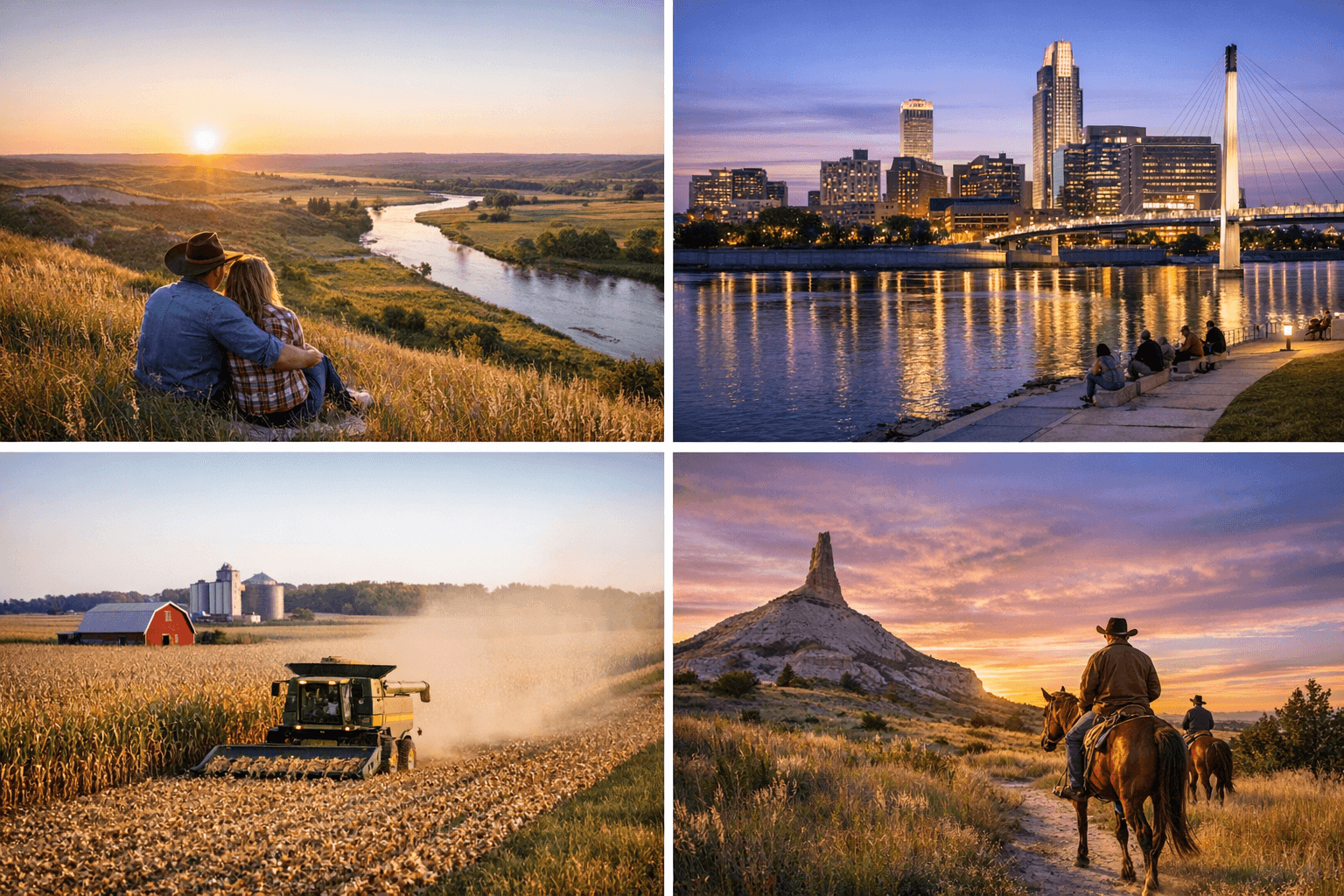
Urban Life in Omaha: Culture, Careers, and Community
Omaha, Nebraska’s largest city, offers a vibrant cultural scene with attractions like the Henry Doorly Zoo and the Omaha Children’s Museum. The city’s unemployment rate is a low 2.8%, thanks to diverse job opportunities in finance, healthcare, and education sectors. Omaha’s food scene is thriving, with an array of dining options showcasing local produce and international cuisines. The city’s cultural opportunities extend to art galleries, theaters, and music festivals, ensuring a rich cultural scene for residents and visitors alike. Community engagement is strong, with events and initiatives that foster a welcoming environment for newcomers.
Lincoln’s Blend of Education and Innovation
Lincoln, home to the University of Nebraska, is a hub for education and innovation. The city invests over $200 million annually in research and development, fostering a strong tech community. The public school system ranks among the top 20% nationwide, making it ideal for families. Lincoln’s strong sense of community is evident in its support for local businesses and cultural events, enhancing its appeal as a destination for those seeking a balance between career advancement and family life. The city’s commitment to green spaces and outdoor recreation provides residents with a quality lifestyle amidst beautiful scenery.
Rural Charm and Opportunities in Western Nebraska
Western Nebraska offers a slower pace of life with wide open spaces and lush forests. The region’s economy is centered around agriculture and outdoor recreation, contributing $3 billion annually. Small towns like North Platte offer affordable housing, with average costs 30% below urban areas. These small towns provide a strong sense of community, where residents enjoy close-knit relationships and support networks. The availability of outdoor activities such as hiking, fishing, and wildlife observation makes Western Nebraska a haven for nature enthusiasts. The region’s stunning landscapes and welcoming residents make it an attractive option for those seeking tranquility and a connection to nature.
Navigating the Moving Process to Nebraska: Step-by-Step Guide
Planning Your Move: Timelines and Checklists
Planning a move to Nebraska involves a timeline of approximately 2-3 months. Key steps include securing housing, transferring motor vehicles, and arranging school enrollment for children. Utilizing a checklist can help streamline the process and ensure nothing is overlooked. For those relocating to Nebraska’s major metropolitan areas, understanding the local real estate market can provide insights into finding the right neighborhood. Additionally, researching public and private schools can assist families in making informed decisions for their children’s education, ensuring a smooth transition to life in Nebraska.
Understanding Local Regulations and Requirements
Nebraska requires new residents to register motor vehicles within 30 days and obtain a state driver’s license within 90 days. Understanding local regulations, including tornado safety protocols, is crucial as the state lies in Tornado Alley, experiencing an average of 45 tornadoes annually. Preparing for severe storms involves familiarizing oneself with community emergency plans and setting up alert systems. Additionally, Nebraska’s regulations on income tax, property ownership, and business operations should be reviewed by newcomers to ensure compliance and a smooth integration into the state’s economic framework.
Settling In: Connecting with Communities and Services
New residents can connect with Nebraska communities through local events and organizations. Cities like Grand Island offer welcome programs for newcomers. Public services, including utilities and healthcare, are readily accessible, with over 90% of residents covered by health insurance. Engaging in community activities, such as volunteering or joining local clubs, can facilitate social integration and build meaningful relationships. Exploring Nebraska’s cultural scene, from its historical sites to its national monuments, provides newcomers with a deeper appreciation for the state’s rich heritage and diverse offerings.