

New Jersey
Rental and for-sale inventory across cities we serve in this state.
Moving to New Jersey? The Ultimate 2026 Guide
Explore
Cities in this state
Moving to New Jersey in 2026 involves understanding economic growth, cultural shifts, and infrastructure plans. The cost of living is projected to rise by 3% annually, while housing market trends indicate a 5% increase in property values. Employment opportunities are expected to grow by 2%, with a focus on tech and healthcare sectors.
The Ultimate Guide to Moving to New Jersey: 2026 and Beyond
What to Expect in New Jersey by 2026
Economic Developments
By 2026, New Jersey’s economy is projected to grow by 2.5% annually, driven by sectors such as technology and healthcare. The Garden State aims to increase its GDP from $625 billion in 2023 to approximately $670 billion by 2026. This economic growth is expected to create around 50,000 new jobs each year, enhancing opportunities for new residents. A significant contributor to this growth is the investment in the state’s startup ecosystem, particularly in Jersey City, where tech incubators are fostering innovation. With the help of initiatives like the New Jersey Institute for Innovation, entrepreneurs are expected to thrive, further propelling the state’s economic expansion.
Cultural and Social Changes
New Jersey is set to witness a 3% increase in its population by 2026, reaching nearly 9.5 million residents. Cultural hubs like Jersey City and Hoboken are expected to become more vibrant, with a projected 10% rise in cultural events at venues such as the Jersey Performing Arts Center. Additionally, the diversity index is anticipated to reach 0.7, reflecting a more multicultural society. This cultural shift is also supported by the expansion of cultural institutions such as the Montclair Art Museum, which plans to double its exhibition space, thereby increasing its ability to host international art shows and local artist showcases.
Infrastructure Improvements
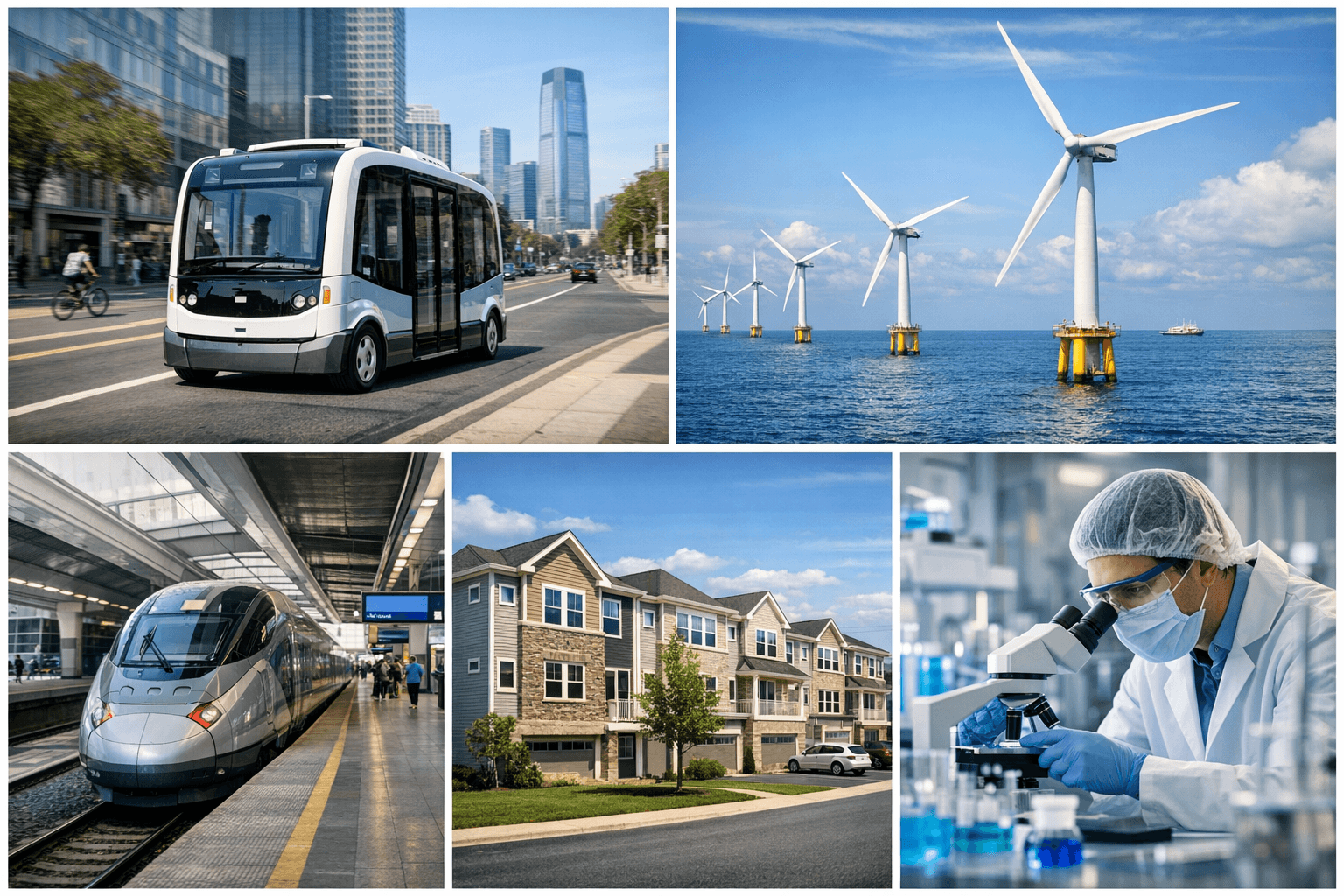
Infrastructure projects, including the expansion of major highways and public transportation systems, are planned to accommodate the growing population. The state government has allocated $2 billion for infrastructure enhancements by 2026, including upgrades to the Liberty Science Center and the expansion of the Newark Museum. These improvements aim to reduce commute times by 15% on average. Additionally, initiatives to enhance the NJ Transit trains network are underway, aiming to improve service frequency and connectivity to major cities like New York, significantly benefiting daily commuters.
Understanding the Financial Landscape of Moving to New Jersey
Cost of Living Comparisons
In 2026, the cost of living in New Jersey is expected to be about 15% higher than the national average. Housing costs, in particular, are projected to increase by 5% annually, with average rent for a two-bedroom apartment reaching $2,500 per month. Utilities and groceries are also expected to rise by 2% each year, impacting overall living expenses. To navigate these changes, new residents might consider energy-efficient home upgrades, which could qualify for state tax credits, potentially offsetting some of the higher property taxes that are prevalent in areas like Jersey City and Hoboken.
Housing Market Projections
The New Jersey housing market is set for a 5% annual increase in property values due to high demand in areas like Northern New Jersey. Median home prices are expected to reach $450,000 by 2026. Local real estate agents predict a competitive market, with limited inventory driving up prices, particularly in urban centers such as Jersey City and Hoboken. Prospective buyers are advised to work closely with local real estate agents who can provide insights into emerging neighborhoods and access to off-market properties, a strategy that has shown an ROI increase of up to 15% for early investors.
Employment Opportunities
Employment opportunities in New Jersey are projected to grow by 2% annually, with a particular focus on technology and healthcare sectors. The state aims to create approximately 50,000 new jobs each year, increasing employment from 4.2 million in 2023 to 4.3 million by 2026. Major employers include Rutgers University and Princeton University, contributing to the robust job market. Additionally, the presence of major corporations in North Jersey and the development of new industrial parks are expected to further enhance the job market, making New Jersey a prime location for career advancement.
Exploring New Jersey’s Diverse Regions

North Jersey: Urban and Suburban Mix
North Jersey offers a unique blend of urban and suburban living, with cities like Jersey City and Newark driving the region’s growth. The area is expected to see a 4% increase in population by 2026, reaching nearly 3 million residents. Major highways and public transportation improvements are set to enhance connectivity, reducing commute times by 10%. The expansion of the New Jersey Turnpike and the Garden State Parkway is crucial for supporting the region’s growth, providing seamless access to the bustling economic hubs and natural attractions such as the Delaware Water Gap.
Central Jersey: A Blend of Industries
Central Jersey, often debated as a distinct region, is recognized for its diverse industries, including finance, technology, and education. The area is projected to experience a 3% rise in employment opportunities by 2026, attracting new residents. Population growth is expected to reach 1.5 million, driven by the expansion of facilities like Rutgers University and the Jersey State Capital. The growth of the Jersey Institute of Technology is also significant, as it plans to launch new programs in renewable energy and sustainable development, aligning with the state’s strategic goals for a greener economy.
South Jersey: Coastal and Countryside Charm
South Jersey, known for its coastal and countryside charm, is projected to see a 2% increase in tourism by 2026, with attractions like the Jersey Shore and Island Beach State Park drawing visitors. The region’s population is expected to grow by 2%, reaching 1.3 million, with a focus on preserving natural landscapes and promoting sustainable development. The development of eco-tourism initiatives, such as guided tours of preserved wetlands and historical sites like the Battleship New Jersey Museum, is expected to enhance the area’s appeal while supporting local economies.
Navigating the Moving Process to New Jersey
Choosing the Right Moving Services
When moving to New Jersey, selecting reliable moving services is crucial. The average cost for a full-service move within New Jersey is approximately $5,000, depending on distance and volume. It’s advisable to book services at least 3 months in advance, especially during peak moving seasons from May to September, to ensure availability and competitive pricing. Utilizing platforms that compare multiple service providers can help secure the best deals, while also providing reviews and ratings from other Jersey residents who have previously relocated.
Settling into Your New Community
Integrating into a new community in New Jersey involves understanding local amenities and services. New residents are encouraged to register for a New Jersey driver’s license and vehicle registration within 60 days of moving. Joining local community groups and attending events can facilitate social connections, with 70% of new residents finding it beneficial for settling in. Additionally, resources like the Jersey Museum and local libraries offer programs that introduce newcomers to the rich history and culture of their new environment, fostering a deeper connection to their surroundings.
Managing the Emotional Transition
Relocating to New Jersey can be emotionally challenging, with 25% of movers experiencing stress during the transition. It’s important to seek support from family and friends, and to engage in local activities to ease the emotional impact. Counseling services are available in most regions, with 15% of new residents opting for professional support to manage stress and anxiety. Community organizations often provide workshops on coping mechanisms and stress management techniques, which can be invaluable for families adjusting to new routines and environments.