

Rhode Island
Rental and for-sale inventory across cities we serve in this state.
Moving to Rhode Island? The Ultimate 2026 Guide
Explore
Cities in this state
Rhode Island is becoming a popular destination in 2026 due to economic growth and future developments. The state offers diverse living options, from urban Providence to charming Newport. New residents should consider the cost of living and potential tax benefits.
Moving to Rhode Island: Your Ultimate Guide to the Ocean State
Rhode Island 2026: An Emerging Destination

Why Rhode Island is Gaining Popularity
In 2026, Rhode Island is poised to become a top destination due to its strategic location on the East Coast. The state’s population is projected to grow by 2.5%, reaching approximately 1.1 million residents. This increase is driven by its appeal to young professionals and retirees alike, attracted by its coastal beauty and vibrant culture. The state’s reputation as the ‘Creative Capital’ is bolstered by its rich history and diverse range of cultural offerings. Events like the Newport Folk Festival and WaterFire provide a unique blend of tradition and modernity, drawing both tourists and new residents with open arms.
Rhode Island offers a diverse range of attractions, from historic homes to modern urban amenities. The state’s capital, Providence, often referred to as the ‘Creative Capital’, has seen a 10% increase in new business startups, attracting a dynamic workforce. The local culture, highlighted by events such as WaterFire and the Newport Jazz Festival, adds to the state’s allure by providing a unique blend of local traditions and contemporary entertainment.
Economic Trends Shaping the State
The economic landscape of Rhode Island is undergoing significant transformation. The state’s GDP is expected to grow by 3% annually, driven by sectors such as healthcare, education, and technology. The presence of Brown University and other institutions fosters innovation, contributing to a strong job market that boasts a low unemployment rate of 3.8%. The state’s investment in research and development, particularly in the tech sector, underscores its commitment to sustaining a vibrant culture of innovation and maintaining a strong job market.
In addition to a thriving job market, Rhode Island offers competitive wages. The median household income is projected to rise to $75,000 by 2026, slightly above the national average. This economic growth is supported by state initiatives aimed at attracting new businesses and fostering entrepreneurship. Programs designed to enhance career opportunities, especially in major cities like Providence, are crucial for sustaining economic dynamism in the smallest state.
Future Developments in Rhode Island
Looking ahead, Rhode Island has several major developments planned. The state is investing $500 million into infrastructure projects, including improvements to public transit systems and road networks. These enhancements aim to provide easy access to urban areas and improve connectivity across the state, thereby supporting the growth of both coastal towns and inland regions.
Moreover, the development of new residential and commercial spaces is set to transform key regions. Projects such as the Innovation District in Providence and waterfront developments in Newport promise to create new opportunities for residents and businesses. These advancements underscore Rhode Island’s commitment to sustainable growth and modernization, making it one of the best places to live on the East Coast.
Understanding the Financial Landscape of Rhode Island
Cost of Living Overview
The cost of living in Rhode Island is slightly above the national average, with a cost of living index of 110. This index reflects the higher expenses associated with housing, utilities, and transportation. As of 2026, the average utility cost for a 900-square-foot apartment is $150 per month, which is considered high compared to other states. High utility costs are a significant consideration for those moving to Rhode Island, but are often offset by the state’s other benefits like access to good schools and vibrant local culture.
Despite these costs, Rhode Island offers a high quality of life with access to excellent schools, healthcare facilities, and outdoor activities. For those considering moving to Rhode Island, understanding these financial aspects is crucial for effective budgeting and planning. The state’s rich history and vibrant culture make it a worthwhile investment for prospective residents.
Affordable Housing in Key Cities
Housing affordability in Rhode Island varies by region. In Providence, the median home price is expected to be $350,000 in 2026, while in Warwick, it’s projected to be $300,000. These prices represent a 5% increase from previous years, reflecting the demand for housing in urban and suburban areas. The state’s commitment to developing affordable housing projects, especially in urban areas like Fox Point and downtown Providence, is helping to balance the high cost of living.
For renters, the average monthly rent in Providence is approximately $1,500, slightly above the national average. However, programs aimed at increasing affordable housing options are underway, providing opportunities for both buyers and renters to find suitable accommodations. This focus on affordability is crucial for maintaining a diverse range of residents in Rhode Island.
Tax Implications for New Residents
Rhode Island’s tax environment is competitive, with a state income tax rate ranging from 3.75% to 5.99%. New residents may benefit from various tax incentives, including property tax relief programs for homeowners. The state also offers tax credits for energy-efficient home improvements, making it financially appealing for eco-conscious movers. These tax benefits are designed to attract new residents and support the state’s reputation as a forward-thinking, eco-friendly destination.
Understanding these tax implications is essential for new residents, as it impacts overall cost of living and financial planning. By taking advantage of available tax benefits, new residents can optimize their financial situation upon moving to Rhode Island, making it a financially viable option compared to other East Coast locations.
Exploring Rhode Island’s Diverse Regions
Urban Living in Providence
Providence, the state’s capital, offers a vibrant urban lifestyle with rich history and cultural diversity. The city is home to major institutions like Brown University and the Rhode Island School of Design, contributing to its status as a hub for education and innovation. In 2026, Providence is expected to see a 4% population increase, driven by its thriving job market and urban amenities. The east side of Providence, known for its historic homes and charming neighborhoods, is particularly appealing to those seeking a mix of history and modernity.
Residents of Providence enjoy a wide range of dining options, with over 200 restaurants featuring diverse cuisines. The city also boasts a robust arts scene, with numerous galleries and theaters. For those seeking an active lifestyle, Providence offers easy access to parks and recreational facilities. The city’s commitment to maintaining its status as the ‘Creative Capital’ ensures a dynamic and enriching environment for all residents.
Coastal Charm of Newport
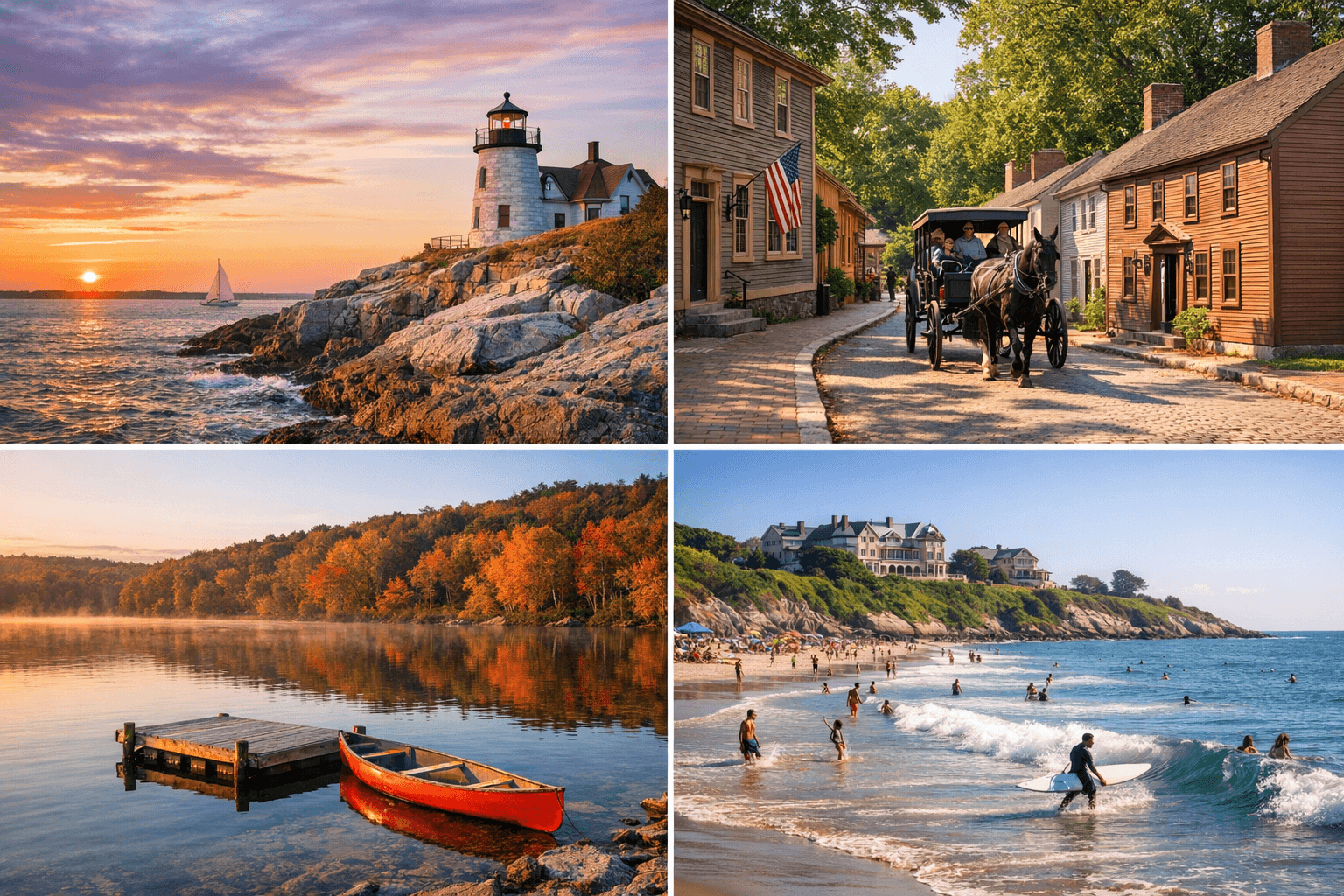
Newport, known for its charming coastal towns and historic architecture, offers an idyllic setting for those seeking a quieter lifestyle. The town’s population is projected to remain stable at around 25,000 residents in 2026. Newport’s appeal lies in its scenic beauty, with over 400 miles of coastline and numerous outdoor activities. The town’s vibrant culture is enhanced by its rich history and its role as a major tourist attraction.
Real estate in Newport is premium, with median home prices around $500,000, reflecting its status as a desirable location. The town hosts a variety of events, including the Newport Folk Festival and the America’s Cup, attracting visitors and fostering a vibrant local culture. Newport’s unique blend of coastal charm and urban amenities makes it a standout destination on the East Coast.
Suburban Life in Warwick
Warwick, located just south of Providence, offers suburban living with easy access to urban centers. The city’s population is expected to grow by 1.5% in 2026, reaching approximately 82,000 residents. Warwick is known for its good schools and family-friendly neighborhoods, making it an attractive option for families. The city’s community-focused initiatives and easy access to Providence contribute to its appeal.
The median home price in Warwick is projected to be $300,000, offering more affordable housing options compared to other regions. The city’s amenities include shopping centers, parks, and a robust public transit system, providing residents with a balanced lifestyle. For those looking for a suburban experience without sacrificing access to urban amenities, Warwick is a compelling choice.
Navigating the Moving Process to Rhode Island
Choosing Cost-Effective Moving Services
When moving to Rhode Island, selecting cost-effective moving services is crucial. Local companies such as Gentle Giant and Correira Brothers offer competitive rates and reliable services. On average, the cost of hiring a professional moving service for a three-bedroom home in Rhode Island is around $2,500. These services provide a range of options, from basic transportation to full-service packing, ensuring a smooth transition for new residents.
These companies provide a range of services, including packing, transportation, and storage options. Comparing quotes from multiple providers can help new residents find the best value, ensuring a smooth relocation process. It is important to consider other factors such as insurance coverage and service reviews when choosing a moving company.
Step-by-Step Moving Checklist
To ensure a successful move to Rhode Island, it’s important to follow a detailed moving checklist. Begin planning at least three months in advance, securing housing and notifying service providers of your move. Approximately one month before the move, arrange for utilities and change your address with the postal service. This advance planning is crucial for minimizing disruptions and ensuring a seamless transition.
During the final weeks, focus on packing and finalizing logistics with your chosen moving company. Upon arrival, prioritize unpacking essentials and familiarizing yourself with local amenities and services. This structured approach minimizes stress and ensures a seamless transition to your new home. By adhering to a comprehensive checklist, new residents can enjoy a hassle-free relocation experience.
Settling Into Your New Home
After moving to Rhode Island, settling into your new home involves integrating into the local community. Attend local events and join community groups to meet fellow residents. Volunteer opportunities and neighborhood associations offer avenues for engagement, helping new residents build connections. This active participation in community life fosters a sense of belonging and facilitates a smoother transition to life in Rhode Island.
Exploring local attractions and cultural landmarks, such as the Roger Williams Park Zoo and the Rhode Island School of Design Museum, enriches the experience of living in Rhode Island. By actively participating in the community, new residents can quickly feel at home in their new environment. Whether enjoying a coffee milk at a local café or attending a neighborhood event, embracing the local culture is key to a fulfilling life in the Ocean State.