

Vacation Rentals in the U.S.: The Complete Guide to Booking Right


Key Takeaway
Vacation rentals give families and groups private space, a full kitchen, and a lower cost per person than booking multiple hotel rooms. Since May 12, 2025, the FTC requires U.S. short-term rental businesses to include all known mandatory fees in the upfront displayed total. Always compare the full stay price with taxes for your exact dates, verify the operator behind the listing, and pay by credit card through a secure checkout channel.
To book a vacation rental the right way, compare the total price for your exact dates (not the nightly rate), verify both the listing and the operator behind it, read the cancellation policy and rental agreement before you pay a cent, confirm the amenities and safety features in writing, and pay by credit card through a secure channel. Since the FTC’s fee rule took effect on May 12, 2025, U.S. businesses advertising short-term lodging must include known mandatory fees in the upfront total. This guide is for families, groups, and remote workers comparing U.S. vacation rentals who want the stay to go right.
Here’s your quick pre-booking checklist:
- Compare the full stay price with all mandatory fees, not just “per night.”
- Verify the address and the person or company behind the listing.
- Read the cancellation policy and agreement before paying.
- Confirm beds, bathrooms, Wi-Fi, parking, and safety features in writing.
- Pay by credit card through a secure checkout, never by wire, gift card, or crypto.
One distinction runs through everything below: there’s a difference between booking a listing (photos and a price) and booking a property backed by a real operator who answers the phone when the door code fails.
Is a Vacation Rental Right for Your Trip?

A vacation rental makes the most sense when you need space, privacy, and a real kitchen, not just a place to sleep. For families and groups, the cost per person often lands lower than booking several separate rooms, and a full kitchen lets you cook instead of eating every meal out. Separate living rooms, private outdoor space, and multiple bedrooms and bathrooms let a family keep its routines, and you set your own schedule for meals and activities instead of working around someone else’s. A beach condo, a mountain cabin, or a lakeside vacation home all give you room that a single room never will.
No lodging type is automatically cheaper for every trip. A solo traveler on a two-night city stay may do fine with a single room. A family of six renting a lakeside home for a week almost always comes out ahead with a whole property, especially when the per night cost is split across the group.
A vacation rental tends to win when:
- Your group is large enough to fill multiple bedrooms.
- You want a modern kitchen and laundry facilities on site.
- You’re staying several nights or longer.
- You value private common space and a feel-like-a-local experience.
For a full side-by-side, see our vacation rental vs. hotel comparison.
Build Your Trip Requirements Before You Search
Write down what you actually need before you open a single listing. A short trip brief keeps you from falling for good photos that don’t fit your group. Make sure the sleeping arrangements give everyone enough privacy, and if you’re traveling with young kids, look for a family friendly layout with in-unit laundry facilities and child safety features up front.
Your brief should cover:
- Dates and flexibility (can you shift a day or two?)
- Maximum total budget for the whole stay
- Number of adults and children traveling
- Required bedrooms and real beds, plus bathroom count
- Pet policy if you’re bringing an animal, and whether the home is pet friendly
- Parking and your vehicle size
- Kitchen and laundry needs
- Accessibility features anyone requires
- Pool, hot tub, balcony, or waterfront if those matter
- Workspace and internet for remote work
- Distance from where the group will actually spend time
Keep this list open while you search. It turns a vague browse into a filter that helps you find vacation rentals that suit your style instead of chasing pretty pictures.
Search by Fit, Not Just by Destination

Picking a city is the easy part. The harder part is shortlisting properties that fit how you’ll actually spend your days. Ignore phrases like “close to everything” and look at real travel time to the places on your itinerary. A rental twenty minutes from the attractions you drove across the country to see can cost you hours over a week.
As you narrow the list, check:
- Distance from the city center or the attractions you’ll visit most
- Nearby groceries, medical care, and transportation
- Noise, parking, stairs, and building access
- Whether it’s a whole property or part of a shared or owner-occupied building
- Recent, detailed reviews rather than the overall star average alone
A vacation home in a residential neighborhood often gives you a more authentic, feel-like-a-local experience than a block of identical rentals, even if it sits a little farther from the city center. Weigh that trade-off against how often you’ll head downtown. Focus your judgment on the property and its location logistics, not on the people who live nearby.
Top Cities and Regions for Florida Vacation Rentals and Beyond
The U.S. gives you nearly every setting you could want. Florida vacation rentals draw families with properties near the major theme parks, with Orlando putting you close to Walt Disney World and Universal Studios, while the Florida Keys offer tropical escapes and beachfront condos lined with palm trees. Many Florida vacation rentals come with a private pool, which is often the deciding feature for a family trip in the heat. Arkansas is known for a cabin with a full modern kitchen and a barbecue grill tucked into the woods, and some add a hot tub on the back deck. Oklahoma offers varied landscapes and a rich Native American cultural history for travelers who want something off the usual path.
Think in formats: beach condos, a mountain cabin, city apartments near the city center, lakeside vacation home. One thing to keep in mind: short-term rental rules are not uniform across the country. Licensing, permits, occupancy limits, and local taxes and fees vary by locality, so check the destination’s official local government site if legality is ever unclear. KT Rents connects travelers to short-term and long-term stays across the U.S., so you’re not locked into one region.
Compare the Total Cost for the Entire Stay
“$250 per night” tells you almost nothing. One stay might be a two night trip, another seven, and the mandatory fees can differ wildly. The cost of a 1 night trip and a 2 night trip at the same property won’t simply double the per-night math once fees enter the picture. The number that matters is the total with taxes for your actual dates, and for groups, the total cost per traveler per night. That’s how you compare apples to apples.
When you tally a stay, account for the nightly charge times your length, mandatory cleaning and service fees, taxes and fees from local government, pet fees, parking, pool or amenities charges, any security deposit or card authorization, your cancellation exposure, and the transportation cost created by the property’s location.
The FTC’s Rule on Unfair or Deceptive Fees, effective May 12, 2025, changed how this information shows up. Known mandatory charges the business can calculate in advance must appear in the displayed total, shown more prominently than other pricing. Government taxes and optional add-ons can still be listed separately, but they have to be disclosed before you pay, so you can see the total with taxes before you commit. The rule doesn’t ban cleaning or service fees. It governs how they’re presented. For a deeper look at one of the biggest line items, see our guide to vacation rental cleaning fees.
What Fees Should You Expect Per Night and Per Stay?
| Fee type | What it covers |
|---|---|
| Cleaning fee | End-of-stay cleaning, usually charged once per stay rather than per night. |
| Service fee | The booking platform or operator’s processing charge. |
| Pet fee | Added when you bring an animal to a pet friendly home; may be per pet or per stay. |
| Parking | On-site, assigned, or garage parking where it isn’t free. |
| Amenity/resort fee | Pool, hot tub, gym, or shared amenities access. |
| Taxes | Lodging and local government taxes and fees, disclosed before payment. |
| Security deposit/hold | A refundable deposit or temporary card authorization. |
Taxes and fees may still appear separately from the advertised total, but they must be disclosed before you confirm so the total with taxes is clear.
Watch for Bundle and Save Deals and Price Alerts
Some platforms surface savings only when you combine lodging with other travel, so whenever you see bundle options at checkout, run the math on the full package. When you see bundle save deals or a “spend less whenever you book together” prompt, confirm the all-in total still beats booking each piece alone. Travel sites that pull hotel reviews and flash a “lowest nightly price found” badge often note that the nightly price found within a stated window may not hold, so read the fine print. A badge might say the price was “found within the past 24” hours or even “hours ago,” based on live data from the past 24 hours. On select hotels, some platforms promise you save an average amount on hotels when you’re signed in to an account, with prices and availability subject to change at any moment. Treat any “availability subject to change” note as a reminder to lock in your dates before they move.
Verify the Listing and the Operator

This is where most problems start, so give it real attention. The FTC flags two common rental scams: a scammer copies a legitimate listing (photos and all) and swaps in their own contact info, or a scammer advertises a property that doesn’t exist or isn’t actually for rent. Reviews alone won’t catch either, because the ad, the operator, or the payment request can be fake even when the property is real.
Run through this before you send any money:
- Search the property address and see if conflicting listings appear.
- Search the company or owner’s name.
- Confirm the names, photos, location, and contact details are consistent.
- Watch for conflicting prices or different operators on the same home.
- Verify the company using contact details from its own official site.
- Get the rental agreement in hand before paying a deposit.
- Reverse-image search any photos that look too polished or recycled.
- Walk away from pressure to decide now, secrecy, or odd payment demands.
Never pay by wire transfer, gift card, or cryptocurrency. Those work like cash and leave you with almost no way to recover your money. The safe rule isn’t “never book direct.” It’s never book anonymously or pay through an irreversible channel. Booking US vacation rentals through a verified, broker-owned operator with a written agreement and secure card processing is a different thing entirely from sending cash to a stranger.
Read the Agreement, Cancellation Policy, and House Rules
Before you pay, get the terms in writing and actually read them. A clear agreement protects you if the stay goes sideways. Look for:
- Exact dates and check-in/check-out times
- Property identification (address or unit)
- Total charges and the payment schedule
- Occupancy limit
- Cancellation and refund schedule
- Weather and evacuation terms
- What happens if the operator cancels
- Security deposit and damage process
- Pet, parking, quiet-hours, smoking, and visitor rules
- Checkout duties
- Dispute and support contact information
Cancellation structures aren’t standardized across the country, so don’t assume one policy is “normal.” Read the one in front of you.
Is Travel Insurance Worth It for a Vacation Rental?
Sometimes, but don’t buy it reflexively. The NAIC says travel insurance generally runs about 5% to 10% of your total trip price, though it varies by traveler, destination, and coverage. Standard trip-cancellation coverage only reimburses losses for the specific reasons named in the policy. “Cancel for any reason” coverage may return only 50% to 75% of your insured cost and often requires canceling at least 48 hours before departure. Policies commonly exclude pre-existing conditions, pandemics, civil unrest, and certain higher-risk activities. The smart move: weigh the rental’s cancellation policy against your trip’s nonrefundable cost, then read the covered reasons, exclusions, purchase deadline, and claim requirements before buying.
Confirm the Details Listings Commonly Blur

“Sleeps eight” and “eight comfortable sleeping places” are not the same claim. A listing can hit its headcount with sofa beds and air mattresses. Ask directly so everyone has somewhere real to sleep and enough privacy:
- How many private bedrooms are there, and is each a true bedroom with a bed rather than a nook?
- What type and size is every bed in each bedroom?
- Are any beds actually sofa beds, futons, trundles, or air mattresses?
- Is the living area a room with a sofa, or just a shared pass-through space?
- Is any part of the property shared with the owner or other guests?
- Are the pool, hot tub, yard, balcony, dock, or laundry facilities private?
- Does the modern kitchen have the appliances you need, including a stainless steel refrigerator and a full range?
- Is there a real dining area with a dining table that seats your whole group?
- What was the most recently measured internet speed?
- Is there a dedicated workspace and a private room for calls?
- Are towels, linens, cookware, and toiletries supplied?
- Is air conditioning or a ceiling fan available throughout?
- Is parking guaranteed, assigned, paid, or street-only?
- What stairs, door widths, or shower features affect accessibility?
- Who handles maintenance, and how do you reach emergency help?
Get the answers in the message thread so you have a written record. Photos can promise a lot: a living area with a wooden coffee table and a comfortable sofa, a coffee table set with a table and chairs by the window, a modern kitchen with white counters or a modern kitchen with wooden cabinets, a central island or breakfast bar stools, a window with blinds for privacy. A kitchen with wooden cabinets, a central island, and good light looks great in a photo, but confirm what’s actually there before you count on it. If the listing shows a sofa, a coffee table, and an eating area with a wooden surface, ask whether that dining space truly seats everyone.
Check the Safety Basics Before You Book
Most guides talk about a hot tub and the views and skip the part that matters if there’s a fire. The CPSC and the U.S. Fire Administration recommend confirming a rental has the safety basics in place, which matters even more when you’re renting a family friendly vacation home with young children. Ask whether the property has:
- Working smoke alarms in each sleeping room, outside sleeping areas, and on every level
- Working carbon monoxide alarms on every level
- At least one fire extinguisher
- Two possible exits from every room where possible
- Doors and windows that open properly
- Pool barriers, covers, or alarms where relevant, plus a hot tub cover that latches
- Precautions for any residential elevator
- Anchored furniture that won’t tip
- Appropriate infant sleep equipment if you need it
- Safe storage of chemicals and poisons
- A known emergency address and contact number
A good operator answers these without hesitation. Vague or annoyed responses tell you something too.
Book and Pay Through a Protected Channel

Use the secure checkout and pay by credit card, which gives you dispute rights that irreversible payments don’t. Before you confirm, check that the operator’s name, the agreement, and the name receiving your payment all match, and that the total with taxes matches what you expect. Save the receipt and confirmation, and keep every exchange in writing. If you book through a platform, a quick chat window message to the operator before you pay can confirm the home is real and available.
A federal banking-industry warning flags several signs worth stopping for: requests to pay through instant-payment apps, unusually large deposits, demands for full payment outside the normal checkout process, and anyone asking for sensitive personal information. If a payment request shows up after you’ve booked through a legitimate channel, treat it as suspect until you verify it. Know whether a given charge is a payment, a refundable deposit, or a temporary authorization so a hold on your card doesn’t catch you off guard.
Book Early to Protect Your Dates and Your Budget
Popular homes move fast in peak season, so book early when your dates are firm. The further out you lock in, the more the prices and availability subject to change at any time work in your favor rather than against you. If you’re weighing a night stay for 2 adults at a small city apartment or a longer family week at a larger home, locking the reservation early protects both your price and your preferred layout. As you browse, you may scroll through options with a “previous card” and “next card” slider; take the time to open each one rather than skimming the first photo.
What to Do After You Book

The work isn’t finished at confirmation. A little organization now prevents headaches later.
Before Arrival and On Arrival Checklist
Right after booking: Save the listing, agreement, price breakdown, receipt, and cancellation policy. Screenshot everything, because listings can change after you book.
A few days before arrival: Confirm the address, entry method, check-in time, parking, and support contact. Reconfirm any accessibility, pet, workspace, or equipment needs you flagged earlier.
On arrival: Photograph any significant existing damage before you settle in. Test the locks, water, power, heating and cooling, Wi-Fi, alarms, the pool and hot tub if there is one, and key appliances in the kitchen and dining area. Report any problem in writing immediately so there’s a timestamped record.
Before you leave: Follow the agreed checkout instructions, photograph the general condition of the property, and keep proof of key return or completed checkout. That photo set is your protection against surprise damage charges.
What to Do if Something Goes Wrong
If the rental is fake, unsafe, or nothing like the listing, work through this in order:
- Protect your personal safety first.
- Photograph or record the problem.
- Notify the owner or manager immediately, in writing.
- Request a specific remedy and a reasonable response deadline.
- Contact the booking channel if you used one.
- Save all receipts for replacement lodging or emergency expenses.
- Contact your credit-card issuer promptly if the service wasn’t delivered as agreed.
- To preserve your federal billing-error rights, send written notice within 60 calendar days of the charge first appearing on your statement. The issuer generally has 30 days to acknowledge the dispute.
- Report suspected fraud to the FTC and local authorities.
This is exactly where a real operator earns its keep. A listing can disappear. Someone you can call cannot.
Find Vacation Rentals With Real Support Behind Them
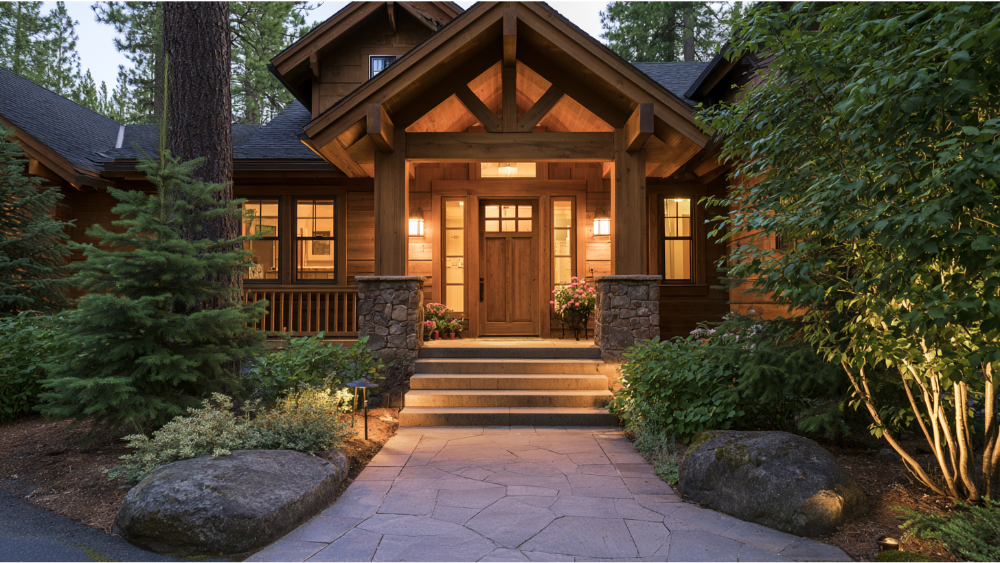
Here’s the difference that matters most. An anonymous listing gives you photos and a price. KT Rents gives you a verifiable business identity, a written rental agreement, and support before and during your stay. We’ve operated since 2009, we’re full-service and broker-owned, and we handle both short-term and long-term leasing across the U.S. with vacation destination connections and maintenance-request infrastructure behind every stay. When the door code, Wi-Fi, pool heater, or air conditioning quits, you reach a real point of contact, not a dead listing.
That’s what a feel-like-a-local stay should come with: authentic properties and dependable people behind them. Whether you want a beach condo, a mountain cabin, or a family friendly vacation home with a pool, browse vacation destinations that suit your style or call (800) 716-4950 to get started. You can also text (608) 207-0657 or email info@ktrents.com. Form submissions get a response within 24 hours.
What’s it called when you rent a house on vacation?
It’s commonly called a short-term or vacation rental. According to the Congressional Research Service, these are generally furnished homes rented for fewer than 30 days, but there’s no single official national definition, and the specifics vary by locality.
How can I rent a house for vacation?
Set your trip requirements, compare the total with taxes for your exact dates, verify the listing and the operator behind it, read the rental agreement and cancellation policy, then pay by credit card through a secure checkout channel.
How many vacation rentals should I compare before booking?
There’s no fixed number, but comparing at least three to five similar homes gives you a real sense of the going rate and the amenities each includes. Line up the total with taxes and fees for your exact dates rather than the headline nightly rate, and weigh the layout, location, and support behind each one.
What fees must be included in a vacation-rental price?
Under the FTC fee rule effective May 12, 2025, known mandatory charges the business can calculate in advance must appear in the displayed total. Government taxes and fees and optional add-ons may still be listed separately, but they must be disclosed before you pay, so the price you see should include taxes and fees where the business can calculate them.
Are pet friendly vacation rentals easy to find?
Yes, but confirm the pet policy in writing before you book. Ask whether the home is pet friendly, what the pet fee is per stay, and whether the yard, pool area, and any hot tub space are safe for your animal. Get the answer in the message thread so you have a record.
What should I do if the property is not as described?
Document the problem with photos, notify the operator in writing immediately, and request a specific remedy. Keep every receipt, dispute the charge with your card issuer (send written notice within 60 days of the charge appearing), and report suspected fraud to the FTC.