

Discover What State Has the Lowest Cost of Living: Your Ultimate Guide

Discover What State Has the Lowest Cost of Living: Your Ultimate Guide
Introduction to Cost of Living

Defining Cost of Living
Cost of living refers to the amount of money needed to sustain a certain standard of living in a given location, accounting for various expenses such as housing, groceries, transportation, healthcare, and utilities. This measure is crucial for individuals and families aiming to save money while maintaining a decent quality of life. The cost of living index is often employed to compare these expenses across different regions, highlighting disparities that can influence relocation decisions. For instance, the average household income may stretch further in states with lower living expenses, providing a higher quality of life for residents.
Key Factors Affecting Cost of Living
Several key factors affect the cost of living, including housing costs, transportation costs, healthcare costs, and basic necessities like groceries. These expenses can vary significantly within states and regions, playing a critical role in determining affordability. Southern and midwestern states, for example, often present more affordable housing options compared to coastal regions, which generally have higher costs. Property taxes and healthcare costs are also pivotal in shaping the economic landscape, influencing where people choose to live for financial stability and comfort.
Top States with the Lowest Cost of Living
Mississippi: Affordable Living
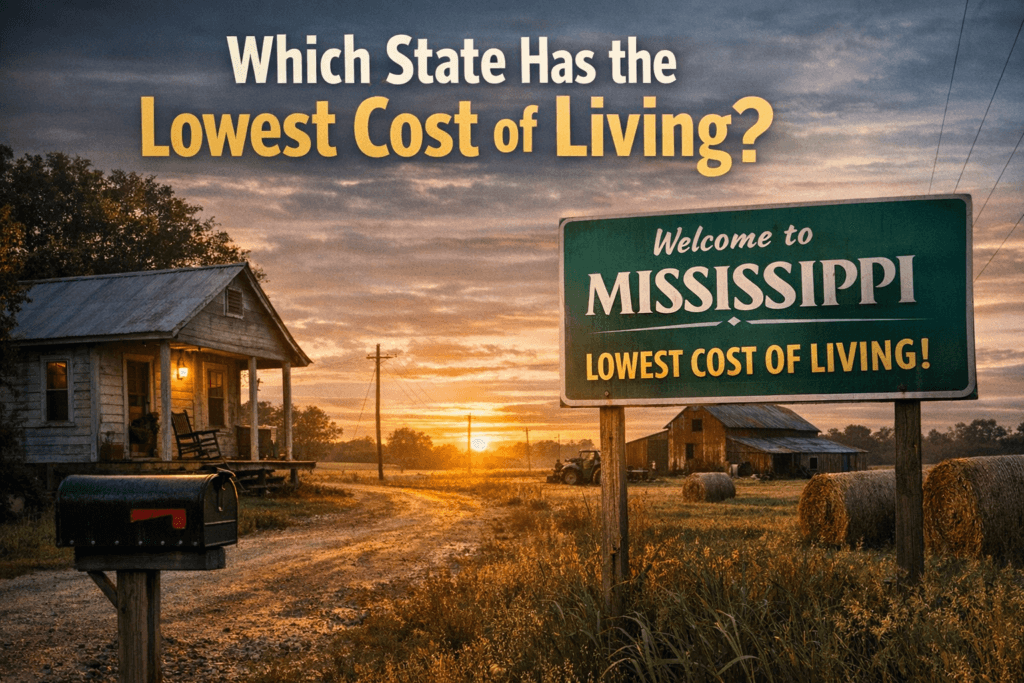
Mississippi is renowned for having the lowest cost of living in the United States. The average home price here is substantially lower than the national average, making it a prime choice for those seeking affordable housing. Additionally, healthcare costs are relatively low, further enhancing the state’s appeal. Residents benefit from reduced grocery costs and other living expenses, making it easier to manage household budgets effectively. The economic opportunity in Mississippi, combined with its affordability, makes it a viable option for many families seeking financial stability.
Arkansas: Budget-Friendly Lifestyle
Arkansas, known as the Natural State, offers a budget-friendly lifestyle characterized by low living costs. Affordable cities such as Northwest Arkansas provide economic opportunities without the burden of high living expenses. Housing prices are notably lower than in more expensive cities, and healthcare and grocery costs remain manageable. This makes Arkansas an attractive option for families, retirees, and remote workers who prioritize cost savings without compromising on quality of life. The state’s balance of affordability and opportunity is a key factor in its appeal.
Oklahoma: Economic Advantages
Oklahoma presents numerous economic advantages with its affordable cost of living and robust job market. The median home price and average rent for a two-bedroom apartment are below the national average, making housing accessible for many. Oklahoma City stands out as one of the most affordable cities in the region, offering residents a high quality of life without the hefty price tag. The state’s strategic location in Tornado Alley also provides unique opportunities in sectors like agriculture and energy, contributing to its economic appeal.
Analyzing Housing Costs

Rental Market Overview
In states with the lowest cost of living, rental markets tend to be more accessible. For instance, in Mississippi and Arkansas, the average rent for a two-bedroom apartment is significantly lower than in states with higher costs. This allows residents to save money on housing, providing more financial flexibility for other living expenses. The affordability of the rental market in these areas is often a key factor for young professionals and families looking to stretch their household income further.
Home Buying Opportunities
For those interested in homeownership, states like Mississippi and Oklahoma offer attractive home buying opportunities. The median home price in these states is well below the national average, providing an affordable entry into the housing market. Lower property taxes further enhance the financial appeal, making these regions ideal for first-time buyers and investors. The economic opportunity in these areas, bolstered by affordable housing costs, offers a compelling case for long-term investment and stability.
Impact of Transportation Costs
Public Transportation Options
Transportation costs are a significant component of the cost of living. States with lower costs often have affordable public transportation options, reducing the need for car ownership. For example, cities in Arkansas and Oklahoma provide efficient public transit systems, helping residents save money on commuting. The presence of such systems not only reduces living expenses but also supports environmental sustainability, making these regions attractive for eco-conscious individuals.
Cost of Owning a Car
Owning a car in states with a lower cost of living is generally more affordable due to lower gas prices and insurance rates. This is particularly true in regions like rural Mississippi and Oklahoma, where public transportation may not be as prevalent. Lower maintenance and registration costs further contribute to the economic benefits of car ownership in these states. This affordability in transportation is crucial for residents who rely on personal vehicles for commuting and accessibility.
Healthcare Expenses in Low-Cost States

Healthcare Accessibility
States with the lowest cost of living often provide accessible healthcare systems that do not compromise on quality. In Mississippi, for instance, Baptist Health facilities offer comprehensive services at a fraction of the cost found in more expensive regions. This accessibility ensures residents receive necessary care without incurring high medical expenses, which is a significant factor for families and individuals looking to manage their healthcare costs effectively.
Insurance Costs
Insurance costs in budget-friendly states are typically lower, reflecting the overall affordability of living there. Health insurance premiums in states like Arkansas and Oklahoma are competitive, enabling residents to maintain coverage without straining their budgets. This factor is crucial for families and individuals seeking to manage their healthcare expenses effectively. The availability of affordable health care and insurance options contributes to the overall economic appeal of these regions.
Grocery and Utility Costs
Grocery Prices Overview
Grocery costs in the cheapest states are generally lower, allowing residents to allocate their budgets more efficiently. Mississippi and Arkansas boast affordable grocery prices, driven by local agriculture and lower transportation costs. This affordability is a key factor in maintaining a low overall cost of living. Residents benefit from the ability to purchase basic necessities without the financial strain experienced in more expensive regions.
Utility Costs Breakdown
Utility costs in states with the lowest cost of living are often more manageable, contributing to the overall affordability. In places like Oklahoma and Arkansas, residents enjoy lower electricity and water rates, which can significantly reduce monthly living expenses. These savings add up over time, providing financial relief for households. The ability to manage utility costs effectively is a crucial aspect of maintaining a balanced budget in these regions.
The Role of Remote Work in Cost of Living Choices

Remote Work Trends
The rise of remote work has shifted priorities for many individuals, allowing them to choose where they live based on affordability rather than proximity to their workplace. As a result, low-cost states have become increasingly attractive to remote workers who can take advantage of lower living costs while maintaining their income levels. This trend is particularly pronounced in states like Mississippi and Arkansas, where the cost savings can be substantial. The flexibility of remote work enables individuals to prioritize financial stability and quality of life.
Choosing a Low-Cost State for Remote Work
When selecting a low-cost state for remote work, factors such as internet accessibility, cultural opportunities, and climate become crucial. States like Oklahoma and Arkansas offer reliable internet services and a welcoming community, making them ideal for remote workers. These states provide a balance between cost savings and quality of life, ensuring a comfortable and productive remote working environment. The availability of job opportunities and economic opportunity in these regions further enhances their appeal for remote professionals.
Long-term Trends Post-2023
Inflationary Pressures
Inflationary pressures are expected to impact cost of living trends post-2023, with potential increases in housing and transportation costs. However, states with the lowest cost of living may experience milder inflation effects due to their existing affordability. Monitoring economic indicators will be essential for predicting future cost trends in these regions. Understanding these trends can help residents and potential movers make informed decisions to safeguard their financial stability.
Economic Shifts
Economic shifts, including changes in job markets and industrial growth, could influence the cost of living in low-cost states. For instance, investment in renewable energy sectors in states like Arkansas may create new job opportunities and affect living expenses. Staying informed about these shifts will help residents and potential movers make informed decisions. The ability to adapt to economic changes is crucial for maintaining a stable and affordable lifestyle in these regions.
Lifestyle Considerations in Low-Cost States

Cultural and Recreational Opportunities
Despite their affordability, states with the lowest cost of living offer a range of cultural and recreational opportunities. Whether it’s exploring the Mississippi River or enjoying the natural beauty of Arkansas, residents can engage in various activities without the high expense. This balance of affordability and lifestyle quality is a significant draw for many. Access to cultural and recreational activities enhances the overall quality of life, making these states desirable places to live.
Climate and Environment
The climate and environment of low-cost states vary, offering options for those seeking specific weather conditions. For instance, Mississippi’s mild winters and warm summers appeal to those looking for a temperate climate, while Oklahoma’s diverse landscape provides a mix of seasons and outdoor activities. The ability to choose a climate that suits individual preferences is an important consideration for many who relocate to these affordable areas.
Tips for Moving to a Low-Cost State
Housewarming Gifts for New Residents
When moving to a low-cost state, consider housewarming gifts that help integrate into the community, such as local artisan crafts or regional food specialties. These gifts not only welcome new residents but also introduce them to the unique culture of their new home. Embracing local traditions and customs can ease the transition and foster a sense of belonging, making the move more enjoyable and successful.
Settling into a New Community
Settling into a new community involves understanding local customs and participating in community events. Engaging with neighbors and joining local organizations can ease the transition and create a sense of belonging. Embracing the local lifestyle is key to a successful move to a budget-friendly state. Building connections and integrating into the community can enhance the overall living experience and contribute to long-term satisfaction.