

How Often Should Carpet Be Replaced in Rental Property? Expert Guidelines for Property Owners


Introduction: Carpet Replacement in Rental Properties
Why Carpet Lifespan Matters for Rental Properties
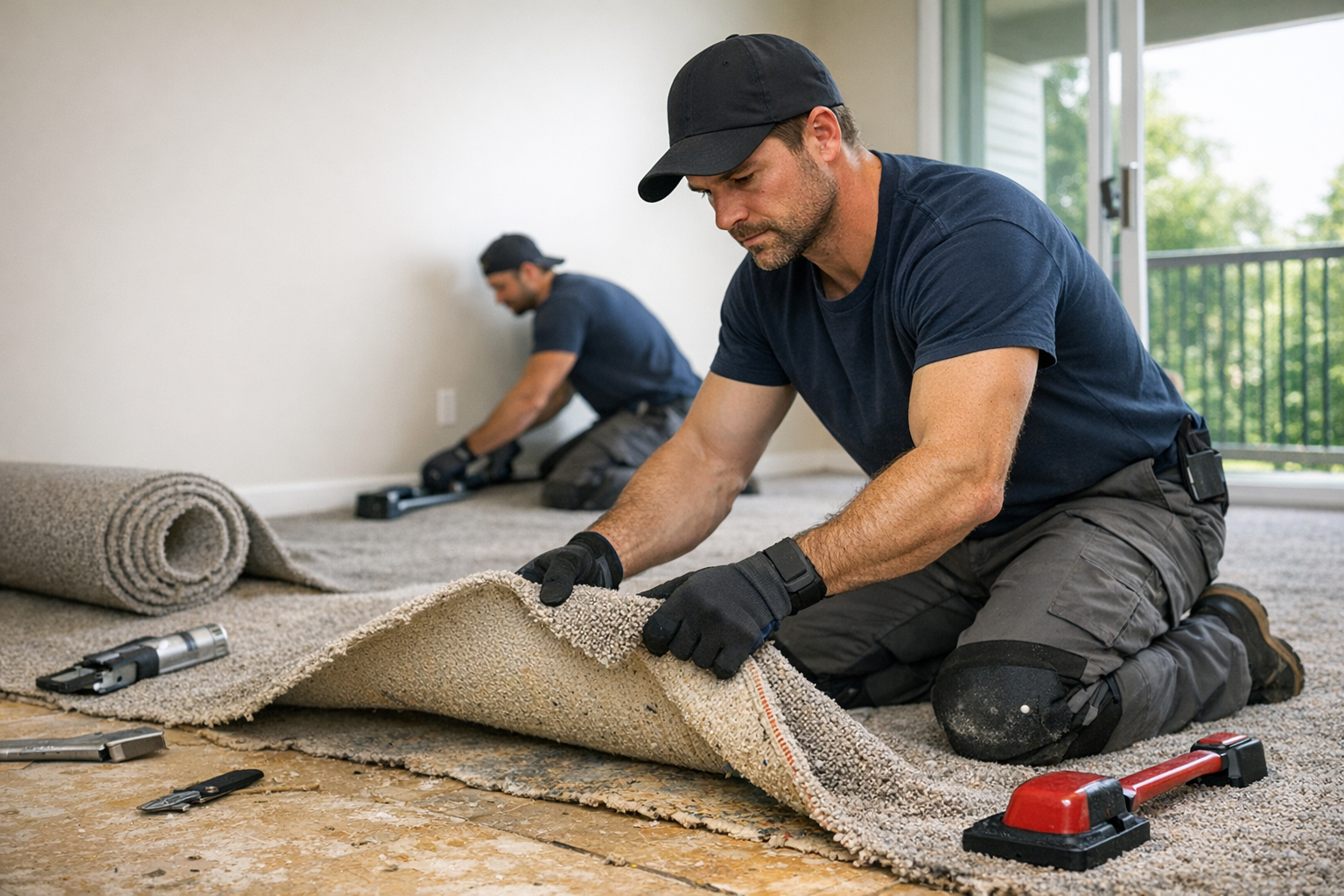
The condition of carpet in your rental property isn’t just a cosmetic matter—it plays a vital role in asset durability, tenant satisfaction, and your return on investment (ROI). For property owners and managers, understanding how often should carpet be replaced in rental property is crucial. Proactively planning for carpet replacement reduces vacancy periods and helps attract quality tenants who value cleanliness and comfort. Maintaining carpets through regular cleaning and professional deep cleaning not only enhances visual appeal but also addresses health concerns such as allergens and mold growth, avoiding negative reviews or costly remediation.
KT Rents: Our Ownership Approach to Asset Longevity
At KT Rents, we operate every rental property as if it were our own investment. We advise property owners and property managers on all aspects of carpet care, ranging from proper maintenance and assessing carpet quality, to professional deep cleaning and timely carpet replacement. This approach ensures your property is protected from costly surprises linked to carpet condition or unexpected replacement costs.
Industry Best Practices: Standard Carpet Replacement Timelines
Manufacturer Recommendations vs. Actual Rental Use
Manufacturers estimate a carpet’s life at 10+ years for owner-occupied residences, but rental units face more wear and tear due to frequent tenant turnover and higher foot traffic. In reality, for most rental properties, normal wear and tear occurs much faster. Therefore, the question is not just when to replace carpet, but how to maximize its life expectancy in a rental setting.
Typical Lifespan: 5–7 Years—Myth or Fact?
For most rental units, 5–7 years is widely accepted as the typical timeframe for carpet replacement, provided there has been proper maintenance and absence of severe damage. Shorter cycles—every 3–5 years—are often needed for rentals with high turnover, pets, or young children. Investing in higher quality carpets with resilient carpet fibers and performing regular cleaning can help property managers get more life from existing carpet, particularly in areas with less foot traffic like bedrooms versus living rooms.
Variables Impacting Carpet Longevity
- Type and carpet quality—nylon, polyester, wool, or blends, as higher quality carpets provide added durability
- Patterns of foot traffic—living rooms and entryways experience more wear than bedrooms or closets
- Frequency of professional cleaning during and after tenancies
- Length of stays—long-term tenants generally mean less total moving-related damage than continual short-term turnover
- Adherence to a carpet care schedule involving regular vacuuming, stain removal, and inspections
Quick Tips: For most rental property owners, anticipating carpet replacement every 5–7 years is best. In pet-friendly or high-turnover rental units, this could drop to every 3–5 years. Effective property management includes professional deep cleaning and routine carpet inspections to prolong carpet’s life and reduce premature replacement costs. Ensure tenants also understand the importance of regular cleaning to prevent stubborn stains and mold growth.
Property-Specific Factors Affecting Carpet Replacement Frequency
High Turnover Units
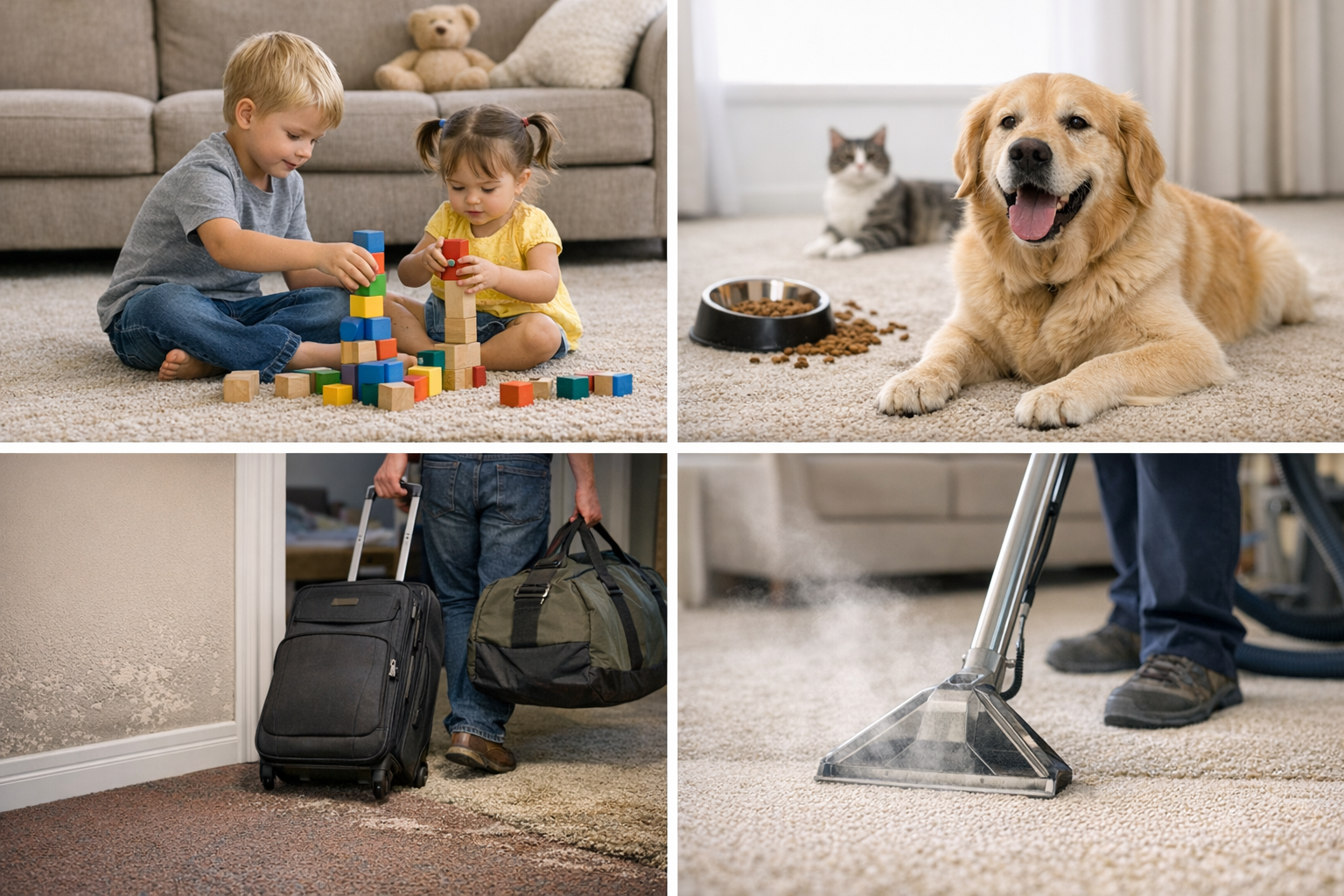
Rental units with frequent tenant turnover typically accumulate more wear and tear. Moving furniture in and out can cause visible wear, carpet condition issues, and more frequent carpet replacement. Owners and property managers should conduct thorough inspections each time a tenant moves to document drop in carpet quality and schedule maintenance or replacement as needed.
Pet-Friendly & Family Rentals
Properties marketed toward pet owners or families with young kids are particularly susceptible to stubborn stains, lingering odors, carpet fibers breakage, and accelerated wear. In these rental properties, property owners often choose new carpet with stain-resistant technology or consider cheaper alternatives such as vinyl flooring to reduce long-term costs and improve tenant satisfaction.
Short-Term & Vacation Rental Considerations
For vacation or short-term rental units, sandy shoes, wet gear, or greater guest variety contribute to more wear and tear. Vacation rentals benefit from either installing good quality carpet with robust carpet fibers or switching to tile, sealed concrete, or LVP, which handle frequent use better than traditional carpet.
Local Market Factors: Regulations and Expectations
Regional Rental Standards and Inspection Requirements
Some states, like California, specify carpet lifespan and when landlords must replace carpet. For example, California law generally presumes carpet lifespan at 10 years, counting depreciation and reasonable wear. Most regions, however, rely on property owner judgment, guided by experienced property managers who understand both legal requirements and what local inspectors look for in terms of carpet care and safe living conditions.
Local Climate: Humidity, Sand, and Seasonal Wear
In humid climates, landlords must watch for mold growth, lingering odors, and faster breakdown of carpet fibers. Sandy or snowy areas lead to more visible signs of abrasion. Using higher quality carpets and scheduling more frequent professional cleaning can help slow down deterioration and prevent health concerns in your rental property.
Community Expectations Around Cleanliness
New tenants today expect carpets in good or excellent condition. Installing new carpet or ensuring professional deep cleaning after each tenancy not only supports health and safety standards but also contributes to positive tenant reviews, fewer complaints about existing carpet, and easier renewal negotiations. Failure to meet expectations can reduce tenant satisfaction and impact occupancy rates.
Quick Tips: Align your carpet replacement and deep cleaning schedule with local regulatory standards, climate, and neighborhood expectations. Consult a licensed attorney or housing official for region-specific laws related to carpet replacement. Well-documented normal wear and tear records protect your interests in any dispute over the security deposit when a tenant moves.
Emerging Trends: Green Flooring and IAQ Regulations in 2025–2026
Impact of Indoor Air Quality (IAQ) Rules on Carpet Choices
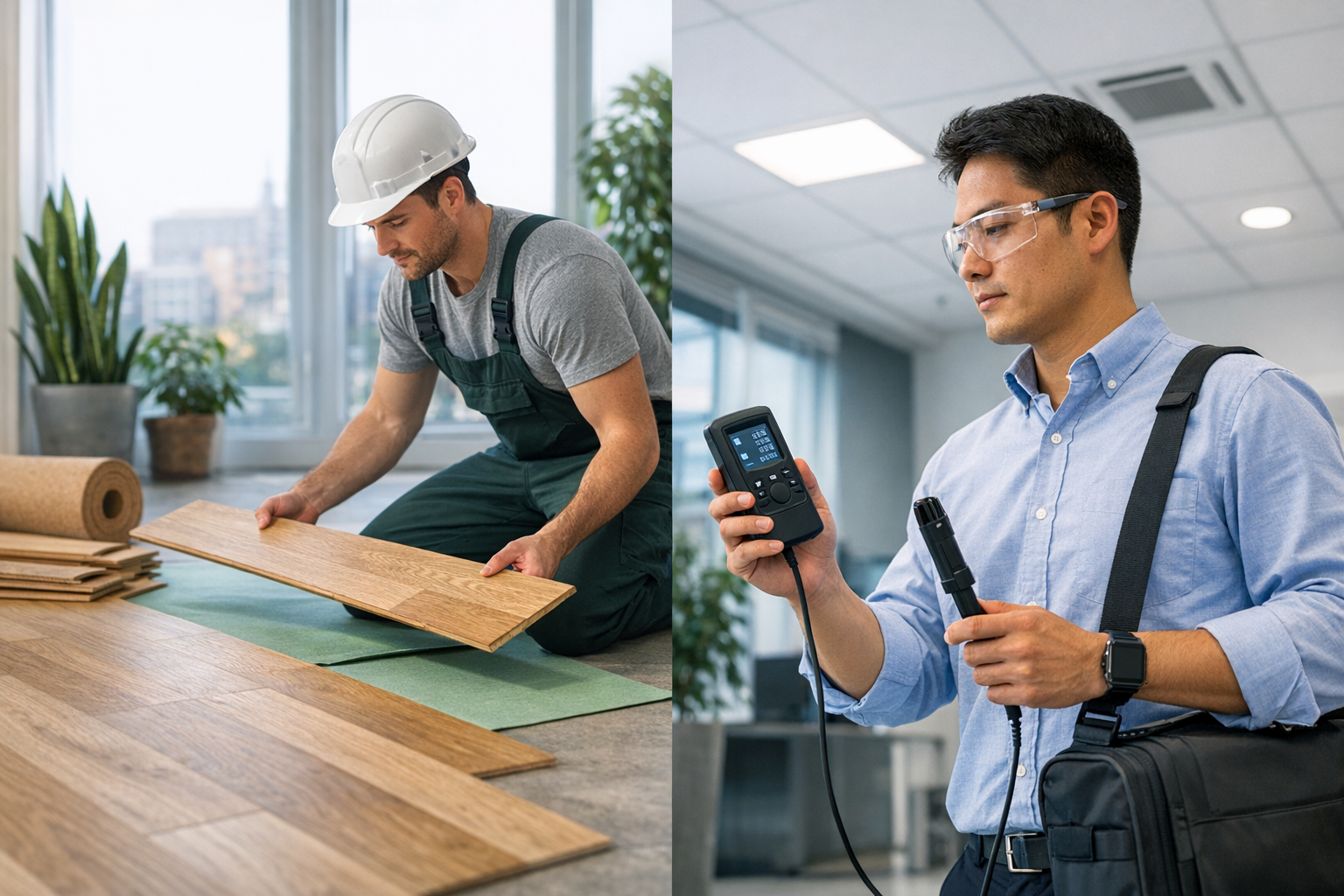
Indoor air quality (IAQ) rules are tightening in many states by 2025–2026, making it wiser for property managers and owners to choose low-emission, hypoallergenic carpets or other sustainable flooring. Poor carpet care leads to allergen build-up, mold growth, and health concerns that hurt both tenant satisfaction and your reputation as a property owner. Upgrading to safer carpets ensures compliance and protects tenant’s health.
Sustainable Alternatives Gaining Market Share
Alternatives such as luxury vinyl plank (LVP), sealed concrete, and advanced tiling are increasingly used in both new and existing rental properties due to their resistance to stains, chemical emissions, and more wear. These floors lower long-term maintenance and replacement costs and are easier to keep allergen-free compared to old or low-quality carpet.
Future-Proofing Your Property’s Flooring Investments
Choosing higher quality carpets or sustainable alternatives like LVP may at first increase upfront costs but generally provide a superior ROI. Less frequent replacement, compliance with future IAQ rules, and improved retention of quality tenants all contribute to lower costs over time. Proactive property management requires balancing initial expense with longer-term savings and wider tenant appeal.
Actionable Owner Checklist: When to Replace Carpet in Your Rental
Visual Cues: What to Look for During Inspections
- Visible wear, matting, or fraying in high-foot-traffic zones (living rooms, hallways)
- Stubborn stains or discoloration that do not come out with professional cleaning
- Worn or splitting carpet fibers along the edges, seams, or thresholds
- Loss of cushion or hardness underfoot due to padding degradation
Odor, Stains, and Allergens: Decision Signals
- Persistent odors—especially after professional deep cleaning—are major red flags
- Any sign of mold growth, mildew, or allergy complaints from new tenants
- Damaged areas creating a safety hazard or violating local habitability codes
KT Rents’ Turnover Inspection Best Practices
Every turnover includes an inspection to assess carpet condition, documented with high-resolution photos and notes on visible signs of wear, mold, stains, or safety risks. Contact KT Rents to get our downloadable Carpet Assessment Checklist and see how structured property management makes it easy to track when to replace carpet and protect your investment.
Downloadable Carpet Assessment Checklist
Use our checklist to track visible wear, assess normal wear and tear, justify security deposit deductions, and objectively decide if it’s time to replace or just professionally clean the carpet.
Quick Tips: If you find visible signs of carpet age, safety concerns, or persistent issues after professional cleaning, replace carpet immediately. Always document the carpet condition before and after every tenant moved in or out, to protect yourself and maintain transparency.
Economic Considerations: Cost-Benefit Analysis of Carpet Replacement

Weighing Carpet Replacement Against Lower Turnover and Higher Rents
The cost per square foot for new carpet can be significant, but prompt replacement improves your rental property’s appeal, allows higher rent rates, speeds up lease signings, and reduces vacancy. High carpet quality and well-planned changes to flooring signal to tenants that you care—meaning better reviews and less hesitance to pay market rates.
Depreciation, Tax Deductions, and ROI for Owners
Most jurisdictions classify carpet replacement as a capital improvement, allowing owners to depreciate costs over time. Responsible property management—documenting every upgrade—maximizes deductions and strengthens your case in any tenant dispute involving early carpet replacement caused by damage versus reasonable wear and tear.
Maximizing Rental Value and Tenant Satisfaction Through Flooring
How Fresh Carpet Impacts Renter Perception and Retention
First impressions matter: new carpet dramatically increases renter satisfaction and likelihood for lease renewal, especially for quality tenants who are looking for an upgraded living experience. Proactive planning for when to replace carpet supports higher standards and helps maintain occupancy in all your rental units.
Comparing Tenant Feedback: Old vs. New Flooring
Our rental property research shows that rental units with newer or well-maintained carpets report higher tenant satisfaction and retention. Upgrades to higher quality carpets or alternatives like LVP in high-traffic zones further boost property value and decrease ongoing maintenance issues caused by normal wear.
Quick Tips: Investing in fresh, good quality carpet or durable modern alternatives improves tenant satisfaction and pays off through shorter vacancy and fewer complaints. Higher satisfaction also translates directly into less visible wear and more reliable rental income.
KT Rents’ Seamless Carpet Replacement Process
Preferred Vendors and Quality Standards
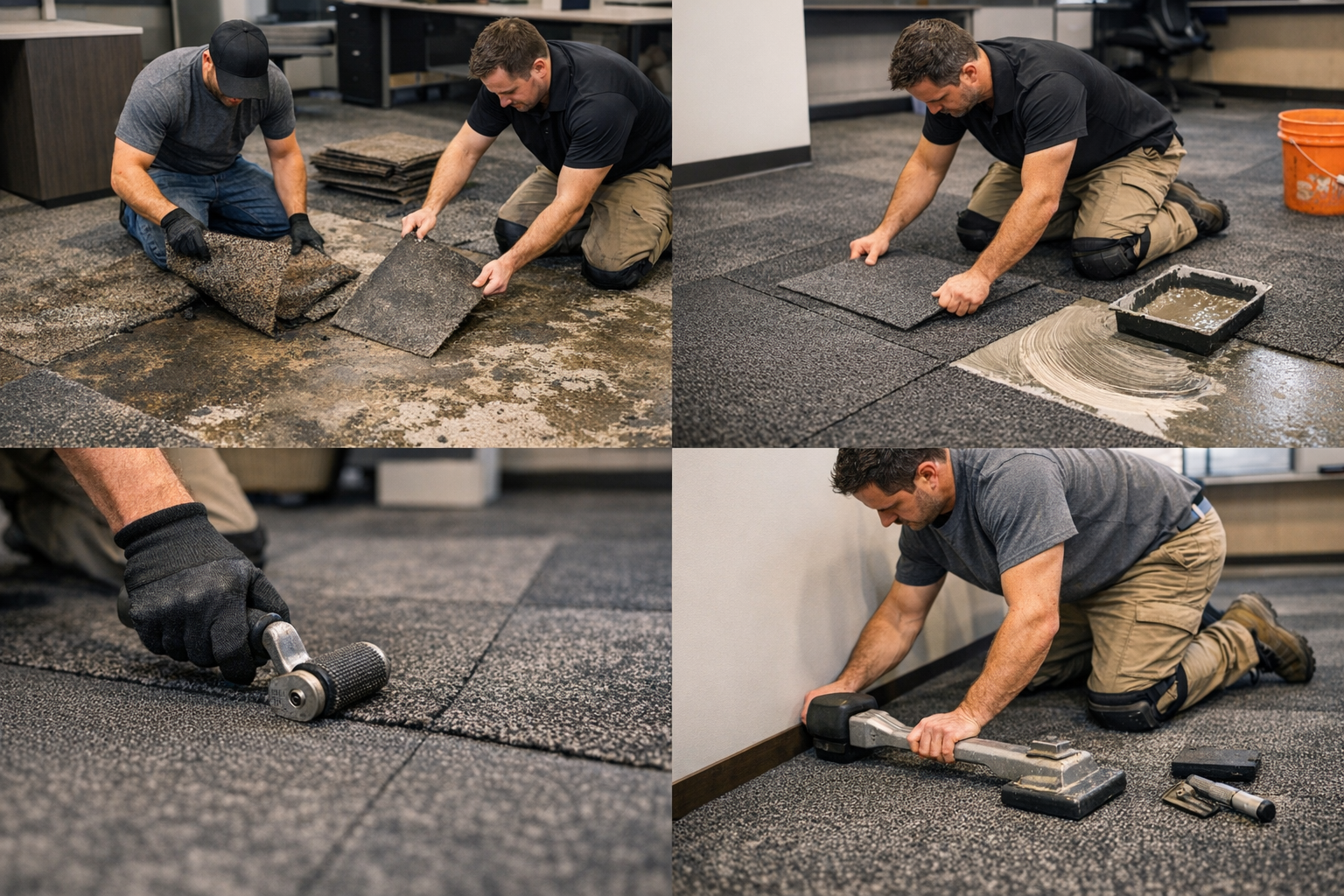
KT Rents collaborates only with installers specially trained for rental properties, ensuring every project meets strict carpet quality and durability standards. We help you choose the best carpet for your budget, from good quality carpet in common areas to higher quality carpets for long term tenants’ comfort.
Transparent Communication With Owners and Tenants
As a responsive property management company, our process always includes clear updates, swatch selection, and final walkthroughs so both owner and tenant get transparency about new carpet or flooring upgrades for your rental property.
Internal Linking Opportunity: Learn More About Our Full-Service Property Management
Visit KT Rents for more details on our full service property management, including rental units maintenance, compliance, and turnover strategies.
Alternatives to Full Carpet Replacement: Repairs, Cleaning, and Upgrades
When a Deep Clean or Patch Is Enough
Full replacement isn’t always required. For only mild visible signs of wear, professional deep cleaning or selective patchwork may restore the carpet’s appearance and extend carpet’s life for another lease cycle. This is especially relevant for higher quality carpets and in bedrooms or areas with less foot traffic.
Assessing Cost-Effective Upgrades (Luxury Vinyl Plank, Tile, etc.)
Switching to durable, low-maintenance options such as LVP, tile, or sealed concrete can lower replacement costs over time and meet modern tenant expectations. These flooring types are popular cheaper alternatives, especially for owners managing multiple rental properties or those with a history of recurring carpet issues.
Internal Linking Opportunity: Explore Sustainable Flooring Options
Read our owner education blog for details on flooring options, sustainability, and how to choose the best upgrade for your rental units while keeping tenant’s health and compliance in mind.
Conclusion: Balancing Cost, Compliance, and Tenant Satisfaction

Summary of Key Points
In summary, how often should carpet be replaced in rental property is typically every 5–7 years—less for high-traffic, pet-friendly, or family rentals, and more if using high-quality carpets with proper maintenance. Evaluate carpet condition regularly, comply with local requirements, and invest in professional cleaning or repairs for hardship cases. Proactive carpet replacement, consistent inspections, and documentation of normal wear and tear maximize your rental property’s value and prevent disputes with new tenants over safety, appearance, or health concerns.
KT Rents’ Transparent and Results-Driven Approach
KT Rents offers transparent, expert property management that helps property owners determine when to change carpet or upgrade to meet tenant satisfaction, local codes, and return on investment goals. Rely on our strategic, market-driven approach to maintain your flooring, manage replacement costs, and keep every rental unit safe and desirable year after year.