

Where to Find Apartments: A Complete Guide for U.S. Renters


Key Takeaway
The best places to find apartments include nationwide rental marketplaces, official property manager websites, local leasing offices, and HUD resources for affordable housing. No single site carries every listing, so combining two strong marketplaces with direct manager sources gives you the widest real view of available apartments. Cross-check every promising listing at the official source and tour before paying anything.
Where to Find Apartments: The Short Answer

The best way to find apartments is to search several channels at once: a nationwide rental marketplace, the official websites of broker-owned property managers and apartment communities, local leasing offices and “For Rent” signs, and HUD or public housing agency resources if you need affordable housing. Then cross-check each promising listing on the manager’s official site and tour it (or send someone you trust) before paying a cent. Whether you’re a first-time renter, relocating across the country, working remotely, or moving a family, the same rule holds: there’s no single best apartment website. The winning search combines channels and verifies at the source. We’ve worked this way since 2009 as a full-service, broker-owned operator nationwide. Your Rental. Your Way.
The Best Places to Find Apartments at a Glance
Each channel pulls from a different slice of the market, so the smart move is to combine a few rather than lean on one.
| Search channel | Best for | Main caution |
|---|---|---|
| Nationwide rental marketplace | Broad inventory and filters | Duplicate or outdated listings |
| Property manager’s official website | Direct contact and source verification | Covers only that manager’s properties |
| Apartment community or leasing office | Current building-specific availability | Limited geographic coverage |
| Local signs and community referrals | Smaller or independently managed properties | Must verify owner and terms |
| Licensed broker or real estate professional | Relocation and competitive markets | Fees and practices vary |
| HUD / PHA resources | Affordable or assisted housing | Locator may not show current vacancies |
| Short-term and sublet sources | Flexible or temporary housing | Verify permission, identity, and lease terms |
Some marketplaces are tied to national real estate organizations like the National Association of Realtors, but no single one carries everything. Combining two strong marketplaces with direct manager and local sources beats checking ten overlapping sites. The goal is to see as many apartment rentals as possible without wasting hours on the same units reposted again and again, and good search results should surface variety, not the same unit over and over.
Set Your Real Apartment Budget Before You Start Searching

Base rent is not your real number. What you need is your total monthly cost, which means adding up rent plus everything that comes with it: utilities, parking, internet, any required renters insurance, pet-related charges where they apply, commute and transportation costs, and any other mandatory recurring fees. Skip that math and you’ll fall for listings you can’t actually afford, because a low price on the headline can hide steep monthly fees underneath.
For context, the national median gross rent in 2024 was $1,487 per month, which includes rent and tenant-paid utilities, and the median renter household spent about 31% of income on it. HUD considers a household cost-burdened when housing eats more than 30% of income and severely cost-burdened above 50%. Treat 30% as a starting reference, not a universal approval rule or a legal limit. Plenty of renters sit above or below it depending on their city and situation. A studio in one metro can cost what a two bedroom apartment runs in another, so let your local price range guide you.
Before you browse a single listing, pin down a realistic number with our Rent Calculator and Cost of Living Calculator. Walking in with a firm total saves hours of chasing places that don’t fit.
Where to Find Apartments for Rent Online
Most searches start online, and that’s fine, but no single site carries every listing. Apartments for rent get syndicated and duplicated across platforms, so the same unit shows up in five places while another never appears at all.
Nationwide rental marketplaces for apartment rentals
These are your widest net. Use the filters: price range, beds and bedrooms, pet friendly options, a studio apartment versus a two bedroom apartment, square footage, move-in date. A map search helps you draw a radius around work or school and gauge realistic commute times. Save listings, set alerts for new matches, and sort by newest so you’re not calling about rentals that leased weeks ago. Use more than one marketplace, because each has gaps. KT Rents is a nationwide, broker-owned option with city and ZIP search plus state-by-state navigation, so you can zero in on a bedroom apartment in the neighborhoods that actually work for your commute, whether you’re searching in New York, Texas, Michigan, or anywhere else. When a listing looks right, open the full details to confirm beds, bedrooms, price, and included fees before you reach out. Keep an eye out for any special offer a property runs to fill a unit faster.
Official property manager and apartment-community websites
Once a listing catches your eye, go straight to the property manager’s own site. You’ll get direct availability, official contact details, application instructions, and resident or maintenance information, along with the full details on monthly fees and any deposit. Just as important, it lets you cross-check a third-party ad against the real source. A broker-owned, professionally managed property is a good sign: it signals licensing and accountability above an unlicensed landlord. It also makes it easier to tell where a unit is actually located and which management companies stand behind it.
Social, community, and university listings
Local groups, employers, university housing boards, and community organizations surface apartments word of mouth never puts on the big sites. They’re worth checking, but this is also where scams cluster. Verify every one of these before you share money or documents, and never send a deposit based on a single message alone, using the steps further down.
Where to Find Apartments Offline
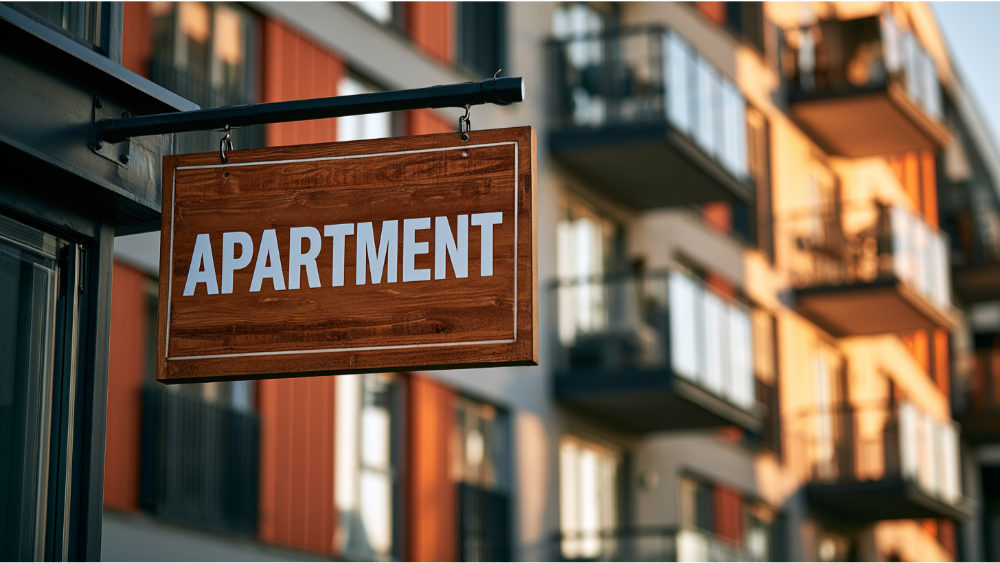
Offline channels still turn up apartments that never hit the major sites, especially smaller or independently managed buildings. Walk or drive the neighborhoods you want and keep an eye out.
- “For Rent” and “Now Leasing” signs
- Building leasing offices you can call or visit
- Neighborhood bulletin boards
- Local property managers
- Referrals from current residents
- Scouting target areas and commute routes on foot or by car
A lot of smaller buildings don’t advertise widely online. Putting in some legwork expands your real set of options beyond whatever the apps happen to show, and it helps you learn which neighborhoods feel right before you commit to a lease. As you explore an area on foot, you also pick up a feel for nearby schools and daily conveniences that no listing page captures.
Where to Find Affordable and Income-Restricted Apartments
If market-rate rent is out of reach, there’s a separate system built for you. Start with the HUD Resource Locator to find affordable properties, public housing agencies, and related resources. Your local public housing agency (PHA) handles public housing and Housing Choice Voucher applications, not HUD directly. HUD-approved housing counselors can walk you through your options at no or low cost.
One thing to know up front: the HUD locator does not show current vacancies. You have to call properties directly about availability, waiting lists, and how to apply. Waiting lists can run long, so HUD suggests applying through more than one eligible agency where it makes sense. If you receive a voucher, the PHA sets your search period, generally around 60 to 120 days, with extensions possible depending on local policy. Keep your criteria neutral and address-specific throughout, focused on price, commute, and condition.
How to Search Smarter and Save Time

A loose search drags on for weeks. A structured one moves fast. Here’s a plan you can lift while searching:
- Choose a move-in range
- Set a total monthly budget, not just a rent figure
- Separate must-haves from nice-to-haves, including beds and bedrooms you need
- Search by exact area or commute radius
- Create alerts for new matches
- Sort by newest listings
- Keep a simple comparison spreadsheet to save your notes in one place
- Contact official sources promptly, before the unit’s gone
- Record rent, included utilities, recurring charges and fees, deposit info, and application status
- Remove duplicate and expired rentals as you go
On timing, start monitoring early and intensify as your move date gets close. Availability cycles differ by property and city, so there’s no single magic window that works everywhere. The more apartments you track in one place, the easier it is to compare price and spot the one worth moving on.
How to Verify an Apartment Listing Before You Pay
This step protects your money. Since 2020, consumers have reported nearly 65,000 rental scams to the FTC, totaling about $65 million in reported losses, and the real number is higher because many go unreported. Adults ages 18 to 29 were three times more likely than other adults to report losing money, which puts students and first-time renters squarely at risk. Common tricks include copied listings, fake below-market prices, pressure to pay before you tour, requests for sensitive application info, fake credit-check links, and hijacked self-guided tours.
Run this checklist on every listing before you send anything:
- Search the exact address and see if it appears elsewhere under different prices or contacts
- Find the management company’s official website independently
- Call the number published on that official site, not the one in the ad
- Confirm the person advertising the unit is actually authorized
- Tour in person or send a trusted representative
- Treat below-market pricing and pressure tactics as warning signs
- Never pay by gift card, cryptocurrency, or wire transfer
- Don’t send sensitive documents through an unverified link or message
- Get all required fees and lease terms in writing
For a deeper breakdown, see our guide on how to avoid rental listing scams. Verifying at the source is the single best way to protect your chances of landing a real place without losing a deposit.
What to Check During an Apartment Tour

First, confirm the unit you’re standing in is the exact one being offered, not a staged model down the hall. Then work through the place during your tour:
- Water pressure and plumbing
- Heating and cooling
- Windows, locks, doors, and smoke/CO alarms
- Appliances
- Mobile and internet signal
- Noise at different times of day
- Parking
- Laundry
- Accessibility needs
- Common areas and amenities
- The maintenance-request procedure
- Signs of leaks, pests, or unfinished repairs
Count the beds and bedrooms against what the listing promised, and make sure a studio apartment is genuinely laid out the way the photos suggested. Walk it with your real preferences in mind so you can determine whether the space will suit how you actually live.
Confirm the pet friendly policy before you fall in love
Pet owners should confirm the pet policy and any pet amenities on site before getting attached to the place. Ask how the building defines pet friendly, whether there are breed or weight limits, and what pet-related fees or monthly fees apply so pets don’t turn into a surprise on the lease. Our apartment tour checklist covers this in more detail if you want a printable version.
Prepare to Apply and Understand Tenant Screening
Housing providers commonly ask for some mix of these, though requirements vary: government-issued ID, income or employment documentation, rental history, references, household and pet info where relevant, cosigner or guarantor details if required, and authorization to run screening. Application fees, deposit amounts, how many pay stubs they want, and income ratios differ by provider, market, and state. None of those is national law, so don’t treat a figure you read somewhere as a universal requirement.
Tenant screening reports can include credit history, rental history, employment verification, eviction records, criminal history, and a score or recommendation based on criteria the provider chooses. If you’re denied, charged more, or required to add a cosigner because of a screening report, you’re owed an adverse-action notice. You can request a free copy of that report within 60 days and dispute anything inaccurate, and the company generally has 30 days (sometimes 45) to investigate. You can also pull a free credit report from each nationwide bureau once per week, a program that’s now permanent, so check yours before you apply. Ready to go? Use our rental application tools to start.
Compare Total Cost and the Lease Before You Sign
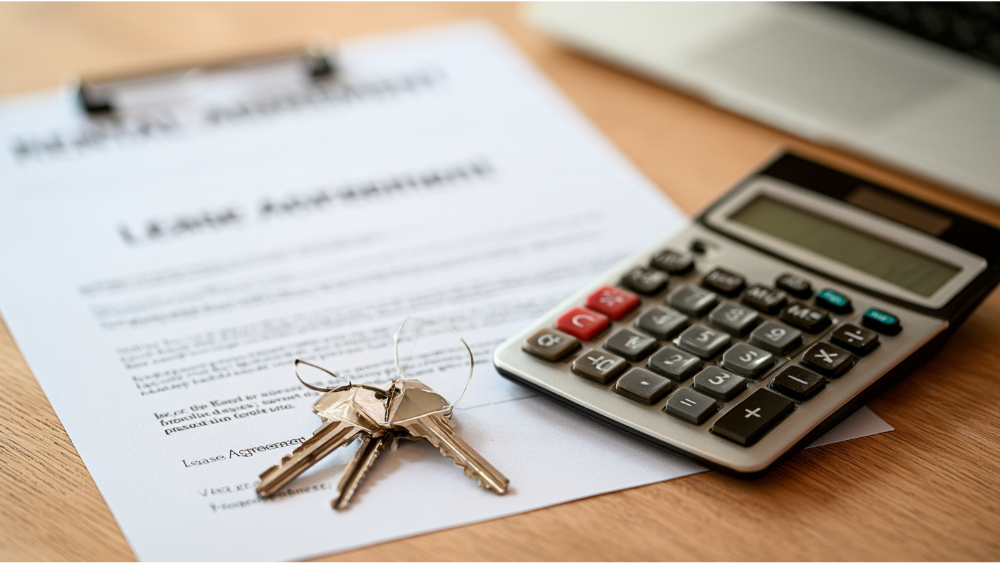
Line up base rent against your true total monthly cost: utilities, parking, pet-related charges, and any insurance requirement. Add up the recurring monthly fees so the real price is in front of you, not just the number on the ad. Then read the lease for the terms that bite later, including length and renewal process, how to report maintenance, guest and subletting policies, and move-in condition documentation. Renters of most housing built before 1978 have the right to receive known lead-based-paint information and the federal lead warning materials before signing, with some housing types exempt.
Judge a place on commute, price, condition, and amenities, not on who you think “belongs” in a neighborhood. The Fair Housing Act protects your rights and bars discrimination based on race, color, national origin, religion, sex, familial status, and disability. Deposit limits, fee caps, and notice periods vary by state and locality, so verify your local rules before you sign rather than trusting a one-size-fits-all number.
Find Your Studio, Two Bedroom Apartment, or Dream Home With KT Rents
Finding the apartment is only step one. What matters after you sign is whether you can reach someone when the heat quits or a pipe leaks. That’s where a full-service, broker-owned manager earns its keep: tenant placement, maintenance requests handled by people who answer a call or a message, online rent payment, and tenant perks like housewarming gifts and home-goods discounts. Our passion for the work shows up in the details, and we stay committed to residents long after move-in. We’ve managed properties nationwide since 2009.
Here’s your path: run the Rent Calculator or Cost of Living Calculator, search KT Rents by city or ZIP, then compare apartments, condominiums, townhouses, and single-family homes side by side. Open the full details on any listing to check beds, bedrooms, price, and fees, then submit a rental application or send a message to the listed manager or owner. Of course, this is about renting, not a purchase, and our listing data is updated regularly across millions of possible matches nationwide, so you can navigate to the exact home that fits. Find Your Perfect Home Near You. Browse rental properties across the U.S. with KT Rents, whether you want a studio apartment downtown or a two bedroom apartment in the suburbs. Your Rental. Your Way. Se Habla Español.
Frequently Asked Questions
How do I find apartments in New York?
Use nationwide marketplaces with neighborhood and commute filters, then check building and property-manager official sites directly. New York is competitive and scam-prone, so verify every listing at the source by searching the exact address and calling the official company number before you share money or documents. Filter by beds, bedrooms, and pet friendly options so you only tour apartments that fit.
Can I afford $1,000 rent making $20 an hour?
Roughly. Full-time at about $20 an hour is around $3,200 a month pre-tax, which puts $1,000 near the 30% benchmark. Treat that benchmark as a starting reference, not a rule, and run the Rent Calculator with utilities and recurring monthly fees factored in before you commit.
Where can you rent for $500 a month?
Market-rate apartments near the national median price of $1,487 rarely hit $500. Look to income-restricted and subsidized properties, Housing Choice Vouchers through your local PHA, HUD resources, and roommate arrangements. The HUD locator doesn’t show live vacancies, so call properties directly about availability and waiting lists
What credit score is needed for an apartment?
There’s no universal number. Each housing provider sets its own criteria and they vary by market. If you’re denied over a screening report you’ll get an adverse-action notice, a 60-day window to request a free copy, and the right to dispute errors. Imperfect credit may still work with a cosigner, references, or added documentation.
Should I use more than one apartment website?
Yes. Listings are syndicated and duplicated, so checking ten overlapping sites covers less than combining a couple of strong marketplaces with direct property-manager sites and local sources. When you’re searching across neighborhoods, fewer, better channels beat volume.