

Idaho
Rental and for-sale inventory across cities we serve in this state.
Moving to Idaho? The Ultimate 2026 Guide
Explore
Cities in this state
In 2026, Idaho’s robust economy and affordable cost of living make it an attractive destination for newcomers. With a 3% job growth rate expected, the state offers diverse opportunities across its regions. Idaho’s natural beauty, community spirit, and blend of tradition and modernity provide a unique lifestyle experience.
Discover the Dynamic Opportunities of Moving to Idaho
Why Idaho is the Future: 2026 Economic and Lifestyle Outlook

Idaho’s Economic Growth in 2026
By 2026, Idaho’s economy is projected to grow by 3%, outperforming the national average of 2.1%. The state’s GDP is expected to reach $97 billion, driven by sectors like technology and agriculture. Idaho’s robust economy stands out in the Pacific Northwest, attracting professionals and families alike. In particular, the Boise area is becoming a hub for tech startups and innovation, with large companies setting up regional offices to take advantage of the educated workforce and lower taxes. The Treasure Valley is also seeing significant investment in infrastructure, enhancing job opportunities and economic stability, which is a strong draw for new residents.
Lifestyle Changes: A Blend of Tradition and Modernity
Idaho residents will experience lifestyle changes with a mix of tradition and modernity. The state’s population is expected to increase by 2.5% annually, fostering a dynamic environment. Urban areas like Boise are embracing innovation while retaining cultural traditions, appealing to young people and families. The city’s cultural hubs are expanding, offering a vibrant arts scene and numerous parks, which provide venues for local events that foster a strong sense of community. As Idaho balances its growth, the emphasis remains on maintaining the natural beauty and outdoor recreation opportunities that define the region’s allure.
Emotional Well-being: Settling into Idaho’s Culture
Moving to Idaho involves adapting to its unique culture, which values community and outdoor recreation. The state boasts numerous parks and abundant wildlife, enhancing emotional well-being. With a focus on community spirit, new residents often find a supportive environment that eases the transition. The emphasis on outdoor activities not only enhances physical health but also fosters a sense of connection among residents. Whether it’s hiking along the Snake River or engaging in small talk at a local farmer’s market, the community-centric lifestyle helps newcomers feel at home quickly.
Understanding Idaho’s Financial Landscape for New Residents
Cost of Living: What to Expect in 2026
The cost of living in Idaho is 8% below the national average, making it an affordable option for many. Housing costs, a significant factor, are expected to rise by 4% in 2026, yet remain competitive compared to west coast cities. The overall affordability appeals to both young professionals and retirees. This affordability extends to everyday expenses, such as groceries and utilities, which are also below the national average. As a result, most people find their take home pay stretches further, allowing for a comfortable lifestyle without the financial strain often found in larger urban areas.
Housing Market Trends and Predictions
By 2026, Idaho’s housing market is projected to grow steadily, with home prices increasing by 5% annually. Regions like Treasure Valley and northern Idaho are witnessing significant demand. The median home price in Idaho is expected to reach $410,000, attracting buyers seeking affordable living and natural beauty. This growth is driven by the influx of new residents and the expansion of job markets. For example, the Boise area is seeing a surge in housing developments designed to accommodate the growing population while maintaining the region’s emphasis on sustainable living and preserving green spaces.
Employment Opportunities: Industries on the Rise
Idaho’s job market in 2026 is diverse, with technology, healthcare, and agriculture leading growth. The state’s unemployment rate is projected to remain low at 3.1%. Job growth is particularly strong in Boise, where tech firms are expanding, creating numerous opportunities for educated people. Additionally, the state’s investment in renewable energy and natural resources is opening new job sectors. Companies specializing in solar and wind energy are setting up operations in Southern and Central Idaho, providing high-paying jobs and contributing to a robust economy that attracts talent from neighboring states.
Exploring Idaho’s Diverse Regions: Where Should You Move?
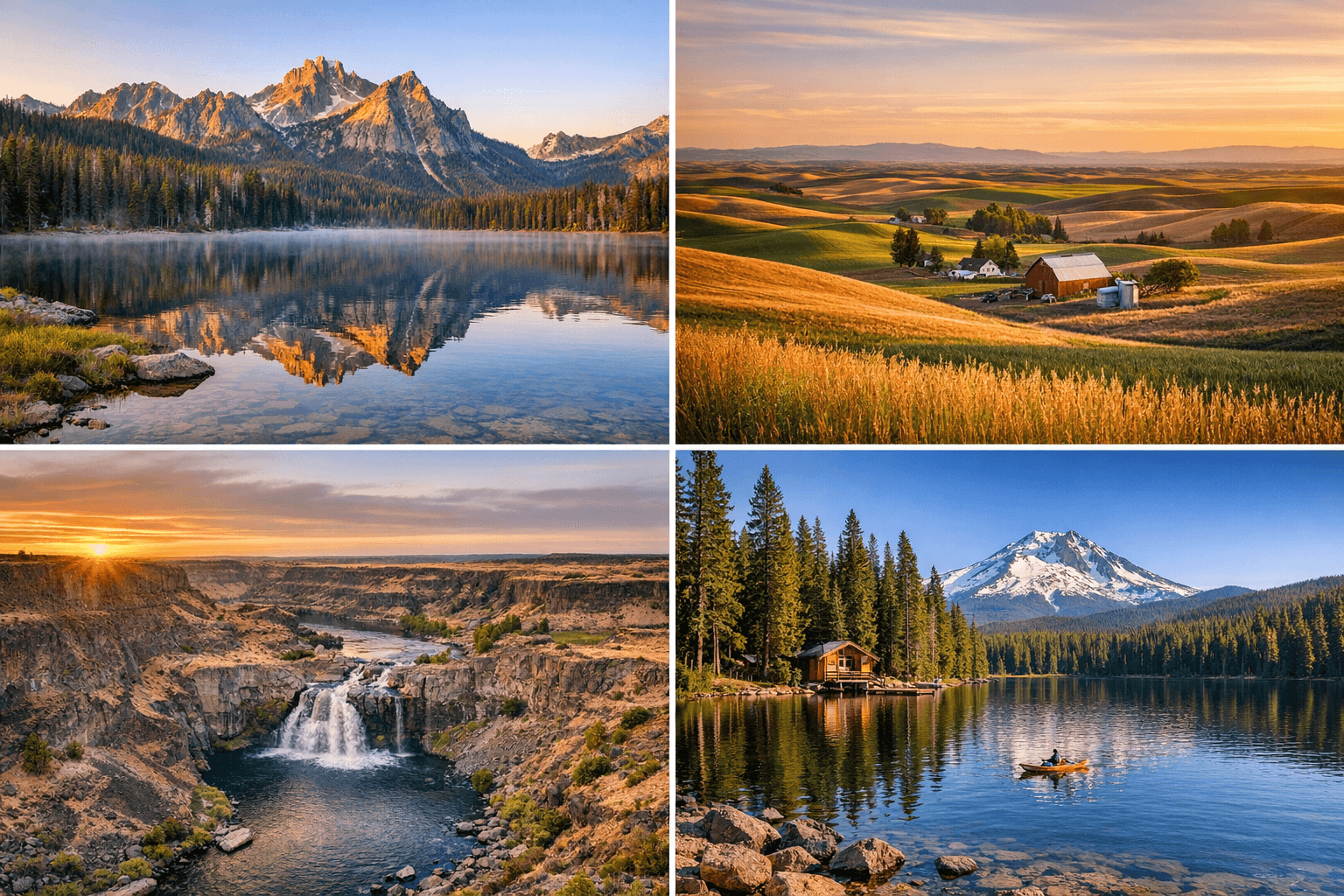
North Idaho: Natural Beauty and Community Spirit
North Idaho offers breathtaking natural beauty with attractions like the Salmon River and Shoshone Falls. The region is characterized by a strong community spirit and outdoor recreation opportunities. With a population growth rate of 2.7%, North Idaho is ideal for those seeking a balance of nature and community. This area is a haven for outdoor enthusiasts, offering everything from hiking and fishing to skiing in the winter months. The local communities are tight-knit, often coming together for regional festivals and events that celebrate the Gem State’s rich heritage and abundant wildlife.
Southern Idaho: Urban Growth and Cultural Hubs
Southern Idaho, including cities like Twin Falls and Boise, is experiencing urban growth and cultural development. The region’s population is expected to increase by 3% annually, driven by economic opportunities and cultural attractions. Southern Idaho provides a vibrant urban lifestyle with access to the outdoors. The area’s universities and colleges are expanding their programs to meet the needs of a growing job market, particularly in sectors like healthcare and technology. This educational growth fosters a pipeline of skilled workers that supports the region’s economic expansion, making it attractive for both large companies and small businesses.
Eastern Idaho: Outdoor Adventures and Family-Friendly Communities
Eastern Idaho, with its family-friendly communities, offers abundant outdoor adventures. The region’s population is projected to grow by 2.4% by 2026. With attractions like Sun Valley and numerous parks, Eastern Idaho appeals to families and outdoor enthusiasts seeking a balanced lifestyle. The area is renowned for its four seasons, providing a perfect backdrop for activities ranging from skiing to summer hiking. Local governments are investing in infrastructure improvements and public amenities, ensuring that the quality of life remains high and that the region retains its appeal for both current and new residents.
Navigating the Moving Process: A Step-by-Step Guide to Idaho
Preparing for the Move: Essential Checklists
Preparing to move to Idaho involves creating checklists for housing, budget, and transportation. With the average moving cost around $4,000 for cross country relocation, budgeting is crucial. Additionally, researching Idaho’s gun laws and healthcare facilities can help newcomers settle in smoothly. Prospective residents should also consider the state’s weather patterns and prepare accordingly, ensuring they have suitable attire for the diverse climate conditions that range from snowy winters to warm, dry summers.
Settling In: Finding Your New Home
Finding a home in Idaho requires understanding local real estate trends and neighborhoods. The average rental price in Idaho is $1,200 per month, offering affordable options. Prospective residents should explore areas like central Idaho and other cities to find the best fit for their lifestyle and budget. Engaging with local real estate agents who have a deep understanding of the market can be beneficial. They can provide insights into upcoming neighborhoods that offer potential for appreciation, ensuring that new residents make informed decisions that align with their long-term goals.
Community Integration: Building Connections
Integrating into Idaho’s community involves participating in local events and cultural activities. Idaho means embracing a lifestyle that values small talk and community engagement. New residents can join local clubs and attend regional festivals to build connections and establish a sense of belonging. Volunteering is another effective way to meet people and make a positive impact. Many Idaho residents are committed to conservation and community projects, providing ample opportunities for newcomers to get involved and contribute to the local community in meaningful ways.