

Renting Near a Military Base: The PCS-Proof Guide to Cost, Commute and Lease Protection

Key Takeaway
Renting near a military base works when the home fits your total monthly cost, your real gate-to-work commute, your lease flexibility, and a listing you have personally verified, not just your BAH number. BAH is set by your duty ZIP, pay grade and dependency status, drawing on 299 Military Housing Areas for 2026. Rent below it and you keep the difference.
Renting near a military base works when the home fits your total monthly cost, your real gate-to-work commute, your lease flexibility, and a listing you’ve personally verified. Not just your BAH number, and not just the miles showing on a map. Two things to get straight before anything else: Basic Allowance for Housing is tied to your permanent duty ZIP, pay grade and dependency status, not a rent ceiling or a reimbursement of what you choose to pay. And the Servicemembers Civil Relief Act is federal law that exists whether or not your lease contains a “military clause.”
This is a repeatable, nationwide checklist for anyone with orders in hand, plus civilians and contractors who want to live near an installation. We’re KT Rents, a full-service, broker-owned property management company that has operated across the U.S. since 2009.
Who this guide is for (and what applies to you)
- Active-duty military members and their families
- Guard and Reserve members
- Civilian employees and contractors working on or near an installation
- Anyone who simply wants to rent in the area
BAH, installation eligibility and SCRA protections depend on your status and your orders. The rental-evaluation steps below apply to every renter, regardless.
On base housing vs. off base housing: which military housing options fit?
| Option | What you pay | Flexibility | Maintenance | Waitlist risk |
|---|---|---|---|---|
| On-base or privatized housing | Typically your BAH | Tied to assignment | Handled for you | Varies by installation |
| Off base renting | Rent plus utilities and fees | Lease term, negotiable | Landlord or manager | Market-dependent |
| Buying near the base | Mortgage, taxes, upkeep | Lowest short-term | You | None |
Ask your gaining installation whether it runs a Rental Partnership Program, which connects members with participating landlords at negotiated terms. It’s also fair to ask a landlord directly about reduced application fees or deposits for military families. If buying is on the table, run it through our Rent vs. Buy Calculator before you commit.
Searching homes for rent and sale near the installation
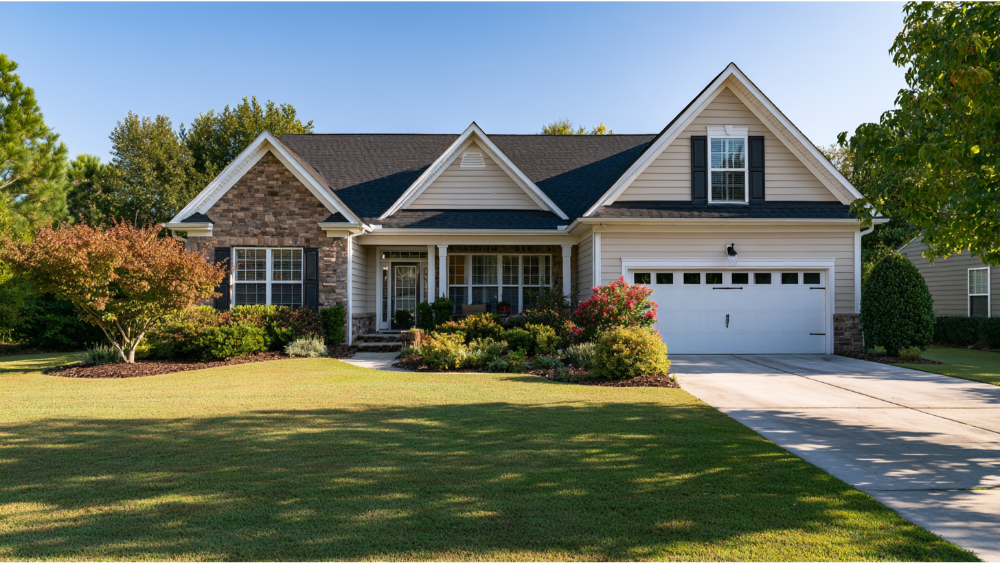
Most installation communities carry a good mix of single family homes, townhouses, condo units and apartments, and inventory swings hard with the PCS calendar. The average home near a gate leases in days during summer, and homes sell just as fast, so start scanning the week your orders drop. Our national marketplace lists properties for sale and for rent across all 50 states.
Homes for rent off base
Renting keeps you flexible when orders change. A furnished short-term rental can bridge the gap while you find homes that fit a longer lease.
Homes for sale off base housing alternatives
Staying three or more years changes the math. Whether you later list it for sale with agent representation or keep it as a rental, run the Mortgage Calculator first.
What does renting off base actually cost per month?
- Base rent
- + mandatory monthly fees
- + estimated utilities
- + renters insurance (Military OneSource estimates roughly $15 to $30 per month for about $30,000 in property and $100,000 in liability coverage, though your premium will vary)
- + pet and parking charges
- + commute costs
- = your real total monthly housing cost
Then budget the upfront money separately: application fees, security deposit, utility deposits and the move itself. Deposit and application-fee limits are set by state and local law, so there’s no national standard to assume. What you pay near a base in Norfolk, Virginia looks nothing like what you pay outside Washington, DC, so compare a listing’s price against local comparables and the national average for that bedroom count, not against your BAH. Our Rent Calculator and Cost of Living Calculator will get you close before you tour anything.
How close to base should you live?
Ignore anyone who gives you a mileage number. Distance is not commute.
- Identify the specific gate you’ll use, whether that’s the north gate or a side entrance, and confirm its hours
- Test drive it at your actual report time, not at noon
- Have a backup gate and route
- Price out fuel, tolls and vehicle wear
- Check a spouse’s commute and your routine destinations too
Visit the property at different times of day to hear flight-line, range or training noise. And start early: military towns turn over heavily in late spring and summer, which means more listings and more competition for them.
How BAH fits into what you can afford
BAH is calculated from your permanent duty station ZIP, pay grade and dependency status. For 2026, rates draw on data from 299 Military Housing Areas and six housing profiles based on dwelling type and bedroom count, with 5% member cost sharing built into the calculation. That 5% is a rate-setting input, not a promise that you’ll pay exactly 5% out of pocket. Rent below your BAH and you keep the difference. Rent above it and you cover the gap. Individual rate protection generally shields you from a decrease while your duty location, grade and dependency status stay the same. Confirm your current rate at militarypay.defense.gov and with your finance office.
Evaluating a family home for rent: bedrooms, bathrooms and the details that matter

Once a listing clears your cost and commute tests, judge the home itself against how your family actually lives. Match the bedroom count to the BAH profile you qualify for, then confirm the bathrooms, parking and storage fit your household rather than just the headline price. Walk through these before you sign:
- Bedrooms and bathrooms sized to your family, with space for guests or a home office if orders keep you put for a few years
- Parking that holds every vehicle, plus room for visitors and any trailer or boat
- Kitchen, laundry and storage that work for daily routines, not just a quick tour
- Pet policy, yard and fencing if you have animals, since pet fees and restrictions vary by property
- Schools, childcare and the routine destinations you mapped during your commute test
- Condition of appliances, HVAC, windows and flooring, documented in writing before move-in
Verify the listing is real before you send money: confirm the owner or manager, tour in person or by live video, and never wire a deposit to hold a home you haven’t seen. A home that fits your family, your budget and your gate-to-work drive, backed by a verified listing and your SCRA rights, is the one worth signing for. Browse verified rentals near your installation on our national marketplace, run the numbers through our calculators, and reach out to KT Rents when you’re ready to tour.