

Savannah, Georgia
Homes for rent and for sale — search the map or open the full city SEO catch-all page.
Savannah, Georgia
Savannah, GA, offers a distinctive blend of coastal beauty, deep historical character, and an economy anchored by one of the nation’s busiest ports. As of July 2026, the city remains an appealing, more affordable alternative to larger coastal metros, with a cost of living roughly 10% below the national average. However, prospective residents must approach the move with logistical precision: prioritize an address-level assessment of flood and hurricane evacuation risks, and verify your employment stability or remote-work viability before committing, as local job availability can be niche-specific. Renting initially is a highly recommended strategy to test neighborhoods, commute times, and the reality of coastal weather before making a long-term purchase.
Should You Move to Savannah, Georgia? The Quick Answer
Savannah can be a strong move if you want a historic coastal city with a growing port-driven economy and a cost of living below the national average. But don’t sign anything on charm alone. Budget carefully for rent, verify flood and hurricane exposure by the exact address, and read the lease closely first. That’s the honest advice we’d give any renter, remote worker, family, or relocation researcher weighing this city.
Two things to keep straight from the start. First, HUD Fair Market Rent is a benchmark for affordability, not a real-time asking price. Second, flood and evacuation risk is address-specific, never neighborhood-wide, so you check the property, not the ZIP code. As of July 2025, the Census estimates Savannah’s city population at 149,440. It’s a real city with real numbers, and this guide runs them for you.
Savannah at a Glance: City, Community, and Coastal Setting
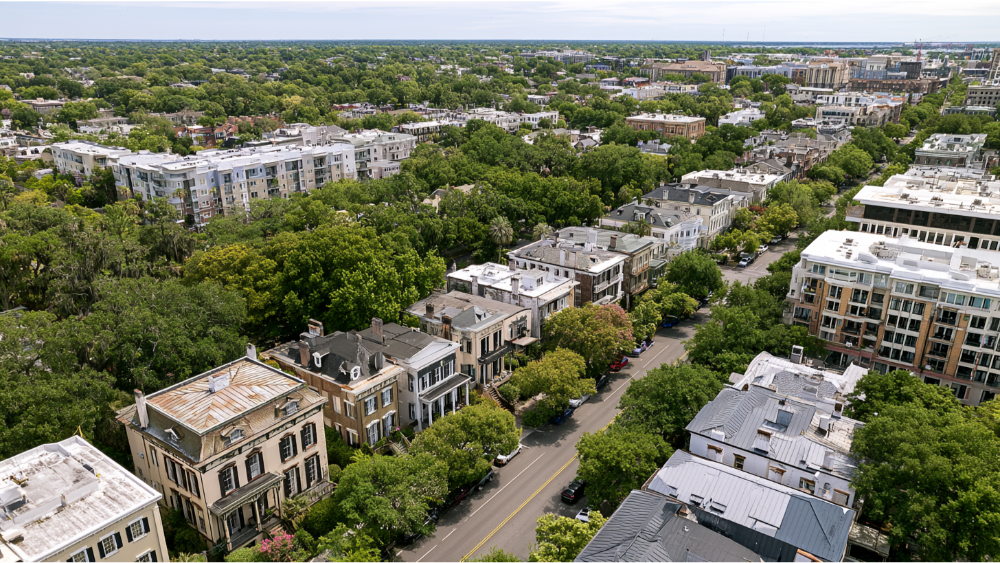
Savannah sits on the Georgia coast in the South with a look and pace all its own. The city grew from 147,780 residents in the 2020 Census to an estimated 149,440 in 2025, part of a metro of roughly 438,314 people spanning Bryan, Chatham, and Effingham counties. That’s a smaller-city feel, not a sprawling metro grind, and the savannah area draws newcomers who want coastal living without the price tag of bigger markets. For many, it’s simply a great place to land.
The city is known for its St. Patrick’s Day celebration, a nightlife scene stacked with pubs and breweries, and great restaurants that mix Southern cooking with international flavors. You’ll find everything from fine dining to a plate of fried chicken that tastes like the region built its reputation on it. Guided walking tours wind through the squares daily, and the river district gives easy access to the water. You get the feel-like-a-local experience here in a way that big cities rarely offer: neighbors you recognize, an atmosphere that stays warm, and a coastal town that still runs on community.
The Historic District and North Beach: Where Savannah’s Charm Lives
The historic district is the draw for most people. It’s built around 22 wards centered on walkable park squares shaded by live oaks, with architecture and rich old-building history that pull visitors from all over. This is the part of the country that feels like a living postcard, and it’s a good place to start your search if you love walkable neighborhoods. Out toward the coast, North Beach on Tybee Island offers a calmer stretch of sand and a slower pace, an ideal spot for a weekend away without leaving the area.
What Does It Cost to Live in Savannah? Rent, Housing, and Everyday Prices
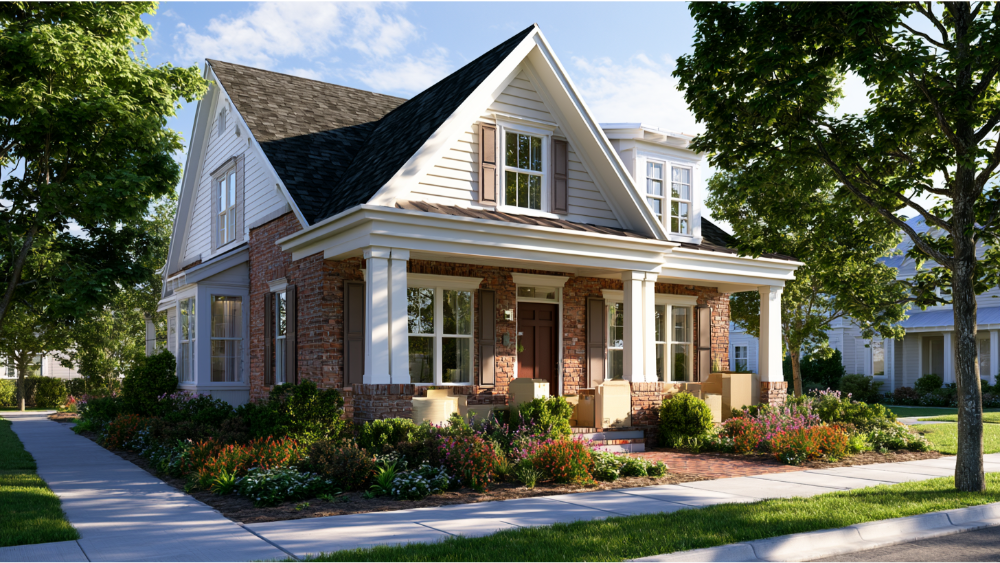
Savannah’s cost of living runs about 10% below the national average, with housing roughly 28% cheaper than the U.S. norm. Groceries and utilities also tend to come in under national levels, though summer electric bills climb fast once the air conditioning runs constantly. The Savannah Economic Development Authority, citing C2ER data, puts the region below the national average and below nearby comparison cities like Charleston, Atlanta, and Jacksonville.
Here’s where renters get confused, so let’s clear it up. The Census median gross rent for Savannah was $1,382 (2020 to 2024). HUD’s Fair Market Rent is a separate program benchmark, and active listings can run higher than both, especially with Airbnb and tourism demand pushing on the housing supply. HUD FY2026 Fair Market Rents for the Savannah metro look like this:
| Unit size | FY2026 Fair Market Rent |
|---|---|
| Studio | $1,455 |
| 1 bedroom | $1,533 |
| 2 bedroom | $1,680 |
| 3 bedroom | $2,235 |
| 4 bedroom | $2,547 |
Location inside the city matters too. HUD’s Small Area FMRs show a 2-bedroom at $1,990 in ZIP 31401 (near downtown) versus $1,800 in 31419. With a median household income of $57,137, the math is doable for many families, but you should run your own numbers. How much you’ll spend depends on the exact address and unit. Our Cost of Living Calculator and Rent Calculator let you test a real budget before you commit.
Renting vs. Buying When Moving to Savannah Georgia
The median owner-occupied home value was $248,900 (2020 to 2024), and just 45.4% of homes were owner-occupied, so plenty of people rent here. Georgia’s tax setup is competitive: a flat individual income tax of 4.99% and a Chatham County sales and use tax of 7% (effective July 1, 2026). On property taxes, Georgia assesses at 40% of fair market value, then applies the formula of assessed value minus exemptions, multiplied by the millage rate. You generally have 45 days from the assessment notice to appeal.
Buying also means budgeting for insurance and, in many spots, flood coverage (more on that below). If you’re new to the area, renting first is the smart play. Test the commute, learn the streets, then decide. Our Rent vs. Buy Calculator and Mortgage Calculator help you compare honestly. This is general education, not legal or financial advice.
Jobs, the Port, and the Local Economy
Savannah’s metro unemployment sat at 2.7% in May 2026, and the economy has real anchors. The Port of Savannah moved nearly 5.7 million TEUs in 2025, up 2.6% from the prior year, and stands as the largest container terminal on the East Coast by single-facility footprint. Its container facility covers 1,345 acres, and the Mason Mega Rail Terminal runs 42 double-stack trains a week to Atlanta, Memphis, Nashville, Charlotte, and Orlando.
Beyond logistics, major employers include Gulfstream Aerospace in manufacturing, a large incoming Hyundai plant, plus healthcare, tourism and hospitality, and a military presence. Here’s the honest part: a low unemployment rate doesn’t guarantee career-level work in your specific field. Some newcomers have found the market tough for their line of work. Line up your job, or confirm your remote setup, before you load the truck.
Weather, Hurricanes, and Flood Risk You Must Check by Address
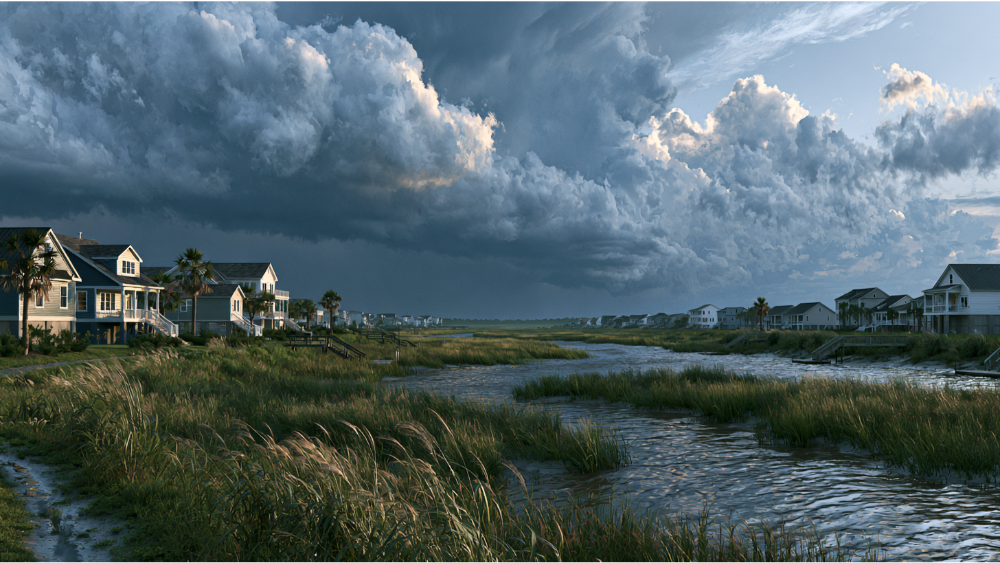
Savannah’s weather is warm and humid. NOAA’s 1991 to 2020 normals put the annual average daily high at 77.7°F and low at 57.2°F. July averages a 92.3°F high, and the city sees 80.5 days a year at or above 90°F. Humidity runs 60% to 80%, which is why summer utility bills spike and why sand gnats and other bugs (the local “no-see-ums”) show up in spring and summer. Screened porches are common for a reason, so budget your outdoor living around the bugs.
Then there’s the coast. Atlantic hurricane season runs June 1 through November 30. This is where your homework matters most. Be aware that FEMA maps high-risk areas as Special Flood Hazard Areas, and Savannah’s FIRM panels carry an effective date of August 16, 2018. The city adopted a two-foot freeboard requirement above Base Flood Elevation for new and substantially improved building work in October 2024. Chatham County assigns evacuation zones A, B, and C by address.
Check the exact rental or purchase address in FEMA and Chatham County tools, and price renters or flood insurance, before you sign. Never assume a whole neighborhood is safe or unsafe. Come prepared, because risk is set property by property.
Getting Around: Traffic, Transit, Tybee Island, and Local Wildlife
Plan on owning a car. The mean commute is a manageable 20.7 minutes, but peak-hour traffic gets thick, and public transit is limited compared to bigger metros. Chatham Area Transit runs fixed-route buses connecting downtown to greater Savannah, with CAT Mobility offering ADA paratransit and Route 3 linking the airport to the downtown intermodal center. Savannah/Hilton Head International Airport flies nonstop to Atlanta, New York and Newark, Chicago, Dallas, Denver, Washington D.C., and more, which is handy for remote workers who travel.
The payoff is the great outdoors. Tybee Island’s beaches are about 20 minutes away, good for swimming and kayaking, and its proximity to downtown is one of Savannah’s best perks for families on a weekend. This is close to the only place on the Georgia coast where you get barrier-island beaches, tidal waterways, and a walkable historic downtown in one short drive. The Wassaw National Wildlife Refuge offers trails and nature viewing across marsh and maritime forest, and its parks and preserves are a big part of what makes this stretch of America special. Kayakers explore the creeks and waterways that thread the coast, and if you have a dog, you’ll love the 14 dog parks and over 60 miles of leash-free trails. It’s an easy area to make friends and settle in.
What to Check Before You Sign a Lease in Savannah
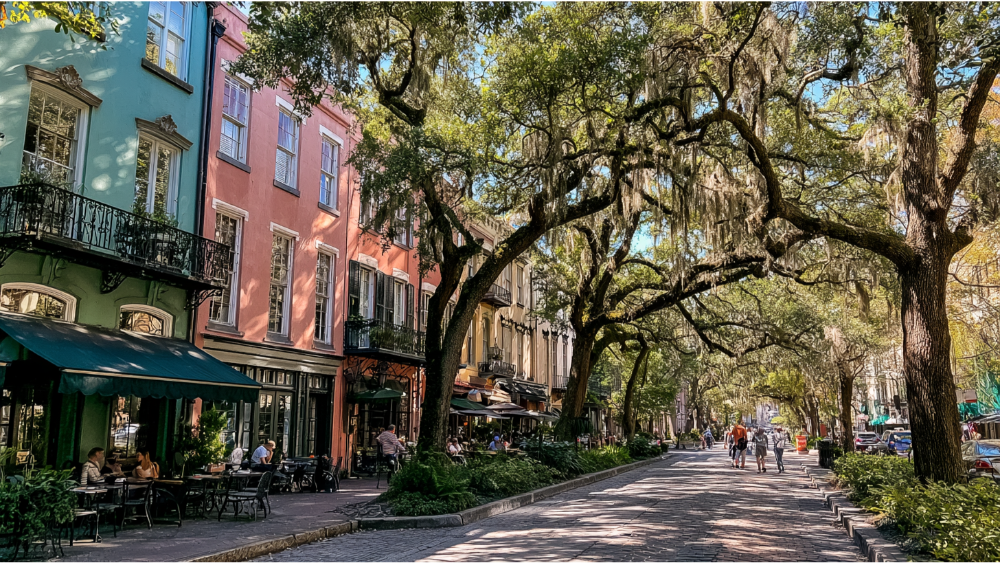
Run this list before you commit to any Savannah rental:
- Application documents: ID, proof of income, and rental history ready to go.
- Lease term: confirm short-term or long-term, and what renewal looks like.
- Security deposit: under Georgia rules, you’re owed a full refund within 30 days after move-out if you meet the lease terms and leave no damage beyond normal wear.
- Maintenance process: know who to call and how repairs get logged.
- Insurance: renters coverage, plus flood coverage if the address needs it.
- Flood and evacuation zone: verified for that specific property.
- Parking, pet terms, and utilities: budget for summer A/C costs.
It also pays to scout the practical stuff nearby: schools, grocery stores, and the shops and restaurants where you’ll actually shop and eat. The Georgia Landlord-Tenant Handbook is solid background reading, though it isn’t legal advice. This is exactly where full-service, broker-owned management earns its keep: tenant screening, rent collection, property inspections, maintenance intake, and court evictions handled so owners never lift a finger, while residents get repairs and real, helpful support.
How KT Rents Helps You Move Smarter
We’re a full-service, broker-owned rental and property management platform operating nationwide since 2009, with 16+ years behind us. We don’t have a Savannah office or Savannah-specific listings, but we help renters, families, and property owners across the U.S. make smarter decisions about where they’ll be living next. Whether the draw is history, food, or easy access to the coast, we don’t want you to miss a smart step. Use our Rent Calculator, Rent vs. Buy Calculator, Mortgage Calculator, and Cost of Living Calculator, apply and pay rent online, and choose short-term or long-term leasing. Your Rental. Your Way.
Ready to talk it through? Call (800) 716-4950, text (608) 207-0657, or email info@ktrents.com. We respond within 24 hours. Se Habla Español. For owners, we focus on occupancy quality and cash flow, not just unit count.
Moving to Savannah FAQ
Is moving to Savannah, GA a good idea?
For many people, yes. You get coastal charm, deep history, a port-driven economy, and a cost of living about 10% below the national average with housing around 28% cheaper. Just verify your job fit, the property’s flood zone, and the lease terms first.
What salary do you need to live comfortably in Savannah, GA?
The local median household income is $57,137, and a 2-bedroom rents around the HUD benchmark of $1,680. Aim to keep rent near 30% of gross income, so a single earner in the $50,000s and up can generally live comfortably, more if you’re supporting a family.
How much is rent in Savannah, GA?
The Census median gross rent is $1,382 (2020 to 2024), while HUD’s FY2026 Fair Market Rent runs $1,455 for a studio up to $2,547 for a 4-bedroom. Active listings vary by ZIP and by tourism demand, so check current prices for your target area.
Does Savannah flood or get hurricanes?
Yes, it’s a coastal city, and Atlantic hurricane season runs June 1 through November 30. Flood risk is property-specific, so check the exact address in FEMA and Chatham County tools and price insurance before you sign.