

Texas
Rental and for-sale inventory across cities we serve in this state.
Moving to Texas? The Ultimate 2026 Guide
Explore
Cities in this state
Texas is projected to have a 3.2% economic growth in 2026, with major cities like Austin and San Antonio leading in job opportunities. The state’s absence of state income tax and a lower-than-national-average cost of living make it an attractive destination. Housing costs vary widely between urban and rural areas, affecting overall affordability.
Unlocking Opportunities: Your Ultimate Guide to Moving to Texas
2026 Economic Landscape: What to Expect When Moving to Texas
Projected Economic Growth and Job Opportunities
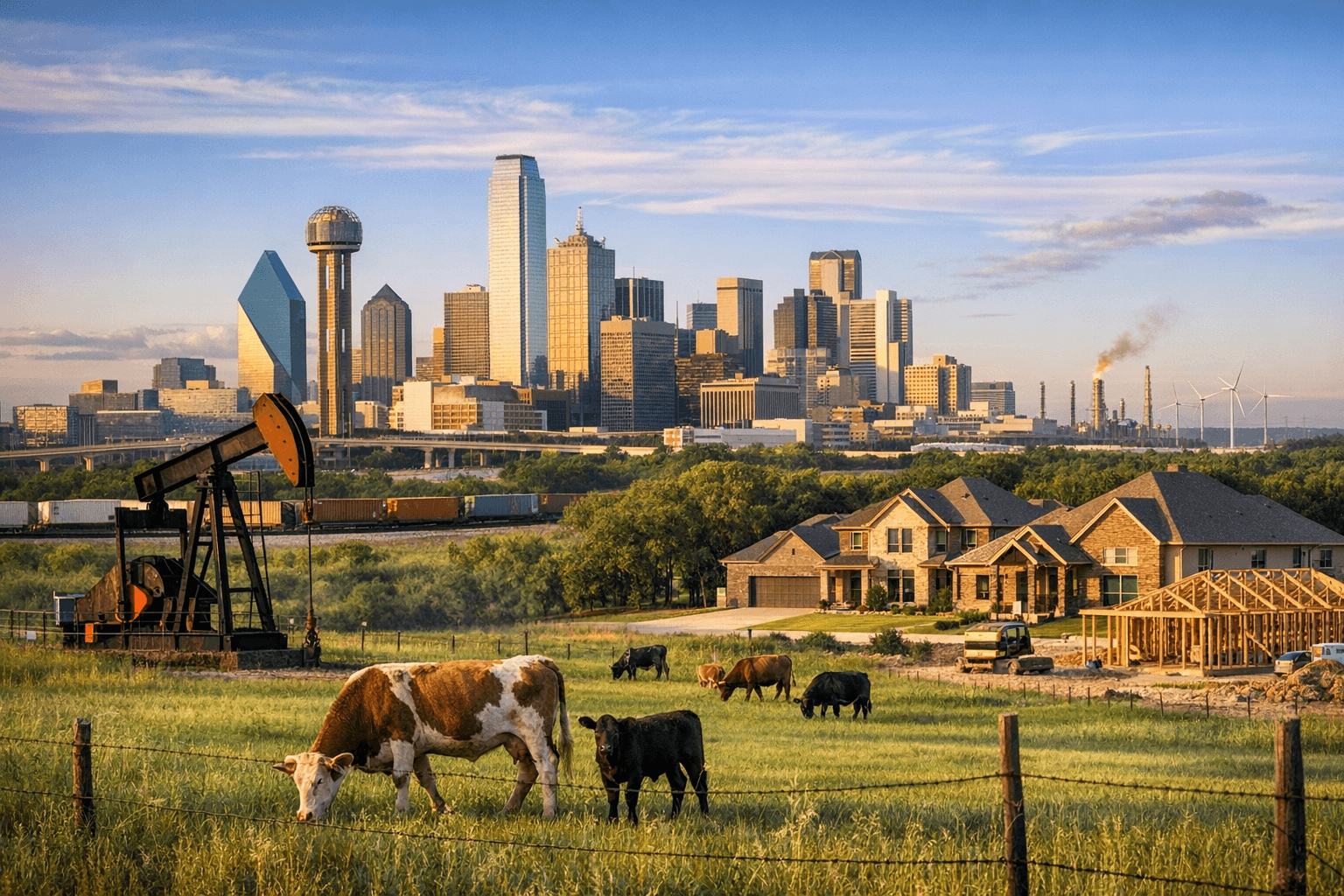
Texas is anticipated to experience a 3.2% economic growth rate by 2026, attracting tens of thousands of new residents each year. Key cities like Austin, known for its tech industry, and San Antonio, with its diversified economy, are expected to lead in job creation. The unemployment rate is projected to remain below the national average of 4.5%. The state’s booming job market is bolstered by the presence of major employers such as American Airlines and Dell Technologies, which offer a plethora of opportunities for high earners and professionals across various sectors. This growth is further fueled by Texas’ strategic location, making it a pivotal hub for trade and commerce within the country.
Impact of Texas’ Business-Friendly Environment
The business-friendly climate in Texas, with no state income tax, continues to draw major employers and entrepreneurs. In 2026, corporate tax rates are expected to stay competitive at 1%, significantly lower than other states. The energy sector and technology companies are primary contributors to the state’s booming economy. This environment not only benefits large corporations but also supports small businesses, fostering innovation and entrepreneurship. The Texas Department of Economic Development offers resources and incentives to new businesses, ensuring a robust support system for economic expansion.
Cost of Living Trends: Urban vs. Rural
In 2026, the cost of living in Texas cities is projected to remain below the national average by 10%, with housing costs in Austin reaching $450,000 on average. In contrast, rural areas like West Texas offer more affordable housing options, with average home prices around $200,000, making them attractive for those seeking a low-cost lifestyle. The disparity in living costs is also reflected in everyday expenses, such as groceries and utilities, which are notably cheaper in small towns. This affordability extends to lower local sales taxes, providing a financial reprieve for residents in rural communities.
Financial Considerations: Budgeting for Your Move to Texas
Understanding Housing Market Dynamics in Texas
By 2026, Texas’ housing market is expected to stabilize, with a projected 5% increase in home values annually. Major metropolitan areas like Dallas and Houston will continue to experience higher demand, pushing prices upwards. However, smaller Texas cities and towns may offer more affordable housing options for newcomers. For those considering investment properties, the ROI potential is significant, especially in emerging areas where property taxes are lower, and growth rates are accelerating.
Comparative Analysis of Urban and Rural Living Costs
Urban areas such as Austin and Dallas have higher living costs, with monthly expenses averaging $3,500. Conversely, rural regions provide a less expensive lifestyle, with monthly costs around $2,000. This price difference is largely due to cheaper housing and lower local sales taxes in rural communities. Utility expenses, including electricity and water, are also notably lower in rural areas, contributing to the overall affordable cost of living compared to urban centers.
Tax Implications and Financial Incentives for New Residents
Texas’ absence of state income tax is a significant financial incentive for new residents. In 2026, local sales taxes will average 8.25%, slightly above the national average of 7%. Property taxes remain a consideration, with rates around 1.8%, though overall tax savings make the state attractive for many. For new residents, the initial tax relief can significantly ease the transition, allowing more disposable income to be allocated towards settling-in expenses and other necessities.
Exploring Texas Regions: Finding the Right Fit for Your Lifestyle

The Urban Pulse: Cities That Are Booming in Texas
Austin, with a population projected to reach 1.2 million by 2026, is a hub for tech and innovation, attracting young professionals. San Antonio, expected to grow to 1.6 million residents, offers a diverse economic landscape and cultural richness. These cities exemplify the urban allure drawing many to Texas. The vibrant cultural scene, combined with a mild climate, makes these areas attractive for those who enjoy outdoor activities and Tex-Mex cuisine, further adding to their appeal.
Life in the Countryside: Rural Communities and Their Benefits
Rural Texas offers an affordable cost of living and a tight-knit community atmosphere. With average home prices around $200,000, regions like North Texas provide a peaceful alternative to bustling urban centers. The slower pace and proximity to natural attractions appeal to outdoor enthusiasts and families seeking a quieter lifestyle. These areas are also witnessing a surge in eco-tourism and outdoor recreational activities, providing ample opportunities for nature lovers and adventure seekers.
Community Resources and Support Networks Across Texas
Newcomers to Texas can benefit from a variety of community resources, including local chambers of commerce and newcomer clubs. These organizations help integrate new residents by offering networking opportunities and support services. Educational institutions and public libraries also provide valuable resources for families relocating to Texas. Additionally, local events and workshops facilitate social connections, easing the transition for many Texans into their new communities.
Navigating the Moving Process: Step-by-Step Guide to Relocating to Texas
Planning Your Move: Timeline and Checklist
Begin planning your move at least six months in advance, ensuring ample time for organizing logistics and budgeting. Create a detailed checklist that includes tasks such as securing housing, transferring utilities, and updating vehicle registration with the Texas Department of Motor Vehicles. Utilizing digital tools and apps can streamline this process, providing timely reminders and tracking progress to ensure all tasks are completed efficiently.
Choosing the Right Moving Company: What to Consider
When selecting a moving company, consider factors like cost, reputation, and services offered. Average moving costs to Texas range from $3,000 to $5,000, depending on distance and volume. Verify licenses and insurance coverage to ensure a smooth relocation experience. Reading reviews and seeking recommendations from longtime Texans can provide valuable insights into the reliability and quality of different service providers.
Settling In: Registering and Setting Up Utilities in Texas
Upon arrival, new residents must register their vehicles and obtain a Texas driver license. Utility setup, including electricity, water, and internet, should be prioritized. Providers vary by region, so research options to secure the best rates. Expect initial utility costs around $250 per month. Establishing a good rapport with neighbors and local service providers can further ease the transition, offering support and guidance as you acclimate to your new environment.