

Bridgeport, Connecticut
Homes for rent and for sale — search the map or open the full city SEO catch-all page.
Bridgeport, Connecticut
Bridgeport, CT, offers an urban, transit-connected lifestyle on the Long Island Sound with housing costs that are generally more accessible than many other Fairfield County markets. With a population of approximately 152,273 and a diverse range of neighborhoods, it provides robust access to NYC via Metro-North and Amtrak. Prospective renters should prioritize researching specific blocks for safety and commute times, leverage official city data rather than general reputations, and familiarize themselves with Connecticut’s tenant protection laws before signing a lease.
Should You Move to Bridgeport, Connecticut? The Short Answer

Bridgeport can make good sense if you want an urban, transit-connected city on Long Island Sound with lower housing costs than many nearby Fairfield County markets. But moving to Bridgeport rewards renters who do their homework: compare rents against your income, verify the actual commute, check official crime data by block, and understand Connecticut renter rules before you sign anything. This guide is written for people relocating to Bridgeport, especially renters, families, and remote workers weighing their Fairfield County options. We’re KT Rents, a nationwide, broker-owned, full-service rental and property-management platform, and we’ve watched the same lesson play out for 16+ years: the right rental matters more than the city label. Moving to Bridgeport CT isn’t a one-size-fits-all decision. The specific property, block, commute, and lease terms decide whether it works for you.
Quick Facts About Bridgeport, Connecticut
Bridgeport is Connecticut’s largest city, and it earned the nickname “Park City” for a reason. Here’s the snapshot on Bridgeport, with dates so you know how fresh each number is. Some third-party sites cite slightly different figures, so we anchor on the U.S. Census.
| Fact | Figure | Source / Date |
|---|---|---|
| Bridgeport population | 152,273 | Census est., July 1, 2025 (up 2.5% from 148,654 in 2020) |
| Median gross rent | $1,450 | Census, 2020–2024 |
| Owner-occupied rate | 42.8% | Census, 2020–2024 (large renter base) |
| Median household income | $58,685 | Census, 2020–2024 |
| Mean commute to work | 30.5 minutes | Census, 2020–2024 |
| Speak a language other than English at home | 51.9% | Census, 2020–2024 |
That last figure tells you something about daily living in Bridgeport Connecticut: it’s a genuinely multilingual place, and if Spanish is your first language, know that we speak it too. Se Habla Español.
Cost of Living and Average Rent in Bridgeport CT
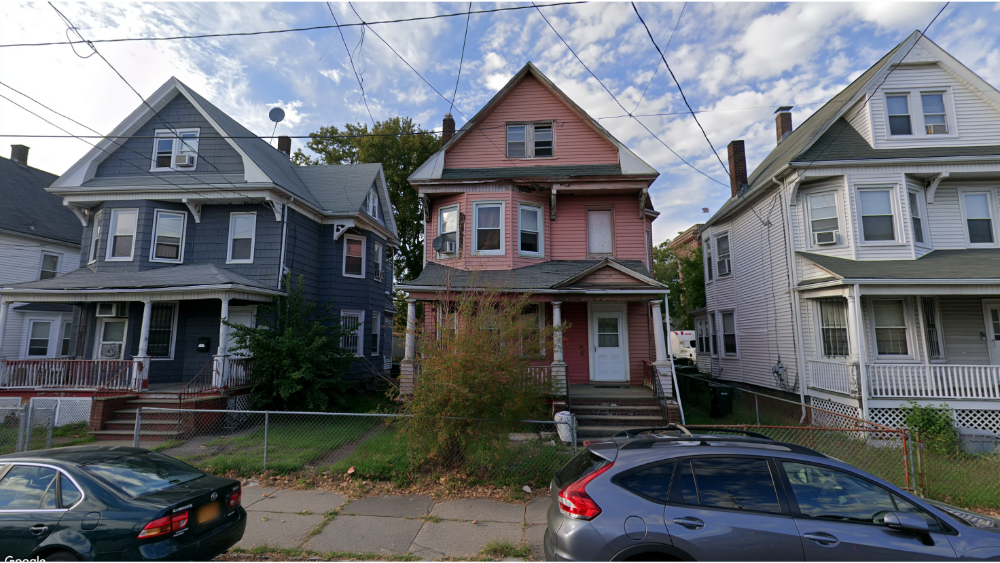
The most stable rent figure to start with is the Census median gross rent of $1,450 for 2020–2024. Treat that as historical Census data, not today’s asking price. Live listing rents move with size, condition, utilities, parking, and lease terms. For an affordability benchmark, Connecticut’s 2026 Section 8 payment standards for the Greater Bridgeport Planning Region (which includes Bridgeport, Fairfield, Stratford, Trumbull, and more) run $1,731 for an efficiency, $2,100 for a one-bedroom, $2,511 for a two-bedroom, $3,036 for a three-bedroom, and $3,598 for a four-bedroom, effective January 1, 2026. Those are voucher standards, not market prices. The median home value for owner-occupied homes was $274,900 (Census, 2020–2024), and that median home figure sits well below what much of Fairfield County commands. The median household income of $58,685 is a useful reality check against those rents. Overall, cost of living in Bridgeport runs modestly above the national average but below much of the surrounding county. When you compare against the national average line by line, housing is where Bridgeport tends to win.
Test the Fit Before You Commit: Renter Tools
Run the numbers before you hand over a deposit. Our Rent Calculator helps you see what a Bridgeport rent does to your monthly budget, and the Cost of Living Calculator lets you compare it against the city you’re leaving, including how the local average stacks up against the national average. If you’re on the fence about staying long term, the Rent vs. Buy Calculator and Mortgage Calculator show whether renting still beats buying for your situation. A few minutes with these tools can save you from signing a lease that quietly strains your cash flow.
How to Compare Bridgeport Neighborhoods Without Guessing
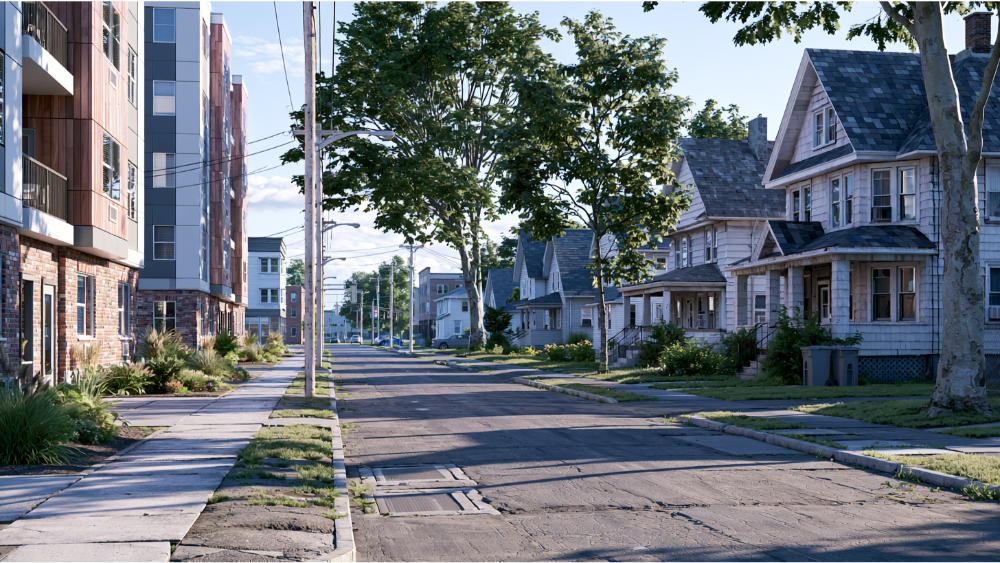
Bridgeport has 70-plus distinct communities, and prices swing widely across them. Rather than rank areas, compare them on facts you can check. Black Rock is a walkable seaside area and one of the pricier parts of the city, with restaurants and a marina feel. The North End reads more suburban, with local grocery shops nearby. Downtown mixes preserved historic architecture with modern apartments. For context on how much the map varies, reported neighborhood medians range from roughly $277,834 around Huntington Turnpike down to about $133,650 in parts of East Bridgeport and $138,912 near Mill Hill, and some Old Town Road rents come in lower than 43% of Connecticut neighborhoods. Use those as data points, not endorsements. Then run your own checklist:
- Map the actual commute route from that address
- Check walking distance to train and bus stops
- Inspect the property’s condition and repair history
- Confirm parking situation and cost
- Note nearby parks, restaurants, and green space
- Walk the block at different times of day
- Review the official crime map for that exact area
Commuting From Bridgeport: Trains, Buses, and Ferries
The Bridgeport Transportation Center is an intermodal hub connecting Metro-North and Amtrak rail, local and intercity bus, and interstate ferry service under one roof. Metro-North’s New Haven Line links Bridgeport to New York City’s Grand Central and to New Haven. Some peak Bridgeport-to-Grand Central trains run in the mid-80-minute range, but times vary by train and schedule period, so check current MTA schedules before you sign if the commute is a dealbreaker. Amtrak’s Northeast Regional and Vermonter also stop here, and the station logged 140,869 riders in FY 2025. The Census puts the average local commute at 30.5 minutes. Greater Bridgeport Transit runs fixed-route and ADA paratransit buses, and its online trip planner and bus tracker are worth using as move-in tools before you decide whether you need a car.
Do You Need a Car in Bridgeport?
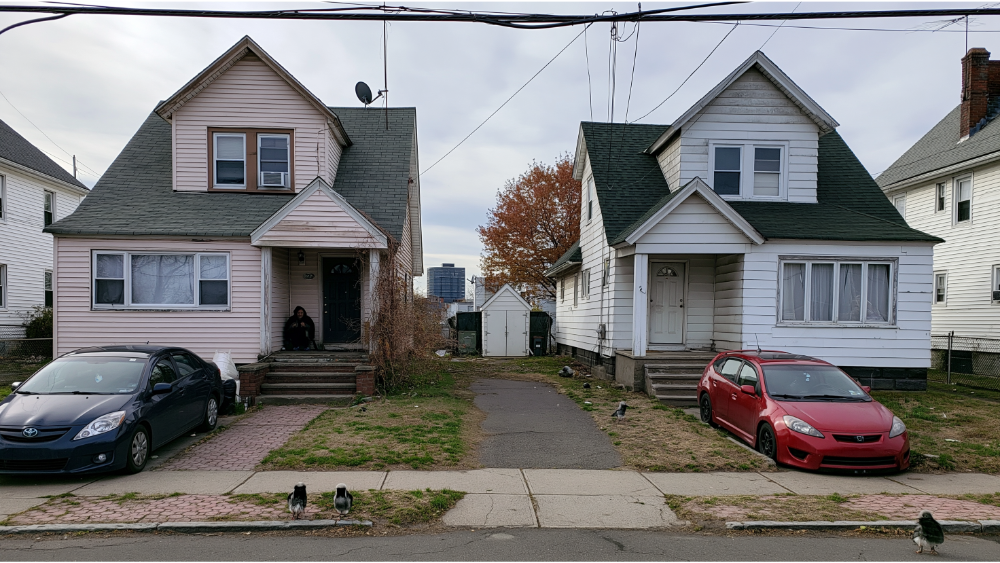
It depends on where you land. Living near the Transportation Center makes car-free routines realistic, since you can reach the train, bus, and ferry on foot. Farther out, daily life leans more car-dependent, so factor in parking, insurance, and New England winters when weather can complicate driving and walking. Bridgeport weather runs the full four seasons, with humid summers and cold, sometimes snowy winters, so budget time for both. Greater Bridgeport Transit covers Bridgeport, Fairfield, Stratford, and Trumbull, and extends to nearby towns like Milford, Norwalk, and Shelton, which widens your options if you’d rather skip a car payment.
Bridgeport Schools and Enrollment Basics
If you’re moving to Bridgeport with a student, Bridgeport Public Schools requires proof of residency to register. Accepted documents for the schools include current utility bills from two different companies, two months of rent-payment proof, a parent or guardian’s driver’s license or Connecticut ID, a mortgage statement, or a homeowner tax bill. If you haven’t fully established residency yet, a signed rental contract with occupancy within about two months, backed by a notarized landlord statement, may be used, with address verification following after those two months. School assignment is set by the district’s Directory and Street Guide, so families should confirm the assigned schools for a specific address before committing to a lease.
Is Bridgeport Safe? How to Research the Crime Rate Responsibly

Skip the blanket “safe” or “unsafe” labels and check the data for your exact block. Bridgeport’s official crime statistics page links to a community crime map, a 2019–2024 five-year overview from the police department, and a 2025 Part 1 crime report. The FBI’s Crime Data Explorer offers wider context. You’ll see third-party estimates floating around, like a crime rate near 22.91 per 1,000 residents, roughly a 1 in 59 chance of property crime, 1 in 44 for violent crime, and the city rated safer than about 24% of U.S. cities. Treat those as reported estimates that vary by source, and verify the current official maps for the address you’re considering.
Connecticut Renter Rules to Know Before Paying a Deposit
This is general information, not legal advice, but knowing these rules protects your money. A Connecticut landlord generally can’t require more than two months’ rent as a security deposit, and the cap drops to one month for tenants 62 or older. Your deposit stays your property and must sit in an escrow account at a Connecticut financial institution, earning interest (the 2026 rate is 0.49%). After your tenancy ends, the landlord has 21 days to return the deposit with interest or send written notice of damages, or 15 days after you provide a written forwarding address, whichever applies later. Missing that deadline can expose a landlord to paying twice the deposit. If an essential service like heat or water isn’t restored within 2 business days, substitute housing may be an option under the statute. Bridgeport also runs a Fair Rent Commission for excessive-rent complaints (rent must be current to file, and you’ll need your lease, payment records, and correspondence). Take move-in photos and keep everything in writing.
Moving to Bridgeport CT From Out of State: Your First 90 Days Checklist and Tips
Connecticut gives new residents 90 days to transfer both an out-of-state driver’s license and vehicle registration once you establish residency. A non-commercial license transfer runs an $84 license fee plus a $40 application fee, and the new license arrives by mail within about 20 business days. Fees can change, so confirm before you rely on them. Here are the tips we give every out-of-state renter for the first month or two:
- Set up electric, gas, water, and internet
- Get renter’s insurance
- File a mail forwarding address
- Handle school registration paperwork if needed
- Set up transit passes for Metro-North or GBT
- Check city trash, recycling, and parking rules
Quality of Life: Parks, Waterfront, Arts, and the Job Market in Bridgeport
“Park City” isn’t just a nickname. Bridgeport’s parks system covers nearly 1,800 acres of public space, including Seaside Park with its panoramic Long Island Sound views. You’ll also find the Beardsley Zoo, the Barnum Museum, and arts venues spanning an arena, an amphitheater, theaters, and galleries, plus live music, a real restaurant scene, and local spots like Fifth State Distillery for a night out. On the job market, the Bridgeport-Stamford-Danbury metro posted a preliminary 4.9% unemployment rate and 414.1 thousand nonfarm jobs (May 2026), led by Education and Health Services at 88.0 thousand, with trade and professional services close behind. Those are metro figures, not city-only, and some sources rate the local job market below the national picture. Several universities sit within reach, adding to the mix and to what you can expect from daily living here.
Before You Sign the Lease: Final Bridgeport Checklist
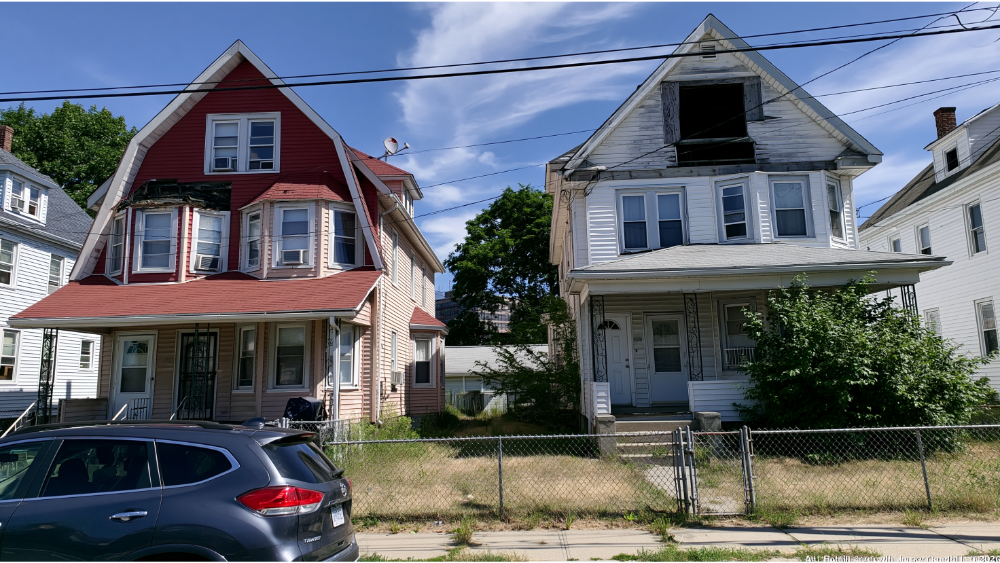
Walk the block, check the commute, read the lease, and know your rights. Before you sign, confirm:
- Total monthly rent plus utilities plus parking
- Deposit amount and written terms
- Commute time in both directions
- Property condition and the maintenance process
- The official crime map for that block
- School enrollment requirements, if relevant
- The 90-day DMV deadline if you’re coming from out of state
- Whether renting or buying makes more sense (run our Rent vs. Buy Calculator)
Frequently Asked Questions About Moving to Bridgeport CT
Is Bridgeport, CT a good place to live?
It can be, for renters who want an urban, transit-connected city on the water with housing costs below much of Fairfield County. The right property and block matter more than the city’s reputation, so research before you commit.
How much is average rent in Bridgeport, Connecticut?
The Census median gross rent was $1,450 (2020–2024), which is historical data, not a live asking price. Actual listing rents vary by size, condition, utilities, parking, and lease terms, and often sit above that average today.
What is the median household income and population in Bridgeport?
The Bridgeport population was about 152,273 (Census est., July 2025), and the median household income was $58,685 (Census, 2020–2024). Both are useful when you weigh rent against your budget.
Can you commute from Bridgeport to NYC?
Yes. Metro-North’s New Haven Line connects Bridgeport to Grand Central, with some peak trains in the mid-80-minute range. Check current MTA schedules before signing if the commute is a dealbreaker.
How much can a Connecticut landlord charge for a security deposit?
Generally no more than two months’ rent, or one month for tenants 62 and older. The deposit stays yours, earns interest, and must be returned on the statutory timeline.
What do I need to do after moving to Connecticut from another state?
Transfer your driver’s license and vehicle registration within 90 days, set up utilities and renter’s insurance, file a forwarding address, and handle any school paperwork.
Ready to look? Browse rental properties near you and use our renter calculators to compare rent, commute, and buying versus renting before you decide. And if you own a rental property, KT Rents handles full-service, broker-owned management across the U.S., from tenant placement, tenant screening, and rent collection to property inspections, permits, 1099s, and court evictions, without the owner having to lift a finger. Call us at (800) 716-4950 to get started.