
Greenwich, Connecticut
Homes for rent and for sale — search the map or open the full city SEO catch-all page.
Greenwich, Connecticut
Greenwich, CT, is a premier, high-cost coastal community that offers excellent Metro-North rail access to New York City, top-tier schools, and extensive parkland. With a median owner-occupied home value near $1.7M and a competitive rental market, it is best suited for households with significant housing budgets. Prospective residents should prioritize confirming school attendance zones, securing commuter parking permits early—often subject to waitlists—and considering a short-term rental to verify commuting and neighborhood fit before committing to a home purchase.
Moving to Greenwich, Connecticut means stepping into a high-cost coastal commuter town with strong rail access to New York City. It’s worth it if your budget supports premium housing and you plan carefully around the commute, parking, residency verification, and the rent-vs-buy decision. Located about 30 miles from Manhattan with four Metro-North stations spread across roughly 68 square miles of Fairfield County, Greenwich CT draws renters, remote professionals, and movers coming out of New York City and other high-cost metros. As part of the tri-state corridor near Westchester County, the town sits within easy reach of both Connecticut and New York. At KT Rents, we’re a nationwide, broker-owned, full-service rental and property management platform, and this guide is built to help you plan the move to Greenwich. Two things to lock in early: the Census median rent you’ll see online is not the same as current asking rent, and deciding whether to rent first or buy now will shape everything else.
Quick Facts About Living in Greenwich CT
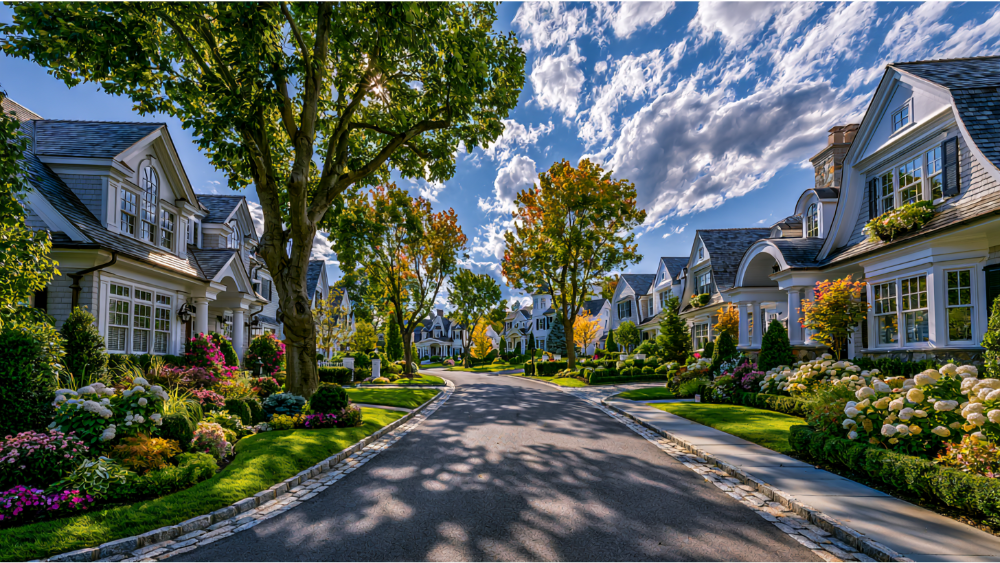
Greenwich is one of the safest towns in Connecticut and carries some of the highest average adjusted gross incomes in the state. Here’s the baseline for anyone relocating to this vibrant community and figuring out where they want to live. Many consider it one of the most desirable places to live in the country, and it consistently ranks among the more desirable places for families and professionals alike.
| Metric | Figure |
|---|---|
| Population (July 2025) | 64,801 |
| Median household income (2020-2024 ACS) | $206,130 |
| Per-capita income (2020-2024 ACS) | $137,685 |
| Median owner-occupied home value | $1,695,700 |
| Median gross rent (Census, multi-year) | $2,674 |
| Owner-occupied housing rate | 70.0% |
| Mean travel time to work | 29.6 minutes |
One caution: that $2,674 median gross rent is a 2020-2024 multi-year Census figure, not what you’ll pay on a current listing.
Is the Greenwich Real Estate Market and Cost of Living Expensive?
Yes. The Greenwich real estate market is high-cost by nearly any measure. The Census puts the median owner-occupied home value at $1,695,700, and reporting from 2021 pegged the median listing price closer to $2.3M. Property taxes work off a mill rate, where one mill equals $1 of tax for every $1,000 of assessed value. Greenwich adopted a 10.125 mill rate for FY 2026-2027, which is modest compared to many Connecticut towns, but your actual bill depends on your property’s assessed value, so don’t read the rate alone as “low tax.” Connecticut’s top state income tax rate is 6.99%. If you’re hunting for more affordable options, some neighborhoods and unit types spend less than the headline figures suggest. Before you commit to a number, run your full monthly picture through our Cost of Living Calculator so the housing cost, taxes, and commute all sit in one place.
How Much Is Rent in Greenwich? (HUD Benchmarks)
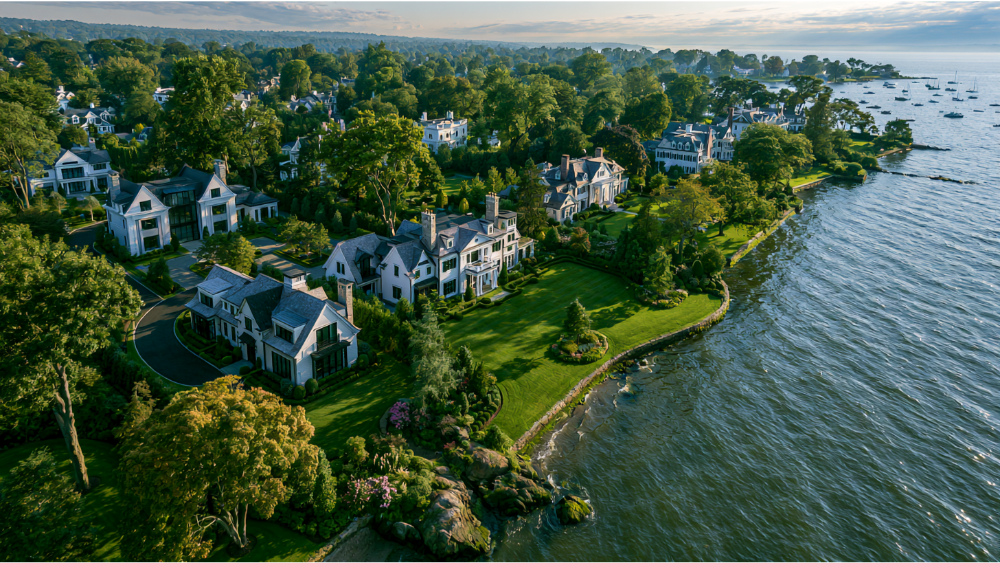
HUD publishes Small Area Fair Market Rents (SAFMRs) for Greenwich ZIP codes within the Bridgeport-Stamford-Danbury MSA. Treat these as a planning benchmark, not a promise of available inventory. Here are the FY 2026 SAFMRs for key Greenwich-area ZIPs, which span several neighborhoods across town:
| ZIP | 0 BR | 1 BR | 2 BR | 3 BR | 4 BR |
|---|---|---|---|---|---|
| 06830 | $1,970 | $2,390 | $2,860 | $3,460 | $4,100 |
| 06831 | $2,050 | $2,490 | $2,980 | $3,600 | $4,270 |
| 06870 | $2,020 | $2,450 | $2,930 | $3,540 | $4,190 |
| 06878 | $2,050 | $2,480 | $2,970 | $3,600 | $4,260 |
| 06807 | $2,100 | $2,540 | $3,040 | $3,680 | $4,360 |
Three numbers to keep straight: the Census median ($2,674), the HUD SAFMR above, and live asking rents, which can run higher. Verify active listings close to your move date. Use our Rent Calculator and browse rental properties near you to see what’s real right now in the local market and find your perfect home.
Should You Rent or Buy in Greenwich?
With a median home value near $1.7M and 70% of homes owner-occupied, buying in Greenwich is a serious commitment. Our advice is simple: rent first if you’re still testing the commute, the parking situation, and your daily routine. Buy once you’ve confirmed the town actually fits how you live. Renting gives you room to learn which station, which neighborhood, and which price range works before you tie up that kind of capital. Run both paths through our Rent vs. Buy Calculator and Mortgage Calculator before you sign anything. Your Rental. Your Way.
The New York City Commute: What to Know Before You Sign
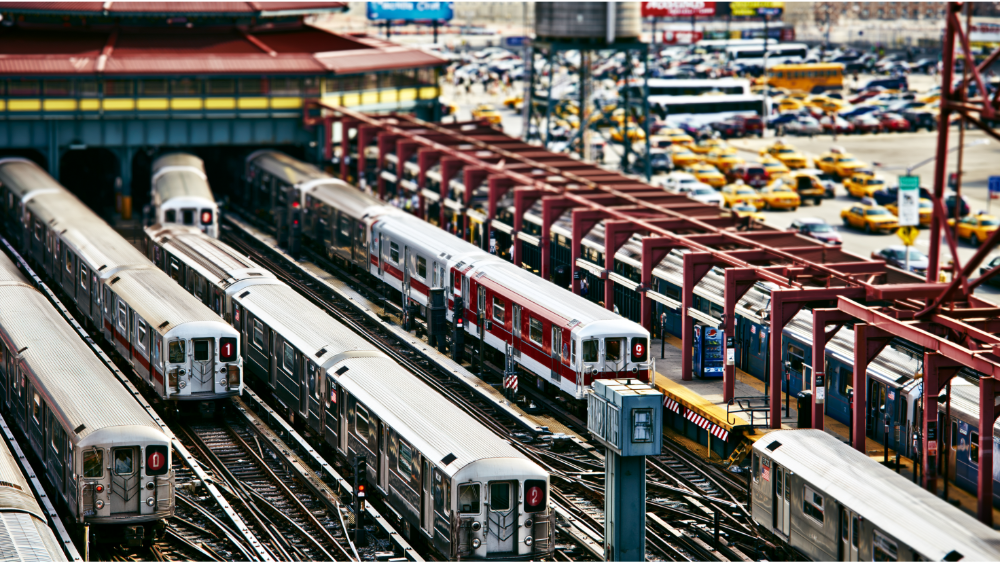
Greenwich sits on the Metro North Railroad New Haven Line, with reliable service to Grand Central Station. Express trains reach Manhattan in roughly 50 minutes, and some direct runs to Grand Central land closer to 40. All four stations (Greenwich, Cos Cob, Riverside, and Old Greenwich) fall in Zone 15. Based on the July 1, 2026 fare chart, which reflects a 5% Connecticut fare increase, Zone 15 adult fares to Grand Central or Harlem-125th run $16.00 peak and $11.75 off-peak one-way, $314.25 monthly, and $111.75 weekly. Peak tickets apply to trains arriving at Grand Central weekdays between 6 and 10 a.m., and departing between 6 and 9 a.m. and 4 and 8 p.m. Driving is about 30 miles via I-95 or the Merritt Parkway. For anyone who works in NYC, this transportation link is often the whole reason to move to Greenwich, since the city is so easily accessible from here. Before you pick a lease based on your commute, check the MTA TrainTime app for exact schedules from your station.
Parking and Car Planning at Greenwich Train Stations
The Town of Greenwich Department of Parking Services issues station permits, and new applicants should expect waitlists for most lots. Current annual commuter rates run $456 at Cos Cob, Old Greenwich, and Riverside, and $720 for Central Greenwich Resident / Greenwich Plaza Level A. Day parking is $7 at designated station lots. Metered parking is enforced Monday through Saturday, 9 a.m. to 5 p.m., and is free on Sundays and town holidays unless posted otherwise. Because permit waitlists are real, a rental within walking distance of a station can save you a lot of daily friction, and that proximity is one of the biggest factors renters weigh here. Rates and waitlists change, so verify with the town before you count on a spot.
Greenwich Neighborhoods by Commute and Lifestyle
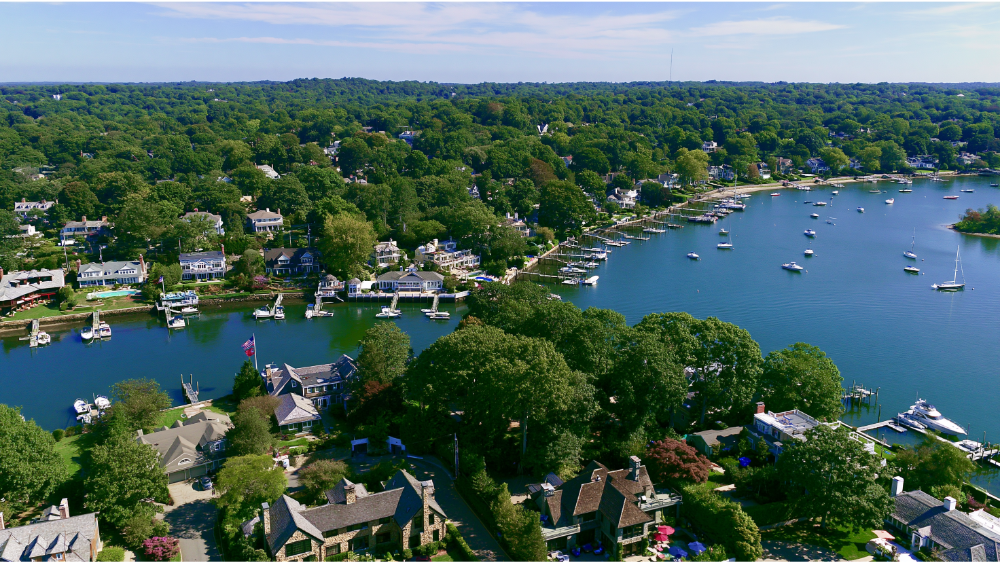
Greenwich has nine census-designated neighborhoods, and the smart way to compare them is by commute pattern, housing type, and daily routine rather than reputation. Old Greenwich and Riverside sit close to their own stations with quieter residential streets. Cos Cob carries an artistic feel with local amenities and its own stop. The downtown area puts you near upscale shopping, restaurants, and the central station, so proximity to those dining spots and shops is easy to weigh against your commute. Downtown also holds much of the town’s upscale charm. Backcountry Greenwich offers more space and larger lots, but it’s further from the rail line, so factor in the drive to a station. Whatever draws you to one of these neighborhoods, verify the exact address details, meaning the real commute, the parking access, and the school assignment, before you sign. Reputation is not the same as the specifics that will govern your day.
Top Rated Schools, Private Schools, and Address-Based Assignments
Greenwich Public Schools assigns students by address using an official School Finder that maps streets to attendance areas. New K-12 students register online or by bringing a completed package to the school, and required documents include the child’s birth certificate, immunization record, and two proofs of residency. The town’s elementary schools are known for strong performance, and top tier schools are a genuine draw here. Private schools are also an option for families across town, including well-known names like Greenwich Academy, Brunswick School, and others. Because school assignments are address-based, two homes on nearby streets can feed different schools, so look up the exact property in the School Finder and confirm its attendance area before you sign a lease or make an offer. Top rated schools are a major draw for residents relocating here, but never assume a street’s assignment from a listing description. If schools are driving your search, map the assignment first, then shortlist neighborhoods around it.
Parks, Beaches, and Greenwich Community Life
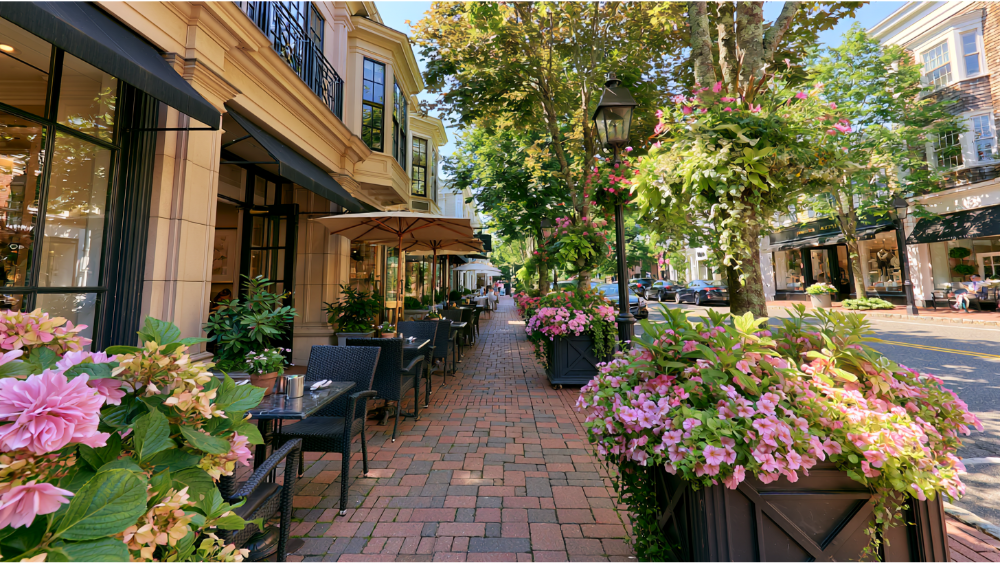
Greenwich offers more than 1,400 acres of parkland, including the 147.3-acre Greenwich Point Park, Byram Park, and Island Beach. Greenwich Point, often called Tod’s Point, is a favorite for its shoreline, hiking trails, walking trails, and picnic areas. On the cultural side, residents enjoy the Bruce Museum, the historic Bush Holley House, the Greenwich Symphony Orchestra, and the annual Greenwich Food and Wine Festival. The Greenwich Polo Club adds another layer of summer recreation for those who love the sport. It’s a coastal suburban community with genuine beach access, and residents enjoy beaches that are a real part of the appeal for many people relocating here. The community leans into its shoreline, from the island setting of Island Beach out on the water to the town’s inland parks. One thing to know: enjoying the beaches and many parks requires residency verification, which we cover next.
First 90 Days After Moving to Greenwich Connecticut (Checklist)
Connecticut gives new residents 90 days to transfer both an out-of-state driver’s license and vehicle registration, so put those early on the list once you move to Greenwich.
- Driver’s license: transfer within 90 days of establishing residency.
- Vehicle registration: transfer within 90 days as well.
- Voter registration: cutoff is 18 days before Election Day, with Same Day Registration available for eligible voters.
- Residency verification: for parks and rec, verification opens January 1. The primary household member needs two proofs; family members over 25 need one. Accepted proofs include utility bills, a 12-month lease, bank or healthcare statements, and a CT license or ID. Allow about 5 business days when applying by mail.
- School registration: if you have students, register through Greenwich Public Schools and confirm which schools your address feeds.
- Parking permit: apply early and expect a waitlist.
- Holly Hill permit: the town’s Resource Recovery Facility permit runs on an annual cycle, so verify the current dates before you rely on them.
Connecticut Renter Rules Every New Resident Should Know
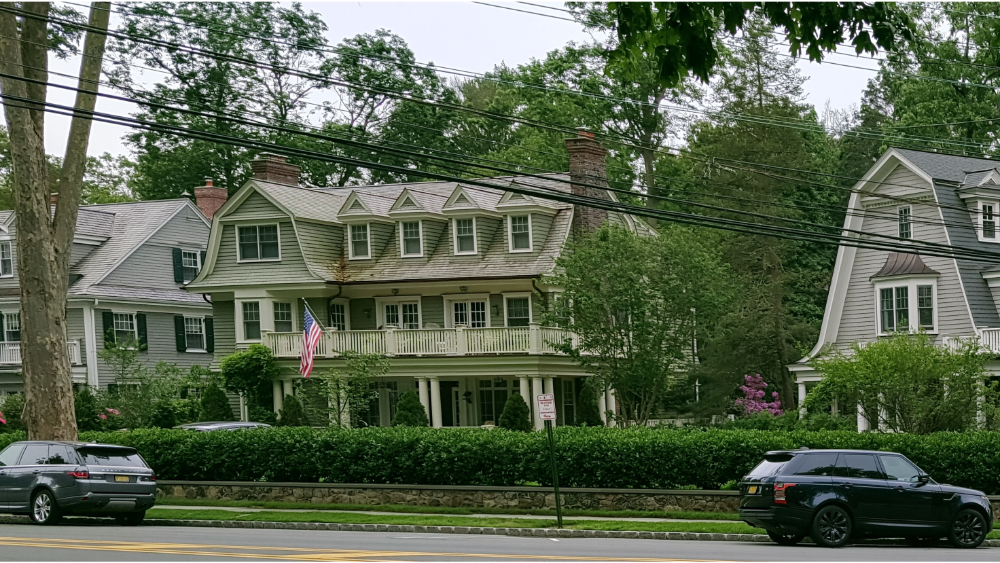
This is general information, not legal advice, and rules can change. Connecticut caps security deposits at two months’ rent generally, and one month for tenants age 62 or older. Landlords must hold deposits in escrow at a Connecticut financial institution. The 2026 security deposit interest rate is 0.49%. After a tenancy ends, the landlord has 21 days to return the deposit with interest or provide written notice of damages, or 15 days after receiving a forwarding address if one wasn’t given. For anything with real money at stake, check the Connecticut Department of Banking directly.
How KT Rents Helps You Move to Greenwich
For renters, we make the planning part of your move to Greenwich easier. Browse rentals, submit a rental application, and run the numbers with our Rent vs. Buy, Rent, Mortgage, and Cost of Living Calculators before you commit. We’re broker-owned and full service, in business since 2009 with 16-plus years behind us, managing 683 units across 34 states as of early 2025 and reporting a 98% occupancy rate. If you’re relocating and renting out a previous home, our full-service management handles it all: tenant placement, tenant screening, rent collection, property maintenance, rental permits, 1099 preparation, city ordinance compliance, property inspections, and court evictions without you lifting a finger. Call us at (800) 716-4950 to get started. Se Habla Español.
Frequently Asked Questions About Moving to Greenwich
Is Greenwich, Connecticut a good place to live?
It can be, especially if your budget supports premium housing. You get coastal charm, over 1,400 acres of parks and beaches, strong Metro-North rail access to New York City, and a reputation as one of the safest towns in Connecticut. The trade-off is cost, so it’s worth it when the numbers work for you.
How long is the train from Greenwich to Grand Central?
Express service runs roughly 50 minutes to Manhattan, with some direct trips landing closer to 40. Times vary by station, time of day, and whether you catch an express or local, so check the MTA TrainTime app for your specific station.
Which Metro-North stations serve Greenwich?
Four stops on the New Haven Line: Greenwich, Cos Cob, Riverside, and Old Greenwich. All four are in Zone 15 for fares to Grand Central or Harlem-125th Street in New York.
Should I rent before buying in Greenwich?
Often, yes. Renting first lets you confirm your commute station, parking access, schools, and daily routine before committing to a market with a median home value near $1.7M. Run both options through our Rent vs. Buy Calculator to see which fits your situation