

West Hartford, Connecticut
Homes for rent and for sale — search the map or open the full city SEO catch-all page.
West Hartford, Connecticut
West Hartford, CT, is a highly desirable, independent town offering top-tier public schools, distinct walkable districts like Blue Back Square, and a dense suburban feel. However, this premium lifestyle comes with above-average living costs, a highly competitive housing market, and a steep property tax mill rate of 46.77—making careful budgeting essential for both prospective renters and homebuyers.
Moving to West Hartford, Connecticut means choosing a dense suburban town just west of Hartford, the state capital, with strong public services, walkable commercial centers, and housing costs that run higher than the national average. As of July 2026, typical rents sit in the low-to-mid $2,000s per month, though different sources report different numbers, so you’ll want to verify live listings before you budget. If you’re a renter or relocating professional weighing West Hartford against other Hartford-area towns and cities, this guide gives you real numbers, Connecticut lease rules, and rent-vs-buy help. One thing to get straight up front: West Hartford is its own town, not a Hartford neighborhood.
West Hartford at a Glance: A Connected Hartford Connecticut Town
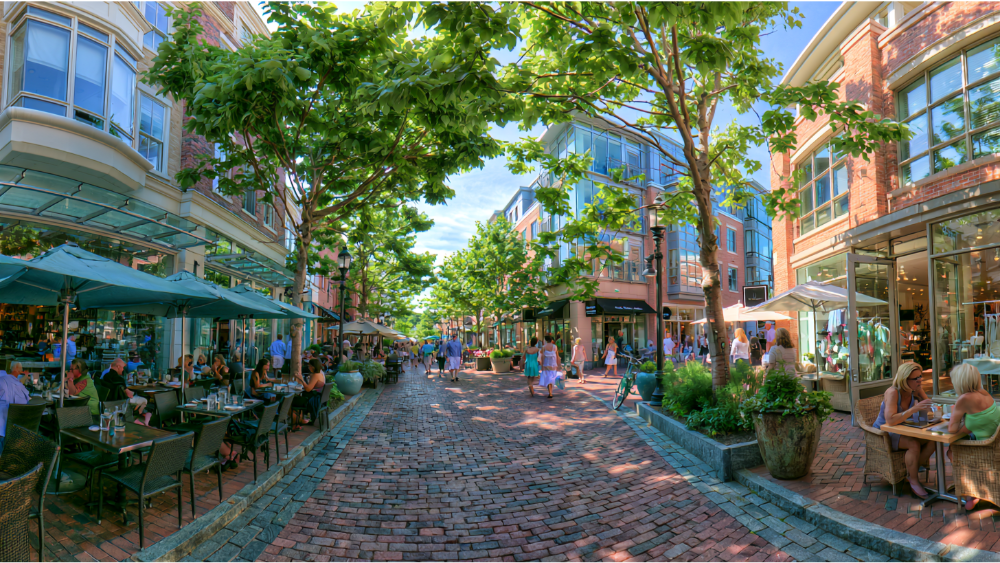
West Hartford covers 22.2 square miles and borders Hartford, Bloomfield, Newington, Farmington, and Avon. The town reported a 2020 Decennial Census population of 64,083, with an ACS 2024 five-year estimate of roughly 63,620 residents. It’s built for getting around on foot in the right spots: the town maintains 205 miles of accepted streets and 245 miles of sidewalks. Compared with denser urban areas nearby, West Hartford gives you space to breathe while still keeping city amenities close, and its population density strikes a balance between busy and calm.
The feel is dense-suburban with quick access to downtown Hartford, not a big-city core. You get four distinct seasons here. Summer peaks around 83°F in July, and winters regularly drop below 20°F with 35 to 45 inches of snow annually, so plan for real Northeast weather when you schedule a move. Park access is a genuine perk, with about 96% of residents living within a 10-minute walk of a park. The town also carries a good deal of history, including 39 historic sites documented in part through the West Hartford Historical Society, and its village charm dates back well before the Revolutionary War. The Noah Webster House, birthplace of the dictionary author, is one landmark that ties the town to that early American story. It’s a community with roots, not a subdivision that popped up last decade. West Hartford runs a council-manager form of government, so a mayor leads the town council while a professional town manager handles daily operations, a structure many residents credit for steady services. Water and sewer service run through the regional Metropolitan District, which serves several member towns.
Is West Hartford Connecticut an Amazing Place to Live?
Yes, West Hartford runs above the national average, and rent is only part of that picture. The Hartford-West Hartford-East Hartford metro’s 2024 regional price parity was 102.746, meaning the metro’s overall price level sat about 2.7% above the U.S. average. That’s a metro figure, not town-specific, but it tells you the direction.
Income tends to run higher too. West Hartford’s median household income was $129,890 per ACS 2024 five-year data, and the Hartford area’s average hourly wage across all occupations was $36.88 in May 2025, compared with $33.54 nationally. For household budgeting, the Northeast averaged $83,692 in annual expenditures in 2024 versus $78,535 for the U.S. For many families, the trade is straightforward: higher living costs in exchange for strong schools, walkable centers, and a real sense of community.
When you’re planning a move, look at the full cost of living, not just the lease amount:
- Rent and security deposit
- Transportation, including a car if your commute needs one
- Utilities, food, and healthcare
- State and local taxes
Ask, “Can I afford the full move?” not just, “Can I afford the rent?” Our Rent Calculator and Cost of Living Calculator help you run those numbers before you commit.
How Much Is Rent in West Hartford Right Now?
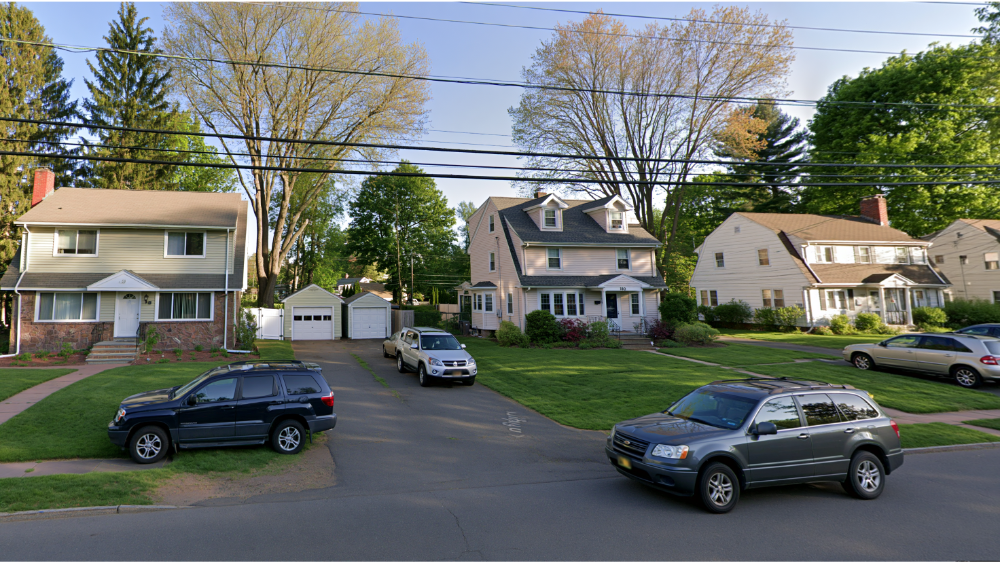
Rent trackers disagree, and that’s normal. They pull from different inventory and use different methods, so the same town can show up with different averages on the same day. Here’s a dated snapshot from July 2026:
| Source (July 2026) | Average / by bedroom |
|---|---|
| All beds, all property types | $2,300 (range $800 to $6,500) |
| Apartment average | $2,127 |
| Studio / 1BR / 2BR / 3BR (apartment) | $1,910 / $2,127 / $2,493 / $2,996 |
| Alternate marketplace average | $2,691 |
Some older or narrower estimates put one-bedrooms lower, in the $1,600 to $1,900 range, which shows how much source and timing matter. If you want a house rather than an apartment, expect to pay more, since single-family rentals list at the higher end of the range. Treat every average as a starting point, then check live listings for the exact property type and neighborhood you want. Budget for more than the first month’s rent, too. Connecticut caps deposits and sets rules on what a landlord can charge before you move in, which we cover next.
What Renters Should Know About Connecticut Lease Rules
Connecticut has clear tenant protections, and knowing them keeps you from overpaying or getting surprised at move-out. This is a plain-English summary, not legal advice, so confirm the details with official Connecticut sources before you sign.
- Security deposit cap: Landlords generally can’t require more than two months’ rent, reduced to one month for tenants age 62 or older.
- Where deposits go: Deposits must be held in an escrow account at a Connecticut financial institution.
- Deposit interest: The 2026 rate is 0.49%, paid annually on the tenancy anniversary or credited toward rent.
- Getting it back: Landlords must return the deposit with interest, or send written notice of damages, within 21 days after tenancy ends (15 days after receiving a late forwarding address).
- Rent grace period: Rent must be paid by midnight on the ninth day after it’s due before a landlord can start eviction proceedings for nonpayment.
- Pre-tenancy charges: A landlord can only ask for a security deposit, first month’s rent, a key or special equipment deposit, and a tenant screening report fee before tenancy begins.
When you find a place, a clean rental application and honest tenant screening make the process a seamless experience for everyone. Need a hand? Call our support line at (800) 716-4950.
The West Hartford Housing Market: Should You Rent or Buy?
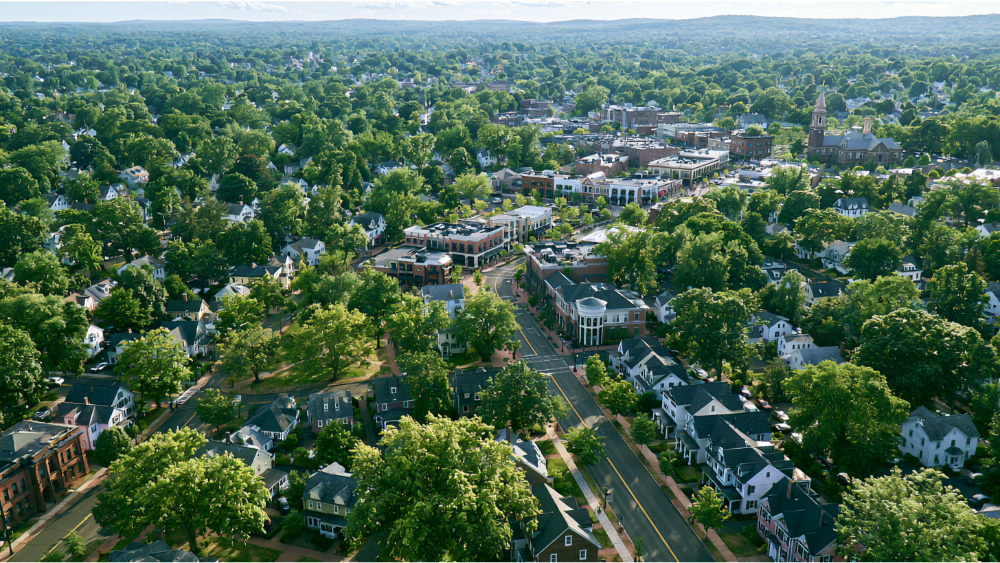
West Hartford has a competitive housing market where demand often outpaces supply, so buyers should be ready to move quickly. The ACS 2024 five-year median owner-occupied value was $411,000, and market snapshots have put median home prices in roughly the $350,000 to $430,000 range depending on the source and month. Inventory in and around West Hartford Center tends to move fastest, so if you have your eye on that part of town, line up financing early. Pockets like the streets near South Road and the Buena Vista area draw steady interest for their settled, tree-lined feel.
Ownership carries real recurring costs beyond the mortgage. West Hartford’s mill rate for the 2025 Grand List is 46.77 for real estate and business personal property, and 32.46 for motor vehicles, for taxes due July 2026 and January 2027. Late payments accrue interest at 1.5% per month back to the original due date. Statewide, sales and use tax is 6.35%, and personal income tax runs from 2% to 6.99%. Those are budgeting notes, dated, not tax advice.
Before you decide, run the actual monthly math with our Rent vs. Buy Calculator and Mortgage Calculator. The mill rate alone can shift the answer.
Best Places and Areas to Explore Before You Move
West Hartford has several commercial districts, and the right one for you depends on your commute, rent, parking, transit, and daily errands, not a ranking. Here’s how the main areas differ on practical terms, and each has its own city style worth a look:
- West Hartford Center / Blue Back Square: The most walkable retail and dining district, with a vibrant food scene and shops close together. The blue back square anchors the Center as an open-air mix of stores, restaurants, and residences, and many residents treat it as the town’s social heart.
- Bishops Corner: Shopping and everyday errands on the north side, good for grocery runs and northern road access.
- Park Road: A dining corridor with east-west access across town.
- Elmwood / New Park Avenue: Relevant for transit riders given CTfastrak access.
- Westfarms area: Retail access near Westfarms Mall with regional road connections.
Match the district to how you actually live day to day. Someone who wants to walk to dinner at Blue Back Square will weigh the Center differently than someone who commutes by bus from Elmwood. Families with kids often prioritize being near a park or a particular school, while remote workers may lean toward the walkable core, one of the best places in the region to combine work and daily life.
Getting Around: Transportation and Commuting

The mean commute time for West Hartford residents is 22.3 minutes per ACS 2024 five-year data. You may still want a car, but you have options. CTtransit runs several Farmington Avenue routes tied to the area, including the 60 (West Hartford Center), 62 (Bishops Corner), 64 (Westfarms Mall), and 66 (UConn/Unionville). Route details and alerts change, so confirm current transportation service before renting a place because of one bus line.
For air travel, the Bradley Flyer (Route 30) connects Bradley International Airport with downtown Hartford and Union Station, though you’ll still need to reach Hartford first. A planned West Hartford Railroad Station at 285 Newfield Avenue is in CTDOT’s FFY 2026-2030 capital plan, with an estimated $70.5 million construction cost, two high-level platforms, 133 parking spaces, and CTfastrak improvements. It’s a future project, not a station you can use today. There’s also a paved multi-use trail for jogging and biking if you’d rather skip the car for short trips.
Schools, Education, and the Major Employers Nearby
West Hartford Public Schools runs 11 elementary schools, 3 middle schools, and 2 high schools, part of a school district with 25 schools and programs and 9,128 students enrolled in 2024-25. The 2023-24 four-year cohort graduation rate was 92.2%, above the statewide 88.9%. Conard High and Hall High schools are the town’s two high schools, and the district includes 2 magnet schools alongside private and parochial options. More than 70 languages are represented across the system, so education here reflects a genuinely diverse community. The University of Saint Joseph is located in town, with the University of Hartford also within West Hartford, giving higher education a real presence for local families. The nearest UConn campus is a short drive away for students weighing state university options.
The Hartford area’s job market leans on insurance, healthcare, and education. Major employers like Aetna and Travelers anchor Hartford’s reputation as the “Insurance Capital of the World.” Metro nonfarm employment hit 626.3 thousand in May 2026, up 0.5% from a year earlier. There are no hospitals inside West Hartford, but three medical centers sit in bordering towns: Saint Francis Hospital and Hartford Hospital in Hartford, and UConn Health in Farmington. For registration and residency details, check the official West Hartford Public Schools resources before enrolling.
Local Lifestyle, Events, and Things to Explore

West Hartford keeps a full calendar of events, and the local lifestyle here rewards people who like to get out and discover their town. Farmers’ markets and seasonal festivals run through the year, and the Celebrate! West Hartford Festival draws more than 35,000 visitors. Tabletop and adventure fans have BookWyrm Fest, while art galleries and cultural institutions round out the scene. Hartford Stage, right next door, brings Broadway-caliber theater within easy reach, and much of the shopping and many of these events cluster near the Center and Blue Back Square, where residents gather all year.
On the recreation side, the town operates two municipal golf courses, the Cornerstone Aquatics Center, four outdoor pools, six public parks, and three public libraries. It’s an engaged community where showing up to a local event feels normal, not forced. That mix of everyday living and real culture, paired with a walkable center, is a big part of why families and young professionals alike put down roots here and call West Hartford an amazing place to build a life.
A Moving Checklist for West Hartford Renters
Work through these before and during your move:
- Verify current rent against live listings, not just averages.
- Confirm parking and overnight or snow-removal rules with the landlord.
- Ask which utilities are included and which you’ll pay separately.
- Document the move-in condition of the house or apartment with photos and notes.
- Save your signed lease and every payment record.
- Provide a written forwarding address at move-out to protect your deposit timeline.
- Compare rent versus buying with real monthly numbers, including the mill rate.
- Set up online rent payment if it’s available so you never miss the grace-period window.
How KT Rents Helps You Find and Manage Your Rental
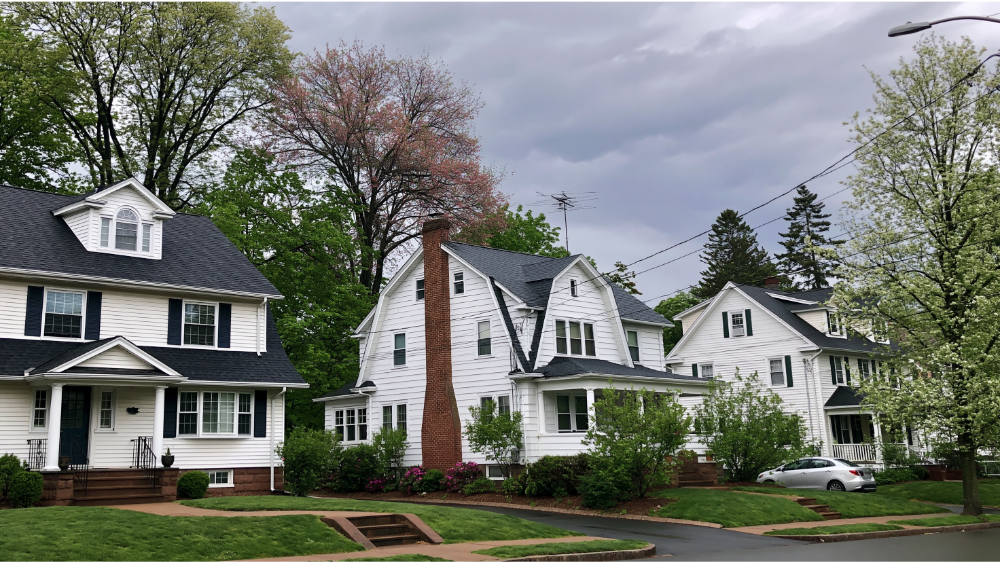
KT Rents is a full-service, broker-owned rental platform operating across the U.S. since 2009. If you’re searching in the Hartford Connecticut area, you can browse rentals, run the numbers with our Rent Calculator, Rent vs. Buy Calculator, and Mortgage Calculator, submit rental applications, pay rent online, and send maintenance requests through the owner and resident portal. We also pass along tenant perks and discounts, because renting with us should feel like home, not just a transaction. Your Rental. Your Way.
Own a rental in the West Hartford area? KT Rents handles tenant placement, tenant screening, rent collection, property maintenance, property inspections, rental permits, 1099 preparation, city ordinance compliance, and court evictions without the owner having to lift a finger. As of early 2025 we managed 683 units across 34 states and report a 98% occupancy rate, which is what happens when you compete on quality instead of unit count.
Ready to get started? Call (800) 716-4950, text (608) 207-0657, or email info@ktrents.com. We respond within 24 hours.
Frequently Asked Questions About Moving to West Hartford Connecticut
Is West Hartford, Connecticut a good place to live?
It suits people who want strong public services, walkable centers, and quick access to Hartford, and who can budget for above-average housing costs. Whether it fits depends on your commute, budget, and lifestyle, so compare it against nearby Hartford-area towns and cities before deciding. Many families call it an amazing place thanks to its schools and community feel.
How much is rent in West Hartford?
As of July 2026, average rents range from about $2,127 to $2,691 depending on the source, with apartments listed roughly $1,910 for studios up to $2,996 for three-bedrooms. A full house typically costs more. Averages vary by tracker, so check live listings for accurate current pricing.
Is West Hartford different from Hartford?
Yes. West Hartford is a separate town just west of Hartford, the state capital, with its own mayor, town council, schools, and tax rate. It borders Hartford but is not a Hartford neighborhood.
Do you need a car in West Hartford?
Not always, but it helps. The mean commute is 22.3 minutes, and CTtransit runs several Farmington Avenue bus routes, while districts like the Center and Blue Back Square are walkable. Your need for a car depends on where you live and work, so confirm transit routes before renting on bus access.
Why are people moving out of Connecticut?
Cost is the usual reason people cite, including a state income tax up to 6.99%, 6.35% sales tax, and property taxes tied to local mill rates like West Hartford’s 46.77. Others stay for the wages, schools, and services, so run your own budget rather than relying on general trends about the country as a whole.