

Broken Arrow, Oklahoma
Homes for rent and for sale — search the map or open the full city SEO catch-all page.
Broken Arrow, Oklahoma
Moving to Broken Arrow, Oklahoma means getting Oklahoma’s fourth-largest city with housing costs roughly 35% below the national average, a 22-minute average commute to Tulsa, and a downtown Rose District with 40+ parks. The city ranked 19th on U.S. News’ Best Places to Live and offers strong job access across manufacturing, healthcare, and tech. One key step: verify your exact address for county, school district, and utilities before signing anything.
Moving to Broken Arrow, Oklahoma
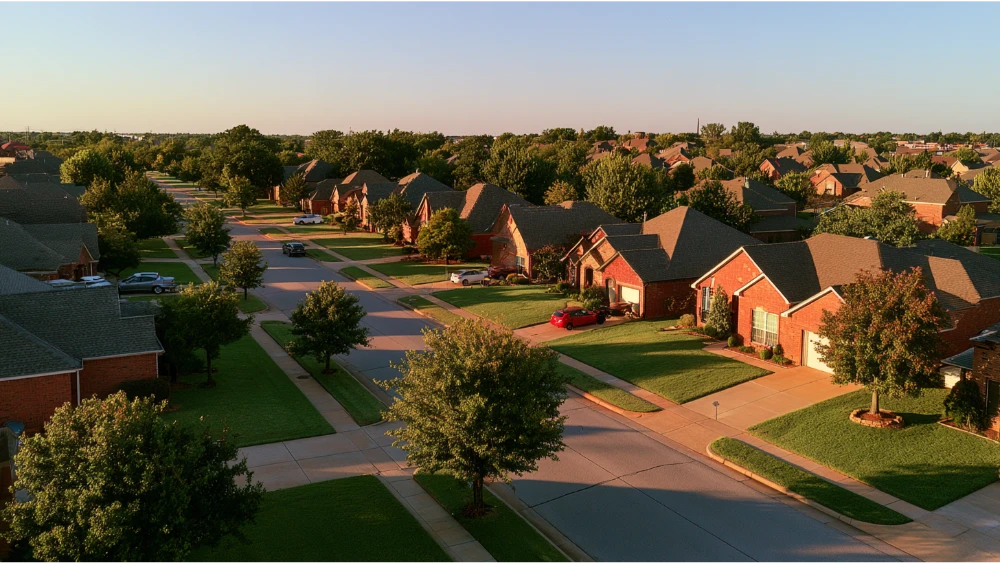
Yes, Broken Arrow Oklahoma is a solid place to live if you want suburban space without losing easy access to Tulsa. It’s Oklahoma’s fourth-largest city, sitting just southeast of Tulsa with an average commute of about 22 minutes, and it recently ranked 19th on U.S. News’ Best Places to Live. Cost of living runs roughly 10 to 12% below the national average, and the city offers dozens of parks plus a walkable downtown. One thing to know upfront: a Broken Arrow address isn’t one uniform experience. County, school district, and utilities can change block to block, so verify the specifics before you sign.
Cost of Living, Housing, and Jobs in Broken Arrow
Affordability is the headline here. Housing costs run about 35% below the national average, and overall living costs sit 10 to 12% lower. That combination is a real opportunity for families and remote workers who want more room for their money. If you’re comparing it to a bigger metro like OKC, the suburban value in Broken Arrow stands out fast. Here are the Census benchmarks (2020 to 2024 figures, not current asking prices, which move fast):
- Median home value: ~$250,400
- Median gross rent: ~$1,320
- Owner-occupancy: ~72%
- Median household income: $86,765 (above the national figure)
Broken Arrow is one of Oklahoma’s major manufacturing hubs, with healthcare, education, technology, engineering, and skilled trades all hiring. The Tulsa metro widens your options considerably, and remote workers get the same low costs with national flexibility. Run your own numbers with KT Rents’ Rent Calculator, Cost of Living Calculator, and Rent vs. Buy Calculator before you commit.
Schools, Hospitals, and Things to Do When Moving to Broken Arrow Oklahoma
Schools
Broken Arrow Public Schools serves most of the city and is one of Oklahoma’s largest districts, with 20,000+ students and strong extracurriculars that families care about. But west-side addresses often fall under Union Public Schools, and parts of the southwest are served by Bixby. Check the exact address on the district boundary map, and use the state school report cards for current, address-specific academic data instead of blanket quality ratings.
Hospitals and Healthcare
Healthcare access is strong here. Ascension St. John Broken Arrow and Saint Francis Hospital South anchor local care, with the larger Tulsa medical system minutes away. For families weighing safety and everyday peace of mind, knowing a quality hospital is close matters.
Parks, Food, and Entertainment
The city manages more than 40 parks across 1,000+ acres, including Ray Harral Nature Park, connected trail systems, and sports complexes. Downtown’s Rose District is the hub for restaurants, boutiques, farmers markets, and year-round entertainment like Rooster Days. From local coffee shops to sit-down dining, the food scene keeps growing. It’s an easy fit for families who want community life close to home and a suburban lifestyle that still feels connected.
Neighborhoods and Lifestyle in Broken Arrow Oklahoma
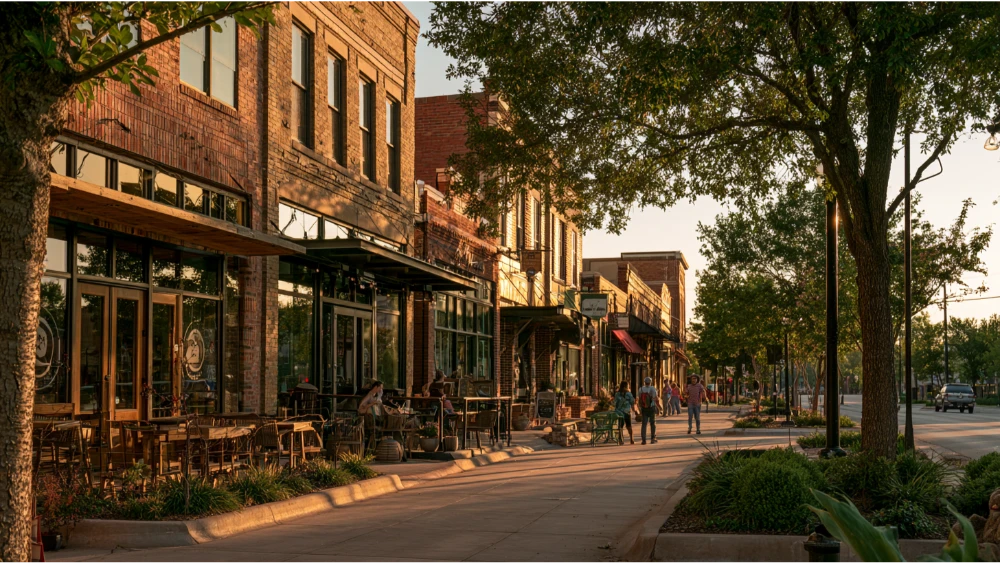
Broken Arrow blends quiet suburbia with a lively downtown core. Older established pockets near the Rose District feel walkable and tight-knit, while newer subdivisions on the south and east sides offer larger lots and room to spread out. Many residents choose this community for the balance: space to live comfortably, good jobs within reach, and a genuine small-city feel. After years of steady growth, it has become one of the most popular places to put down roots in the Tulsa metro, and it’s easy to see why so many people call it home.
What to Verify Before You Sign a Lease in Broken Arrow
This is where no-surprises planning pays off. Before you sign:
- Confirm the county. Tulsa County sales tax runs 8.417%; Wagoner County is 9.35%.
- Check the school district by exact address, not city name.
- Confirm utility providers: City of Broken Arrow water/trash, PSO for electric, Oklahoma Natural Gas, or Rural Water District 4 in parts of Wagoner County.
- Test your real commute during actual rush hours.
- Locate the storm shelter. If the building you’re eyeing doesn’t have one, ask where the nearest option is. Oklahoma has a real severe-weather season.
- Tally the full monthly housing cost, utilities included.
Also plan ahead: Oklahoma requires you to register an out-of-state vehicle within 30 days of moving.
Frequently Asked Questions
Is moving to Oklahoma a good idea?
For many people, yes. Broken Arrow offers below-average living costs, a low unemployment rate, and access to a growing Tulsa metro job market.
How far is Broken Arrow from Tulsa?
Broken Arrow sits just southeast of Tulsa, roughly a 20-minute drive to downtown.
What is there to do in Broken Arrow?
The Rose District for restaurants and events, 40+ parks, Rooster Days, and connected trail systems.
What are the demographics of Broken Arrow?
It’s Oklahoma’s fourth-largest city, with about 124,991 residents as of July 2025 and high home-ownership.
Ready to make the move? Check current rental availability on KT Rents’ nationwide marketplace to find a place that fits, and run your numbers with our calculators before making a decision. We’re full-service and broker-owned, so we handle the details while you settle into your new home. Call (800) 716-4950 to get started.