

Tulsa, Oklahoma
Homes for rent and for sale — search the map or open the full city SEO catch-all page.
Tulsa, Oklahoma
Moving to Tulsa, Oklahoma offers moderate housing costs, with a median home value of $205,300 and a median gross rent of $1,052, plus an average commute of just 18.9 minutes. The city has a diversified economy, a growing arts and food scene, and a cost of living roughly 6% below the national average. The real trade-offs are hot summers, severe spring weather, and a car-dependent layout. Your experience depends heavily on the exact address you choose.
Moving to Tulsa Oklahoma
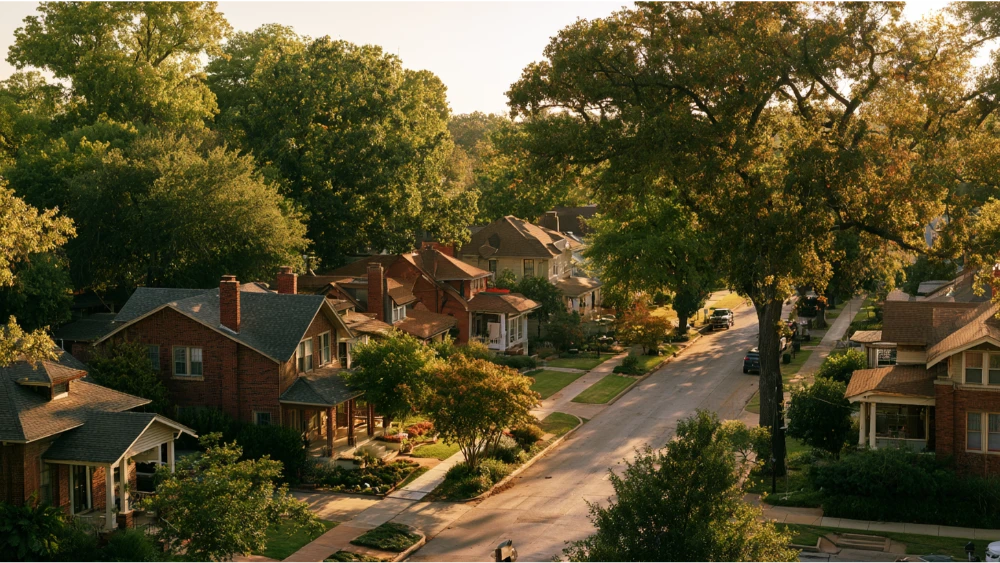
Moving to Tulsa Oklahoma can make real sense if you want moderate housing costs, a short average commute, and a growing arts, food, and outdoor scene. The honest trade-offs are hot summers, severe weather in spring, and a city that’s car-dependent in most neighborhoods. You get four distinct seasons, a diversified economy, and a cost of living that runs a little below the national average, roughly 6% by many estimates. For many residents, that mix of affordability and lifestyle is the whole appeal.
Here’s the idea that shapes this whole guide: Tulsa looks like one of the more affordable places in America at a glance, but your actual experience depends on the exact address you choose. Two homes a few miles apart can differ in commute, school assignment, floodplain status, and insurance cost. We’re a full-service, broker-owned national housing company, and our job here is to help you compare the real details before you sign anything, whether you’re relocating from a coastal metro like New York or crossing the country from somewhere closer like Texas.
How Much Does It Cost to Live in Tulsa, Oklahoma?
Tulsa is more affordable than many large U.S. metros, but the numbers you see online measure different things. Three common housing benchmarks are not interchangeable: the Census median gross rent (what residents actually pay), HUD’s Fair Market Rent (a federal gross-rent benchmark used for programs), and live asking rent (what landlords advertise today). Read each for what it is.
| Benchmark | Figure | Source / Date |
|---|---|---|
| Median gross rent | $1,052 | Census, 2020–2024 |
| HUD FMR, one-bedroom | $987 | HUD, FY 2026 |
| HUD FMR, two-bedroom | $1,217 | HUD, FY 2026 |
| Median home value | $205,300 | Census, 2020–2024 |
Median household income sits at $59,838 (Census, 2024 dollars), and a family of four often needs around $81,732 a year to live comfortably, depending on housing and household size. The median home price here stays well under what you’d pay in most coastal markets. On taxes, Oklahoma’s top individual income rate is 4.5% for tax year 2026, Tulsa’s combined sales and use tax is 8.517%, and property taxes run on the lower side nationally. Compared to a big city elsewhere, your money stretches further here, and the low cost of everyday groceries and services helps you save month to month.
Be skeptical of blanket “X% below the national average” claims. They come from different indexes with different baskets of expenses, so concrete housing, income, and tax numbers tell you more. To pressure-test your own budget, run the numbers through our Cost of Living Calculator and compare monthly scenarios with the Rent vs. Buy Calculator before you commit. If you plan to buy, getting pre approved early tells you exactly what you can afford.
Jobs, the Economy, and the Tulsa Remote Program
Tulsa’s growing economy is healthier and more diversified than its old oil-and-gas reputation suggests. The metro unemployment rate was 4.1% in August 2026 (preliminary BLS data), and the mean hourly wage across all occupations was $28.40 in May 2025. Hiring spans aerospace, energy, healthcare, technology, and manufacturing, with aerospace a notable anchor and one major airline company employing several thousand people across the region.
Remote professionals have solid infrastructure to work with. About 89.7% of Tulsa households have a broadband subscription, which matters if your paycheck depends on a stable connection. If you’re building a life where your home can feel like a base you actually enjoy, the quality of day-to-day living in Tulsa gives you room to do that without a coastal price tag.
The Tulsa Remote program offers a $10,000 incentive to eligible Tulsa remote workers. In broad terms, you must be at least 18, hold a full-time remote job based outside Oklahoma, have lived outside the state for a full year before applying, move to Tulsa within 12 months of approval, and make a home inside city limits your primary residence. Renters receive the money through monthly disbursements. Tulsa Remote has helped bring thousands of newcomers to the city, though most people relocating to Tulsa won’t qualify, and terms change, so confirm the current program details directly before you count on it.
Choosing a Tulsa Neighborhood Without Relying on Stereotypes
Skip the “best neighborhood” listicles and compare communities on things you can verify: density, housing type and age, commute, transit, nearby parks, dining, healthcare access, safety, and the exact school assignment for a specific address. The district gives you the flavor. The address determines the commute, the school, the floodplain status, and the services. Whether a spot feels like a safe place is best judged block by block, not by reputation alone.
A quick, neutral tour of Tulsa’s diverse districts and neighborhoods:
- Downtown / Arts District: a range of housing options, live music, galleries, and walkable dining for anyone who wants an urban lifestyle.
- Greenwood: historic district with cultural sites close to downtown.
- Cherry Street and Brookside: midtown corridors known for restaurants, patios, and shops.
- Pearl District: an evolving area with new development near downtown.
- Midtown / Utica Square: established homes and upscale retail and dining.
- East Tulsa / Global District: diverse dining and international markets that reflect the city’s culture.
- South Tulsa / Woodland Hills and Tulsa Hills: lower-density housing with major shopping hubs.
- Route 66 corridor: classic roadside attractions and local businesses.
Tulsa maintains 135 parks and trails, and the Gathering Place along the Arkansas River is a central spot families and visitors return to year-round. We’re planning a separate neighborhoods-compared guide that measures each area on these same objective factors.
Schools, Healthcare, and Transportation in Tulsa
How do Tulsa public-school assignments work?
Your exact address determines your education options. Tulsa Public Schools lists 78 schools for the 2026–2027 cycle, and families can rank up to six choices on an application across neighborhood, magnet, charter, alternative, and transfer categories, each with its own rules. Enrollment generally requires proof of address and guardian ID, plus a birth certificate and immunization records for students new to the district. Check assignment through the official Find a School finder and review the Oklahoma School Report Cards for the specific address you’re considering.
How do I compare Tulsa hospitals and healthcare?
Tulsa has several hospital campuses, but skip the “best hospital” claims. Use the federal Medicare Care Compare tool to check emergency services, patient experience, and outcomes. Map the nearest ER and urgent care from each potential address, confirm your preferred doctors accept your insurance, and factor in commute time to recurring appointments, not just distance.
Do you need a car in Tulsa?
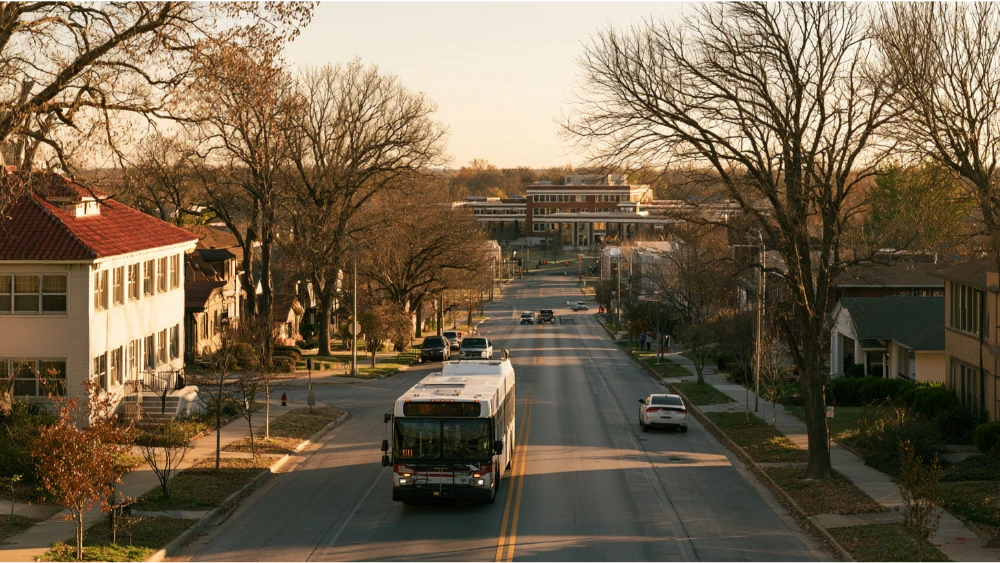
The mean commute is a short 18.9 minutes, but the city is car-centric and transit thins out beyond the center. For public transportation, MetroLink runs fixed-route buses, MicroLink on-demand service, and LinkAssist paratransit, with an adult cash pass around $2 for three hours. If you don’t drive, test your exact work, school, grocery, and medical routes in the trip planner before you lease. Tulsa International Airport, located just northeast of downtown, connects residents to the rest of the country for work and travel.
Tulsa Weather, Lifestyle, and What the City Is Really Like
What is the weather like in Tulsa?
Tulsa has four real seasons: hot summers and mild winters. July highs average 93.6°F, and the city sees about 10.8 days a year at or above 100°F, while January runs cooler with occasional snow (8.7 inches annually). Annual rainfall averages 40.96 inches per the National Weather Service 1991–2020 normal. Tulsa sits in Tornado Alley, so spring brings severe storms, hail, and flash flooding, and pollen runs high in spring and fall. Before you commit, ask about a severe-weather shelter plan, check roof age and prior hail damage, review the city’s floodplain atlas for the address, and get an insurance quote. Weighing safety this way protects both your budget and your peace of mind.
Food, music, and the Philbrook art museum in Tulsa Oklahoma
The arts and music scene keeps growing. Cain’s Ballroom draws national acts from across America, the Bob Dylan Center and the Philbrook Museum anchor the cultural side, and more than one local art museum gives most Tulsans an easy weekend outing. The Gathering Place sits at the center of riverfront recreation along the Arkansas River and across 135 parks and trails, with plenty of outdoor recreation for anyone who likes to be active with family, friends, or a dog. Route 66, one of the most famous roads in the world, runs through town with its classic attractions, and much of it is free to explore. Dining is varied, from Mexican food and food halls to vegan and allergy-aware spots, coffee, and fine dining. Many of these are tourist draws, but the parks, trails, and neighborhood restaurants are what shape everyday living here. A short drive down the turnpike puts Oklahoma City within easy reach for a day trip, too.
Your Tulsa Moving Checklist and Next Steps
Run every rental or home through this exact-address test.
Before signing:
- Total rent or housing payment
- Real commute time to work
- School assignment for the address
- Nearest hospital and urgent care
- Transit route and frequency
- Floodplain status and insurance quote
- Utility setup, internet, and a weather shelter plan
Before moving: activate city water, sewer, stormwater, and refuse (name, phone, SSN, and service address; renters may need a lease; transfers normally take three business days), set up electric and gas separately, gather school and medical records, research transferring your driver license and registering your vehicle in Oklahoma, change your address, and line up renter’s or homeowner’s insurance.
First week: test the commute, locate a storm shelter, find a healthcare provider and pharmacy, learn trash and utility schedules, and explore nearby food, parks, and shopping to start feeling like a local in your new communities.
Start with our Rent vs. Buy, Cost of Living, and Rent calculators, then browse current listings on our national marketplace. Own property and want it managed without lifting a finger? Our full-service, broker-owned team handles tenant placement, screening, rent collection, inspections, and more. Call (800) 716-4950 to get started.
Frequently Asked Questions
Is Tulsa offering $10,000 to move there?
Yes. The Tulsa Remote program pays eligible remote workers $10,000 if they meet residency, employment, and move-in conditions. Confirm current terms directly before you rely on it.
Is Tulsa, Oklahoma a good place to live?
It’s a strong fit if you want moderate housing costs, short commutes, and a growing arts, food, and outdoor scene. The trade-offs are hot summers, severe spring weather, and car dependence.
How much do I need to make to live comfortably in Tulsa?
Median household income is about $59,838, and comfortable estimates for a family of four run near $81,732 a year. Your number depends on household size and the exact address, so run it through our Cost of Living Calculator.
Is Tulsa, Oklahoma red or blue?
Oklahoma leans Republican statewide, though cities can differ from the state overall. For your move, the details that matter most are housing, commute, schools, and services at your specific address.