

Oklahoma City, Oklahoma
Homes for rent and for sale — search the map or open the full city SEO catch-all page.
Oklahoma City, Oklahoma
Moving to Oklahoma City, Oklahoma means accessing a median home value of $231,300 and median household income of $68,656, with short average commutes of about 22 minutes and a broad job base of roughly 708,700 nonfarm jobs. The city spans 606 square miles across 24 school districts, so your specific address determines your schools, taxes, and commute. Severe weather is a real factor, with tornado season peaking April through June and no public tornado shelters available.
Moving to Oklahoma City, Oklahoma
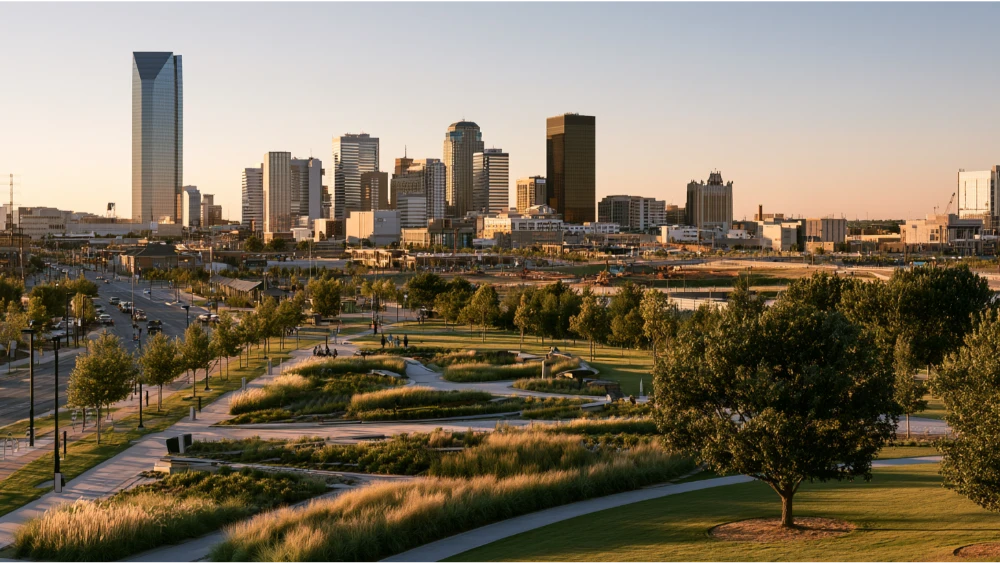
Oklahoma City offers attainable housing, a growing population, short commutes, and a broad job base. But the city is huge, severe weather is real, and your exact address changes your school district, taxes, and commute. If you’re a renter, remote worker, or family comparing cities, this guide helps you plan the move by comparing addresses, not just citywide averages. Along the way we share insider tips to help you find the right fit and discover why so many families are making the move here.
What Living in Oklahoma City Really Costs
Oklahoma City is more affordable than California or much of Texas, and far cheaper than New York. Affordability is one of the biggest reasons people begin this journey. Here are the Census 2020–2024 figures:
| Measure | Figure |
|---|---|
| Median gross rent | $1,130 |
| Median home value | $231,300 |
| Median household income | $68,656 |
HUD’s FY2026 Fair Market Rents run $939 (studio) to $1,857 (4BR). Census rent, HUD FMR, and live asking rent are all different numbers, so verify current listings. Factor in homeowner’s insurance, which runs high here, and the roughly 8.625% combined sales tax. Build a personal budget with the KT Rents Cost of Living Calculator.
Jobs, Economy, and Remote Work Opportunities
Oklahoma City isn’t just oil and gas. As of August 2026, BLS metro data showed about 708,700 nonfarm jobs and roughly 3.9% unemployment, led by education and health services, trade and transportation, government, and professional services. The tech scene is growing, and remote work fits well here. For many, the local energy sector still means real paths to building wealth over time. Compare any salary offer against housing and your real commute, and explore the opportunities that match your field.
Getting Around and Oklahoma City’s Unique Districts
At 606 square miles, moving a few miles changes your commute, utilities, and schools. The average commute is about 22 minutes, and most residents need a car. EMBARK buses cost $1.75 a ride or $4 for a day pass, and the streetcar is fare-free across 22 stops linking Downtown, Bricktown, and Midtown. Will Rogers International Airport handles flights out. Explore Bricktown, Automobile Alley, the Paseo and Plaza arts districts, Asian District dining, and Stockyards City. Downtown holds the Oklahoma City Museum of Art and a major live-performance arena. These are some of the most memorable places to explore when you first arrive.
Schools, Hospitals, and Severe Weather to Know When Moving to Oklahoma City Oklahoma

Oklahoma City contains parts of 24 school districts, and assignment is address-based, which matters most for families with children. Use the official school locator and state report cards to learn what each district offers, and keep proof of address for enrollment. The University of Oklahoma anchors higher education nearby. For healthcare, OU Health runs a Level I Trauma Center; check ER travel time and in-network coverage from your exact address. Summers hit about 93°F, and roughly two-thirds of area tornadoes strike in April through June. The city runs no public tornado shelters, so ask landlords about shelter access and covered parking. These are the resources that help individuals make a confident, informed choice.
Outdoor Adventures and Life in the Sooner State
Go kayaking on the Oklahoma River, walk the 70-acre Scissortail Park, or wander the Myriad Botanical Gardens. There is plenty to enjoy here, and the variety may surprise you. Day trips reach the Wichita Mountains Wildlife Refuge, Turner Falls, and lakes Texoma and Eufaula. The culture runs deep, with 65+ Native American tribes and strong country and blues roots feeding year-round festivals. Something about this mix feels special once you settle in.
Your First Steps Before and After the Move
Before you sign for an address:
- Verify city limits and county
- Confirm assigned schools
- Test the commute at real hours
- Check the official crime map
- Map hospitals and groceries
- Identify utility providers and ask about storm shelter and parking
First 30 days: start city water, trash, and electric; transfer your driver’s license; register your vehicle (Oklahoma gives about 30 days); enroll kids; update your address; set up weather alerts.
KT Rents is a full-service, broker-owned real estate operator serving owners and residents nationwide since 2009. If you have spent the past year thinking about a change, run the numbers with our Cost of Living and Rent vs. Buy calculators, then browse our national marketplace to find your next home. Questions? Call (800) 716-4950. Your Rental. Your Way.
Frequently Asked Questions
Is moving to Oklahoma a good idea?
Yes, if you want attainable housing, short commutes, and a broad job base. Weigh severe weather and car dependence against those perks.
What salary do you need to live comfortably in Oklahoma City?
Median household income was $68,656 (2020–2024), but your number depends on household size and address. Use the Cost of Living Calculator rather than one blanket figure.
Is Oklahoma City a good place to live?
For many people, yes, as long as you verify your exact address for schools, taxes, and commute before committing.
Why are so many people moving out of Oklahoma?
Some leave for job-specific reasons, weather, or personal fit, but the city grew 5.7% since 2020, meaning more people are arriving than leaving.