

Butte, Montana
Homes for rent and for sale — search the map or open the full city SEO catch-all page.
Butte, Montana
Moving to Butte, Montana means trading big-city convenience for a 16.9-minute mean commute, housing costs roughly 15 to 20 percent below the national average, and trail access minutes from most of town. The city of 35,469 residents sits at 5,538 feet with a tight rental supply and long winters, so most out-of-state movers should rent through one full winter before buying. Address-level environmental records tied to the Superfund cleanup are a required homework step for any specific property.
Moving to Butte, Montana
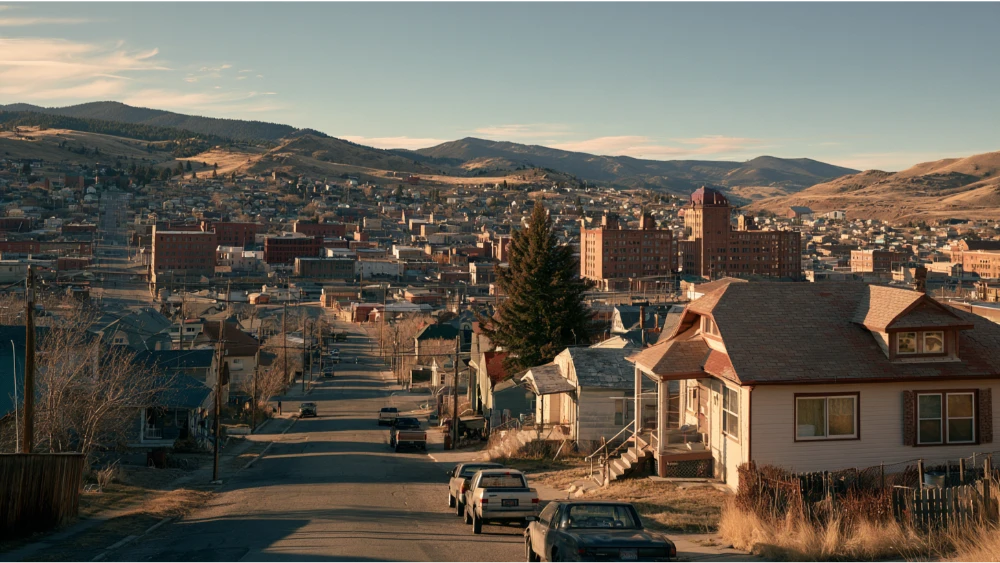
Butte is a high-elevation southwest Montana city of about 35,469 residents (July 1, 2025 Census estimate, Butte-Silver Bow balance) where housing costs run below national norms, the mean commute is 16.9 minutes, and trailheads sit minutes from most of town. Cost of living in Butte is commonly cited as running roughly 15 to 20 percent below the national average, and the dated Census numbers below back up the housing side of that claim. The tradeoffs are real too: long winters at 5,538 feet, a rental supply that is tight and uneven, older housing stock that needs a careful inspection, and address-level environmental due diligence tied to the ongoing mining cleanup.
This guide is for the person comparing cities right now and trying to decide whether to rent first or buy. You’ll get dated figures with their sources, neutral orientation to the city’s areas, links to official resources, and a move checklist you can actually work through. Three ideas run through everything that follows: the Uptown-versus-the-Flats geography split, the difference between Census median gross rent, current asking rent, and HUD Fair Market Rent, and the Superfund cleanup as an address-level question rather than a citywide verdict.
We talk to people in the middle of this decision constantly. Some have already moved three times in five years chasing work. Some are a family of four trying to find a place where one income still covers a mortgage. What they all want is the same thing: the real picture, with the inconvenient parts left in.
Moving to Butte, Montana: Quick Facts at a Glance
Here’s the whole city in one screen. Every number below carries its period and source, because undated relocation stats are how people end up budgeting for a market that no longer exists.
| Fact | Figure | Period / Source |
|---|---|---|
| Population | 35,469 | July 1, 2025 estimate, Butte-Silver Bow balance (U.S. Census QuickFacts) |
| Population growth | +2.8% | 2020 estimate base to July 1, 2025 (Census) |
| Elevation | 5,538 feet | Butte-Silver Bow Community Factsheet |
| Median household income | $61,857 | 2020–2024 estimate, 2024 dollars (Census) |
| Median gross rent | $856 | 2020–2024 estimate, not current asking rent (Census) |
| Median owner-occupied value | $257,800 | 2020–2024 estimate (Census) |
| Owner-occupied rate | 70.7% | 2020–2024 estimate (Census) |
| Mean commute | 16.9 minutes | 2020–2024 estimate (Census) |
| Covered jobs | 16,020 | March 2026, preliminary (BLS) |
| Average weekly wage | $1,137 | Q1 2026, preliminary (BLS) |
| Local transit fare | $0 | Fixed-route and paratransit (Butte-Silver Bow Transit) |
| Hospital | Intermountain Health St. James, 98 licensed beds | 2024 community report |
| University | Montana Technological University, 2,516 students | Fall 2025 (Montana Tech IR) |
| Climate normals | ~20°F January mean, ~64°F July mean, ~12 in. annual precipitation | NOAA 1991–2020 normals period, Bert Mooney Airport station |
| Statewide sales tax | None | Montana does levy income and property taxes |
One correction worth making before you go further. A median home price around $197,200 circulates widely on relocation and aggregator sites. That figure is older and sourced differently than the Census estimate of $257,800 for median owner-occupied value, and neither one tells you what a specific house will list for next month. Compare live listings. Aggregator medians are a starting point for conversation, not a budget.
Notice the growth line too. A city adding 2.8 percent since 2020 is not booming the way parts of western Montana have boomed, but it is not emptying out either. Butte is growing slowly, which is part of why the rental market stays tight without prices detaching from local wages.
Is Butte, Montana a Good Place to Live?
Butte is a good place to live if you want historic housing stock you can afford, a commute measured in minutes, and public land close enough that an after-work hike is realistic. It is a harder sell if you need frequent flights, broad specialty healthcare without driving, or a deep pool of newer rental inventory you can pick from on demand. Most people who move here and stay are trading big-city convenience for space, cost, and a city with an actual personality.
That personality is not manufactured. Butte grew up as a copper-mining town, and the gritty working-class character survived the boom-and-bust cycle. Uptown holds one of the largest National Historic Landmark Districts in the country, with Victorian and early-twentieth-century buildings still standing along streets that climb the hill. The Irish-American heritage is woven into the calendar, and St. Patrick’s Day in Butte is a genuine civic event, not a bar promotion. Ask ten residents to describe the place and you’ll hear some version of the same answer: people here are proud of it in a way that visitors notice fast.
What residents consistently point to:
- Architecture and history you can walk through rather than read about on a plaque
- A real festival culture that gives the year a rhythm
- Short commutes, with a 16.9-minute mean across the community
- Trail access within minutes of most of the city
- Housing costs below many Montana markets that have run away in price
- No statewide sales tax
The honest tradeoffs:
- Winter at 5,538 feet is long, and acclimating to the elevation takes time
- Thinner retail selection and limited flight options compared with larger metros
- Rental supply is tight and uneven, so timing matters more than it would in a bigger market
- A lot of the housing stock is old, which means heating systems, insulation, and foundations deserve a serious look
- Environmental records are an address-level homework assignment, covered in detail further down
Neither list settles the question on its own. What settles it is pricing each line out against your actual budget and your actual job… which is exactly what the rest of this guide does.
What Most People Get Wrong About Moving to Butte, Montana
A handful of false impressions reach you before the city does, and a lot of relocation content online just recycles them. Clearing them up early saves you from shopping for the wrong thing.
- “It’s still a one-industry mining town.” That’s false, and it has been false for a long while. Healthcare employs more people here than mining does, and government, education, hospitality, and the trades fill out a base that spreads risk across sectors.
- “The whole city is contaminated.” Also false as a blanket statement. Cleanup conditions are property-specific, and the current federal program is getting stricter and wider, not looser. The section on the Berkeley Pit below gives you the documents to pull for any single address.
- “It snows constantly.” Annual precipitation near 12 inches at the airport station says otherwise. Cold and wind run longer than snowfall totals suggest, and ice on a steep block is the daily reality, not blizzards.
- “There’s nothing to do.” Anyone who has stood in Uptown during the Montana Folk Festival knows how false that one is. Between the festival calendar, the trail network, and the hot springs and lakes within an easy drive, boredom is a choice.
- “It’s cheap because nobody wants to live there.” Prices are lower than much of Montana, but inventory is thin and competition for good properties is real. Low price does not mean easy to find.
Who Moves Here, and Why They Stay
People relocate to Butte, MT from Washington cities like Spokane and Seattle, and from Colorado, California, Idaho, and the Midwest, usually for one of four reasons: a job at the hospital or the university, a trades or engineering role tied to mining and remediation, a remote position that no longer requires a metro ZIP code, or family already rooted here. The returning-native stream is bigger than outsiders expect. Plenty of residents moved away in their twenties, spent years somewhere larger, and came back to raise kids within a few blocks of Mom and Dad.
What keeps people is harder to put on a spreadsheet. You run into the same faces at the grocery store and at the rink. Friends are easier to make in a city of 35,000 than in a metro of two million, because the same people keep showing up in the same places. Residents here love the city in a loyal, slightly defensive way, and newcomers who show up with curiosity and respect instead of condescension get folded in quickly.
What Does It Cost to Live in Butte? Rent, Home Prices, and Real Budgets
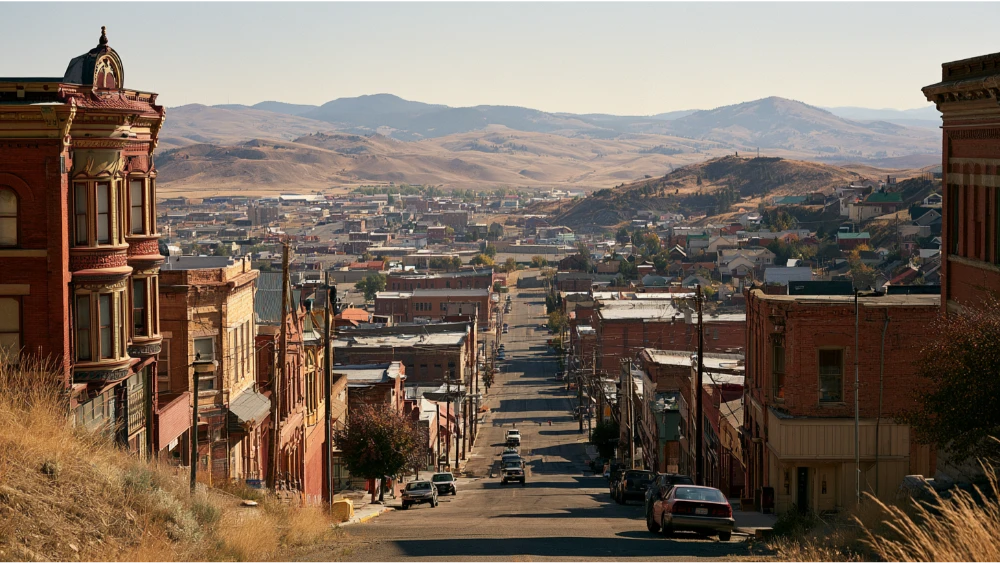
Butte’s housing numbers look low, and they genuinely are low relative to national figures and to Montana’s hotter markets. But most relocation pages quote one rent number without saying what it measures, which leads readers to budget wrong. Let’s fix that first.
Census rent vs. asking rent vs. HUD Fair Market Rent vs. your actual lease
Census median gross rent ($856, 2020–2024 estimate) is what existing renter households reported paying across that survey window, including utilities where the tenant pays them. It includes long-tenured renters on old leases. It is a backward-looking community snapshot, not a price tag.
Current asking rent is the forward-looking number: what landlords are advertising right now for vacant units. It is what you’ll actually compete against, and it moves with inventory. Pull it from live listings in the week you’re searching, not from an article.
HUD Fair Market Rent is an administrative benchmark used for housing programs, generally set around the 40th percentile of standard-quality rents in an area. It is not an average asking rent, and it is not a cap on what anyone can charge.
Your actual lease is the only number that matters in the end, and it depends on the unit’s size, condition, heating type, parking, and whether utilities are bundled.
HUD FY2026 Fair Market Rents for Silver Bow County
| Unit size | FY2026 Fair Market Rent |
|---|---|
| Studio | $1,028 |
| One bedroom | $1,149 |
| Two bedrooms | $1,414 |
| Three bedrooms | $1,967 |
| Four bedrooms | $2,180 |
Source: HUD FY2026 Fair Market Rent documentation (revised). Notice the gap between the $856 Census median and the $1,149 one-bedroom FMR. That gap is not a contradiction. It’s two different measurements of two different things. In other words, newer leases in Butte are priced well above what the long-tenured renter population has historically paid.
Practically, that means a household budgeting off the $856 figure is working from a false read on the market and will be unpleasantly surprised the first week of touring. Budget against current asking rents for the bedroom count your family actually needs, then treat anything cheaper as a win.
What buying looks like
Census 2020–2024 estimates put the median owner-occupied value at $257,800, with median monthly owner costs of $1,429 with a mortgage and $511 without. The owner-occupied rate is 70.7%, which is high. That matters for renters: a community where seven in ten units are owner-occupied has a smaller rental pool by definition, and the pool turns over slowly.
It also shapes what the rental stock looks like. A large share of rentals here are single-family houses, duplexes, and converted units in older buildings owned by small local landlords rather than large purpose-built complexes. That can be great. It also means the quality of your experience depends heavily on who manages the property and whether responsibilities are written down.
Is Butte actually affordable?
Affordable does not mean abundant. The Butte-Silver Bow Housing Strategic Plan finalized in 2023 found that more than half of local renters were paying over 30 percent of their income toward rent, the standard threshold for cost burden. The same plan documented stakeholder concerns about insufficient rental and for-sale availability, and about the condition of some of what was available. So the honest framing is this: Butte’s prices are low compared with national medians, but the supply is thin and a meaningful share of local renters are stretched. Plan your search around availability, not just price.
Budget line items movers forget
- Heating at elevation. A January mean near 20°F across a long season adds up. Ask for twelve months of utility history on any property, not a summer snapshot.
- Snow removal. Who shovels the walk and clears the drive? Get it in the lease in writing.
- Off-street parking. On steep Uptown blocks this is a quality-of-life item, not a luxury.
- Utility history on older homes. Original windows and thin insulation show up on the bill, not the listing photos.
- Vehicle winterizing. Tires, battery, fluids, emergency kit.
- Renters insurance. Inexpensive, often required, and the thing that saves you when a pipe lets go in February.
- Montana taxes. No statewide general sales tax, but Montana does impose income tax and property tax, and vehicle and lodging-related costs apply. Read the Montana Department of Revenue residency guidance directly and talk to a tax professional about your situation. We don’t give tax advice.
Before you commit to any market, run the numbers. Our Rent Calculator and Cost of Living Calculator let you compare what you’re paying now against what Butte would actually cost you, line by line.
Why Most People Rent First When Moving to Butte, Montana
For most people relocating from out of state, rent first and get through one full winter before you buy. That’s not a hedge. It’s the recommendation, and here’s the reasoning.
Butte is a city where the terrain changes the experience of living in it. An Uptown block with a 10 percent grade and street parking is a different daily life than a flat lot on the south end with a garage, and no listing photo communicates that in February. Renting buys you time to learn which streets get plowed first, how your heating bill actually lands at 5,538 feet, and whether your commute holds up on ice. It also buys you time to do environmental and property-condition homework on a purchase without a closing clock running. Almost nobody regrets renting for a year. Plenty of people regret buying a house they only ever toured in July.
The counterargument is real demand. Prices here are lower than much of Montana, and lower prices plus limited inventory means competitive conditions on the properties people want. If you wait a year, you’re waiting in a market that doesn’t have deep supply. That’s a genuine cost of renting first, and you should weigh it honestly.
| Rent first if… | Buy sooner if… |
|---|---|
| You’ve never lived at elevation or through a Montana winter | You’ve already worked a Butte winter and know what you’re signing up for |
| Your job is new, probationary, or might relocate you | Your employment is anchored and long-term |
| You haven’t decided between Uptown, the West Side, and the Flats | You’ve spent real time in the area you want and know the block |
| You haven’t pulled address-level EPA and inspection records yet | You’ve completed an address-level environmental and inspection review |
| You’re testing a Montana Tech program or a seasonal role | You have a down payment ready and a lender pre-approval in hand |
One thing worth knowing as you compare rentals anywhere: KT Rents is a full-service, broker-owned property management company operating nationwide, and the same discipline applies wherever your search lands. Tenant screening, a lease that spells out responsibilities, documented property inspections, and a real maintenance request process. Being broker-owned means licensing and accountability behind the signature, which is not something every independent landlord brings to the table.
If you’re an owner on the other side of that equation, the math is similar. A house that sits vacant through a Montana winter costs you heat, risk, and months of lost cash flow. Occupancy quality is the whole game, and it is why we report a 98% occupancy rate across the units we manage rather than bragging about a unit count.
Run both scenarios before you decide. Our Rent vs. Buy Calculator and Mortgage Calculator will show you the crossover point for your numbers.
Uptown Butte vs. the Flats: A Neighborhood and Area Guide
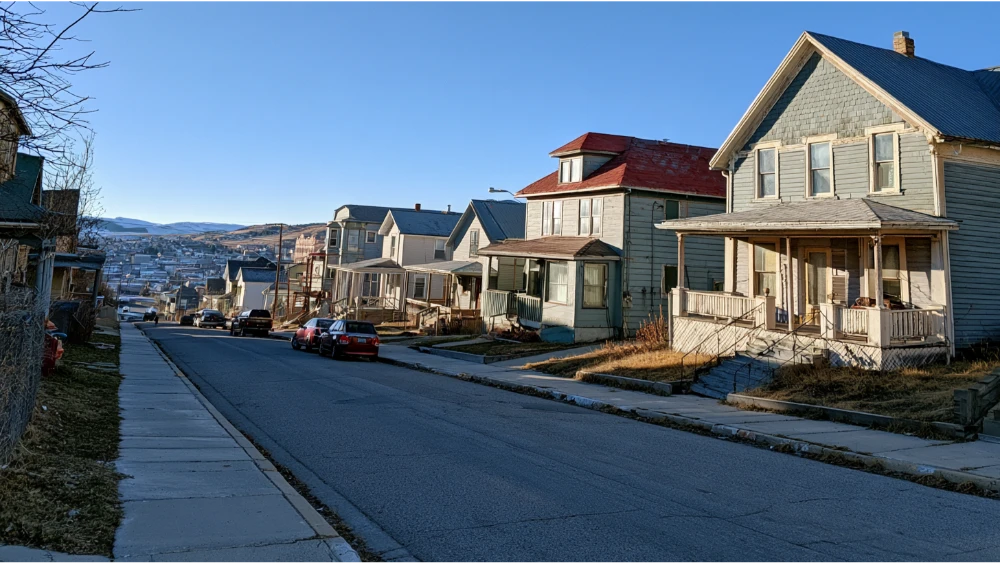
The single most useful mental map of Butte is vertical. Historic Uptown sits on the hill. The Flats spread out across the valley below, running south through the middle of town. Butte-Silver Bow’s own Finding Your Way Around Town page uses this split, and once you understand it, listings start making sense. Uptown is compact and walkable. The Flats are easier to drive.
What follows describes housing stock, terrain, parking, transit, and amenities. It does not describe who lives anywhere, and you shouldn’t let anyone tell you that either. Compare the property and the logistics.
Historic Uptown Butte
Dense historic building stock on a hillside grid. Victorian and early-twentieth-century architecture, much of it inside a National Historic Landmark District, with restaurants, shops, cultural sites, and most of the city’s event programming within walking distance. Revitalization work has brought new businesses into old buildings over the past decade, and Uptown is where you feel the city’s history most directly. The retail here skews toward mom-and-pop storefronts, coffee shops, and independent kitchens rather than chains, which is a feature for some residents and a limitation for others.
The practical notes: streets are steep and winding, which changes winter driving and walking. Off-street parking is less common than in the valley. Heating systems in older buildings vary widely in age and efficiency, so ask specifically what’s installed and when it was last serviced. Units in converted historic buildings can be wonderful or drafty depending entirely on how the renovation was done. Ask to see the unit on a cold morning if your timing allows it.
The West Side and the Montana Tech area
Residential blocks near Montana Technological University and St. James Hospital. Convenient if you work at either, and the Montana Tech campuses sit on the local transit route. The housing stock skews older here, which is not a knock, it’s a due-diligence instruction: look hard at insulation, heating systems, and foundations, and pull property-specific environmental records before you sign or close. Demand in this pocket runs on an academic rhythm, so inventory tends to move fast in midsummer as students and staff line up housing for fall.
The Flats
Flatter, newer on average, and more spread out. Easier vehicle access throughout. The Harrison Avenue corridor carries much of the city’s shopping and services, and the area sits closer to Bert Mooney Airport and Highlands College. Off-street parking and garages are more typical here, and that stops being a nice-to-have the first week the snow sticks. Walking distances between destinations are longer, so daily life leans on a vehicle more than it does Uptown. Families comparing the two sides of town often land here for the garage, the yard, and the shorter trip to groceries.
Hillcrest, Floral Park, South Butte, Walkerville and outlying areas
Treat these as areas to investigate rather than areas to assume. Housing descriptions and municipal boundaries shift, so verify current boundaries with Butte-Silver Bow before you make assumptions about services, taxes, or school assignment. One specific clarification: Walkerville is a separately incorporated town adjacent to Butte, served by the local Purple transit route, not a Butte subdivision. If a listing is in Walkerville, confirm which jurisdiction handles what.
Outside the urban area, properties on acreage come with their own checklist: well and septic condition, private road maintenance in winter, propane delivery, and how far the plow actually comes. A place that feels idyllic in September can be a different proposition in a February storm, and that is worth asking neighbors about directly.
How to compare any Butte address
| What to check | Why it matters here specifically |
|---|---|
| Terrain and grade | Steep blocks change winter driving, walking, and whether you need all-wheel drive |
| Typical housing age | Drives insulation, wiring, heating type, and inspection scope |
| Off-street parking | Snow removal and plow routes make street parking a seasonal problem |
| Snow-removal responsibility | Must be in writing in the lease, not assumed |
| Transit access | Fixed-route service is free but doesn’t run Sundays |
| Commute to employer or Montana Tech | Mean commute is 16.9 minutes, but grades and weather add time |
| School boundary | Confirm with Butte School District 1, not with a listing site |
| Grocery and healthcare distance | Harrison Avenue corridor concentrates a lot of services |
| EPA / RMAP program status | Address-level, and the program area expanded in 2026 (see below) |
Jobs and the Local Economy: Who’s Hiring in Butte, MT?
Silver Bow County recorded 1,474 covered establishments, 16,020 covered jobs, and an average weekly wage of $1,137 in March and Q1 2026, per the Bureau of Labor Statistics. The BLS labels those first-quarter 2026 figures preliminary, so treat them as a solid directional read rather than a final count.
The mining history is real, and modern mining still operates here, but the idea that Butte is a one-industry town is decades out of date. The Montana Department of Labor & Industry’s 2024 Silver Bow County profile, using 2023 data, identified healthcare as the largest of the listed local industries at roughly 2,910 jobs, followed by accommodation and food services, retail, educational services, and public administration. The same report listed mining and extraction as the highest-paying local industry in 2023, with an average annual wage around $106,310. That’s a dated industry average across all roles in the sector, not a salary you should expect to be offered.
Where the work sits:
- Healthcare. The largest listed sector. St. James Hospital anchors it, with clinics, specialty practices, and support services around it. Clinical staff, imaging, lab, and behavioral health roles turn over regularly.
- Government. Butte-Silver Bow is a consolidated city-county government and a significant employer, alongside state and federal positions including environmental and cleanup-related work.
- Education. Butte School District 1 plus Montana Technological University and Highlands College. Teaching, classified staff, and campus operations roles are posted through each entity’s own site.
- Skilled trades and construction. Older housing stock, ongoing remediation work, and infrastructure projects keep demand steady for licensed trades. If you hold an electrical, plumbing, or HVAC credential, you will not struggle to stay busy.
- Mining, natural resources, and engineering. Modern operations plus the technical and engineering services that grew up around them, reinforced by Montana Tech’s programs.
- Manufacturing and utilities. Smaller than the above but part of the base.
- Retail, hospitality, and tourism. Accommodation and food services ranked second among listed industries, supported by the festival calendar and visitor traffic.
No sector here is easy to walk into cold. Check current openings before you assume anything about your field. If your wife or husband needs work here too, map both careers before you commit. A city of this size has fewer parallel openings than a metro, and the second job search is the one that usually decides whether a move works.
Remote work from Butte
Census estimates show 86.6% of households had a broadband internet subscription during 2020–2024. That measures household adoption, not the speed or reliability at a specific address, which is a distinction that burns remote workers constantly. Before you sign anything:
- Verify service availability at the exact street address, not the ZIP code
- Confirm download and upload speeds, since video calls live on upload
- Ask about data caps
- Check cellular coverage at the property as a backup
- Ask about heating and electrical reliability, especially in older buildings
- Confirm your employer permits you to work from Montana
- Read the Montana Department of Revenue residency page on Montana-source income, and talk to a tax professional. Montana generally treats wages earned while physically working in the state as Montana-source income.
The growing remote-work population is part of why demand for well-maintained rentals has stayed firm here. If you can earn a coastal salary and pay Butte housing costs, the arithmetic is obvious. Just do the connectivity homework first, because a beautiful 1905 house with a weak upload speed is a career problem, not a charm problem.
For current openings, apprenticeships, and career-transition help, start with MontanaWorks and the Butte Job Service office.
Schools and Education in Butte: What Every Family Should Check First
Education is one of the city’s larger employment sectors and one of the first things relocating families research. Here’s where to look for real information instead of ranking-site noise.
Butte School District 1
The district’s official directory currently lists Butte High School, the Butte High Career Center, East Middle School, and Emerson, Hillcrest, Kennedy, Margaret Leary, West, and Whittier elementary schools. Montana’s May 2026 state school directory lists the elementaries as PK–6, East Middle School as grades 7–8, and Butte High School as grades 9–12.
Verify boundaries and enrollment before you sign
Confirm the assigned school for a specific address with the district directly. Not with a listing site, not with a relocation article, not with the previous tenant. Boundaries change, and a wrong assumption here is expensive to unwind after you’ve signed a twelve-month lease. Ask the district office about enrollment paperwork, immunization records, transportation eligibility, and transfer timelines in the same call, because you can usually get all those answers in one conversation.
Where to find real performance data
Use Montana’s official systems rather than third-party ranking scores and parent reviews alone. Montana GEMS publishes school and district data, and the Montana OPI ESSA report cards give you the state’s own accountability picture. Those sources let you form your own view instead of inheriting someone’s algorithm. A single letter grade on an aggregator tells you almost nothing about whether a building is right for your kid.
Beyond K–12
The Butte High Career Center supports career and technical education pathways, and dual-enrollment options exist for students who want college credit early. Montana Technological University enrolled 2,516 students in fall 2025, including 2,310 undergraduates and 206 graduate students across the main campus and Highlands College. Montana Tech’s engineering and technical programs are a large part of why the city has the professional base it does. Private and parochial school options exist in Butte as well, and you should verify current grade spans, admissions timelines, and tuition with each school directly.
For adults, Highlands College offers two-year and workforce programs that let residents retrain without leaving the city. That matters in a place where the trades and healthcare both hire steadily and where a credential can move your household income meaningfully in two years.
Family Life in Butte: Parks, Rec, and What Weekends Look Like
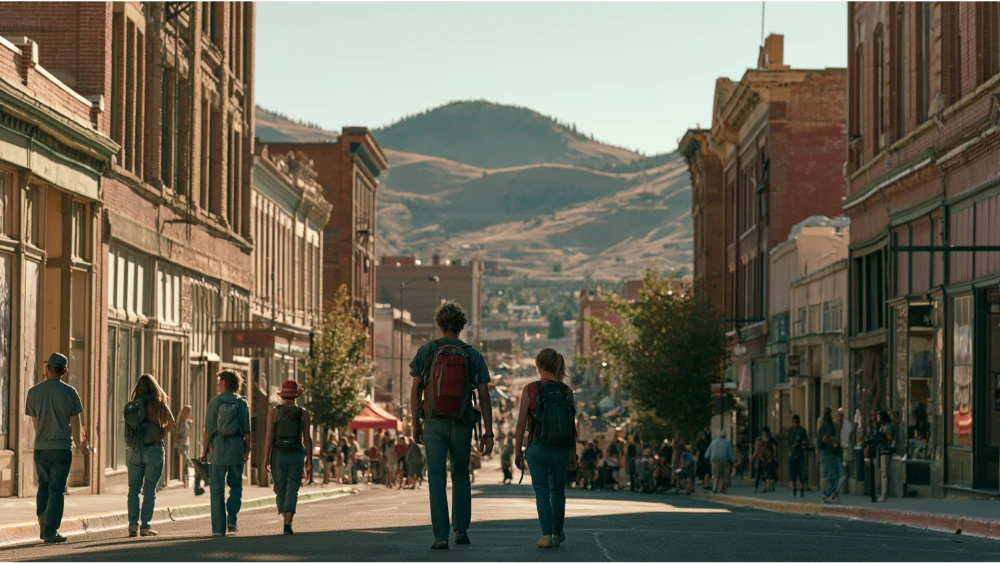
If you’re moving a family, the daily texture matters as much as the housing math. Butte’s scale works in your favor here. Practices, appointments, and school pickup all sit inside a fifteen-minute drive for most residents, which gives parents back hours that a larger metro quietly takes.
Stodden Park on the Flats is the city’s main recreation hub, with playground space, ballfields, and the Ridge Waters aquatic facility that turns into the center of local summer for kids. The Butte Civic Center hosts hockey, concerts, and community events through the cold months. The public library Uptown runs youth programming and is a free, warm, genuinely useful place to spend a Saturday morning in January. Youth hockey, basketball, baseball, and wrestling all have deep local followings, and the volunteer networks around them are one of the fastest ways newcomers make friends.
Childcare is the line item families should research before anything else. Like most of Montana, availability is limited and waitlists are common, so start calling providers as soon as your move date firms up rather than after you arrive. The Butte-Silver Bow Health Department and Montana’s childcare resource agencies can point you to licensed providers and any assistance programs you may qualify for.
One more thing that surprises people who moved here from larger cities: kids still ride bikes to each other’s houses. In a community of this size, with short blocks and short commutes, a lot of childhood looks the way it looked thirty years ago. Residents mention it constantly, and it is a real part of why families stay.
Hospitals and Healthcare: What’s Available in Butte?
Intermountain Health St. James Hospital is open 24 hours and provides emergency and trauma care. Its 2024 community report describes a 98-licensed-bed facility that serves as the only acute-care hospital in its seven-county southwest Montana service region, with more than 30 service lines. For a city of 35,469, having a regional acute-care hospital inside city limits is a genuine advantage over comparably sized Montana towns.
Eligible veterans can access the Charlie Dowd VA Clinic, which offers primary and specialty outpatient services. The Butte-Silver Bow Health Department handles public health, environmental health, family planning, and related community services, and it’s also a useful contact for environmental questions covered later in this guide.
If you or someone in your household manages an ongoing condition, do this before you move rather than after: call and confirm that the specific specialty you need is available locally, ask about referral patterns, and ask how long new-patient waits are running. Some specialty care in southwest Montana requires travel to larger markets, and knowing that in advance lets you plan around it instead of discovering it during a flare-up. Transferring records and establishing a primary care team in the first month saves you a lot of grief later.
Check your insurance network before you sign a lease, too. Plans written in another state sometimes treat Montana providers as out of network, and a family that moved mid-plan-year can get caught by that in the first month. Verify with the insurance company directly and get the answer in writing.
Getting Around Butte: Commutes, Free Buses, and Do You Need a Car?
Most people in Butte drive. But a car is not mandatory for every resident on a transit route, and the honest answer splits between Uptown and the Flats. Uptown’s density makes car-free living plausible if you work and shop within the hill grid. In the Flats, distances between destinations make a vehicle close to essential for most routines.
The commute is short either way. The mean commute was 16.9 minutes in the 2020–2024 Census estimate, which is well under national norms. Butte also sits near the junction of Interstate 15 and Interstate 90, making it a practical road hub for southwest Montana and an easy base for weekend drives.
Local transit is genuinely useful and genuinely free. Butte-Silver Bow’s fixed-route buses serve the urban area, Walkerville, and both Montana Tech campuses, and fixed-route and paratransit rides cost nothing. Currently listed hours are Monday through Friday 6:45 a.m. to 6:15 p.m. and Saturday 8:45 a.m. to 4:15 p.m., closed Sundays. Check Butte-Silver Bow Transit Services for current routes and hours before you plan a car-free life around them.
When a car is optional: you live and work along a fixed route, your hours fall inside the service window, your grocery store is on the line, and you don’t need to be anywhere on Sunday.
When a car is effectively required: evening shifts past 6:15 p.m., any Sunday obligation, trailhead access, hauling groceries in snow, medical appointments outside the route map, and regional travel.
Bert Mooney Airport currently advertises direct service to Salt Lake City and Denver. Air routes change frequently, so confirm current schedules with the airport before you factor flights into your decision. If you fly often for work, this is the item most likely to tip your calculation. Plenty of residents drive to a larger airport for better fares and connections, and that drive is part of the real cost of living here.
Walking and biking are a different proposition on each side of town. Uptown’s grades are a workout and an ice hazard in winter, but destinations are close together. The Flats are easy pedaling on level ground with longer distances to cover.
What Are Winters Like in Butte, Montana?
Butte sits at 5,538 feet near the Continental Divide. Using the NOAA 1991–2020 normals period at the Bert Mooney Airport station, the January mean runs around 20°F, the July mean around 64°F, and annual precipitation around 12 inches. That last number surprises people. Butte is dry for a mountain city. You are not moving to a place buried under feet of powder every week.
What you are moving to is a long cold season with wind, ice, and terrain. The snow that falls tends to stick around because it stays cold, and refreeze on steep Uptown streets is the thing that actually affects daily life. Raw snowfall totals matter less than traction and grade.
Summer is the payoff and it is short. July means near 64°F with cool nights make for comfortable evenings, and the long daylight stretches well past dinner. Residents pack the festival calendar, the trail network, and the lakes into about three months, then hunker down. Shoulder seasons are unpredictable. Snow in May is not unusual, and neither is a warm week in October.
Elevation deserves honesty too. If you’re coming from near sea level, give yourself a few weeks of feeling winded on stairs and a hike that used to be easy. Hydrate more than you think you need to. Most people adjust fine, but the first month is a real adjustment, not a myth.
Your Butte winter checklist
- Tires. Snow tires, or all-seasons with a proper severe-weather rating. On Uptown grades this is not optional equipment.
- Heating system inspection. Have it serviced before the cold arrives, and ask what fuel type it uses and how old the unit is. Skipping this to save a service call is a false economy.
- Pipe-freeze prevention. Older homes, crawl spaces, and exterior walls. Know where your shutoff is on day one.
- Snow removal in writing. Who clears the walk, the steps, and the drive? Put it in the lease. Verbal understandings evaporate in January, and words on paper are the only ones that hold.
- Parking and plow rules. Confirm street-plowing schedules and any seasonal parking restrictions for your block.
- Vehicle emergency kit. Blanket, water, shovel, jumper cables, traction aid, charged phone backup.
- Extra commute time. Build in a buffer for grades and ice. Sixteen minutes in September is not sixteen minutes in January.
This is where lease quality shows up. A good lease says who shovels, who services the furnace, who pays which utility, and exactly how a maintenance request gets submitted and tracked. That’s the kind of detail a full-service, broker-owned manager locks down before move-in, rather than negotiating in the middle of a cold snap.
The Berkeley Pit and the Superfund Cleanup: What Movers Actually Need to Know
You’ve heard about the Berkeley Pit. Here’s the grown-up version, without panic and without hand-waving.
Butte is part of the Silver Bow Creek / Butte Area Superfund complex, a large site with multiple operable units and cleanup work that has been running for decades, tied to more than a century of copper mining. The EPA maintains a current-status portal at epa.gov/butte with documents, maps, and program information. The cleanup is not a historical footnote and it is not a crisis. It is an active, funded, ongoing program that residents live alongside.
The most important recent development: on September 21, 2026, EPA finalized a Record of Decision amendment that lowered the residential soil-lead cleanup level from 1,200 ppm to 456 ppm. The amendment also expanded the Residential Metals Abatement Program area by roughly 3,627 acres, making more than 7,000 additional properties eligible for assessment and possible cleanup. EPA anticipates about 15 years of sampling, evaluation, and remediation work beginning in 2026.
Read that as a stricter standard and a wider safety net, which is good news for property owners and residents inside the expanded area. It also means the correct question is not “is Butte contaminated.” It’s “what does the record say about this address.”
What renters should ask
- Is this address inside the Residential Metals Abatement Program area?
- Has the property been sampled, and when?
- What were the results?
- Was any remediation performed, what kind, and in what year?
- What documentation and disclosure can the landlord provide in writing?
What buyers should investigate
- Address-level sampling and remediation records, obtained directly rather than summarized by a seller
- Soil and dust conditions, including bare yard areas and garden beds
- Drainage and how the yard is actually used (play areas, vegetable gardens, pets)
- Renovation and demolition precautions on older housing, where disturbing paint, soil, or dust requires care
- Direct consultation with EPA staff and the Butte-Silver Bow Health Department for property-specific guidance
The framing to carry into your search: conditions are property-specific. Do not assume every Butte address presents the same picture, and do not assume none of them do. If you’re wondering whether the Pit affects one particular house, the records will tell you more in ten minutes than any secondhand opinion will. Ask for them, read them, and ask a professional what they mean.
It’s also worth saying plainly that thousands of families live here, raise kids here, and garden here, with program staff available to answer questions about any given lot. Reactions to the Superfund label from people who have never visited tend to run hotter than the reactions of residents who have read their own property file. Get the file.
Things to Do in Butte: History, Festivals, Trails, and Good Hunting Country
Butte punches well above its size for things to do, largely because the history is physically present and the public land starts at the edge of town.
History and museums
The World Museum of Mining sits on the grounds of a former mine yard and includes a recreated turn-of-the-century town. Our Lady of the Rockies stands 3,500 feet above the city on the Continental Divide and is visible from most of the valley. The Mineral Museum at Montana Tech holds a substantial specimen collection. The Granite Mountain Memorial commemorates the 1917 mine disaster, the deadliest hardrock mining accident in American history, and it’s worth the drive for anyone who wants to understand what this city was built on. Uptown walking tours and the seasonal trolley cover the Landmark District architecture.
Festivals and community events
The Montana Folk Festival takes over Uptown with multiple stages and free admission. An Ri Ra Montana Irish Festival leans into the city’s Irish-American heritage, and St. Patrick’s Day in Butte draws people from across the state and is every bit as much fun as the reputation promises. The Butte-Silver Bow County Fair, local theater productions, concerts, and art walks fill out the calendar. Dates shift year to year, so check Visit Butte’s events listing for current schedules before you plan around anything.
Trails and outdoor access
Thompson Park, about nine miles south of town, offers 25 miles of non-motorized trails. The Continental Divide National Scenic Trail runs through the area. Closer in, Big Butte and Maud S Canyon give you quick-hit hikes without a drive, and the Copperway and BA&P trails connect parts of the city. The same network supports mountain biking in summer, snowshoeing and cross-country skiing in winter. Butte-Silver Bow’s trails and outdoor recreation page has current maps and conditions.
Day trips, lakes, and hot springs
The regional geography is a big part of what residents love about living in Butte, MT. Fairmont Hot Springs sits roughly twenty minutes west off Interstate 90, and soaking in hot springs while it snows is one of those experiences that converts skeptical newcomers quickly. Georgetown Lake, out past Anaconda, draws boaters and anglers in summer and ice fishers in winter. Delmoe Lake northeast of town and the Pipestone area east of the city round out the close-in options for camping and motorized recreation.
Farther out, Anaconda is about half an hour away, Helena sits roughly an hour north if you head up Interstate 15, Bozeman is about an hour and a half east on I-90, and Missoula is roughly two hours northwest. Yellowstone’s west entrance is a long but doable day drive. That road-hub position is a real quality-of-life asset: you can live in a city with modest retail and still reach bigger options on a Saturday without planning a vacation around it.
Hunting, fishing, and public land
Surrounding public lands support fishing, camping, and good hunting access, which is a significant part of why many residents live here and stay active year-round. Specifics change by season, species, and hunting district, so go to Montana Fish, Wildlife & Parks for current licensing requirements, season dates, district boundaries, and access rules rather than relying on anyone’s informal advice. If hunting or fishing is a major reason you’re considering Butte, spend an evening on the FWP site before you commit to the move. It’s a better use of time than any relocation articles, including this one.
Your Moving-to-Butte Checklist: Before You Sign and After You Arrive
Before you sign a lease or make an offer
- Check live rental inventory and current asking rents, not aggregator medians
- Tour the property in person, or by live video walkthrough if you’re out of state. Not a photo set.
- Ask for the heating type and twelve months of utility history
- Get snow-removal responsibility in writing
- Confirm off-street parking and any seasonal street restrictions
- Verify internet service at the exact address, including upload speed
- Confirm the assigned school with Butte School District 1 directly
- Pull EPA and Residential Metals Abatement Program records for the address
- Drive the commute twice: once at rush hour, once in bad weather if you can
- Read the maintenance-request process before you sign, not after something breaks
- Ask whether the unit is pet-friendly, and get the security deposit, pet fees, and any breed or weight limits in writing if you’re bringing animals
After you move
- Update your address with USPS, your bank, your employer, and your insurers
- Review Montana residency and income-tax requirements with the Montana Department of Revenue
- Complete driver license and vehicle registration tasks through the Montana MVD
- Enroll students and transfer records
- Establish primary care and transfer prescriptions
- Bookmark Butte-Silver Bow transit and winter road resources, and subscribe to local alert notifications for storms and plow updates
- Walk your block and find the nearest plow route, grocery, and urgent care
- Get a library card and pick one recurring thing to show up to, because that is how newcomers turn neighbors into friends
Here’s the standard we hold ourselves to on every property we manage: rent payment, maintenance requests, and inspection records all run through one owner and resident portal. One place, one process, a seamless experience instead of a scavenger hunt through email threads and text messages. When you’re evaluating any rental anywhere, ask how the manager handles those three things. The answer tells you most of what you need to know.
Who Butte Fits, and Who Should Keep Comparing
Strong fit. You want a commute under twenty minutes, trail and public-land access close enough to use on a weeknight, historic housing stock with real character, and housing costs that sit below many Montana markets. You can handle a long winter and you’re willing to do address-level homework before signing anything. Butte will give you more house and more life for the money than most places you’re comparing it to.
Possible fit after a trial rental. You’ve never lived at elevation. You’re testing a job offer or a Montana Tech program. You want to see Uptown and the Flats in February before you put money down. Rent for twelve months, drive the hill in ice, open a January heating bill, and then decide. Housing demand here is competitive despite the lower prices, so start watching inventory early even while you rent.
Keep comparing. You need frequent nonstop flights for work. You need broad specialty healthcare without driving to a larger market. You want large-metro retail and nightlife. Or you need a deep pool of newer rental inventory available on your timeline rather than the market’s. Butte will frustrate you on all four, and no amount of charm fixes a flight schedule.
Frequently Asked Questions
Is Butte, Montana a good place to live?
Yes, if you want housing costs below national norms, a 16.9-minute mean commute (2020–2024 Census), and trails within minutes of town. The city had 35,469 residents as of the July 1, 2025 Census estimate, with a job base led by healthcare, hospitality, retail, education, and public administration. Weigh that against long winters, a tight rental supply, and the address-level environmental records every mover here should review.
Is Butte a good place to raise a family?
Many families here would say yes, and the practical reasons are short drive times, affordable housing relative to much of Montana, a public school district with career and technical pathways, a regional hospital in town, and heavy local investment in youth sports. The honest counterweights are limited childcare availability, older housing that needs inspection, and specialty medical care that sometimes requires travel. Verify school assignment with Butte School District 1 for any specific address before you sign.
What are winters like in Butte, Montana?
Cold, long, and drier than people expect. Butte sits at 5,538 feet with a January mean near 20°F and roughly 12 inches of annual precipitation at the airport station (NOAA 1991–2020 normals). Ice and steep Uptown grades affect daily life more than snowfall totals do. Plan on proper tires, a serviced heating system, pipe-freeze prevention, a written snow-removal clause, and extra commute time.
What is the downfall of living in Montana?
Distance. You’re far from major metros, flight options are limited, some specialty healthcare requires travel, and winter runs long. Housing is the other honest issue: the 2023 Butte-Silver Bow Housing Strategic Plan found more than half of local renters paid over 30 percent of income toward rent, alongside availability and condition concerns. And while Montana has no statewide general sales tax, it is not tax-free. Income and property taxes apply.
How far is Butte from other Montana cities?
Anaconda is about half an hour west, Helena roughly an hour north on Interstate 15, Bozeman about an hour and a half east on Interstate 90, and Missoula around two hours northwest. That junction position makes Butte a practical base for southwest Montana, and it’s one reason residents tolerate a thinner local retail selection.
Should I rent or buy when I first move to Butte?
For most people moving from out of state, rent through one full winter first. It lets you test the Uptown-versus-Flats commute, see how your heating bill lands at elevation, and pull environmental and inspection records without a closing deadline. Buy sooner if you’ve already lived a Butte winter, your job is anchored, and you’ve completed an address-level review. Run both scenarios through our Rent vs. Buy Calculator.
Start Your Butte Search With KT Rents
If you’re renting: browse current rental listings nationwide and search current availability in and around Butte. Before you commit to any market, run your numbers through our Rent Calculator, Rent vs. Buy Calculator, Mortgage Calculator, and Cost of Living Calculator. Comparing Butte against where you live now takes about ten minutes and saves you from budgeting off a stale aggregator number. Browse Rental Properties Near You. Search Now.
If you own property: KT Rents has been a full-service, broker-owned property management company since 2009, handling tenant placement, tenant screening, rent collection, property maintenance, rental permits, 1099s, city ordinance compliance, property inspections, and court evictions without the owner lifting a finger. As of March 2025 we managed 683 units; as of January 2025 we operated across 34 states with $187M in assets under management, and we report a 98% occupancy rate. Sixteen-plus years in, we still measure ourselves on keeping units occupied with good residents, not on how many doors we can claim. As we put it ourselves, it costs about the equivalence of a cup of coffee and a donut per day. Worth it for no more headaches.
GET STARTED WITH US TODAY. Call (800) 716-4950, text (608) 207-0657, or email info@ktrents.com. Our team responds to form submissions within 24 hours. Your Rental. Your Way.