

Livingston, Montana
Homes for rent and for sale — search the map or open the full city SEO catch-all page.
Livingston, Montana
Moving to Livingston, Montana means settling in a historic Yellowstone River city of roughly 9,290 residents, about 25 miles east of Bozeman, with strong outdoor access and a genuine arts community. Median home values run around $392,400 in Census data, but current 2026 asking prices run materially higher. Housing inventory is tight, wind is relentless, and the job market skews heavily toward seasonal tourism and food service, so confirm income before you commit.
Moving to Livingston, Montana
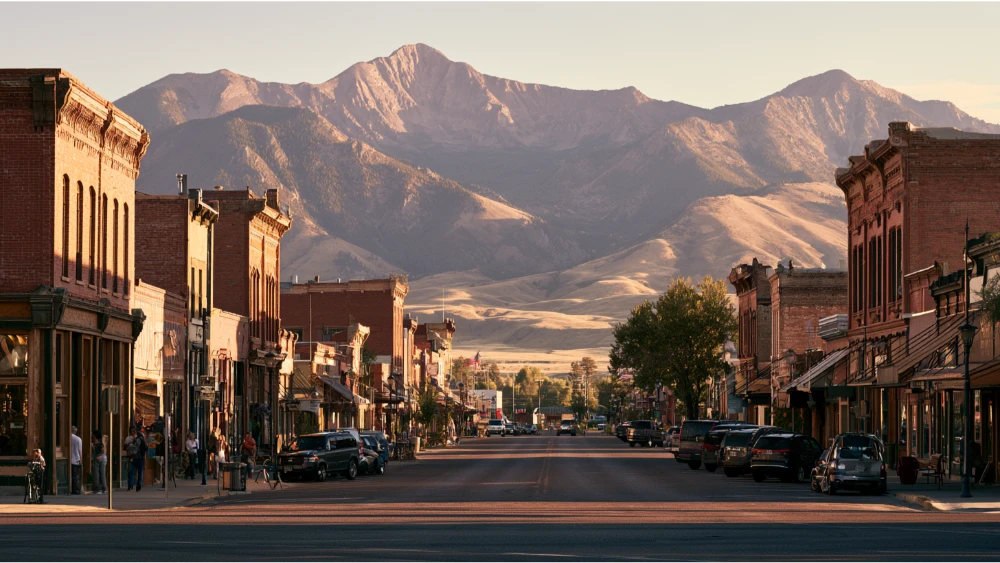
Livingston is a small Yellowstone River city of roughly 9,290 residents (Census estimate, July 1, 2025), about 25 miles east of Bozeman and 55 miles north of Yellowstone’s northern gateway. You get a historic downtown, serious outdoor access, and a landscape that shows off in every direction, along with three honest tradeoffs: tight housing, relentless wind, and a tourism-heavy job market. If you’re deciding whether to rent or buy here from out of state, this guide has you covered on costs, jobs, schools, healthcare, weather, safety, and what to check before you sign. Keep two things straight as you read: Livingston city proper is not Paradise Valley or unincorporated Park County (different services, different utilities), and Census median rent and median home values are multi-year averages, not today’s asking prices.
Livingston Montana at a Glance
- Population: ~9,290 (2025 Census estimate); 8,040 in the 2020 decennial count. Older third-party counts still circulate online, so use the Census figure.
- City area: 5.64 square miles, 4,276 households, 59.9% owner-occupied (2020–2024 ACS)
- Distances: ~25 miles to Bozeman, ~35 miles to the nearest commercial airport, ~55 miles to Yellowstone’s north gateway
Livingston grew up as a Northern Pacific railroad stop on the river, and the restored 1902 depot still anchors downtown as the Livingston Depot Center.
What Moving to Livingston Montana Costs: Housing, Median Home Prices, and Cost of Living
Here’s where most relocation articles mislead you. The Census reports a median home value (owner-occupied) of $392,400 and median gross rent of $1,046 for 2020–2024, with median household income at $65,861. Those are multi-year averages, not what you’ll pay in 2026. Current listings and market estimates for median home prices run materially higher, and the gap is wide enough that you have to verify live listings before you budget anything.
Other line items that move your real number:
- Base rent versus utilities. Ask who pays what, in writing.
- City water and sewer inside the limits versus well and septic outside them.
- Winter heating, which depends heavily on insulation and heat source.
- Montana has no statewide general sales tax, which pulls some everyday categories below the national average, but property tax levies vary. Use the Park County Treasurer’s bill lookup.
Run your side-by-side with our Cost of Living Calculator and Rent Calculator before you commit.
Jobs, Remote Work, and Commuting from Livingston to Bozeman
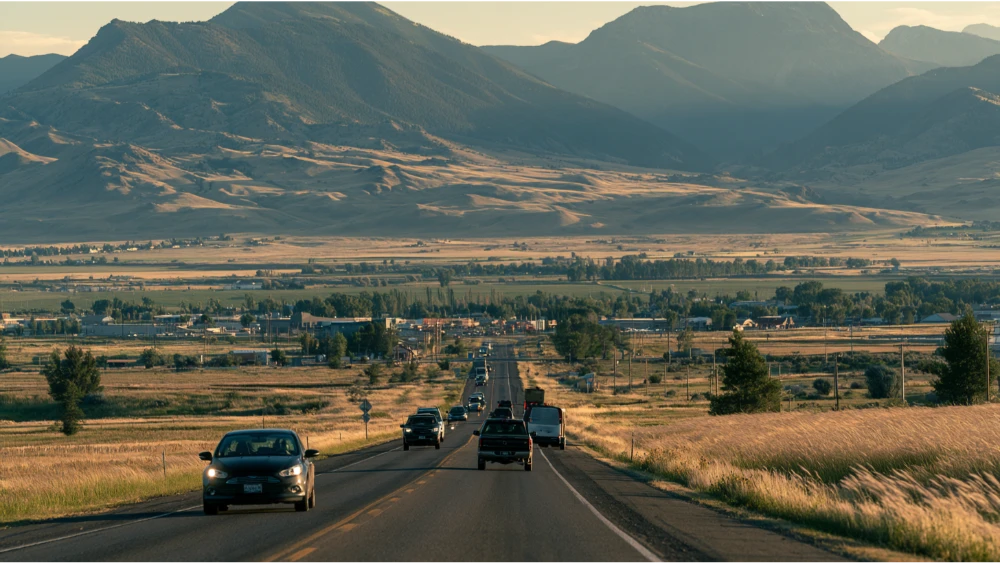
Park County’s 2023 unemployment was 2.9%, and the county added 1,603 jobs between 2020 and 2023. Top sectors by employment: accommodation and food services (1,710), retail (870), healthcare (820), construction (560), education (420). Food, accommodation, and recreation make up 28% of county jobs, so the local economy is less diverse than newcomers expect and income can gap hard between seasons. County average annual wage was around $51,800 in 2023, below the state average. Low unemployment does not mean plentiful high-wage work or job security, so line up income before moving. About 15.7% of county workers worked from home (2022 ACS basis), and the mean commute is 25.5 minutes. If you’re driving the 25 miles over Bozeman Pass, know that wind and winter change your drive time. A weekday Livingston–Bozeman commuter service exists; check the current schedule.
Schools, Healthcare, and Senior Living in Livingston
Livingston Public Schools
Pre-K through grade 2 is covered at B.A. Winans (267 students), with East Side handling grades 3–5 (249), Sleeping Giant Middle grades 6–8 (261), and Park High grades 9–12 (420), per 2024–25 NCES enrollment. Registration requires a birth certificate, immunization records, and guardianship paperwork where applicable. Pre-K seats are limited. Verify boundaries and current report cards through the district and Montana state sources rather than third-party letter grades. Higher education is accessible in Bozeman.
Hospitals and Care for Families and Seniors
Livingston HealthCare runs a 25-bed critical-access hospital with an emergency department staffed 24 hours a day, 365 days a year, and a Level 4 Community Trauma Facility designation from the state. Services include family medicine, surgery, imaging, rehabilitation, urgent care, home health, and hospice. Seniors make up over 20% of residents, and four senior living communities operate locally, so Livingston works for plenty of people spending their golden years near family. If you or a family member has recurring specialist needs, confirm provider availability and travel distance (often Bozeman) before signing anything.
Things to Do: Trails, the Yellowstone River, Arts, and Downtown Life
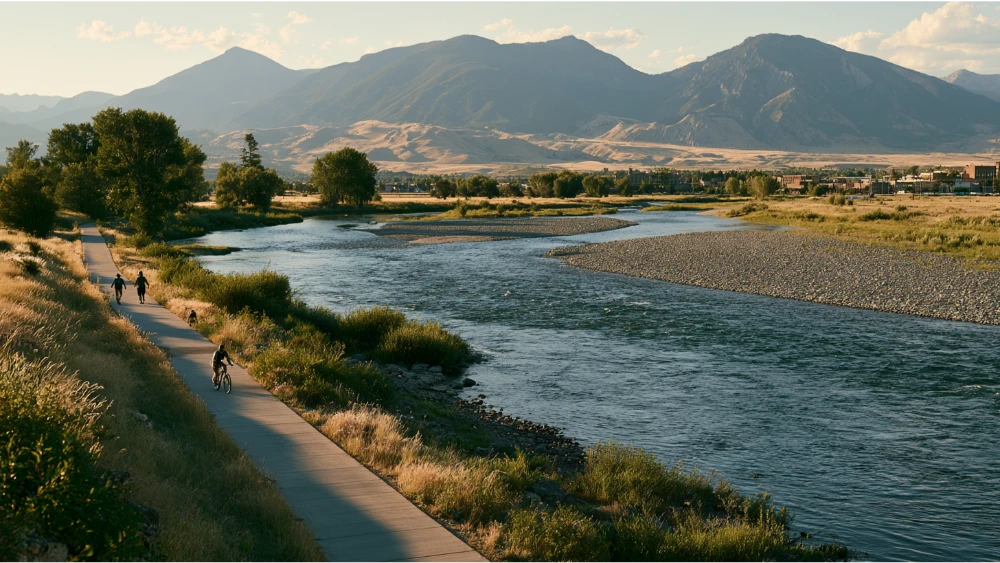
In town, you’ve got the 4.5-mile Highway 89 South path, the one-mile Myers’ River View Trail, and the three-quarter-mile Yellowstone River Levee Trail, all free to enjoy year round. The Yellowstone Gateway Museum covers Indigenous history, the railroad, ranching, and rodeo. The Depot Center hosts exhibits and community events. City recreation runs adult sports, pickleball, skating, and a variety of seasonal programs that draw everyone from grade-schoolers to seniors. Beyond the city line, recreational activities stack up fast: fishing access sites, Forest Service hiking trails you can explore all summer, nearby skiing, and hot springs. The arts community here is genuine and pulls in creative professionals. For big-box and specialty shopping, you’ll drive to Bozeman.
Weather, Wind, and Safety: What Catches New Residents Off Guard
NOAA’s 1991–2020 normals: January averages 37.4°F / 18.8°F, July 85.7°F / 50.2°F, annual mean 45.5°F, with 14.55 inches of precipitation, well under the national average. Expect roughly 161.7 nights at or below freezing and 13.2 at or below zero. Wind is a logistics problem, not trivia. Montana DOT warns of strong crosswinds on I-90 near Livingston that sometimes create a six-mile detour through town. Third-party datasets report low violent and property crime rates, but a town this size swings hard on small incident counts, so check the FBI Crime Data Explorer for a real sense of local safety. What surprises people: the wind, thin rental inventory, tourism seasonality, winter commuting, traveling for specialists, and flood and wildfire-smoke research they skipped.
Livingston Neighborhoods and Other Parts of Park County
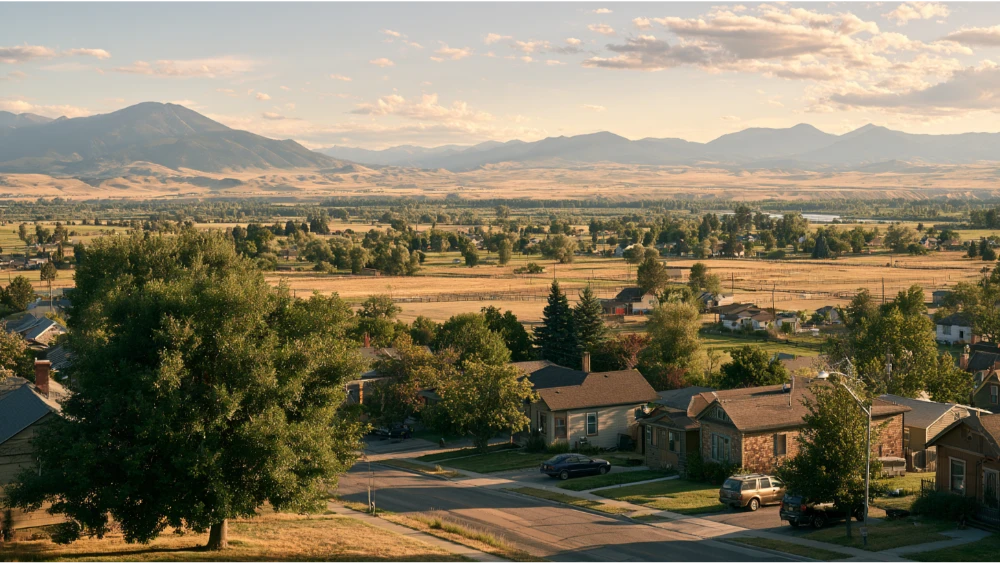
Downtown and the historic core are mixed-use, with older building stock and the best walkability in Livingston. The Westside historic area holds similar vintage housing. North of the railroad tracks you’ll find quieter residential streets with trail access, plus crossings and undersized stormwater lines that cause localized street flooding. Other in-town areas sit near schools, parks, and the hospital, which keeps daily amenities close for residents who’d rather walk than drive. If you’re seeking more room, Paradise Valley and unincorporated Park County are rural and peaceful, outside city services, typically on well and septic with private road maintenance. That’s not a Livingston neighborhood, and daily life there runs differently.
- Confirm your income or job offer first, then visit in winter and summer.
- Drive the Bozeman commute at rush hour.
- Verify school boundaries and specialist care travel distance.
- Check FEMA flood designation, channel migration, and insurance quotes at the exact address.
- Test internet and cell service on site, and read who pays which utility in the lease.
KT Rents is a broker-owned, full-service property management company operating nationwide across the U.S. since 2009, with 683 units across 34 states and $187M in assets under management as of early 2025, and a reported 98% occupancy rate. Renters: browse our national listing marketplace and run the Rent vs. Buy Calculator. Owners buying in a new market: full service means tenant placement, tenant screening, rent collection, property maintenance, rental permits, 1099s, property inspections, and court evictions. Call (800) 716-4950 or text (608) 207-0657.
Frequently Asked Questions
Is Livingston, Montana a good place to live?
It’s ideal if you want river and trail access, an arts-driven downtown, and a tight-knit community with a real sense of place, and you can absorb tight housing and steady wind. It’s a harder fit if you need specialized services or a deep high-wage job market close to home.
What is the downfall of living in Montana?
Housing costs that have outpaced local wages, long drives to specialized services, hard winters, and seasonal tourism income. No statewide general sales tax offsets some of that, but not all of it.
What are winters like in Livingston, Montana?
January normals run 37.4°F / 18.8°F, with roughly 162 nights at or below freezing. Budget for vehicle winterization and higher heating bills, and plan around crosswinds on I-90.
What is the nicest town to live in Montana?
It depends entirely on your priorities. Compare Livingston against Bozeman, Helena, and other Montana towns on housing cost, commute, healthcare access, community feel, and job mix before you make the choice. Our Cost of Living Calculator makes that comparison apples-to-apples.