

Columbus, Ohio
Homes for rent and for sale — search the map or open the full city SEO catch-all page.
Columbus, Ohio
Moving to Columbus, Ohio
Columbus can be a practical move if you want a growing Midwestern city with a broad job market and a cost of living roughly 10% below the national average. But your real experience depends on the exact address, because schools, taxes, housing costs, and commute times vary block by block. This guide is for renters, buyers, families, and remote professionals weighing the move. Columbus is not one housing market or one lifestyle. The right move starts with the exact address.
Quick facts (dated): The Columbus city population was 938,396 as of July 2025 (Census), making it the 14th largest city in the U.S. Median gross rent was $1,295 and the mean commute 21.5 minutes (2020-2024 Census). Those are city figures. Jobs and wages below are metro figures. At KT Rents, a nationwide, broker-owned rental company and platform, we help you compare the full picture before you sign.
Is Columbus a Good Place to Live?
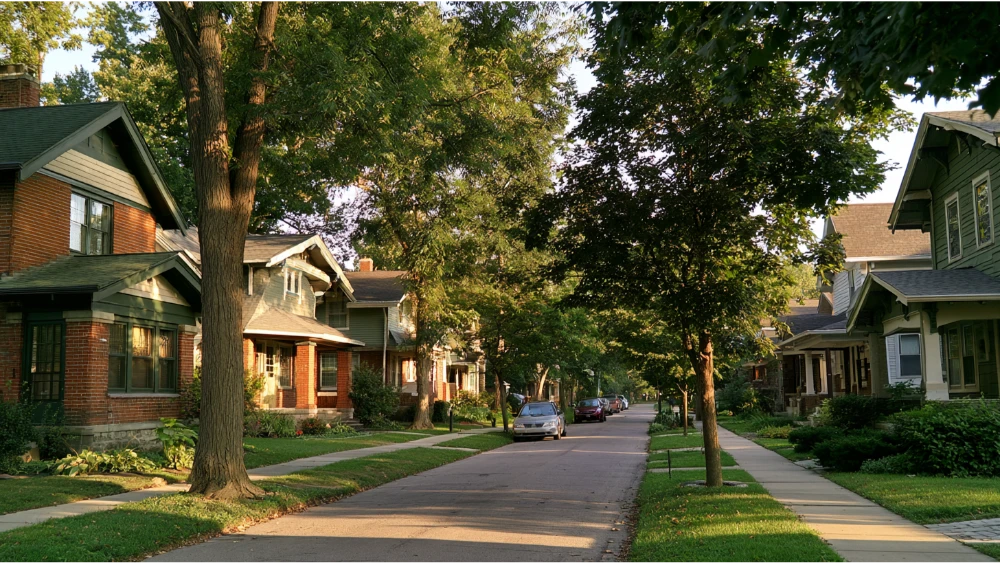
For a lot of people, yes. Job seekers, remote workers, and families who want a larger metro without a coastal price tag tend to appreciate it. The economy is diverse, anchored by healthcare, education, technology, and finance, and Ohio State gives the city a strong collegiate pulse. The honest tradeoffs: real four-season weather with cold, snowy winters, a layout that’s car-oriented in many areas, and wide variation between neighborhoods. Columbus mixes dense urban districts with suburban communities, so what counts as an amazing city really depends on which part of the region you land in and how you live day to day. For many newcomers, moving to Columbus Ohio starts a chapter that mixes affordable cost with real culture.
Cost of Living in Columbus Compared to the National Average
Housing is the biggest lever. The median owner-occupied home value was $252,900 (2020-2024 Census), while more recent market data puts the median home value near $280,571 and the median sale price around $301,000 (May 2026). Home prices run roughly 25% below the national median. Median household income was $66,082. Housing costs here sit well under coastal markets, which is a big reason the city keeps growing.
- Housing: Median gross rent $1,295 (2020-2024 Census, not current asking rent). HUD’s FY2026 Fair Market Rent, a federal benchmark, lists a 1BR at $1,194 and a 2BR at $1,430.
- Groceries: about 1% higher than the national average.
- Transportation: about 8% lower than the national average.
- Health care: about 19% lower.
- Taxes: Columbus has a 2.5% municipal income tax; Franklin County’s combined sales tax was 8.0% in 2026. Verify both by exact address, since Columbus crosses county and municipal lines.
Build a personal monthly budget instead of trusting a generic index. When you compare living compared to other cities around the country, Columbus tends to win on value. Our Cost of Living Calculator and Rent Calculator make that easy.
Should You Rent or Buy When Moving to Columbus?
It comes down to how long you plan to stay, how much cash you have upfront, and how much maintenance you want to handle. The market moves fast: homes have gone pending in about six days, so buyers need financing and criteria ready before they look. The owner-occupied rate is 44.1%, which leaves a healthy rental supply. If you’re relocating and still learning the city, short-term or long-term leasing keeps you flexible, and condos are a middle path. Run the numbers with our Rent vs. Buy Calculator and Mortgage Calculator first.
Exploring the City’s Neighborhoods and Nearby Communities
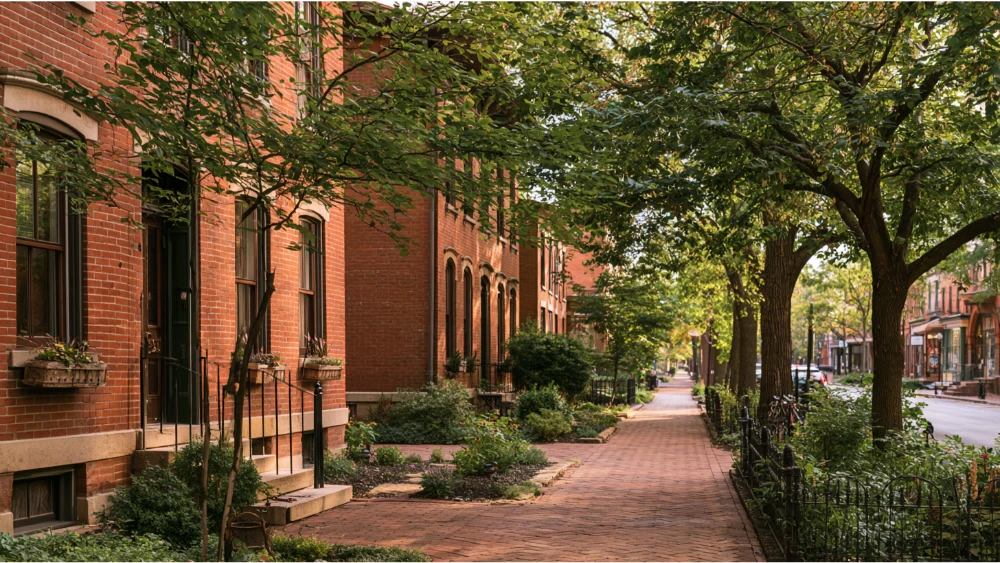
The city’s neighborhoods have distinct personalities, from historic brick streets to busy arts corridors. Here’s a quick way to explore the city by experience:
- Downtown and Arena District: downtown Columbus is where you’ll find employment, theaters, pro sports, and major events. High-rise and loft housing, limited free parking, strong public transportation access.
- Short North: galleries, restaurants, and nightlife, including the monthly Gallery Hop. Condos and apartments, walkable, metered parking.
- German Village and Brewery District: brick homes, walkable local businesses, and street parking, with Schiller Park anchoring the greenspace at its center.
- Victorian Village: leafy streets around Goodale Park, home to annual festivals that draw crowds each year, with much within walking distance.
- University District: campus access and big game-day energy along High Street. Older rentals, limited parking.
- Clintonville: early-1900s homes and ravine parks, mostly single-family, car-friendly.
- Upper Arlington, Dublin/Bridge Park, Grandview, Easton, Polaris: suburban-style housing on the northwest side and beyond, newer development, shopping and offices. Dublin’s Bridge Park is a walkable riverfront community hub; Upper Arlington sits about 10 minutes west of downtown.
Whichever you like, verify the rent, assigned school, and tax jurisdiction for that specific property.
A Strong Job Market and the Region’s Major Employers
The employment base is broad, with government, education, healthcare, finance, insurance, logistics, technology, and retail all offering job opportunities. Columbus is home to 18 Fortune 1000 headquarters. JPMorgan Chase employs nearly 20,000 locally, Ohio State University employs over 47,000, and Nationwide Insurance and American Electric Power keep thousands of employees rooted downtown. Intel’s $28 billion investment has drawn attention to the region, though announced projects aren’t guaranteed jobs. These major employers give the city a resilient base compared with regions that lean on a single industry. The mean metro wage was $32.34 per hour (May 2025). Metro unemployment was a preliminary 3.3% in August 2026 (verify before relying on it). For remote work, check your internet provider, home workspace, neighborhood noise, parking, and airport access.
Schools, Ohio State University, and Higher Education
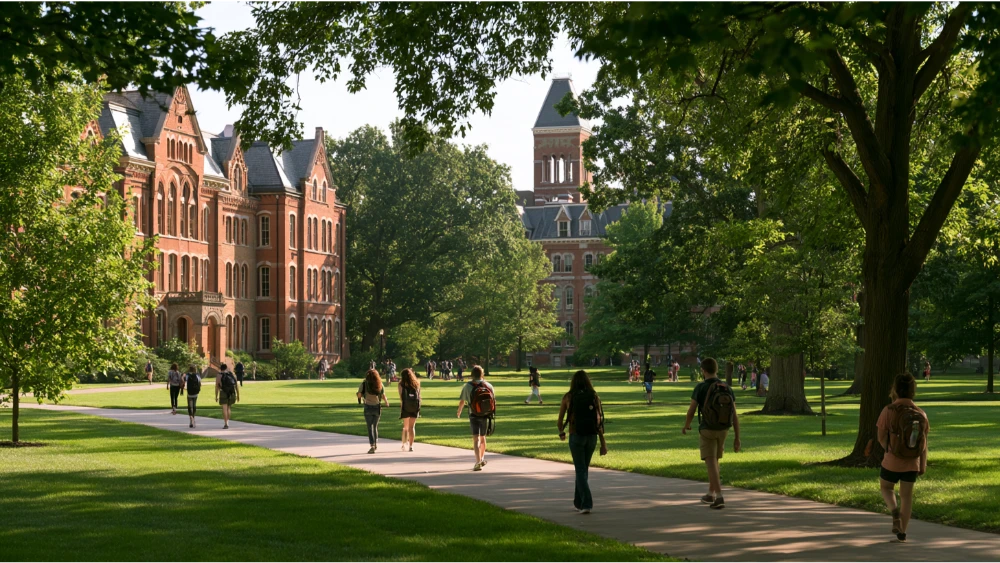
A Columbus mailing address does not automatically set the school district. Columbus City Schools reports 109 schools, but boundaries and feeder patterns change, so look up the assigned building by exact street address using Ohio’s address-based tools and the district’s School Assignment Finder. Treat Ohio’s official report cards as one input among several, and visit schools in person to judge quality for your family. Kindergarten age cutoffs are date-sensitive, so confirm enrollment timing and required documents. Higher education runs deep here: Ohio State enrolled a record 67,255 students in 2025, and the area has 57 college, university, and technical campuses, including Capital University and the Columbus College of Art & Design.
Getting Around: Transportation and Public Transit
Do you need a car? Usually, depending on your home-to-work pairing. Downtown, Short North, the University District, and High Street corridors support more walking and public transportation. Many cross-city and suburban commutes are easier by car, which can be the biggest transportation challenge for new arrivals. COTA runs primarily bus service with a standard fixed-route fare of $2. The mean commute is 21.5 minutes, and highway traffic is generally milder than in larger metros. Test your actual commute at morning and evening rush, plan for winter driving and event-day congestion, and check the airport’s nonstop-flight tool for current routes. A road trip south or north to Lake Erie makes for an easy weekend escape.
Food, Arts, Sports, Parks, and Entertainment
Columbus offers a strong food scene across global food halls, independent restaurants, breweries, markets, and neighborhood dining corridors. Culture and entertainment run through museums, theaters, galleries, and live music, and sports fans have the Columbus Blue Jackets plus Ohio State athletics. Outdoors, the Metro Parks system reached 21 parks after an April 2026 opening, with the Scioto Mile riverfront, trails, and dog parks adding to daily living. Expect four real seasons: NOAA normals show January around 37/22°F, July around 85/65°F, about 41.57 inches of precipitation, and 28.2 inches of snow a year. Plan for winter driving and humid, stormy summers.
Your Moving to Columbus Ohio Checklist and Finding a Rental
Before signing:
- Confirm the full monthly cost, not just base rent.
- Verify school and tax jurisdiction by exact address.
- Test the real commute at rush hour.
- Check the official crime map near the property.
- Confirm utility responsibility, parking, and pet rules.
- Complete a move-in inspection and learn the maintenance-request process.
After moving:
- Set up utilities and renter’s insurance.
- Transfer your license, title, and registration within 30 days.
- Enroll students and update your addresses.
- Set up online rent payment.
Ohio also requires landlords to return a security deposit with an itemized list within 30 days (informational, not legal advice). Finding a good company to handle tenant placement, rent collection, and property inspections takes a lot of the stress out of the move. KT Rents has delivered full-service, broker-owned management services since 2009 with a stated 98% occupancy rate, and Se Habla Español. Browse Columbus rentals, submit a rental application, or call (800) 716-4950.
Frequently Asked Questions
Is Columbus, Ohio a good city to move to?
For many people relocating for jobs, a larger metro, and a lower cost of living, yes. Tie your answer to your budget, commute, and the specific address you’re considering.
What salary is needed to live comfortably in Columbus?
There’s no single magic number. It depends on household size, housing choice, and your full monthly cost. Median household income here is $66,082; run your own numbers with the Cost of Living Calculator.
What is the downfall of living in Ohio?
Real four-season winters with snow and ice, car-oriented commuting in many areas, and the need for address-level due diligence before you sign.
Is it better to rent or buy when moving to Columbus?
It depends on how long you plan to stay, your upfront cash, and a fast market where homes go pending quickly. Check the Rent vs. Buy and Mortgage Calculators first.