

Hoboken, New Jersey
Homes for rent and for sale — search the map or open the full city SEO catch-all page.
Hoboken, New Jersey
Moving to Hoboken, New Jersey puts you in a walkable, 1.25-square-mile city of 59,027 residents with 24/7 PATH access and a scheduled 16-minute train ride to Midtown Manhattan. Median gross rent runs $2,938, but new leases for a one-bedroom average around $3,782. Flood exposure, rent-control status, and your exact block matter more than city-wide averages.
Moving to Hoboken, New Jersey

Moving to Hoboken, New Jersey makes sense if you want dense, walkable, transit-first living with fast Manhattan access and can absorb high housing costs. The catch most guides skip: in a city this small, the right call depends on the exact apartment and block, not the city average. This guide covers cost, commute, neighborhoods, jobs, schools, hospitals, parking, and moving-day logistics.
Two terms to keep straight. Median gross rent is what existing tenants pay, including some utilities. Asking rent is what a new lease costs today, and it runs higher. In a 1.25-square-mile city, building age, flood history, and the walk to your train matter more than the neighborhood label on a listing.
Hoboken at a Glance: What Living in the Mile Square City Actually Looks Like
The “Mile Square City” nickname is approximate, not literal. Here’s the shape of the place, every figure dated:
- Population: 59,027 (U.S. Census estimate, July 1, 2025)
- Land area: 1.25 square miles
- Density: 48,335 residents per square mile (2020)
- Households: 28,088 (2020–2024 Census period)
- Owner-occupied housing: 33.8% (2020–2024)
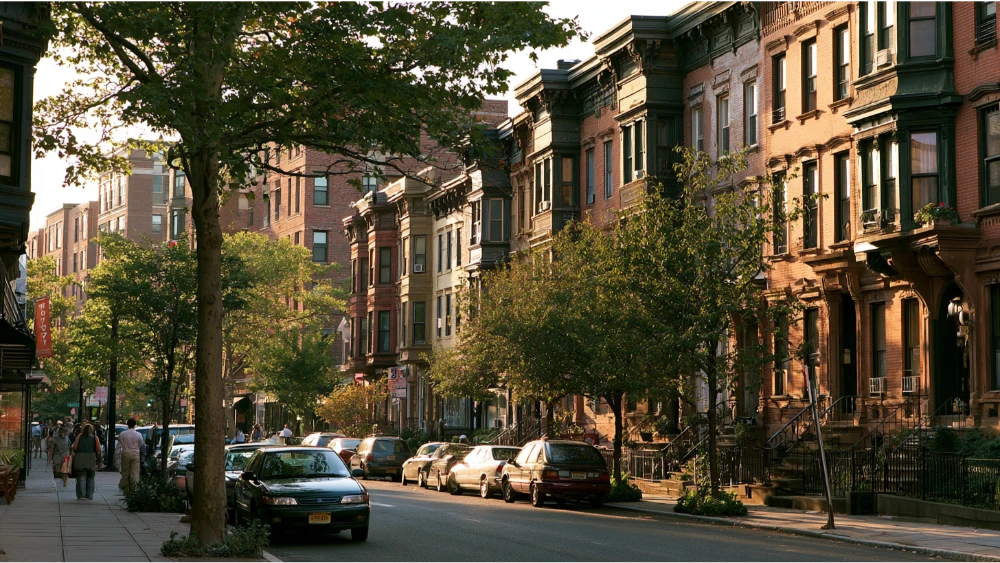
Two-thirds of occupied homes are rentals, which makes Hoboken a renter-majority city. Housing runs from 19th-century brownstones and four-story walk-ups to mid-rise elevator buildings and waterfront luxury apartment buildings. Lease terms and management quality carry more weight here than in a market full of owner-occupants. The advantage is the kind of density where most daily life happens on foot, and plenty of residents never own a car.
What It Costs: Studios, One Bedroom, and Family-Size Apartments
Census baseline: median gross rent was $2,938 and the median value of owner-occupied homes was $895,100 for the 2020–2024 period. The current listing market runs higher and moves constantly.
| Unit type | Typical asking rent | Notes |
|---|---|---|
| Studio | Around $3,100 | Verify the day you search; inventory turns fast |
| One bedroom | Around $3,782 | Waterfront and luxury elevator buildings sit at the top |
| Three bedroom | $6,300+ | Limited supply; families move fast on these |
Those asking rents come from a national listings source and are a snapshot. Recheck them the week you search.
Your real monthly number is rent plus utilities, internet, parking, PATH fares, and renters insurance. That’s where the money leaks. A fourth-floor walk-up with no laundry and a newer luxury building with a package room can list at nearly the same rent and cost very different amounts to live in once you add a garage space and a laundromat habit. Hoboken is expensive, and people arriving from Manhattan, Brooklyn, or Queens say the same thing: the rent looks like a win until the extras land.
Run the math before you fall in love with a floor plan. Our Rent Calculator and Cost of Living Calculator at ktrents.com give you an honest ceiling in minutes, and the Rent vs. Buy Calculator makes the long-term comparison easier.
How Long Is the Commute from Hoboken to Manhattan and the Rest of NYC?
The train ride is short. Your door-to-door is longer. Scheduled PATH service between Hoboken and 33rd Street runs about 16 minutes, and the downtown trip to the World Trade Center is quicker. But the Census reports a mean travel time to work of 36.8 minutes for Hoboken workers (2020–2024), covering every job and mode.
Thanks to Hoboken Terminal, the region is accessible from one building: PATH running 24/7, NJ Transit commuter rail, the Hudson-Bergen Light Rail, buses including Route 126 to the Port Authority Bus Terminal, and ferries to Manhattan. The Lincoln and Holland Tunnels are close if you’re driving.
Details for new PATH users: the single-ride fare is $3.25 as of May 3, 2026, and TAPP contactless payment replaced SmartLink and MetroCard acceptance after August 31, 2026. On weekends between 10 a.m. and 9 p.m., Hoboken to 33rd Street runs roughly every 10 minutes and Hoboken to WTC every 20.
Ride your actual commute at your actual hour, from the building’s front door. A ten-minute walk to the train isn’t bad in May and feels different in February. Check current PATH and NJ Transit advisories too, because detours and service changes are a regular fact of life here.
Hoboken Waterfront Neighborhoods and Micro-Areas: Picking Your Block
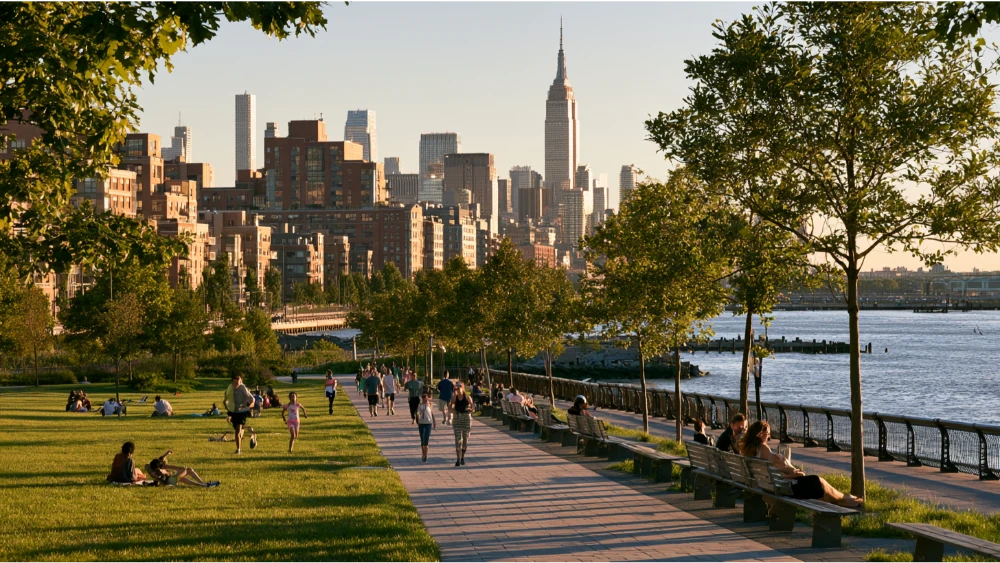
Neighborhood names here are informal. Target a block, not a label. Two blocks apart can feel like two different cities, and no listing page content replaces standing on the corner at 7 p.m.
| Area | What you get | What to check |
|---|---|---|
| Downtown / Terminal | Shortest walk to PATH, rail, light rail, buses, ferries | Street and bar noise, older walk-ups, flood history |
| Midtown | Central to Washington Street and Church Square Park | PATH walk varies east to west; elevator and laundry |
| Uptown / North End | North waterfront, 14th Street ferry, newer buildings | Longer trip to the terminal; bus, HOP, ferry, or bike |
| West Side / Northwest | New development, ResilienCity Park, HOP routes, light rail | Walk to the waterfront; active construction |
| Southwest | Light rail, resiliency parks, walkable to Downtown | Traffic, development, flood due diligence |
| Waterfront | Promenade access, skyline views, luxury amenity buildings | Premium pricing, garage costs, storm planning |
Hoboken, Jersey City, and the North Jersey Waterfront
Hoboken sits between Weehawken to the north and Jersey City to the south and west, and people shopping this corridor tour both. Hoboken is smaller, denser, and walkable end to end. Jersey City is larger, with more varied housing and districts like Newport and Journal Square. Comparing Hoboken, Jersey City, and Manhattan comes down to door-to-door commute, total monthly cost, and apartment layout. Read the posts on local forums if you like, then verify everything against the actual address.
What to Ask Before You Sign a Hoboken Lease
Is the unit rent controlled? Hoboken’s Rent Leveling and Stabilization Office determines coverage and legal base rent. Covered units generally see annual increases capped at the lower of CPI or 5%, with vacancy rules specific to the unit. Don’t assume. Request confirmation and the legal rent in writing.
How is the deposit handled? New Jersey generally caps residential security deposits at 1.5 months’ rent, and the deposit plus interest, minus itemized lawful deductions, generally must be returned within 30 days of the tenancy ending.
Do you understand the flood disclosure? Since March 20, 2024, New Jersey landlords must notify prospective tenants of known and potential flood risk, including FEMA hazard-area status and prior flooding of the premises or parking areas. Ask about the basement, garage, lobby, storage, boiler, and elevator, then look the address up with the NJDEP flood risk tool. ResilienCity Park spans more than 5 acres and can detain up to 2 million gallons of stormwater, but city infrastructure doesn’t replace building-level homework.
Get the rest in writing. Fees, utilities, pet rules, and the maintenance contact. That’s the due diligence a broker-owned, full-service manager handles on the owner’s side, from tenant screening and property inspections to city ordinance compliance, whether it’s a short-term stay or a long-term lease.
Do You Need a Car? Parking Permits and Moving-Truck Rules
Wondering whether to keep the car? Most people here manage without one. If you keep yours, budget honestly. Annual resident on-street permits run $95 for the first household vehicle, $200 for the second, and $300 for the third and beyond as of June 1, 2026. Business-district meters generally run 9 a.m. to 9 p.m. Sunday through Thursday and later on Friday and Saturday, and a resident permit isn’t a blanket exception. Street cleaning will find you.
Moving day has its own rulebook:
- Order Temporary No Parking signs about 10 days in advance (sold in 4, 8, 12, and 24-hour blocks) to hold curb space for the truck.
- Send your building’s Certificate of Insurance requirements to the moving company early; a $1 million liability COI is a common ask.
- Reserve the freight elevator 24 to 72 hours out.
- Confirm whether your building restricts moving to weekdays. Many do.
- Remove expired signs within two hours or pay a fine.
One last comment on walk-ups: measure the stairwell turn before you buy the couch. Day to day, the free HOP shuttle covers Blue, Red, and Green routes roughly 7:30 a.m. to 7:30 p.m. on weekdays, departing Hoboken Terminal on the hour and half-hour.
Jobs, Schools, Hospitals, and Things to Do
Jobs and working remotely
Median household income was $180,579 with 81.9% labor-force participation (2020–2024, Census), which tells you plenty about local compensation. Employment anchors include college campuses, health care, city government, retail, restaurants, and professional services, and the transit network opens up the larger New York, Newark, and Jersey City job market. Broadband reaches 96% of households. Check provider options building by building, and think about where a desk fits in a one bedroom.
Schools and childcare
Hoboken Public School District operates Brandt, Connors, and Wallace elementary schools, Hoboken Middle School, Hoboken High School, and early-childhood programming. Charter and private options exist with different admissions processes and grade ranges. Check the NJDOE School Performance Reports (2024–25 is the latest as of October 2026) and confirm assignments with the district.
Hospitals and health care
Hoboken University Hospital is the in-city acute-care facility, operating under Hudson Regional Health following the 2025 restructuring. The regional picture changed through 2025 and 2026, so confirm current emergency, maternity, behavioral health, and specialty services directly rather than trusting an older guide.
Parks, bars, and weekends
The Hudson River Waterfront Walkway delivers the skyline view people move here for, and it’s a nice walk at any hour. Pier A and Pier C Parks handle lawns, play areas, and fishing. Sinatra Park has an amphitheater and a kayak launch. Washington Street carries the dining and nightlife, and the density of bars is one reason the dating scene holds its own against anything across the river, and why friends keep visiting. The Hoboken Historical Museum is worth an afternoon, and Cultural Affairs runs Movies Under the Stars, summer concerts, the Spring Arts and Music Festival, and River City Fair. Enjoy it all without a car.
Frequently Asked Questions
Is Hoboken a good place to live?
Yes, if you want walkable, transit-first living with fast Manhattan access and a real waterfront. The tradeoffs are housing cost, parking, and flood exposure that varies property by property. Judge the building, not the city.
Is it better to live in Hoboken or Jersey City?
That’s a preference, not a verdict. Compare door-to-door commute, apartment type, and total monthly cost instead of reputation.
How much do you need to make to live in Hoboken, NJ?
There’s no official threshold. A common guideline keeps rent near 30% of gross income, which you can test against current asking rents. The median household income of $180,579 (2020–2024) is a median, not a requirement.
Is Hoboken upper class?
The data shows high median income and home values alongside a renter-majority base, with everything from older brownstones and walk-ups to new luxury buildings. Price ranges vary widely by block and building age.
Ready to Start Moving to Hoboken, New Jersey?
Run your real total monthly cost, test the door-to-door commute at your hour, confirm rent-control status and the flood disclosure, then decide on the car. Start with our calculators at ktrents.com and browse rental listings nationwide.
Own property in New Jersey or anywhere else and tired of the headaches? KT Rents is a full-service, broker-owned property management company operating across the U.S. since 2009, with 16+ years of tenant placement, tenant screening, rent collection, property inspections, and court evictions behind us. We report a 98% occupancy rate, with 683 units and $187M in assets under management across 34 states as of early 2025. Thanks for reading, and when you’re ready: GET STARTED WITH US TODAY, (800) 716-4950.