

Norfolk, Nebraska
Homes for rent and for sale — search the map or open the full city SEO catch-all page.
Norfolk, Nebraska
Moving to Norfolk, Nebraska means settling into a regional hub of roughly 26,677 people with a 13-minute average commute, a median home value of $211,700, and median gross rent of $875. The city has its own hospital, community college, and 321-mile Cowboy Trail trailhead. Housing supply is tighter than the medians suggest, so price current listings before committing. Winters are real and commercial flights require a drive to Omaha, Sioux City, or Lincoln.
Moving to Norfolk, Nebraska
Norfolk is a community of roughly 26,677 people (Census estimate, July 1, 2025) in northeast Nebraska that functions as a regional hub for health care, manufacturing, education, and shopping. The average commute runs 13 minutes, and Census housing costs sit below national benchmarks. The trade-offs: tight housing supply at some price points, real winters, and a drive to the nearest commercial airport.
Two things to understand first. Census medians are multi-year benchmarks, not today’s asking rent. And affordable is not the same as available. KT Rents is a nationwide, broker-owned platform, and this guide is built to help you price out a move honestly.
Where is Norfolk, Nebraska, and who is it a good fit for?
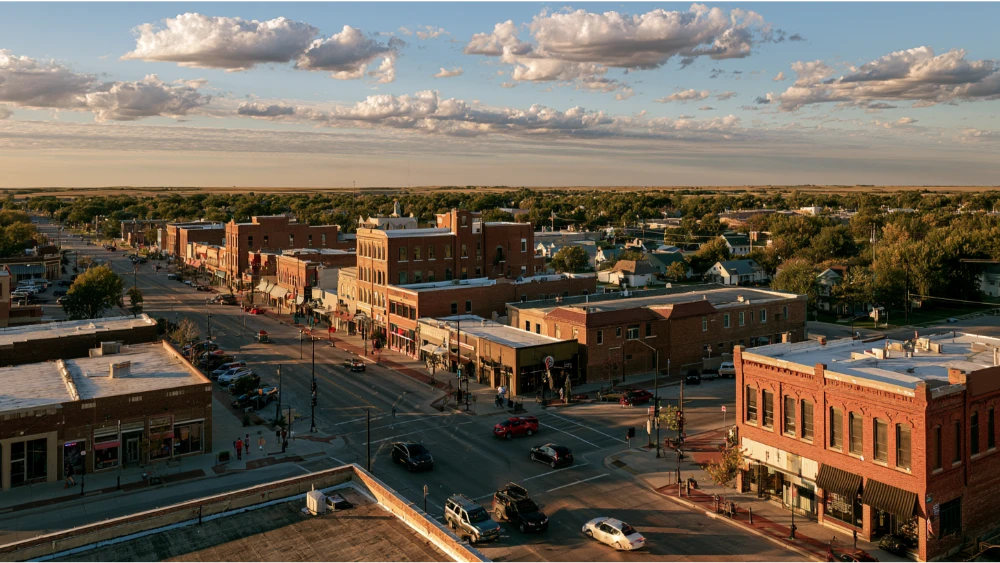
Norfolk sits near the junction of U.S. Highway 81 and U.S./Nebraska Highway 275, about 112 miles northwest of Omaha, 121 miles north of Lincoln, and 75 miles southwest of Sioux City. The population is up roughly 2.9% from the 2020 count of 24,955. About 24.2% of residents are under 18 and 17.4% are 65 or older. Around 15.5% identify as Hispanic or Latino, and 11% of residents age five and up speak a language other than English at home.
If you want short commutes and a community with its own hospital and college, Norfolk delivers. If you have lived in a big metro and need frequent air travel or a deep dining scene, Omaha or Lincoln will serve you better.
| Norfolk at a glance | Figure |
|---|---|
| Population (July 2025 est.) | 26,677 |
| Median household income | $58,884 |
| Median gross rent | $875 |
| Median home value | $211,700 |
| Average commute | 13 minutes |
| Combined sales tax (Q4 2026) | 7.5% |
| Distance to Omaha | 112 miles |
What does it cost to live in Norfolk, NE?
The 2020 to 2024 Census estimates (in 2024 dollars) put median household income at $58,884, median gross rent at $875, median owner-occupied home value at $211,700, and median monthly owner cost with a mortgage at $1,438. Sales tax is 7.5% as of Q4 2026 (5.5% state plus 2% city).
Price current listings, not the median. A five-year average tells you the shape of the market, not what a two-bedroom costs this month. Build utility costs, food, fuel, and insurance into the family budget before you commit. If you’re relocating a parent, assisted living in the Norfolk area averages about $3,312 per month against roughly $4,000 nationwide, with eight providers nearby, licensed through Nebraska’s Department of Health and Human Services. Run the numbers with our Cost of Living Calculator.
Renting vs. buying a home in Norfolk
Norfolk is 60.9% owner-occupied across about 10,990 households, averaging 2.30 people. The city’s housing study projected 769 additional units needed (427 owner, 342 rental) under a medium-growth scenario. Supply is catching up: a 166-unit apartment building and roughly 196 units facilitated through a rural workforce housing fund.
Before you sign anything, ask which utilities are included, what the pet policy is, where you park, who shovels the snow, how maintenance requests are submitted, and whether short-term or long-term leasing is available. Visiting a unit in person beats any listing photo. Our Rent vs. Buy Calculator handles the math on renting versus building equity.
Jobs, employers, and local businesses in Norfolk

The three largest employers are a regional hospital, the community college, and the public school district. Beyond those, the base includes steel production and fabrication, plastics and industrial hose manufacturing, food processing and value-added agriculture, wholesale distribution, retail, skilled trades, utilities, and public-sector work. Downtown businesses and small businesses along the highway corridors fill out the service side.
The Norfolk micropolitan area posted 2.6% unemployment in March 2026 (non-seasonally adjusted), with Nebraska at 2.9% statewide in August 2026. A low rate doesn’t mean your occupation is hiring. Verify the written offer, the shift schedule, and any Nebraska credentialing needed before you load the truck. Plenty of households now keep a remote role based out of Omaha or farther and bank the housing difference.
Schools, students, and the community college
Norfolk Public Schools serves roughly 4,400 pre-K through 12 students across 68.8 square miles and four counties: seven elementary schools, all-day kindergarten, a dedicated preschool, a K-4 Montessori option, middle school (5-6), junior high (7-8), senior high (9-12), career academies, plus high-ability, special education, and alternative learning support. Kindergarten students must turn five by July 31 for 2026-2027. Registration is online, and you should confirm your assigned attendance center by home address before signing a lease. Private and faith-based schools also operate in the community.
Northeast Community College enrolled 5,058 students in fall 2026, including more than 2,300 early-college students. The UNMC College of Nursing Northern Division sits on that campus, which keeps trained nurses working locally instead of exporting them to Omaha.
Hospitals, health care, and human services
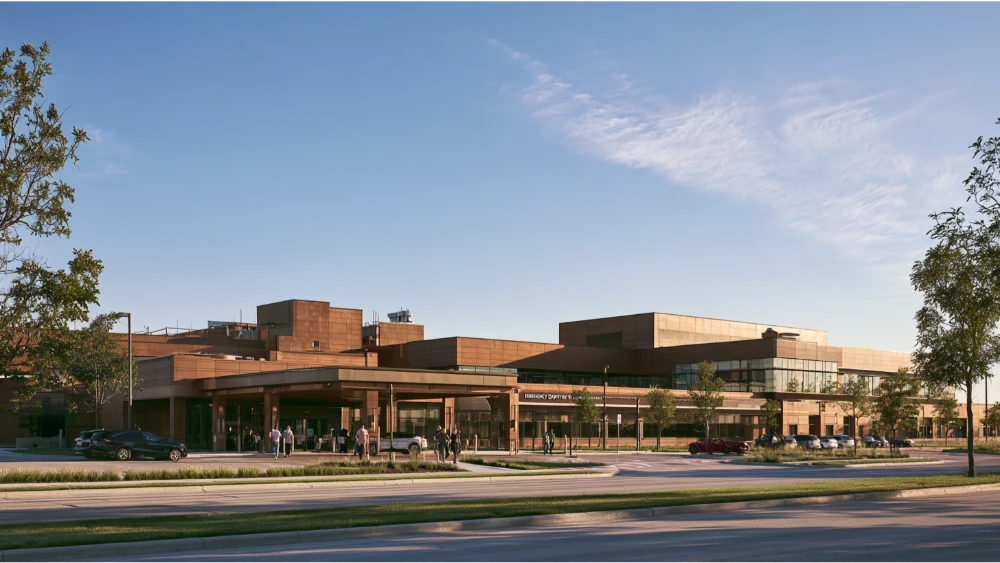
Norfolk’s main acute-care facility carries a Level III trauma designation on Nebraska’s official list. Services include emergency and urgent care, surgery, imaging, rehabilitation, cardiovascular and cancer care, behavioral health, women’s and children’s services, home health, and hospice. A Safe Community Steering Committee formed in August 2008 brings schools, law enforcement, and health care partners together around injury prevention, and regional health and human services offices handle benefits questions.
Confirm your insurance network and any ongoing specialty care before the move. Some subspecialty concerns will still mean a drive to Omaha, Lincoln, or Sioux City.
Things to do in the Norfolk area: parks, trails, and the Elkhorn Valley Museum

The Cowboy Trail starts in Norfolk and runs 321 miles toward Chadron, pulling in cyclists and visitors from well outside the state. North Fork Whitewater Park draws kayakers, tubers, and river surfers. Add city parks, ball fields, disc golf, golf, and fishing.
Downtown and the River Point District hold restaurants, breweries, local businesses and boutiques alongside national retailers, public art, an alley art and sculpture walk, and farmers markets where regional food producers sell direct. Indoors: the Elkhorn Valley Museum, the Norfolk Arts Center, escape rooms, an arcade, bowling, skating, a movie theater, and a speedway. Willow Creek Recreation Area near Pierce has a 700-acre reservoir with fishing, boating, camping, and a beach. Seasonal community events change year to year, so check current calendars.
Getting around, and surviving your first winter
That 13-minute average commute is real, and U.S. 81 and U.S./NE 275 carry most regional traffic. North Fork Area Transit runs demand-response service Monday through Saturday, 7 a.m. to 5 p.m., and Sunday, 8 a.m. to 2 p.m., generally asking for reservations about 24 hours ahead, with a regional route to Wayne. Carless living is possible. A vehicle is far more practical.
Norfolk Regional Airport primarily serves smaller, non-commercial aircraft per state transportation documentation, so plan on Sioux City, Omaha, or Lincoln for commercial flights. During a declared snow emergency, residential parking moves to the even-numbered side, parking on emergency snow routes is banned, and arterials get plowed before residential streets. Anyone who has lived through a Nebraska winter keeps a scraper, boots, and a blanket in the trunk from November on.
Your first 30 days in Norfolk, NE
- Set up city water and sewer through the billing office (currently a $30 new-service fee, verify before you go).
- Arrange electricity, gas, trash, and internet, then confirm fiber and upload speed at your exact address. About 84.6% of households have broadband, but availability is address-specific.
- Photograph the rental’s condition on day one and get renters insurance.
- Obtain a Nebraska driver’s license within 30 days and register your vehicle.
- Complete school registration.
- Pick a primary care or family practice provider, and locate urgent care and a pharmacy.
- Register for city emergency alerts.
- Drive your commute at the hour you’ll actually drive it, then walk the nearest park and meet a few neighbors.
Frequently Asked Questions
Is Norfolk, Nebraska growing?
Yes. The Census Bureau estimated 26,677 residents as of July 1, 2025, about 2.9% above the 2020 base of 24,955. New apartment and workforce housing projects, including a 166-unit building, point to continued investment in the community’s future.
What are the pros and cons of moving to Nebraska?
Pros: short commutes, moderate housing costs, a diversified regional economy, and local hospital and community college access. Cons: tight housing supply at certain price points, winter weather with snow-parking rules, and longer drives to Omaha or Sioux City for major airports and some specialty care.
Why are people moving away from Nebraska?
The reasons people give anywhere apply here: job relocation, climate preference, family, and wanting big-metro amenities. That’s not a Norfolk-specific verdict, and relocation patterns shift year to year.
Which town in Nebraska is the best to live in?
There’s no honest universal answer. “Best” depends on your commute, budget, housing type, school assignment, and health care needs. Work the checklist above against your own situation and run our calculators.
Ready to compare your options? Here’s your next step
Start with the Cost of Living Calculator and the Rent vs. Buy Calculator, then browse rental listings near you on the KT Rents marketplace.
Property owners sizing up rental demand in the Norfolk area, including those who have never lived in Nebraska, can reach our full-service, broker-owned team. Tenant placement, tenant screening, rent collection, property inspections, and court evictions handled without the owner lifting a finger. Call (800) 716-4950, text (608) 207-0657, or email info@ktrents.com. We respond within 24 hours. Se Habla Español. Your Rental. Your Way.