

Columbia, Missouri
Homes for rent and for sale — search the map or open the full city SEO catch-all page.
Columbia, Missouri
Moving to Columbia, Missouri puts you in a city of 130,851 people with a median gross rent of $1,097, a median home value of $284,600, and a 16.4-minute mean commute. Three stable employers anchor the economy: the University of Missouri, a major health care cluster, and government. Rent first to test your commute and neighborhood before committing to a purchase.
Moving to Columbia, Missouri

Columbia is a mid-sized university and health care city of 130,851 people (July 1, 2025 Census estimate) sitting on I-70 between St. Louis and Kansas City. Median gross rent is $1,097 and the median owner-occupied home value is $284,600 (Census 2020 to 2024 estimates), with a mean commute of just 16.4 minutes. This page gives you dated numbers, neighborhoods compared by commute and a first-30-days list, whether you’re still weighing cities or you already have an offer letter from a hospital or the university. Two things to keep straight as you read: Columbia city data and Boone County or metro data are different geographies, and “rent” means three different things, which we’ll sort out below.
Columbia, MO at a Glance: Who Lives Here and Why
Columbia covers 66.54 square miles and grew 3.8% from its April 2020 population base. Three engines keep the local economy steady through recessions and seasons: the University of Missouri (Mizzou), a regional health care cluster with several major providers, and state and local government. That mix is why Columbia doesn’t empty out the way a pure college town does.
The academic calendar still shapes daily life. Traffic thickens in late August, leasing inventory tightens in summer, and game days fill the city. Plan around it rather than being surprised by it.
How Much Does It Cost to Live in Columbia, Missouri?
| Measure | Figure | Source and date |
|---|---|---|
| Median gross rent | $1,097 | Census, 2020 to 2024 |
| Median owner-occupied home value | $284,600 | Census, 2020 to 2024 |
| Median monthly owner cost with mortgage | $1,704 | Census, 2020 to 2024 |
| Median household income | $66,498 (2024 dollars) | Census, 2020 to 2024 |
| Owner-occupied rate | 48.7% | Census, 2020 to 2024 |
Census rent vs. HUD Fair Market Rent vs. what you’ll actually be quoted
HUD’s FY 2026 Fair Market Rents for the Columbia/Boone County area are a federal program benchmark, not live asking rent: studio $800, one bedroom $1,011, two bedroom $1,160, three bedroom $1,573, four bedroom $1,861. Census median gross rent is historical and includes certain renter-paid utilities. Advertised rent is what a landlord wants today, and it moves monthly, climbing hardest around the academic leasing crunch. Run your real numbers through our Cost of Living Calculator and Rent Calculator before making a budget you have to live inside for a year.
Should You Rent or Buy When Moving to Columbia, Missouri?
Rent first if you can. A lease lets you test a commute, a neighborhood and a school boundary before making a 30-year decision, which matters if you moved for a hospital or university role where your schedule or building assignment may shift. Both types of leasing, short-term and long-term, exist here, and summer inventory tightens as students sign. If you’re confident in the job and the area, buying is reasonable at these price levels. Our Rent vs. Buy Calculator and Mortgage Calculator will tell you more than a gut feeling will. Your Rental. Your Way.
Columbia Neighborhoods: How to Choose by Commute, Not by Label
Pick by commute, housing types, transit access, trail access and your daily routine. Rankings of “best” neighborhoods tell you about someone else’s life, not yours. Use the table below to find two or three neighborhoods worth driving at rush hour before you sign anything.
| Area | Housing mix | Close to | Walk/trail access |
|---|---|---|---|
| Downtown / The District | Apartments, lofts | MU, dining, nightlife | High walkability |
| East Campus | Older homes, student rentals | MU campus | Walk to campus |
| Benton-Stephens | Older single-family, duplexes | Downtown, Stephens Lake | Park access |
| Old Southwest / Grasslands | Established single-family | MU, downtown | Near MKT Trail |
| West Broadway / Fairview | Mixed single-family | West-side retail, schools | Moderate |
| South and southwest Columbia | Newer subdivisions, apartments | Shopping, US 63 | Trail spurs |
| Rock Bridge / Grindstone | Single-family, townhomes | State park, south employers | Strong trail access |
| East Columbia / Keene corridor | Apartments, newer homes | Hospitals, medical offices | Moderate |
| North Columbia | Varied | I-70 and US 63 access | Car-oriented |
Downtown and East Campus are the most walkable neighborhoods in the city. South and east Columbia trade some of that walkability for newer construction and fast access to hospitals and shopping. Verify school assignment for the exact address, not the neighborhood name.
What Kinds of Jobs Are Available in Columbia?
The Columbia metro posted a preliminary 3.7% unemployment rate in August 2026, with roughly 116,800 nonfarm jobs, up 1.8% year over year. Government accounts for about 33,300 of those jobs, trade/transportation/utilities about 17,500, and education and health services about 17,100.
The City’s 2024 major-employer table lists University of Missouri-Columbia (9,732), University Hospital and Clinics (5,833), Columbia Public Schools (2,944), Truman VA (1,957), City of Columbia (1,607) and Boone Hospital Center (1,581). Those are head counts, not open positions. Check each employer’s careers page for actual hiring.
Columbia Public Schools, Private Options and Higher Education
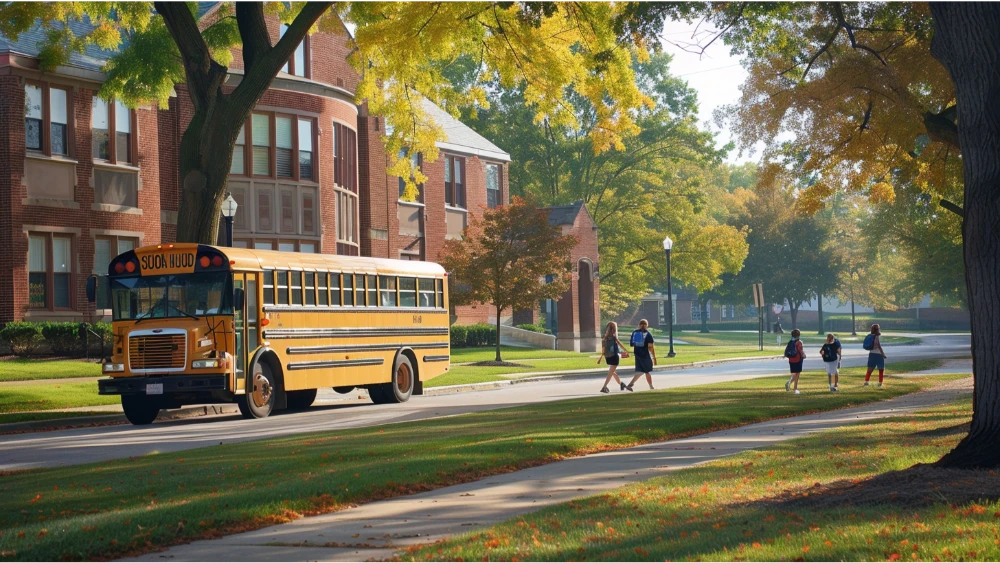
Columbia Public Schools reports 18,370 students across 22 elementary, seven middle and four high schools, plus the Columbia Area Career Center, early-childhood programming and the Boone County Nature School. The district is fully accredited by Missouri DESE and spans more than 300 square miles.
Here’s what most relocation guides miss: attendance boundaries shifted in phases beginning in 2025 to 2026, with another phase in 2026. The district’s School Locator page is general guidance, not a placement guarantee, so confirm the exact address and school year with the district. Enrollment generally requires proof of identity or birth, immunization records, proof of residence (lease, purchase contract or qualifying utility bill) and guardianship papers where applicable. Kindergarten students must turn five before August 1, 2026 for the 2026 to 2027 year. Higher education includes the University of Missouri (preliminary fall 2025 enrollment above 31,300), Columbia College and Stephens College.
Hospitals and Health Care Access in Columbia
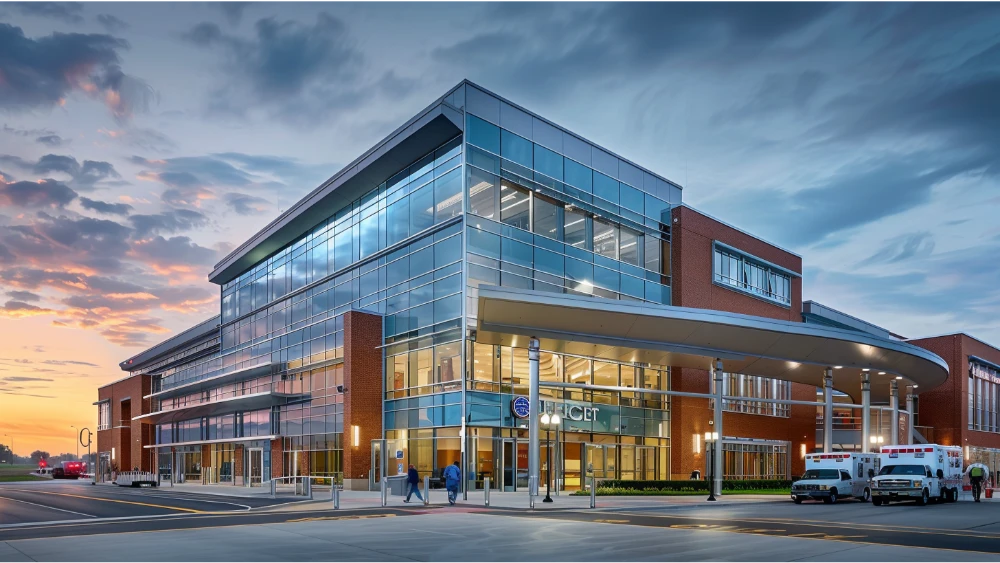
MU Health Care’s University Hospital has 390 beds and operates the only Level I trauma center and helicopter service in central Missouri, treating more than 25,000 emergency patients annually. Boone Health and the Harry S. Truman Memorial Veterans’ Hospital (117 inpatient beds, roughly 40,000 veterans served each year) round out local access to children’s, orthopaedic, cancer, behavioral health and rehabilitation care. Request your medical record transfer and establish a primary care provider early. New-patient waits are real in any growing market, and access to an appointment matters more than proximity to a building.
Getting Around: Do You Need a Car in Columbia, MO?
Most residents drive, and the 16.4-minute mean commute (Census 2020 to 2024) makes nearly any address workable. Go COMO runs six color-coded fixed routes, with weekday service restored to roughly 45-minute frequency in June 2026 and fares suspended October 1, 2026 through September 30, 2027. Coverage is lighter than big-city transit, so ride your actual home-to-work route before going car-free. Bike commuting works well near the MKT Trail. Columbia Regional Airport listed nonstop access to Chicago O’Hare, Dallas/Fort Worth, Denver, Charlotte, Orlando-Sanford and Destin-Fort Walton Beach as of October 2026, so check the airport’s page before booking.
Things to Do in Columbia: Parks, Trails, Festivals and Game Days

The City counts 79 parks, roughly 3,875 acres of green space and more than 62 miles of trails. The MKT Trail runs from downtown and links toward the Katy Trail. Rock Bridge Memorial State Park has caves, sinkholes and the Devil’s Icebox boardwalk (the cave itself stays closed to protect bats). Eagle Bluffs Conservation Area and Missouri River kayaking are both short drives.
Downtown, The District holds the dining, shopping and live music, and it’s where most visitors start. The calendar carries real weight: True/False Film Fest in February, Roots N Blues N BBQ in September, Art in the Park, the Unbound Book Festival and the Columbia Farmers Market every Saturday from April through October. Add Mizzou athletics in the fall. If your interest runs toward bigger-city weekends, St. Louis and Kansas City are each about two hours out on I-70.
Weather and Public Safety: What to Research Before You Sign
January normals run about 39.5°F high and 22.5°F low, with roughly 6 inches of normal January snowfall and about 20.2 inches annually. July normals are near 88.5°F and 68.5°F. Spring is the wettest and most storm-prone season, bringing hail, damaging winds, flash flooding and occasional tornadoes. Ask where the storm shelter is, whether parking is covered and who handles ice removal.
On safety, use trend data instead of labels. Reported violent crimes in Columbia fell from 652 in 2021 to 470 in 2025 (476 in 2024), and murders dropped from 13 in 2024 to four in 2025. The Police Department’s 2025 crime-data dashboard page lets you review a specific area over several months. Visit the address at different times of day and ask the property manager about lighting, parking and building access.
What Columbia Renters Should Verify (and Your First 30 Days)
Before you sign:
- Confirm the property holds a current Certificate of Compliance under Columbia’s Rental Unit Conservation Law. The City reported more than 28,000 registered units in nearly 10,000 structures in 2025. Certificates run five years, and registration fees of $70 per unit (complexes up to 30 units) and $50 per unit (above 30) took effect January 1, 2025.
- Get in writing which utilities are included, billed by the City, submetered or entirely yours.
- Ask who handles maintenance and how fast. Tenants can file a complaint with the City when a concern goes unresolved.
- Nail down parking, pet terms, lease dates and renewal language.
- Document a move-in inspection with photos.
- Never wire funds to anyone who won’t show you the unit. Missouri’s Attorney General states a security deposit generally may not exceed two months’ rent (general information, not legal advice).
Your first 30 days:
- Request City utility service at least one business day ahead. Same-day costs extra.
- Title an out-of-state vehicle within 30 days of establishing Missouri residency.
- Apply for a Missouri driver’s license. A valid out-of-state license, or one expired no more than 184 days, may waive the written and skills tests, though vision and road-sign tests still apply. CDL holders transfer within 30 days.
- Enroll students, transfer medical records and update your addresses.
Making the Move to Columbia, Missouri: Your Next Step
Run your numbers through the Rent Calculator, Rent vs. Buy Calculator, Cost of Living Calculator and Mortgage Calculator. Then verify the specific property, not the neighborhood’s reputation. KT Rents is a full-service, broker-owned property management company operating since 2009, managing 683 units across 34 states with $187M in assets under management (as of early 2025) and a reported 98% occupancy rate. Browse rental listings, find the floor plan that fits and start an application when you’re ready. And if you’re keeping a property behind you, we handle tenant placement, tenant screening, rent collection, property maintenance, rental permits, 1099s, property inspections and court evictions without the owner lifting a finger, which is the whole point of a seamless experience: call (800) 716-4950, text (608) 207-0657 or email info@ktrents.com. We respond within 24 hours. Your Rental. Your Way.
Frequently Asked Questions
Is Columbia, Missouri a good place to live?
For many movers, yes. You get a 16.4-minute mean commute (Census 2020 to 2024), 79 parks and more than 62 miles of trails, plus a deep health care and education employment base, which is close to ideal if you want a short drive and real amenities in one place. The tradeoffs: car dependence outside central neighborhoods, humid summers, winter ice and a summer leasing crunch driven by the academic calendar.
Is Columbia, MO growing or shrinking?
Growing. The Census Bureau estimated 130,851 residents as of July 1, 2025, up 3.8% from the April 2020 population estimate base.
How much is rent in Columbia, MO?
Census 2020 to 2024 data puts median gross rent at $1,097. HUD’s FY 2026 Fair Market Rents for the area are $1,011 for a one bedroom and $1,160 for a two bedroom, which is a program benchmark rather than asking rent. Advertised rents vary by unit type, condition and leasing season.
Do you need a car to live in Columbia?
Mostly yes, though the 16.4-minute mean commute keeps driving painless. Go COMO’s six fixed routes run roughly every 45 minutes on weekdays and are fare-free from October 1, 2026 through September 30, 2027. Test your exact route before deciding to go without a car.