

Kansas
Rental and for-sale inventory across cities we serve in this state.
Moving to Kansas? The Ultimate 2026 Guide
Explore
Cities in this state
Kansas offers a low cost of living with housing costs 25% below the national average, making it an attractive option for newcomers. The state anticipates a 2.5% economic growth by 2026, with job opportunities expanding in urban areas like Kansas City and Wichita. However, residents should prepare for extreme weather, especially during tornado season.
Moving to Kansas: Unveiling the Sunflower State’s Hidden Gems and Opportunities
2026 Economic Forecast: How Kansas is Shaping Up
Projected Economic Growth and Job Market Trends
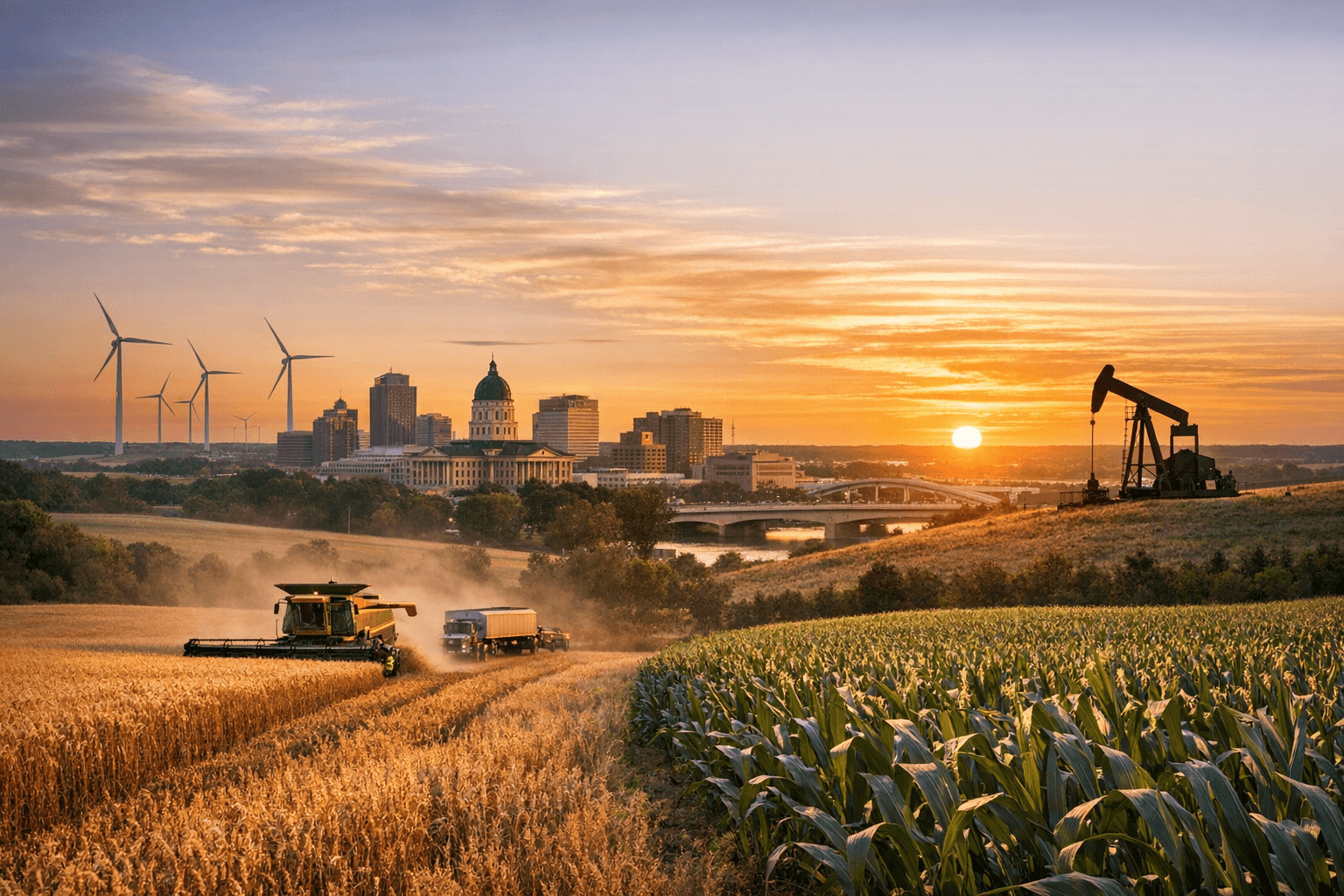
By 2026, Kansas is projected to experience an economic growth rate of 2.5%, which is slightly above the national average of 2%. The job market is expected to grow, particularly in sectors like healthcare and technology, with an anticipated increase of 3% in job availability statewide. The presence of major institutions such as the University of Kansas and Kansas State University further bolsters the job market by producing a skilled workforce, particularly in research and development sectors. Additionally, the ‘Air Capital of the World’, Wichita, continues to thrive with its aerospace industry, creating numerous job opportunities in engineering and manufacturing.
Inflation and Cost of Living Expectations
Inflation in Kansas is expected to rise by 2.3% annually, keeping it aligned with the national trend. The cost of living remains attractive, with housing costs approximately 25% lower than the national average, making Kansas an economical choice for relocation. For instance, cities like Topeka offer affordable housing while still providing access to big city amenities. This balance allows residents to live comfortably without compromising on quality of life, making it appealing for both young professionals and retirees seeking a relaxed pace of life.
Real Estate Market Predictions
The real estate market in Kansas is forecasted to see a 4% increase in home prices by 2026. Despite this rise, the median home price in Kansas is expected to remain 30% below the national average, providing affordable housing options for new residents. This trend is particularly evident in suburban areas of larger cities like Kansas City, where the demand for housing is driven by the need for more space and the appeal of living in Kansas with its blend of urban and rural settings. Investing in property in Kansas now could yield significant returns as these areas continue to develop.
Financial Planning for Your Move to Kansas
Budgeting for Your Relocation: What to Expect
Moving to Kansas involves various costs, including transportation, which averages $1,500 if moving from neighboring states. Additionally, initial housing costs, such as deposits and first-month rent, typically range from $1,200 to $1,800. To manage these expenses effectively, consider using professional moving services that offer insurance and tracking, ensuring a smooth transition. Furthermore, living in a state like Kansas with lower overall costs allows for better financial planning, enabling you to allocate funds toward settling in and exploring the numerous outdoor activities the state offers, such as hiking in the Tallgrass Prairie National Preserve or enjoying the natural beauty of Clinton State Park.
Understanding Kansas Taxes and Incentives
Kansas has a state income tax rate ranging from 3.10% to 5.70%. New residents may benefit from state incentives, such as tax credits for renewable energy installations, which can reduce annual expenses by up to 15%. This initiative not only supports environmental sustainability but also provides significant financial savings, making it a smart choice for homeowners. Additionally, Kansas offers various business incentives to foster local businesses, contributing to a strong sense of community and economic growth in both urban and rural areas.
Cost of Living: Urban vs. Rural Areas
Urban areas like Kansas City and Wichita have a cost of living index of 90, which is 10% below the national average. In contrast, rural areas boast even lower costs, with an index of 80, making them 20% more affordable than urban centers. This affordability extends to utilities and grocery costs, allowing residents to live comfortably on a modest budget. The slower pace of life in rural areas also adds to the allure, offering a peaceful environment with easy access to outdoor activities, perfect for those looking to escape the hustle of bigger city life.
Exploring Kansas: Regional Advantages and Drawbacks
The Thriving Urban Centers: Wichita and Kansas City
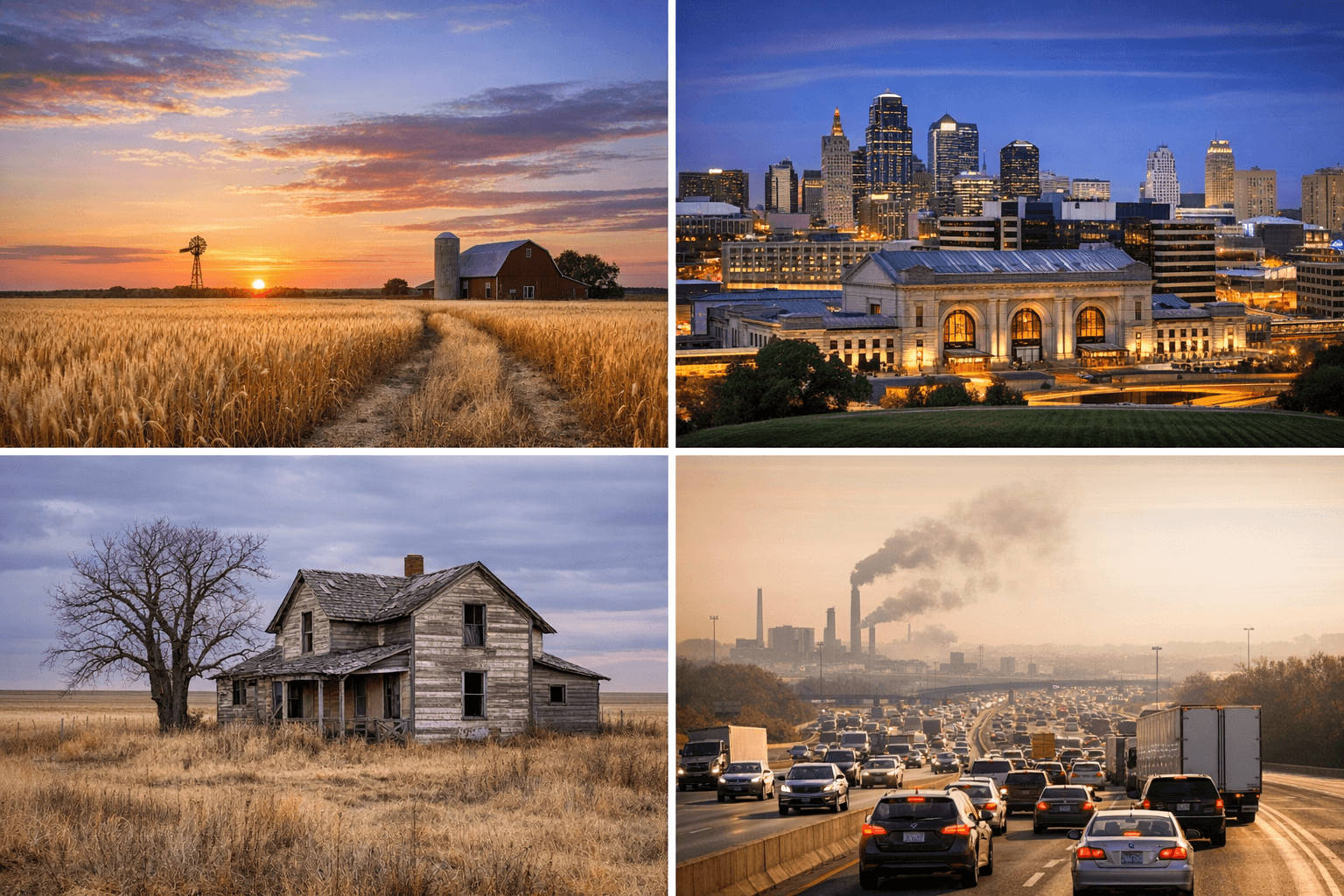
Wichita and Kansas City are Kansas’ largest cities, with populations of 397,000 and 508,000, respectively. These urban centers offer big city amenities such as cultural events and diverse dining options, attracting new residents seeking a vibrant lifestyle. Wichita, known as the ‘Air Capital’, is a hub for aerospace innovation, while Kansas City’s multicultural environment and rich history provide a dynamic setting for cultural exploration. Both cities offer extensive public transportation options, although limited compared to larger metropolises, making commuting relatively easy.
Quaint Charm of Kansas’ Rural Towns
Rural towns in Kansas offer a slower pace, with communities like Hays and Dodge City having populations under 25,000. These areas provide a safe and quiet environment, ideal for those looking to escape the hustle and bustle of larger cities. Residents enjoy a strong sense of community and access to local businesses that add to the small-town charm. Despite limited public transportation options, the proximity to natural attractions like the Flint Hills and Monument Rocks makes these towns attractive to outdoor enthusiasts and those seeking beautiful sunsets over rolling hills.
Climate Considerations Across the State
Kansas experiences extreme weather, particularly during tornado season from March to June, with an average of 96 tornadoes annually. Those moving to Kansas should prepare for hot summer months with temperatures reaching up to 95°F. It’s crucial to have a plan in place for extreme weather, including understanding the local emergency procedures and having access to reliable weather forecasts. The state’s diverse climate, with influences from the Rocky Mountains and central plains, also brings opportunities for enjoying various seasonal activities, from skiing in nearby states during winter to hiking and camping in state parks during summer.
Step-by-Step Relocation Process to Kansas
Timeline for a Seamless Move
The relocation process to Kansas typically takes 3 to 6 months, including planning, packing, and settling. It’s advisable to start preparations at least 6 months in advance to ensure a smooth transition. This timeline allows for thorough research on housing options and public schools if moving with family. Utilizing resources such as online forums and local Kansas relocation guides can provide valuable insights into neighborhoods and community amenities, ensuring you make informed decisions throughout the process.
Essential Documents and Legal Requirements
New residents must obtain a Kansas driver’s license within 60 days of moving. Additionally, vehicle registration is required, which costs approximately $40 to $60 depending on the county. It’s also essential to transfer or establish new utilities and explore local health services, particularly for those with chronic health conditions. The state’s public health resources and friendly communities make this transition smoother, offering support networks for new residents.
Settling In: Finding Community and Services
Upon moving, connecting with local businesses and community groups can enhance the integration process. Kansas offers numerous resources, such as public libraries and community centers, to help new residents settle in. Engaging in local cultural events and recreational activities not only aids in meeting people but also helps in understanding the cultural fabric of the area. The relaxed pace of life in Kansas, combined with its welcoming residents, makes it an inviting place to call home.